
Puglia: Where the Light Blinds and the Stone Remembers
A sensory journey through Puglia, Italy—from the limestone trulli of Alberobello to the baroque gold of Lecce and the bitter greens of the local table.
The light in Alberobello doesn't just shine; it strikes. It ricochets off the whitewashed cones with a ferocity that forces your eyes into a permanent squint, bleaching the world into high-contrast monochrome. It is early, just past dawn, and the silence is heavy. The tour buses from Bari haven't breached the city limits yet. The air is cool and smells faintly of damp limestone and heating espresso.
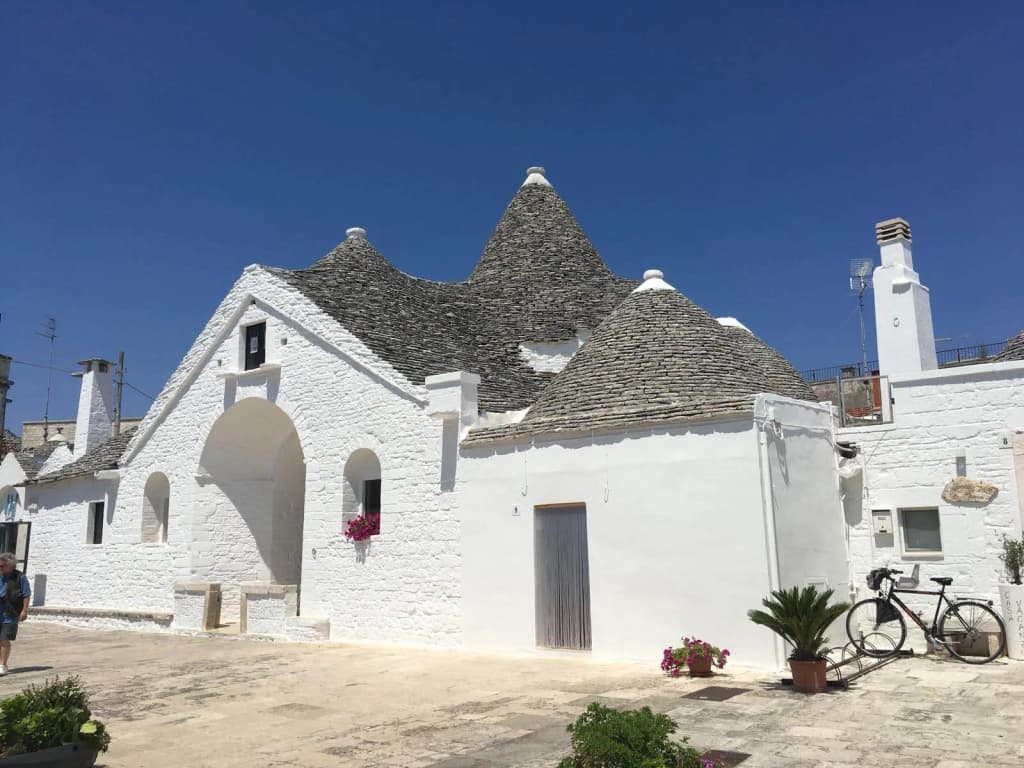
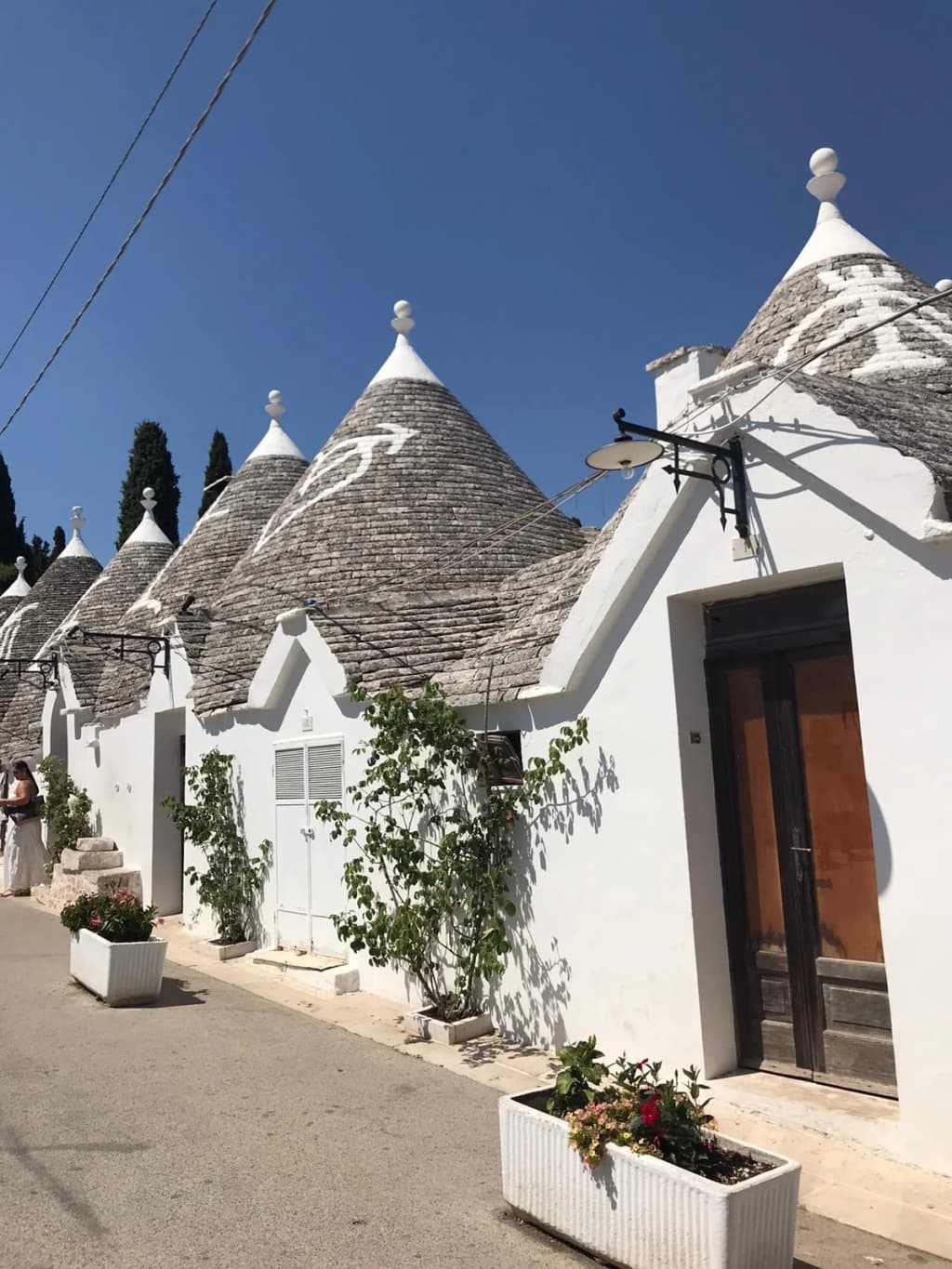
I am standing before a trullo, one of those impossible, conical structures that defy the logic of modern engineering. There is no mortar here. It is a balancing act of physics and history, stones stacked upon stones, held together by gravity and friction.
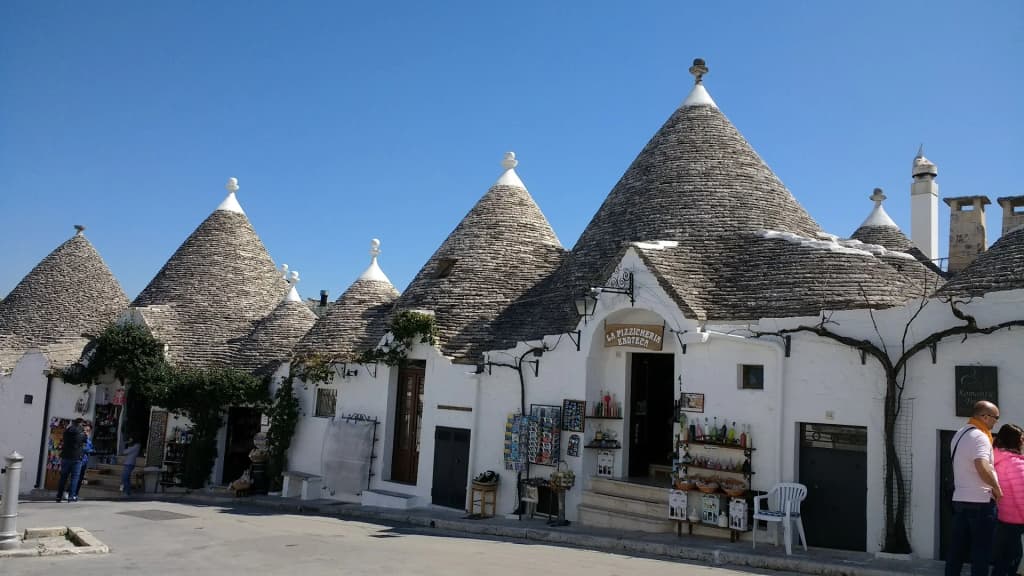
"It was about taxes," a voice comes from the shadows of a low doorway.
I turn. A man, skin weathered like the bark of the olive trees outside town, leans against the frame, wiping his hands on a rag. He nods at the roof I'm studying.
"Taxes?" I ask.
"The Kingdom of Naples," he says, spitting the name slightly. "They taxed permanent homes. So we built these without mortar. The tax collector comes, we pull the keystone, and poof." He mimics an explosion with calloused hands. "Just a pile of rocks. No house, no tax."
He laughs, a dry, wheezing sound that echoes in the narrow street. "Now, we put the stones back and charge tourists to sleep in them. The irony is free."
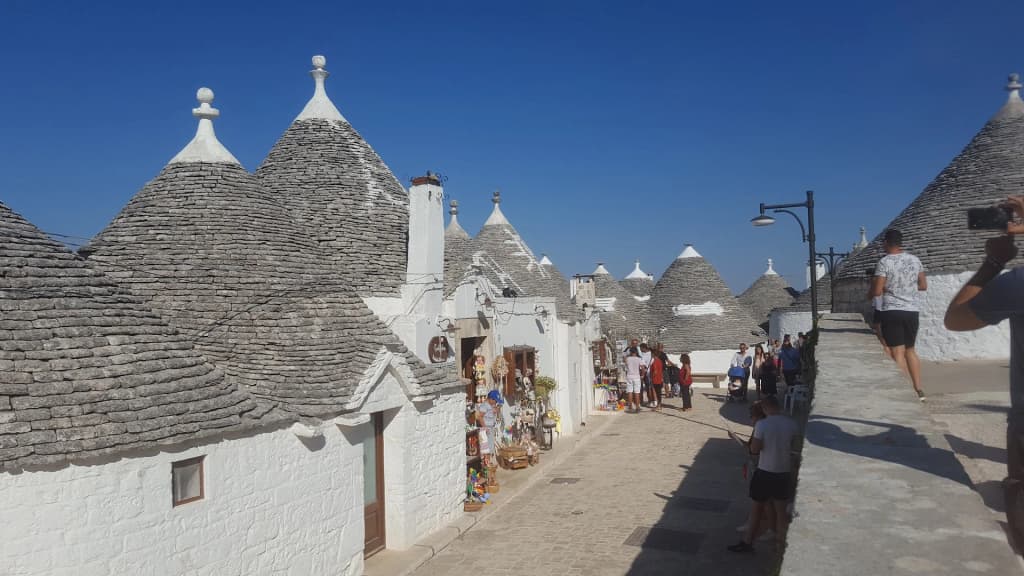
Walking through the Rione Monti district feels like navigating a dreamscape. While the UNESCO designation has brought the crowds, the early morning hours belong to the ghosts of those clever, tax-evading peasants. It sets the tone for the entire region. Puglia is not a place of grand monuments built by kings, but of stone piled by farmers. The earth here dictates everything.
Drive south, and the landscape opens up into a sea of red earth and twisted trunks. You need a car here; public transport in Puglia is more of a rumor than a schedule, and the best masserie—fortified farmhouses turned hotels—are hidden down unmarked dirt roads. The drive toward Ostuni is a study in color theory: the violent green of the olives against the rust-red soil, interrupted suddenly by the blinding white of the city on the hill.
Ostuni dazzles. It is a medieval labyrinth of arches and staircases that seem to lead nowhere and everywhere at once. The contrast against the blue sky is so sharp it almost hurts to look at. But the heat eventually drives you to the water.
In Polignano a Mare, the town doesn't just meet the sea; it hangs over it. I stand on the balcony at Piazza dell'Orologio, looking down. The cliffs drop vertically into the Adriatic, and below, the cove of Lama Monachile is a sliver of pebble beach wedged between rock walls. It is beautiful, chaotic, and loud. The sound of waves crashing mixes with the shouts of Italian teenagers daring each other to jump from the jagged outcrops.
Further south, the stone softens. If Alberobello is a fairy tale and Ostuni is a fortress, Lecce is a jewelry box. They call it the "Florence of the South," but the comparison feels lazy. Lecce has its own soul, carved from the soft, golden local limestone that seems to glow from within during the late afternoon.
The Baroque here isn't just decoration; it's an obsession. Every facade, every church, every balcony is teeming with stone cherubs, flowers, and monsters. I wander the streets aimlessly—the only way to see Lecce. It demands you get lost. The rhythm here is slower, thicker. You walk, you stop for a caffè leccese with almond syrup and ice, and you walk again.
When the stone feels too overwhelming, the knowledge that the beaches of Porto Cesareo and Punta Prosciutto are just a short drive away keeps the panic at bay. The water there is a translucent turquoise that feels more Caribbean than Mediterranean, a cooling balm after the heat of the city.
There is a detour that feels mandatory. Though technically in the Basilicata region, Matera is the spiritual sibling to the Puglian experience. I arrive as the sun is setting, turning the Sassi—the ancient cave dwellings carved into the ravine—into a honeycomb of amber light.
It is haunting. People lived in these caves from the Paleolithic era until the 1950s in abject poverty; now, they act as luxury hotels and museums. It is proof of how stubborn we are to survive, a city literally excavated from the earth. The silence here is different from Alberobello. It feels heavier, loaded with centuries of struggle.
Returning to the coast, the vibe shifts from ancient introspection to maritime bustle. In Otranto, the easternmost point of Italy, the sea is the protagonist. The cathedral floor here is a mosaic masterpiece, a tree of life that makes you dizzy if you stare too long. But the real life is outside, along the lungomare.
In towns like Trani and Monopoli, and the island-fortress of Gallipoli, the day revolves around the catch. The harbors are jammed with blue and red fishing boats. The air smells of salt and diesel. In Monopoli, I watch a fisherman repairing a yellow net, his fingers moving with a speed that blurs the line between work and art.
But you cannot understand Puglia through your eyes alone. You must understand it through your stomach. The food here is cucina povera—peasant food—elevated to a religion. It is simple, relying on the quality of the soil rather than the complexity of the technique.
I sit at a plastic table in a small osteria in the countryside. There is no menu. The waiter brings a terracotta bowl of fave e cicoria—pureed fava beans with wild chicory.
"Eat," he says. It is not a suggestion.
The bitterness of the greens cuts through the creamy sweetness of the beans. It is earthy and honest. Next comes the orecchiette—little ears of pasta—tossed with broccoli rabe and garlic. It tastes like the landscape looks: rugged, sun-drenched, and full of life. We finish with burrata that dissolves on the tongue and hard taralli crackers to soak up the wine.
Puglia doesn't rush you. Whether you are exploring the Castellana caves deep underground or hiking the wild trails of the Gargano National Park in the north, the region insists on its own tempo. It asks you to put away the checklist. The famous sights are beautiful, yes, but the real memory will be the heat of the stone against your hand, the taste of the olive oil, and the blinding white light that follows you home.
More Photos
More Adventures
 $150 - $300/day 1-2 days
 Conquer Epcot: The Ultimate High-Speed Global Gauntlet
Think Epcot is a slow stroll? Think again. It's a high-speed, globe-trotting gauntlet. Hack the rides, taste the world, and push your limits in Orlando.
 $50 - $150/day 1-2 days
 Conquer the Serra Verde Express: Brazil's Wildest Train
Ditch the tourist traps and ride the Serra Verde Express from Curitiba to Morretes. Discover ticket tips, seating secrets, and the best Barreado.
 $50 - $150/day 5-10 days
 Finding the Rhythm of Bahia: From Porto Seguro to Trancoso
Experience the sensory magic of Brazil's Costa do Descobrimento, from the chaotic nightlife of Porto Seguro to the barefoot luxury of Trancoso's beaches.
 $60 - $150/day 3-5 days
 Beyond the Ice: The Wild Side of El Calafate
Ditch the tourist traps. Explore El Calafate's underground cave feasts, ancient Tehuelche history, rugged 4x4 trails, and sub-zero ice bars in Patagonia.