
San Andrés & Cartagena Logistics: The Practical 10-Day Itinerary Guide
A tactical guide to combining San Andrés and Cartagena. Covers the tourist card, mule rentals, budget breakdowns, and how to handle the logistics.
Combining the historic streets of Cartagena with the Caribbean beaches of San Andrés is the most popular route for travelers in Colombia. However, these two destinations operate at very different speeds and require specific logistical planning to get right.
After spending 15 days navigating these regions, I have compiled the essential data points you need to plan this double-header trip without the headaches. From the mandatory entry tax to the specific cash strategies you need on the island, here is your tactical guide.
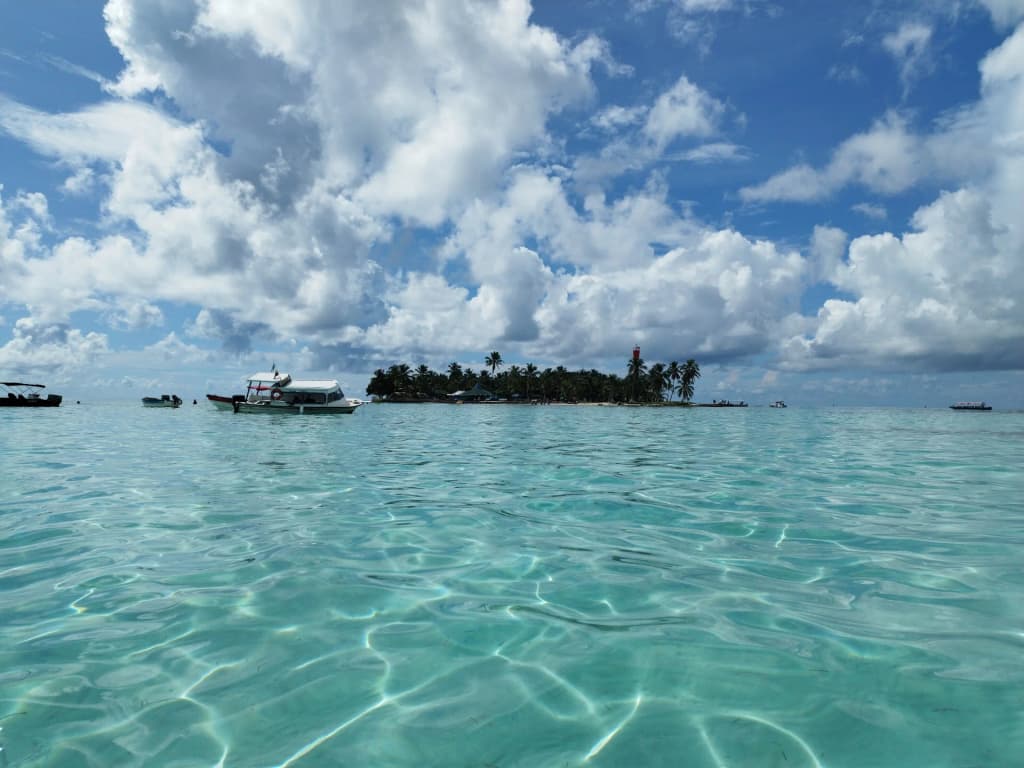
Quick Facts
- Recommended Duration: 10 Days (6 nights San Andrés + 4 nights Cartagena)
- Budget Range: $50 - $150 USD per person/day
- Currency: Colombian Peso (COP)
- Best Time to Visit: December to April (Dry Season)
- Power Voltage: 110V (Flat 2-pin, same as US/Canada)
Entry Requirements & The "Tourist Card"
Before you board the plane, you must have your paperwork in order. Colombia is strict about documentation, and San Andrés has its own specific rules.
1. The Check-Mig Form This is a mandatory migration declaration for all travelers entering or leaving Colombia.
- Timing: Must be completed between 72 hours and 1 hour before your flight.
- Where: Use the official Migración Colombia app (the website frequently crashes).
- Note: You must do this for both your arrival into Colombia and your departure.
2. The San Andrés Tourist Card (Tarjeta de Turismo) This is a unique entry tax for the island. You cannot enter San Andrés without purchasing this physical card.
- Where to buy: At the airline counter of your departure airport (Bogotá, Cartagena, or Panama City).
- Cost: Approximately 118,000 COP (~$30 USD). If flying from Panama, it can cost up to $40 USD.
- Crucial Rule: You must keep the receipt safe. You are required to present it upon arrival and departure. If you lose it, you will have to pay the fee again.
Pro Tip: Pay for your Tourist Card in cash (COP). Many airline counters at connecting airports do not accept credit cards for this specific government fee.
3. Yellow Fever Vaccine While not always checked at immigration, it is required for entry into certain nature reserves and highly recommended. You should have your International Certificate of Vaccination dated at least 10 days prior to travel.
Strategic Logistics: Flights & Connections
Most travelers connect through Bogotá (BOG). If this is your route, be prepared for a significant climate shift.
- The Climate Shock: You will be dressed for the Caribbean heat, but Bogotá is high-altitude and often cold (around 14°C/57°F). Keep a hoodie or jacket accessible in your carry-on.
- Layover Buffer: Immigration lines in Bogotá can be unpredictable. Do not book a connection shorter than 3 hours to ensure you make your island transfer.
Where to Stay: Area Comparison
Accommodation standards vary wildly. In San Andrés, hot water is often a luxury rather than a standard amenity. Manage your expectations for a more rustic experience on the island.
Location Area Best For Vibe & Amenities San Andrés North End (Centro) First-timers Walkable, near Spratt Bight beach, shops, and restaurants. San Andrés San Luis Relaxation Quieter, rocky beaches, fewer amenities, local island feel. Cartagena Historic Center Sightseeing Colonial architecture, premium boutique hotels, very walkable. Cartagena Bocagrande Modern Comfort High-rise chain hotels, beach access, 3km taxi ride to history.⚠️ Watch Out: Many budget and mid-range accommodations in San Andrés do not have hot showers. Given the tropical heat, this is usually manageable, but check the listing carefully if this is a dealbreaker for you.
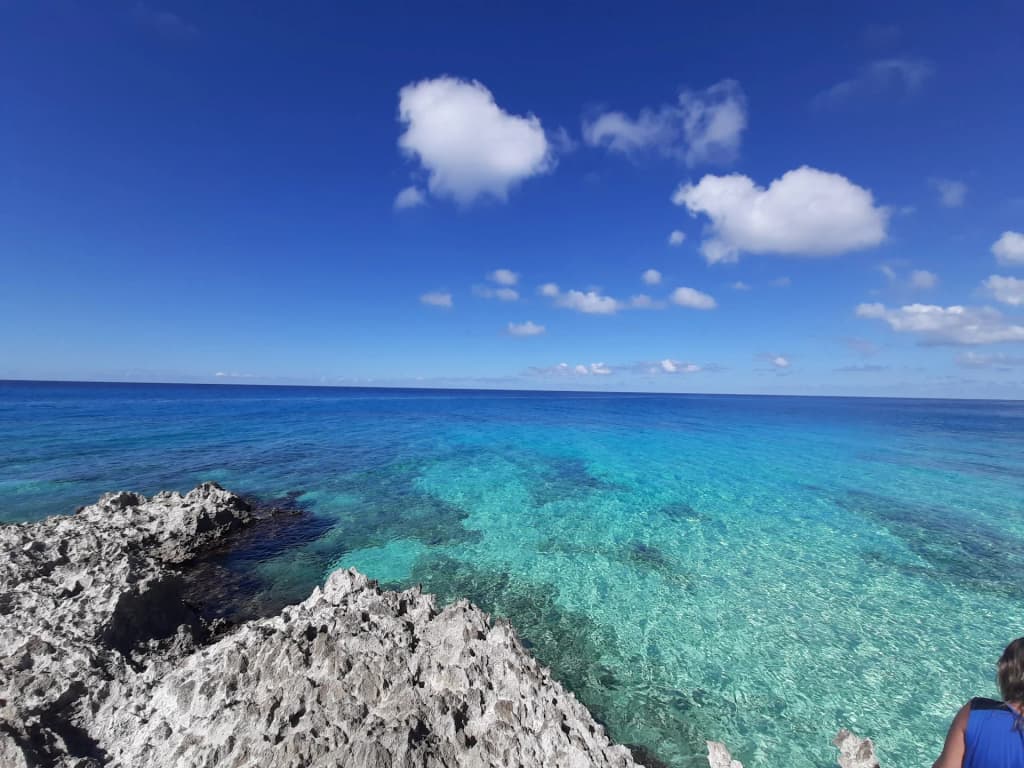
Money Matters: Cash vs. Cards
Your financial strategy needs to shift between the mainland and the island. Cartagena is modern; San Andrés has limited banking infrastructure.
- Use Global Accounts: Cards like Wise are the most cost-effective way to spend. You get the commercial exchange rate rather than the inflated "tourist rate" at exchange houses.
- Western Union Warning: There is only one Western Union agent in San Andrés. It has long lines, frequent lunch breaks, and is closed on Sundays and holidays. Do not rely on this for emergency cash.
- Exchange Houses: Avoid exchanging cash on the island. The rates are significantly worse than in Bogotá or Cartagena.
Pro Tip: Withdraw sufficient cash at the ATMs in Bogotá or Cartagena airport before flying to the island to avoid ATM hunting later.
Getting Around: The "Mule" Experience
Traffic in Colombia is chaotic, dominated by motorcycles and aggressive driving. Here is how to navigate it.
In San Andrés:
- No Rideshare: Apps like Uber do not operate here.
- Taxis: Unmetered and expensive. Prices are "fixed" but often high for tourists.
- The Best Option: Rent a "Mule" (a gas-powered golf cart) or a scooter. This is the standard way to circle the island, giving you the freedom to explore the southern tip and rocky coves at your own pace.
In Cartagena:
- Walking: The best way to see the Walled City.
- Taxis: Use yellow taxis to get between Bocagrande and the Center (approx. 3km). Always agree on the price before getting in.
Itinerary Planning: The 6+4 Rule
Many travelers underestimate the time needed for San Andrés. I recommend a 60/40 split favoring the island.
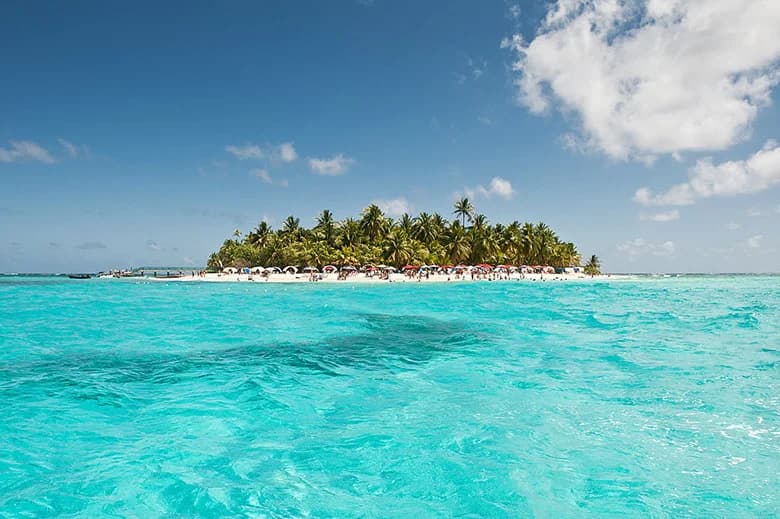
Why 6 days in San Andrés? Boat tours to key spots like Johnny Cay or El Acuario are strictly weather-dependent. If the winds are high, the Port Authority will close the docks. A 6-day stay gives you a buffer to reschedule canceled tours.
Suggested Split:
- Days 1-6: San Andrés (Book boat tours for your first full day to allow for rescheduling).
- Days 7-10: Cartagena (Focus on history, dining, and sunset drinks on the wall).
3 Common Mistakes to Avoid
- Losing the Tourist Card: I cannot stress this enough—keep that paper receipt in your passport. You cannot leave the island without it.
- Underpacking Water Gear: The seabed in San Andrés is rocky and full of sea urchins. Stepping on one will end your trip immediately.
- Expecting US Standards: Island infrastructure is older. Power outages can happen, and WiFi is often slow.
Packing Essentials
- Water Shoes (Aquashoes): Absolutely non-negotiable for San Andrés.
- Waterproof Phone Case: Essential for the boat rides and snorkeling tours.
- Power Adapter: If your devices don't use the flat 2-pin (US style) plug, bring an adapter.
- Light Jacket: For the freezing Bogotá airport layover.
San Andrés and Cartagena offer two distinct sides of Colombia. By preparing for the rustic logistics of the island and the heat of the city, you can ensure your trip is memorable for the right reasons.
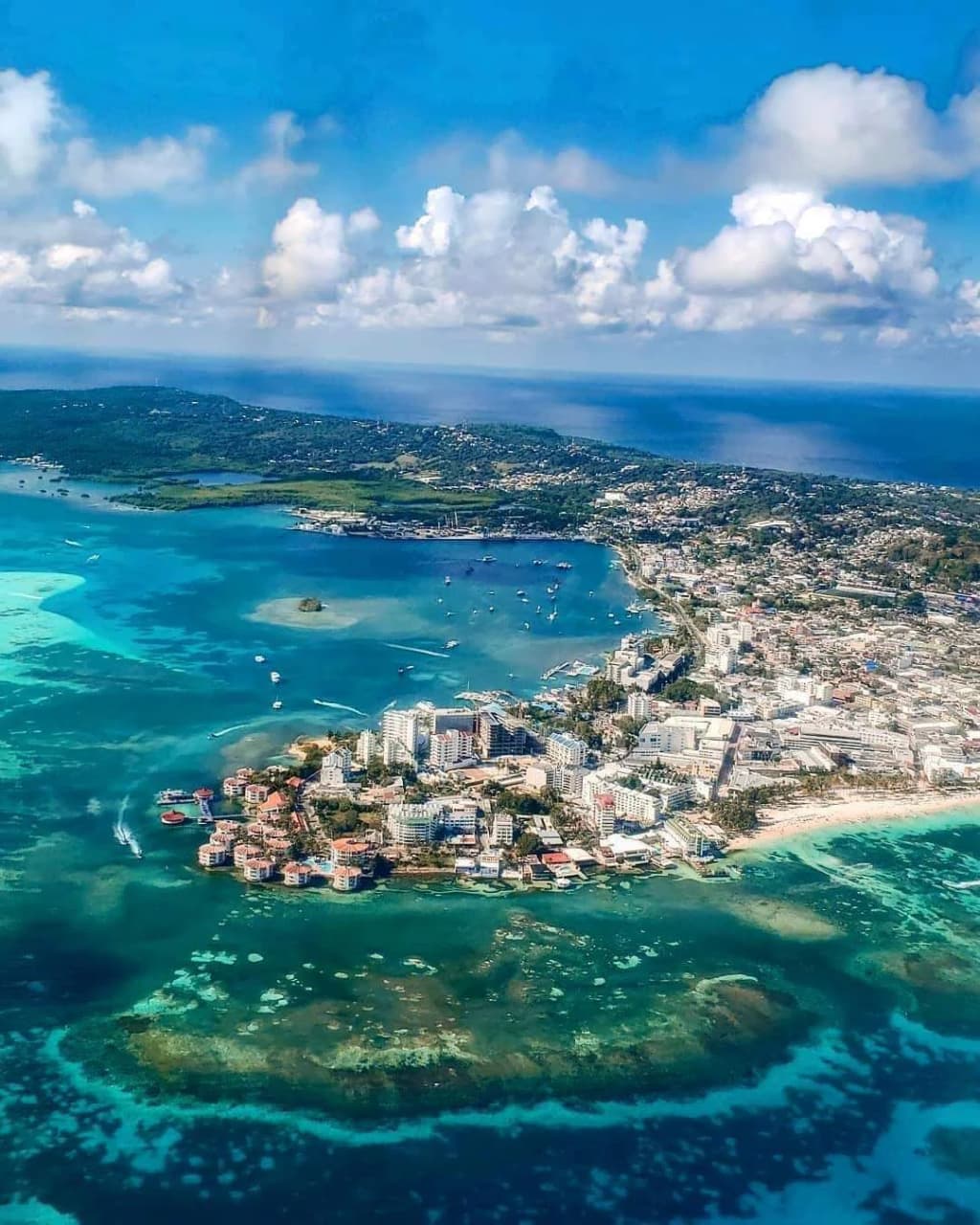
More Photos
More Adventures
 $75 - $250/day 7-14 days
 The Ultimate Month-by-Month International Travel Guide
Stop gambling with your PTO. Discover the exact best (and worst) international destinations for every month of the year to optimize budget and weather.
 $40 - $150/day 20-30 days
 Conquer Thailand: The Ultimate 20-Day Blueprint
Skip the tourist traps. Grab your backpack. This is your high-energy, no-BS guide to dominating Thailand in 20 days. Get ready to sweat.
 $100 - $350/day 7-14 days
 The Art of the Journey: Finding True Value in Global Travel
Discover how to navigate global travel economies, from the affordable charm of Lisbon to the culinary riches of Peru, without sacrificing cultural immersion.
 $33 - $50/day 14-60 days
 The Raw Truth About Budgeting for Bali
Think Bali is too expensive? Think again. Get the raw, unfiltered truth about backpacking Indonesia on a $33 daily budget. Pack your bags and ride.