
Silence and Stone: A Slow Weekend in Santo Antônio do Pinhal
A sensory journey through Santo Antônio do Pinhal. Where to eat trout, find the best views, and escape the crowds of the Serra da Mantiqueira.
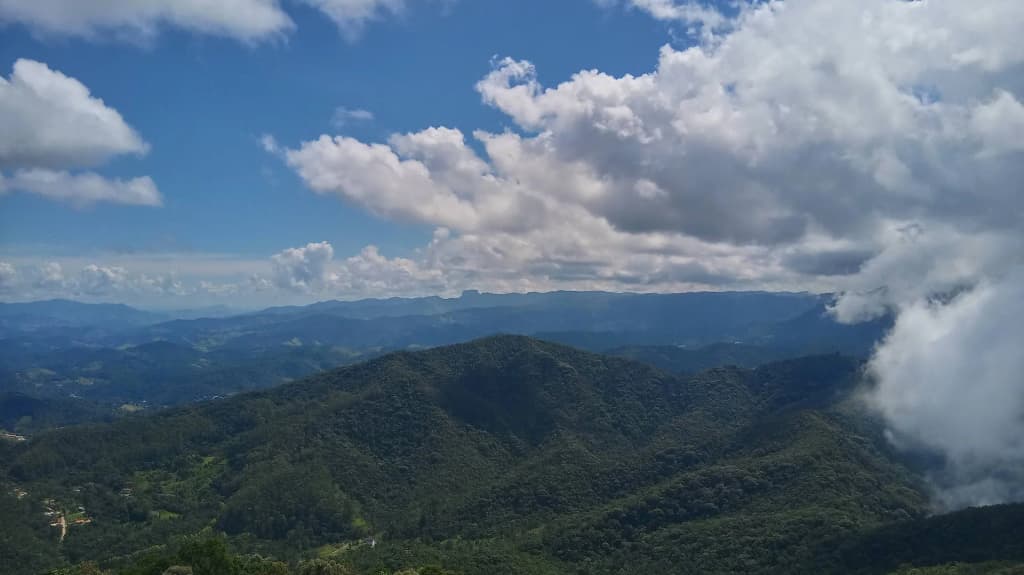
The water in the wooden tub is hot, bordering on scalding, but the air against my face is sharp enough to cut glass. I am sitting on a deck suspended over a valley that seems to have no bottom, and straight ahead, the horizon is dominated by the Pedra do Baú. It looks like the hull of a petrified ship, ancient and immovable. Technically, that rock belongs to the neighboring town, but the view from here—high in the hills of Santo Antônio do Pinhal—feels like a private screening. The silence is heavy, broken only by the wind rattling the araucaria branches. It took eight years of living abroad for me to realize that the Serra da Mantiqueira is not just a place you visit; it is a place you feel in your bones.
We are staying in a chalet that feels less like a hotel and more like a secret. Inside, it’s all warm wood and soft textiles, a refuge from the mountain chill. There is a carrot cake waiting on the counter—a bribe, perhaps, or just country hospitality—and a bed that looks out directly at the mountains. Many people treat this town merely as a cheaper dormitory for the bustling, fondue-obsessed Campos do Jordão nearby. That is a mistake. While the crowds are fighting for table space over there, here the pace is slow, the air is cleaner, and the connection to the land feels profound.
Hunger drives us down from the heights and into the village. The scent of woodsmoke hangs in the streets, mixing with the damp earth. We find ourselves at Restaurante Dona Pinha, a place that seems to have grown organically out of the landscape. The menu is a love letter to the region, particularly the pinhão—the seed of the local pine tree that sustained indigenous tribes long before tourists arrived.
"The trout is fresh," the server tells me, placing a basket of warm bread on the table. "But the sauce is what matters. It's the season."
"Is it really that different from the ones in the city?" I ask, skeptical. I've had trout in São Paulo. It’s usually dry.
She laughs, a warm, throaty sound that suggests she knows something I don't. "You taste the mountain in it. You'll see."
She is right. The trout arrives sizzling, but the pine nut sauce adds an earthy, nutty richness that grounds the dish. We eat slowly, letting the conversation drift. I try the lamb next, followed by an apple strudel that rivals anything I’ve had in Austria. It’s not just food; it’s an education in local agriculture. The chef, Anuk, focuses on local producers, and you can taste the lack of food miles in every bite. The bill is fair for the quality—around 150 reais for a feast—but the feeling of being nourished is priceless.
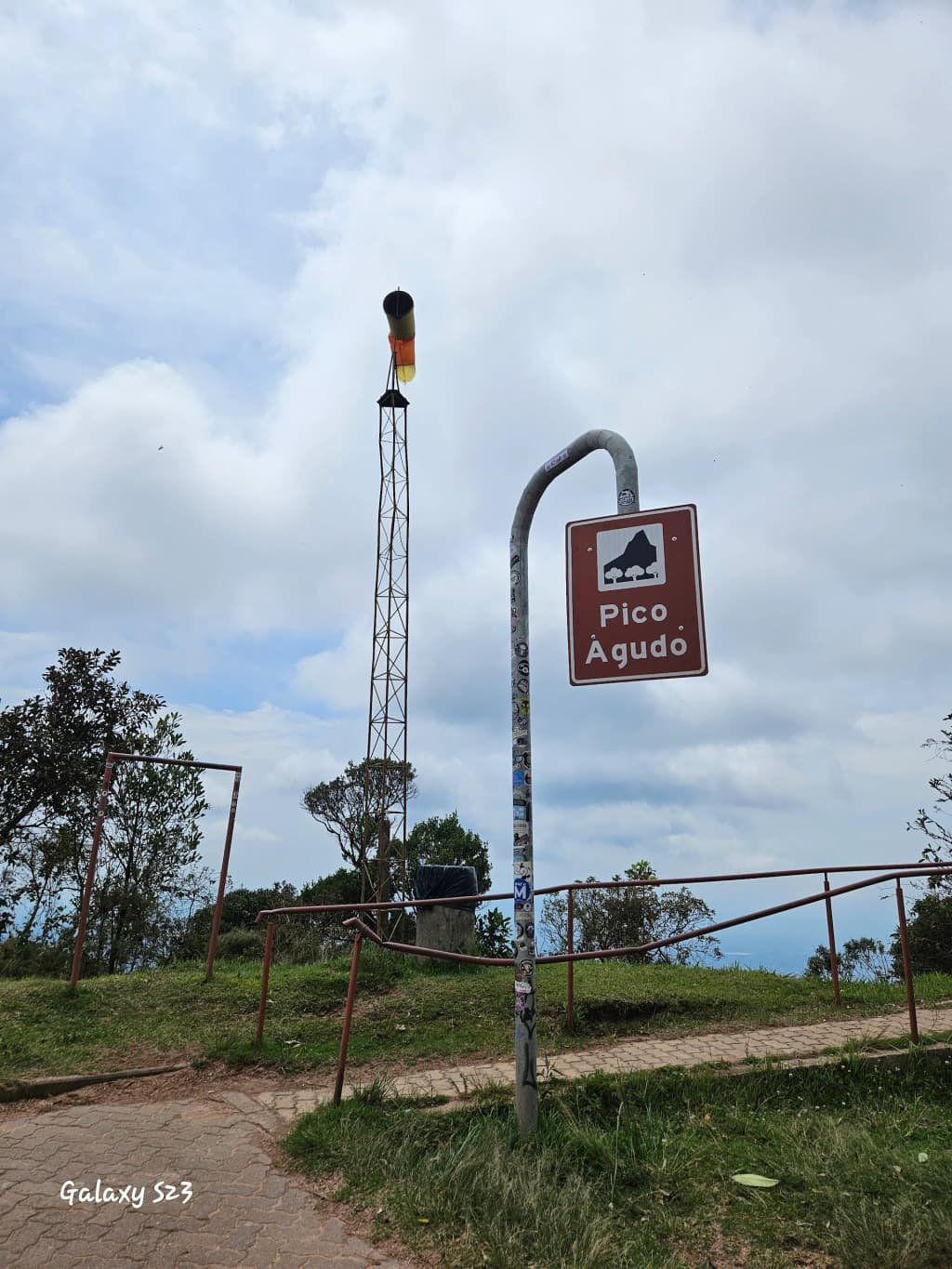
If the restaurant grounds us, Pico Agudo lifts us into the ether. The drive up is an adventure in itself—a narrow road that alternates between red dust and paved blocks, winding six kilometers up the spine of the mountain. My small car groans in first gear on the steepest sections, but we push on.
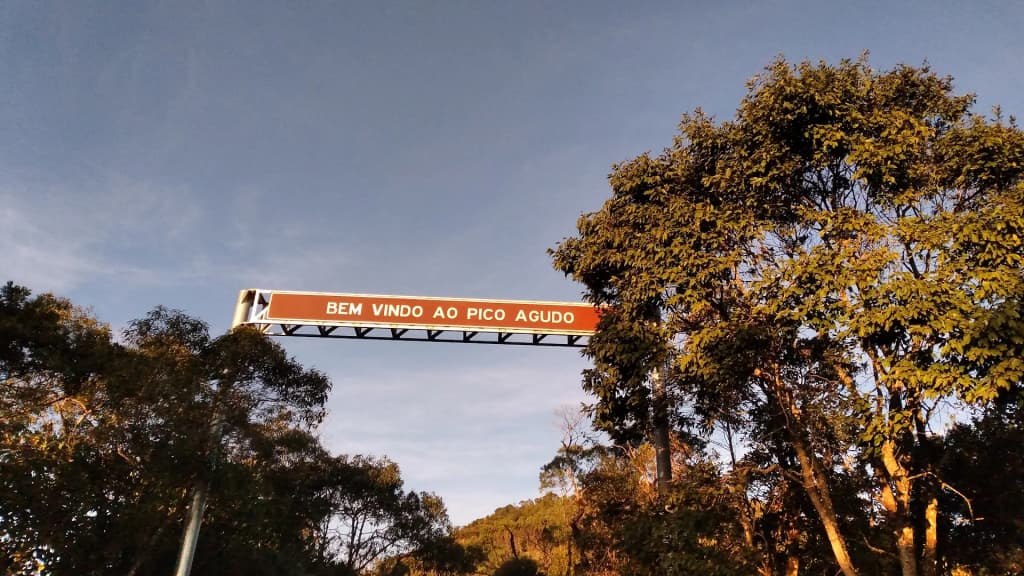
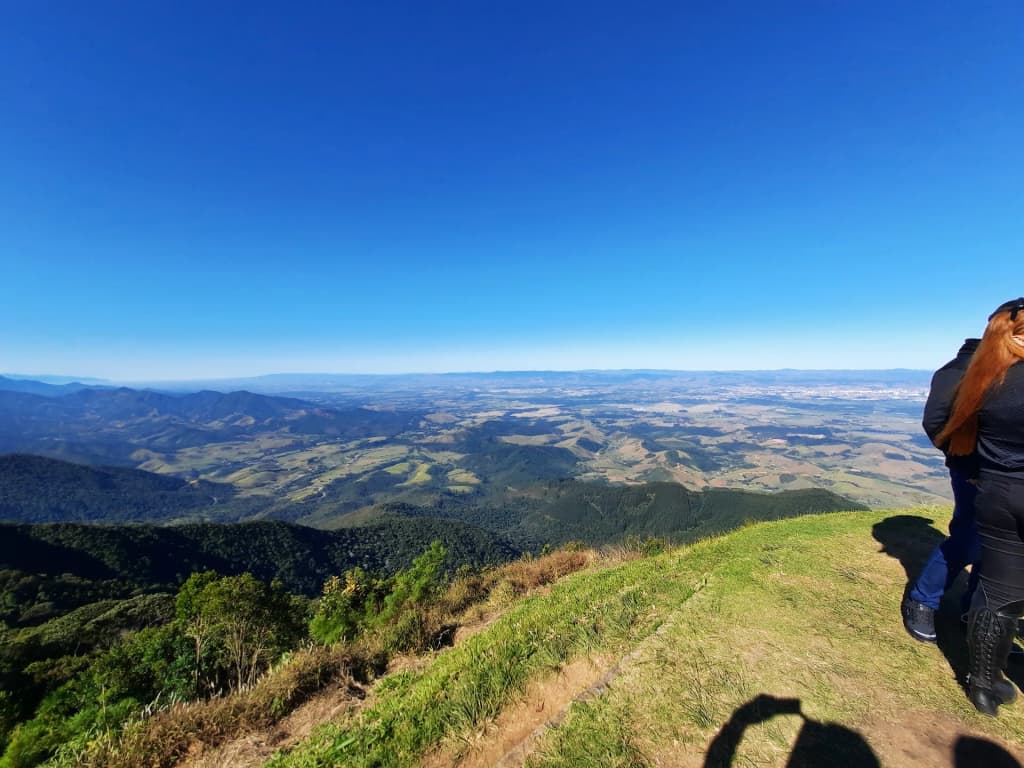
At 1,700 meters, the world opens up. It is a 360-degree panorama of the Paraíba Valley. To one side, the endless blue ridges of the Serra do Mar; to the other, the Mantiqueira range stretching out like a sleeping dragon. The wind here is ferocious. I pull my jacket tighter, regretting leaving my scarf in the car. It is a popular spot for paragliders, though today the sky is empty of silk wings. We stand on the edge, watching the shadow of the clouds race across the valley floor far below. It costs nothing to be here, yet it feels like the most expensive view in the world.
There is a different kind of history at the Eugênio Lefèvre station. Built in 1916, it was once a lifeline, transporting tuberculosis patients to the sanitariums in the mountains. The air here was the medicine. The trains don't run like they used to—the tourist line has been silent for years due to maintenance issues—but the tracks remain, rusting gently into the weeds.
We walk along the rails, balancing on the wooden ties. It’s a strange, melancholic feeling, walking a path designed for heavy steel wheels. A few hundred meters down the line, we cross an invisible border into the next municipality and reach a lookout point. It’s quieter here than at Pico Agudo. The view is framed by vegetation, intimate and green.
Back near the station, the air smells of wet soil and orchids. We wander into a nursery nearby, a riot of color where thousands of flowers are cultivated. It’s free to enter, a labyrinth of delicate petals and sturdy succulents. We sit for a coffee and a slice of potato bread, surrounded by blooms that look like they belong in a jungle, not a mountain town.
No trip to this region is complete without acknowledging the soil, and that means wine. At Espaço Essenza, the experience is refined without being pretentious. We walk through the vineyards, the vines heavy with fruit in the summer sun. The tour explains the struggle of growing grapes here—the fight against the humidity, the "double pruning" technique that tricks the vines into harvesting in winter.
We sit for a tasting. This is my favorite way to eat—small bites designed to unlock the flavors of the glass. A local charcuterie board arrives, featuring "Mantiqueira prosciutto" cured right here on the property. The saltiness of the meat cuts through the acidity of the white wine perfectly. It feels like a celebration of the land's potential.
For a change of pace, we visit the Jardim dos Pinhais Ecco Parque. It’s a series of themed gardens—Italian, Canadian, Japanese. The entrance fee is around 49 reais, which feels steep until you step inside. You are buying silence. Real silence. We walk past dinosaur sculptures that delight the few children present, but mostly, we just listen to the sound of water trickling through the bamboo in the Japanese garden. It is meditative.
On our final morning, we seek out the source of that sound. The Cachoeira do Lajeado is easy to miss, tucked away on private property. We pay a small fee—about two reais—and walk the short trail. The waterfall isn't Niagara, but it has a powerful, elegant drop. The water is freezing, shocking to the touch. We don't swim, but the spray alone wakes me up better than the coffee.
Near the falls, we stop at Sorveteria Eisland. It’s a farm-to-cone operation. The cows graze in the fields behind the shop, and the milk goes straight into the ice cream machines. I order a scoop of macadamia. It is creamy, dense, and tastes exactly like the place looks: rich and unhurried.
Driving away, winding down the serra, the pressure in my ears pops, signaling our descent back to reality. Santo Antônio do Pinhal demands you stop, breathe, and taste the mountains. It doesn't shout for your attention like its neighbor; it simply waits for you to notice it.
More Photos
More Adventures
 $100 - $350/day 5-7 days
 Ditch Your Shoes: The Ultimate Jericoacoara Adventure Guide
Skip the tourist traps. Rent an ATV, dive into Buraco Azul, and taste the wild side of Jericoacoara. Your ultimate adventure guide to Brazil's sandy paradise.
 $30 - $60/day 3-5 days
 Skip the Beach: The Mystical Quartz Mountain of São Thomé
Trade the beach for the mountains. Explore São Thomé das Letras, Brazil's off-grid quartz town. Dive into waterfalls, dark caves, and defy gravity.
 $50 - $150/day 1-2 days
 Finding Holland in the Tropics: Two Days in Holambra
Discover Holambra, Brazil's unexpected Dutch enclave. Wander through luminous flower fields, towering windmills, and rich European history in São Paulo state.
 $50 - $150/day 1-2 days
 Conquer the Serra Verde Express: Brazil's Wildest Train
Ditch the tourist traps and ride the Serra Verde Express from Curitiba to Morretes. Discover ticket tips, seating secrets, and the best Barreado.