
Tasting the Soul of the South: A Journey Through Buenos Aires
Immerse yourself in Buenos Aires with this 3-day itinerary. Discover the historic streets of La Boca, taste authentic steak, and explore grand architecture.
The smoke from the grill wraps around the wrought-iron pillars of the market, carrying the sharp, garlicky tang of chimichurri and the heavy, comforting scent of roasting chorizo. It is Sunday morning, and the 1897 Mercado de San Telmo is a cavern of echoes—the clatter of heavy ceramic plates, the rapid-fire staccato of Argentine Spanish, the violent hiss of meat meeting hot metal. Dust motes dance in the shafts of sunlight piercing through the high glass ceiling, illuminating stalls overflowing with tarnished silver antiques and mounds of fresh, bruised fruit. I slide onto a wooden stool at a small, crowded counter near the entrance. The choripán arrives wrapped in thin paper, the bread crusty and warm, the sausage splitting perfectly down the middle to reveal its spiced center. It tastes like history and survival, a simple, unpretentious meal that fuels a beautifully complex city. They call Buenos Aires the Paris of the South, and looking at the wide, tree-lined avenues and the intricate Belle Époque facades, you understand exactly why. But beneath the polished European veneer beats a distinctly Latin heart, passionate, gritty, and endlessly resilient.
Navigating this sprawling metropolis is surprisingly seamless, a blend of old-world charm and modern convenience. I bypass the traditional ticket kiosks in the subterranean depths of the Subte, the city's underground metro system, simply tapping my international debit card at the turnstile. The train rattles furiously through the dark, damp tunnels, a screech of metal on metal that eventually delivers me into the blinding sunlight of Avenida 9 de Julio. Here, the sheer scale of Buenos Aires demands your absolute attention.
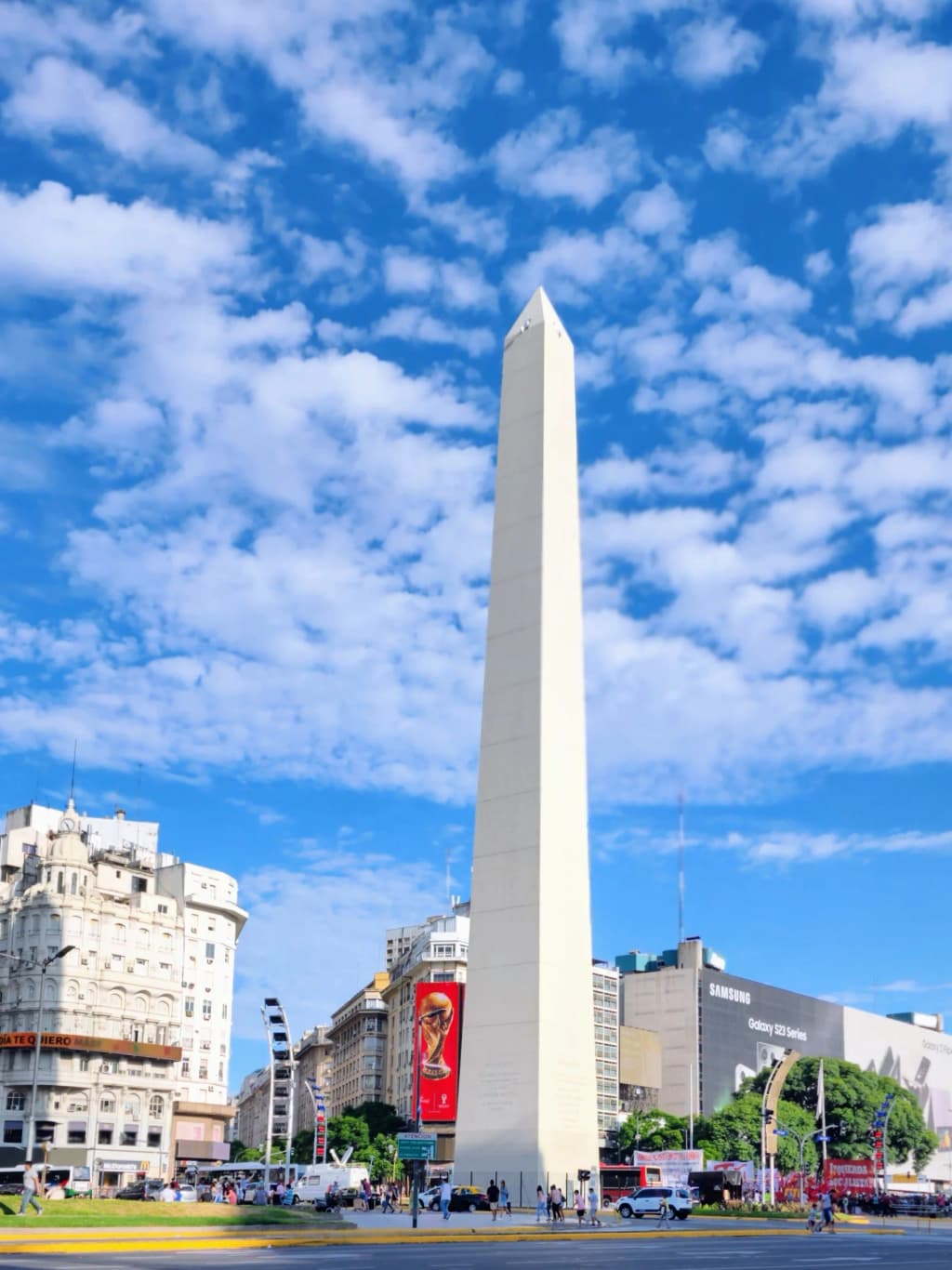
The Obelisco pierces the impossibly blue sky, a towering needle of white stone erected in 1936 to mark the city's fourth centenary. The crowds gather tightly at its base, jostling and angling for the perfect photograph beneath the blazing sun, but I find a quieter, shaded vantage point near a small police outpost just across the street. From here, the avenue stretches out in a dizzying river of yellow-and-black taxis and rushing pedestrians, a scene that feels cinematic in its perpetual motion. The low hum of engines and the sharp blasts of traffic horns create a relentless urban symphony. Walking further down toward Plaza de Mayo, the air grows cooler under the canopy of ancient trees. The pink facade of the Casa Rosada anchors the square, a silent witness to decades of fervent political protests and triumphant celebrations.
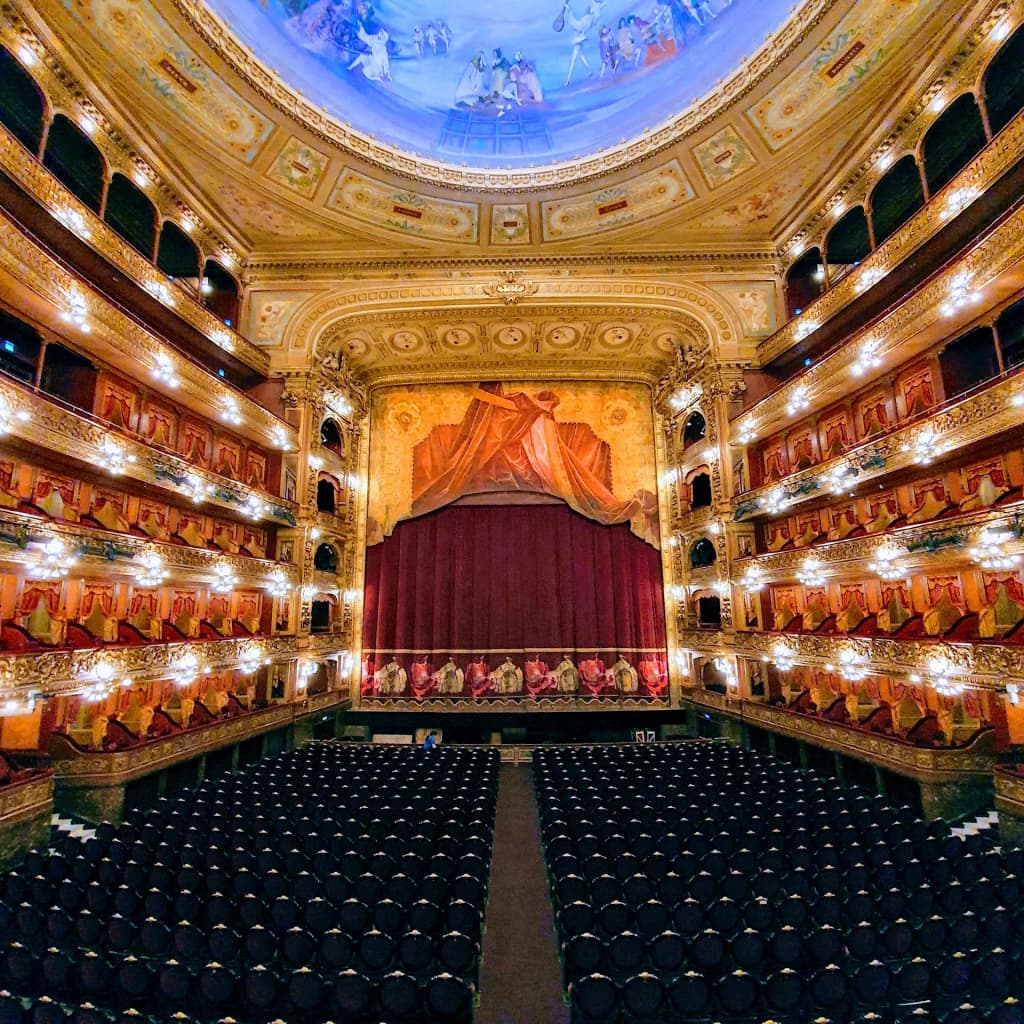
The walk from the political center toward Plaza Lavalle is a masterclass in architectural ambition. The Teatro Colón rises like a secular temple to the arts, its 1908 facade a solemn promise of the acoustic perfection housed inside. It is a monument to the city's golden economic era, painstakingly built with marbles and woods shipped across the Atlantic to satisfy an elite longing for European sophistication.
I wander away from the theater and let the current of well-dressed shoppers carry me down Calle Florida, a bustling pedestrian thoroughfare, until I reach Galerías Pacífico. The 1889 shopping gallery is a cathedral of commerce, but it is the central dome that forces me to stop dead in my tracks and look up. Painted in 1946 by five prominent Argentine artists, the sweeping murals celebrate the raw vitality of life and manual labor, offering a striking, almost subversive contrast to the gleaming luxury boutiques operating below.
By the time I sit down at a traditional, dimly lit restaurant tucked away from the main avenues, my legs are heavy with the miles walked, but my senses are entirely awake. The waiter sets down a cast-iron skillet bubbling violently with provoleta—thick provolone cheese melted to a molten, salty core with a crispy, golden-brown crust. Next comes the bife de chorizo, a massive cut of steak perfectly charred on the outside and tender within. The rich, metallic taste of the beef pairs effortlessly with a glass of robust Malbec, grounding me in the agricultural soul of the country.
"You are pouring half the bottle," I say, watching the waiter at a small neighborhood cafe fill my wide glass with the dark purple house wine. The liquid reaches dangerously close to the delicate rim.
He laughs, a deep, resonant sound that shakes his shoulders, and he doesn't stop pouring. "In Buenos Aires, my friend, we do not measure the wine. We measure the evening."
That generous, overflowing spirit defines the southern edge of the city. I take a short Uber ride down to La Boca, a rough-around-the-edges neighborhood built on the backs of weary Italian immigrants. The air here smells distinctly different—heavy with salt off the nearby river and the sweet, fried dough of churros sold from small metal carts on the street corners. El Caminito is an absolute explosion of color. The conventillos—shared tenement houses hastily constructed from scrap wood and corrugated zinc pulled from old shipyards—are painted in brilliant, clashing hues of leftover naval paint.
What began as a necessity of poverty was transformed in the mid-twentieth century by local artists into an act of profound revitalization, turning a forgotten railway dump into an open-air museum. The texture of the peeling paint under my fingertips feels like a tangible bridge to the working-class families who first carved a difficult life out of this port. From the open doorways of tourist-filled taverns, the melancholic, accordion-heavy soundtrack of tango spills into the cobblestone streets. Dancers move with sharp, deliberate precision, wrapping the brightly painted world in a beautiful, lingering sadness.
Returning to the northern part of the city feels like crossing into another century. I step inside El Ateneo Grand Splendid, and the hushed silence is a physical shock after the chaotic noise of La Boca. Built in 1919 as a grand theater, it has been reborn as one of the most stunning bookstores on earth. I run my hands along the spines of books stacked where the velvet stalls used to be, looking up at the ornate, frescoed ceiling. The old stage, framed by heavy crimson curtains, now hosts a cafe where locals sip small cups of dark, bitter espresso while turning the pages of new novels.
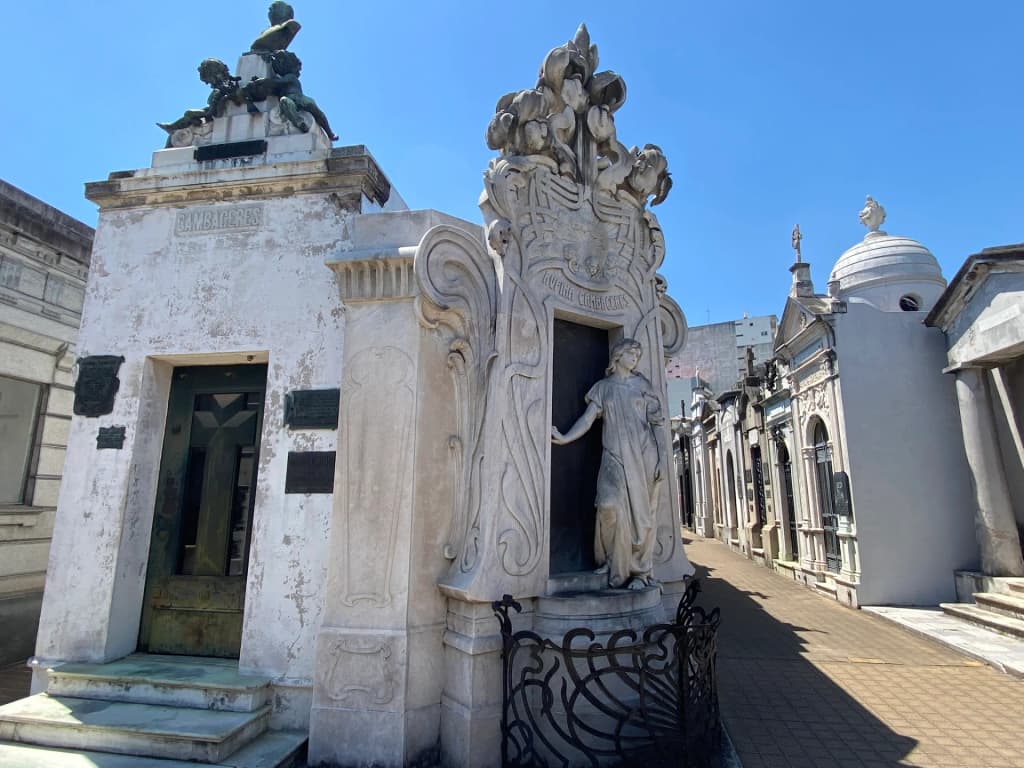
Outside, I walk toward the affluent neighborhood of Recoleta, drawn by the promise of open green spaces. The scent of damp earth and manicured grass replaces the exhaust fumes of the broader avenues. In the center of a wide park stands the Floralis Genérica, a colossal, twenty-meter-tall sculpture of a metallic flower. It is a marvel of engineering that slowly opens its massive steel petals with the morning light and closes them as dusk approaches. Today, it stands fully open, reflecting the shifting, golden afternoon sun across its polished surfaces, a modern counterpoint to the imposing, classical stone columns of the Law Faculty sitting just across the grass.
As the sun finally begins to dip below the skyline, I find myself walking along the calm waterfront of Puerto Madero.
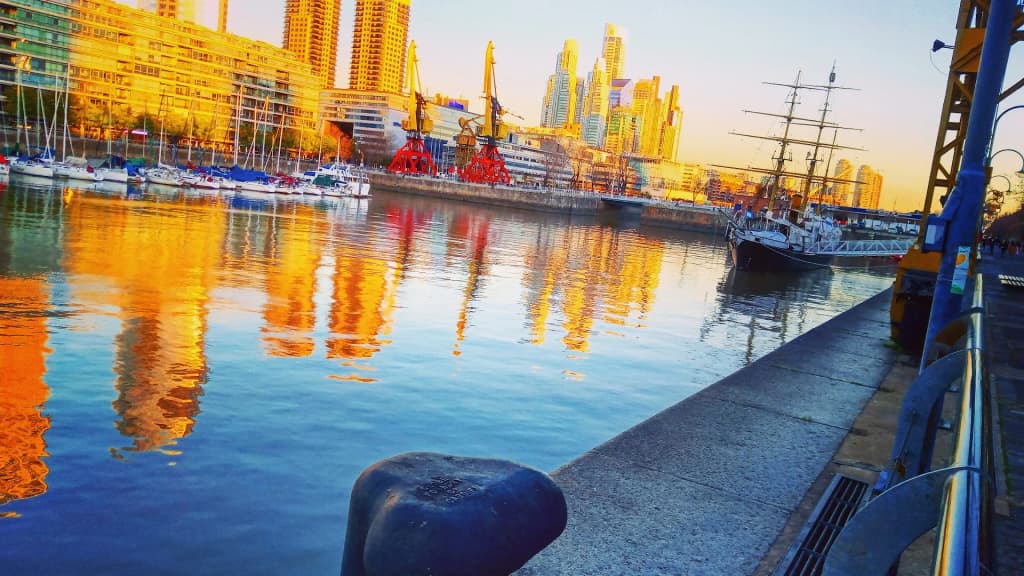
The old red-brick warehouses, once entirely abandoned when the port became obsolete for modern shipping, now glow warmly with the amber light of upscale restaurants and sleek, high-rise apartments. The dark water of the Rio de la Plata catches the fading light, turning a soft, bruised purple. It is the perfect, quiet prelude to the electric energy of the night.
I end my evening deep in Palermo Soho, a neighborhood where the uneven cobblestone streets are covered in sprawling, colorful street art and the air hums with the energy of a city that absolutely refuses to sleep early. At a bustling corner eatery, I order a milanesa a la fugazeta—a massive slab of perfectly breaded, fried meat piled impossibly high with melted cheese and sweet, caramelized onions. The night is warm, the wine flows just as generously as the waiter promised, and the animated conversations at the surrounding tables blur into a comforting, melodic hum. Buenos Aires doesn't just show you its grand history or its beautiful scars; it pulls out a chair, pours you a heavy glass of wine, and invites you to taste the poetry of the city for yourself.
More Photos
More Adventures
 $50 - $200/day 3-5 days
 Buenos Aires Travel Guide: The 21% Tax Hack & Itinerary
Plan your Buenos Aires trip with this meticulous logistical guide. Learn the 21% hotel tax hack, airport transfer costs, and neighborhood sightseeing routes.
 $60 - $120/day 4-5 days
 Buenos Aires Itinerary: A Practical 5-Day Planning Guide
Plan the perfect Buenos Aires trip with this meticulous guide. Discover exact costs, walkable neighborhood routes, and budget optimization tips for Argentina.
 $150 - $250/day 1-2 days
 From Paris to the Flemish Canals: A Day in Belgium
Leave Paris behind for a sensory-rich day trip to Belgium. Wander the golden Grand Place of Brussels, taste dark pralines, and explore medieval Bruges.
 $60 - $150/day 3-5 days
 Concrete and Canvas: 3 Days Inside São Paulo's Rhythm
Experience São Paulo's sensory extremes, from the floating art of MASP and the aromatic Mercadão to a car-free Sunday on Avenida Paulista.