
Tangible Memories: A Shopper's Journey Through Japan and Korea
Journey through the neon aisles of Tokyo and the skincare boutiques of Seoul, discovering how the objects we collect become the physical memories of our travels.
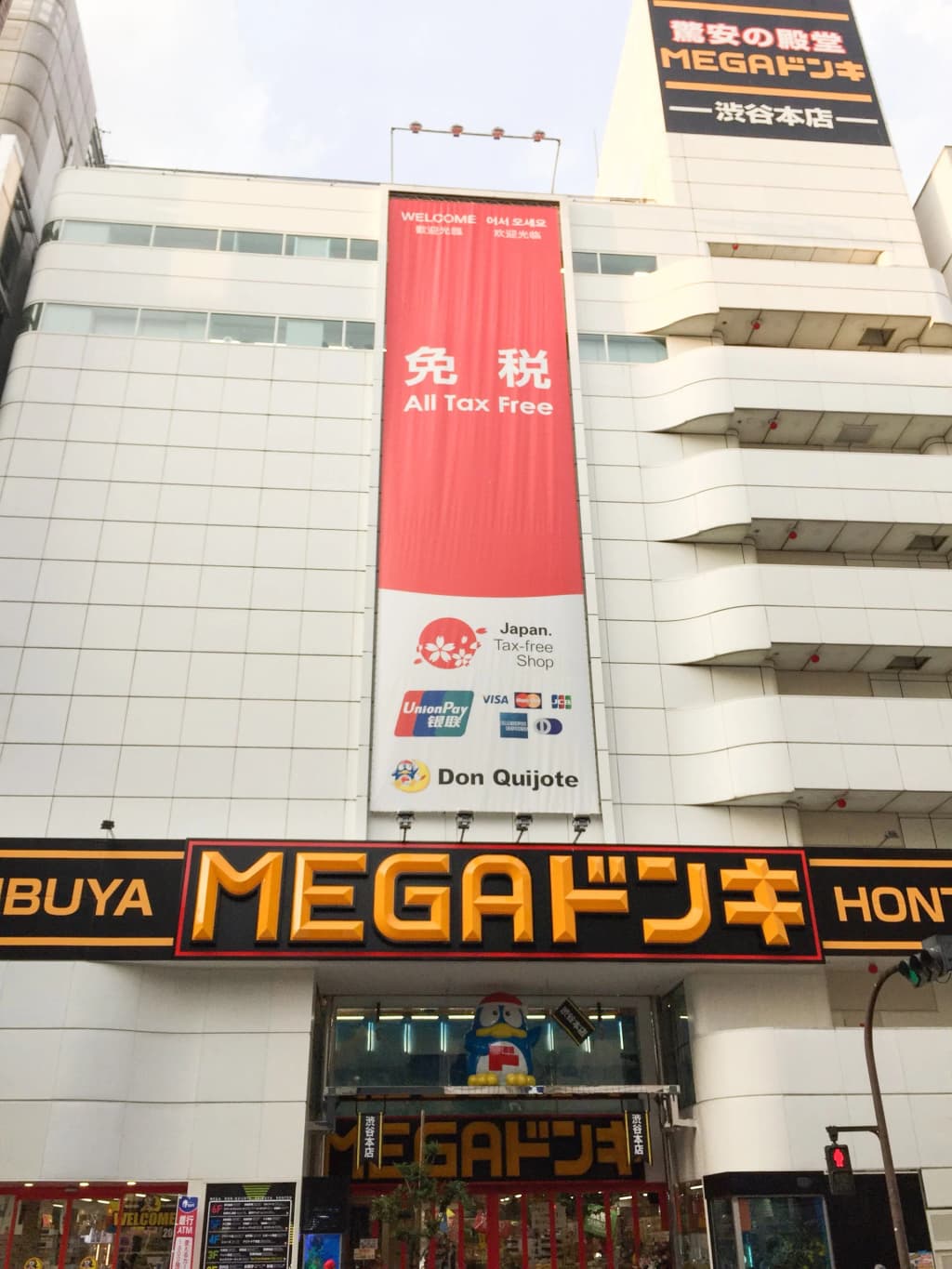
The relentless, looping jingle of the Mega Don Quijote store in Shibuya is a sensory assault, but a strangely comforting one. The air inside smells faintly of roasted sweet potatoes from the street vendor near the entrance, mixing rapidly with the sterile, perfumed scent of a thousand open cosmetic testers. I am standing in the middle of a narrow aisle, surrounded by towering, chaotic displays of honey-scented shampoos and brightly colored packages of rice face masks. The fluorescent lights buzz overhead, casting a clinical glow over the sheer volume of merchandise. The yen is sitting at a historic low right now, making the foreign passport in my pocket feel like a golden ticket. Taking advantage of the tax-free system here feels less like a bureaucratic process and more like an open invitation to explore. I pick up a massive, twenty-milliliter bottle of Rohto eye drops—a stinging, cooling necessity for contact lens wearers—and a tube of Biore UV sunscreen. They feel light in my hands, everyday plastic items that will soon carry the subtle, lingering memory of this neon-lit labyrinth back to my bathroom counter in another hemisphere. The cashier, moving with practiced, lightning speed, seals my purchases in a clear, duty-free bag that crinkles loudly as I walk back out into the cool Tokyo night.
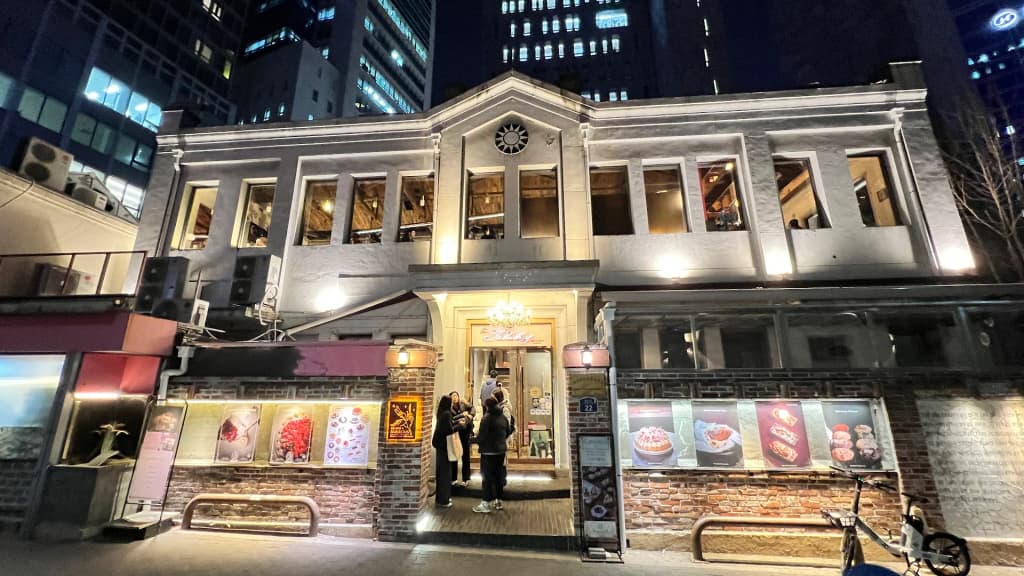
Seoul feels entirely different, functioning on a frequency that is sharp and immediate. The air in Myeongdong is biting and cold, carrying the heavy, savory scent of fried hotteok from street carts and the unmistakable aura of expensive face creams spilling out from open storefronts. Inside Olive Young, the lighting is a brilliant, clinical white that leaves no shadow untouched. It is the undisputed mecca of skincare, and the energy hums with electric purpose. Shoppers move through the aisles with intense focus, their plastic baskets overflowing with hyaluronic acid serums, snail mucin essences, and fluid cleansers. I slide a Laca lip balm across the back of my hand, watching the Almond Rose pigment catch the harsh overhead light. It smells faintly of crushed orchids, a deep, floral note that feels entirely out of place in the middle of a bustling, concrete metropolis. The beauty of shopping in South Korea is the cultural expectation of abundance. Nearly everything I pull from the shelves comes with a second bottle tucked neatly inside the box, a generous one-plus-one retail system that ensures these small, tactile memories will last long after the winter fades. The cashier hands me a handful of foil sample packets with a slight bow, adding to the weight of the paper bag swinging against my leg.
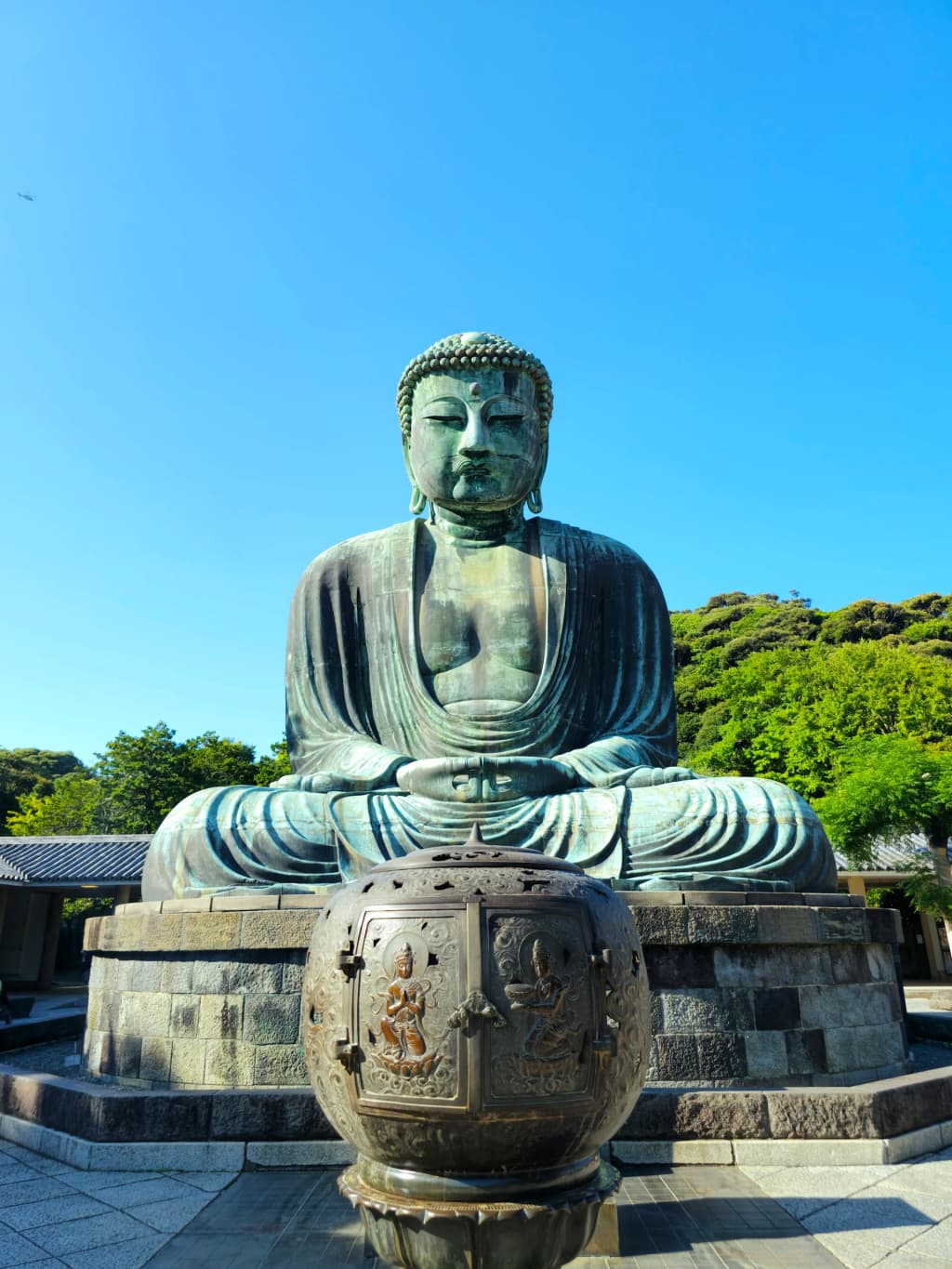
The temple grounds in Kamakura smell of damp earth and burning cedar, a thick, woody aroma that settles deep in your lungs. The transition from the hyper-consumerism of the megacities to the quiet reverence of the shrines is jarring, yet deeply necessary to ground the journey. I have come specifically to buy a goshuincho, a traditional fabric-bound book used to collect calligraphy and red stamps from different temples across the country. The air is still, broken only by the crunch of gravel beneath my boots. I hand my newly purchased book, which cost around eighteen hundred yen in crisp cash, to the calligrapher seated behind a low wooden table.
"Your first one?" he asks, his brush hovering steadily over the thick, cream-colored paper.
"Yes," I say, watching the black ink pool at the very tip of the bristles. "I wanted to start here."
He smiles, a brief crinkling around his dark eyes, and presses the heavy red stamp down with a rhythmic, satisfying thud. "Then you have a long journey ahead," he says softly, handing the open book back to me with both hands. "Keep it safe."
The ink takes a long moment to dry in the humid air, leaving behind a beautiful, sprawling record of the exact day and place I stood. As I walk away from the pavilion, I slip a small, Mount Fuji-themed hand towel into my jacket pocket. It is a practical necessity I picked up earlier in a convenience store; Japanese public restrooms rarely provide paper towels or hand dryers, leaving you to carry your own small slice of cotton to dry your hands after washing.
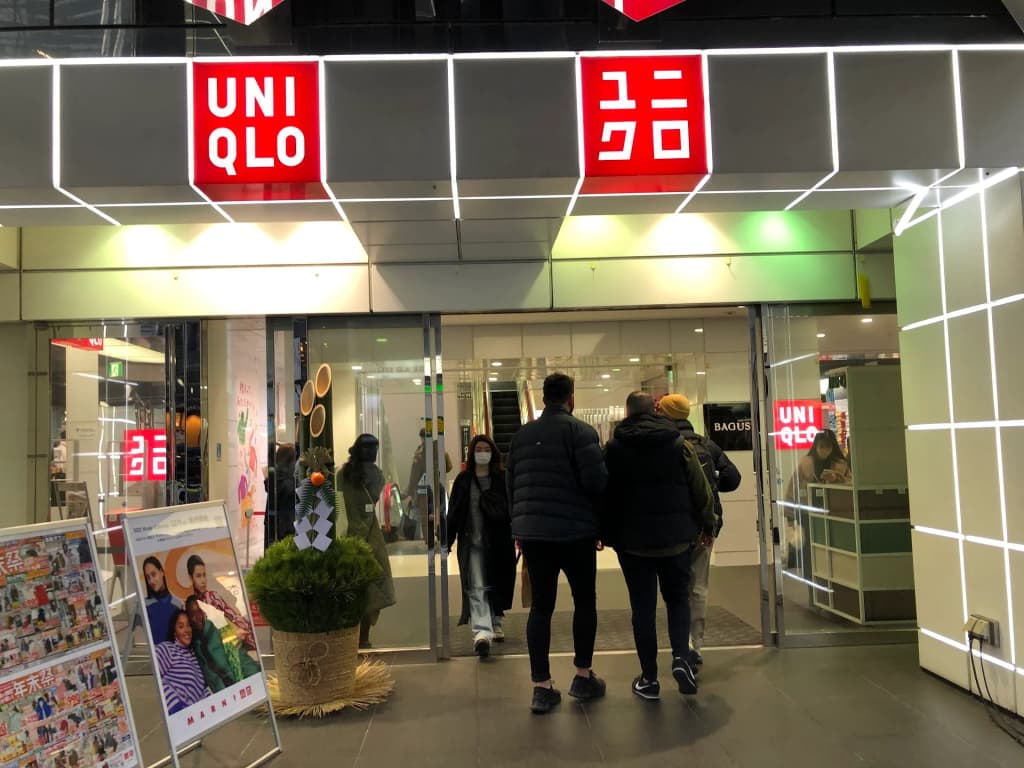
Back in the sprawling urban grid of Shibuya, the wind picks up, and I find myself seeking refuge and warmth. The towering glass facade of Uniqlo, alongside its younger, slightly more trend-focused sister brand GU, beckons from the busy street corner. Inside, the racks are a sea of quiet, functional design, a stark contrast to the chaotic visual noise of the crossing outside. I run my hands over a heavy velvet jacket, the material thick, plush, and luxurious beneath my chilled fingertips. I pair it with wide-leg velvet pants, the kind of clothing that feels less like a fashion statement and more like a warm embrace against the biting autumn wind. The prices are incredibly low compared to overseas markets, but the quality of the stitching and fabric is undeniable. I gather up basic, crisp cotton tees and a heavy graphic shirt, knowing these simple threads will soon become the daily uniform of my life back home. The self-checkout machines scan my basket instantly, a seamless interaction that leaves me back on the street in minutes, wrapped in new layers of warmth.
The sky breaks open just as I leave the brilliant white grounds of Himeji Castle, sending heavy, cold rain slicking across the ancient stone pavement. I duck into a narrow, dimly lit boutique in the covered arcade to escape the sudden downpour, shaking the water from my hair and shoulders. The shop smells of old wood and mothballs. That is when I see it. A sukajan, a traditional Japanese souvenir jacket, hanging in the warm, yellow light at the back of the store. The fabric is a rich, shimmering satin that catches the shadows. A silver dragon coils fiercely up one sleeve, its scales meticulously rendered in thread, while a golden tiger stalks across the back panel. It costs twenty thousand yen—a steep price for a sudden detour on a budget—but as I slip it on, the weight of the embroidered silk settles over my shoulders like soft armor. It is loud, unapologetic, and entirely unique. The shop owner nods approvingly from the counter, tapping his own shoulder to indicate the fit is right. I hand over my credit card, knowing this piece of clothing will carry the memory of this sudden rainstorm forever.
Travel is inherently fleeting, a collection of moments and sensations that begin to dissolve the second you board the plane home. But the things we carry back—a heavy velvet jacket, a temple stamp drying on thick cream paper, the crushed orchid scent of a lip tint, or even a new Sony camera purchased in Akihabara specifically with an international menu to document the days—become the physical anchors of our journey. They are not just souvenirs gathering dust on a shelf. They are the tangible proof that we were there, walking through the freezing rain in Himeji, listening to the relentless neon hum of Tokyo, and breathing in the sharp, cold air of Seoul. Every time I pull the embroidered jacket from my closet or smooth the pages of the stamp book, I am instantly transported back across the ocean, grounded by the weight of the world I brought home in my suitcase.
More Photos
More Adventures
 $80 - $250/day 4-7 days
 The Quiet Art of Experiencing Paris on a Budget
Discover how to experience the romance of Paris without breaking the bank, from secret bakery rituals to navigating the city's economic rhythms.
 $80 - $150/day 1-2 days
 Tokyo Disneyland: A Cultural Journey Beyond the Castle
Experience the emotional and culturally unique magic of Tokyo Disneyland. Discover exclusive rides, budget-friendly tips, and profound Japanese storytelling.
 $200 - $500/day 2-3 days
 Conquer Disneyland California: The Ultimate 2-Park Guide
Think Disneyland is just a walk in the park? Think again. Get the ultimate battle plan for dominating Disneyland and California Adventure. Skip the lines.
 $150 - $350/day 2-4 days
 The Anaheim Strategy: Where to Stay Near Disneyland on a Budget
Discover why staying at an off-property hotel within walking distance of Disneyland is the smartest strategy to save money and avoid Los Angeles traffic.