
The Sweet and Snowy Rhythms of Bariloche
Step into the heart of Bariloche, Argentina, where the scent of artisanal chocolate meets the sharp Patagonian wind. Discover ski seasons and lake beaches.
The scent of roasted cocoa and caramelized sugar wraps around you before you even push open the heavy wooden doors. Inside, the warmth is a sudden, welcome shock against the biting Patagonian chill. Behind expansive glass counters, mountains of artisanal truffles, thick slabs of nougat, and cascades of rich, dark chocolate catch the golden overhead light. This is downtown Bariloche, the undisputed National Capital of Chocolate. I stand in the middle of a sugar-scented symphony at one of the legendary shops, drifting somewhere between the delights of Mamuschka and Rapanui. Choosing to base yourself right here in the center of town means these evening walks—wandering from dimly lit steakhouses to these bustling chocolate havens entirely on foot—become an effortless, daily ritual. You don't need a map; you just follow the rich, intoxicating smells drifting through the alpine architecture.
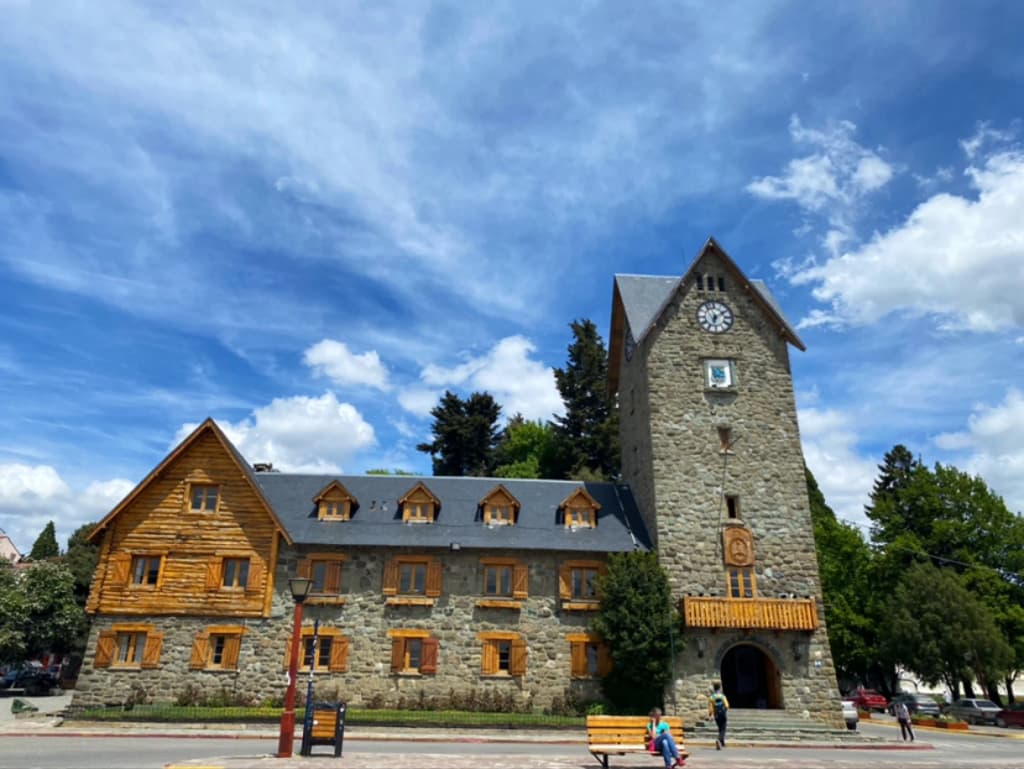
A family brushes past me as I step back out onto the cobblestones, their thick winter coats rustling loudly in the quiet evening. They are speaking a rapid-fire Portuguese that seamlessly blends with the shop cashier’s rolling Argentine Spanish. "Brasiloche," the locals call this city with a fond, knowing smile. There are so many Brazilians who journey here seeking the magic of the winter snow that a new, informal dialect has seemingly been born in these streets. Everyone speaks a fluid, cheerful Portuñol. Communication isn't a barrier here; it’s a lively bridge built on shared enthusiasm for the cold. You hear it in the cafes, on the street corners, and over the steaming cups of yerba mate passed between gloved hands. It makes the city feel less like an isolated mountain outpost and more like a warm, cosmopolitan crossroad.
The wind coming off Nahuel Huapi Lake suddenly whips down the avenue, biting at my cheeks—a sharp, icy reminder of our latitude. I make my way to a small, cluttered rental shop tucked down a side street, a place packed floor-to-ceiling with brightly colored waterproof jackets, thick pants, and rows of heavy boots smelling faintly of damp wool and waterproofing spray. The pervasive myth that you need to spend a small fortune outfitting yourself for Patagonia dissolves the moment you walk through these doors.
"You don't need to buy any of this," the man behind the counter says, tossing a pair of insulated gloves onto the worn wooden counter. He introduces himself as Mateo, his face weathered by years of high-altitude sun.
"I was worried I'd freeze up there," I admit, looking up at the towering, chaotic racks of gear.
Mateo laughs, a deep, chesty sound that reverberates in the small room. "For a handful of pesos a day, we give you the whole kit. Jacket, pants, boots. Then, if the mountain decides to hide the snow, you haven't wasted your money. You just bring it back and go eat more chocolate."
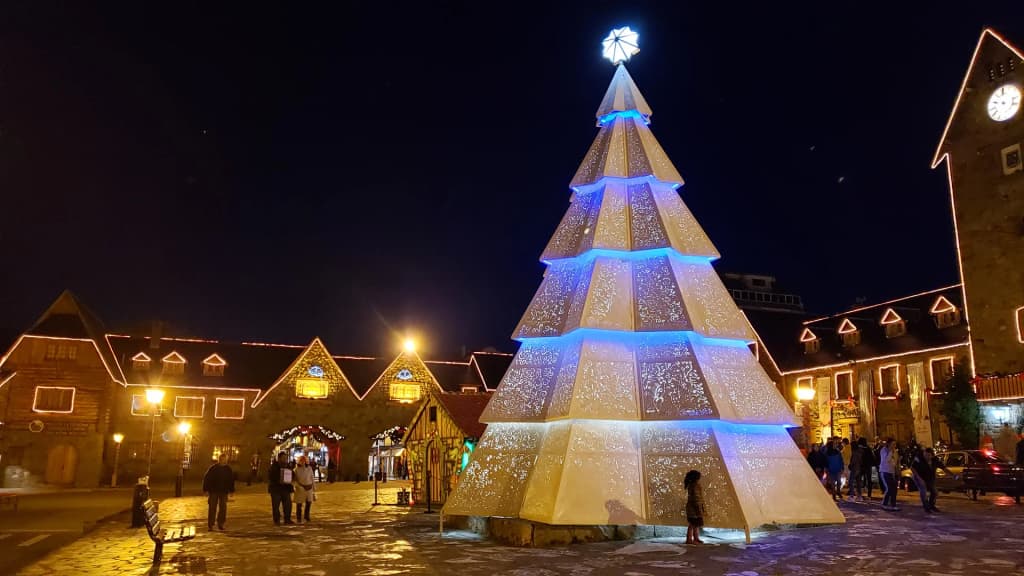
He brings up a vital, unavoidable point about life in Bariloche. The snow season officially stretches from June to September—though this year, the locals whisper, the first white flakes began dusting the jagged peaks as early as May. But the Andes are fiercely temperamental. You learn quickly that weather conditions dictate absolutely everything here. Excursions to the peaks can be canceled in an instant, thwarted either by a frustrating lack of snow or an overwhelming, blinding blizzard. And if you venture up to the slopes of Cerro Catedral without any skiing experience, booking a lesson—whether a private session or with a stumbling, laughing group of beginners—isn't just a gentle recommendation; it's the defining line between a lifelong memory and a miserable, bruising afternoon. You have to surrender your rigid itineraries to the mountain's unpredictable mood.
But Bariloche refuses to be defined solely as a winter kingdom. I walk away from the shops, heading down toward the edge of the sprawling lake, my boots crunching softly against the frosted gravel of the shoreline. The water stretches out like a sheet of dark, polished glass, perfectly mirroring the snow-capped peaks that loom in the distance. It’s hard to imagine right now, wrapped tightly in rented layers with my breath pluming in the air, but in just a few months, this very shoreline will undergo a magnificent transformation. Summer here brings an entirely different kind of magic, revealing wonderful lake beaches where the water, though always carrying a crisp glacial memory, invites eager swimmers under a blazing, endless southern sun. It’s a destination that completely reinvents itself with the turning of the earth, offering lush hiking trails and sunbathing where snowdrifts once lay.
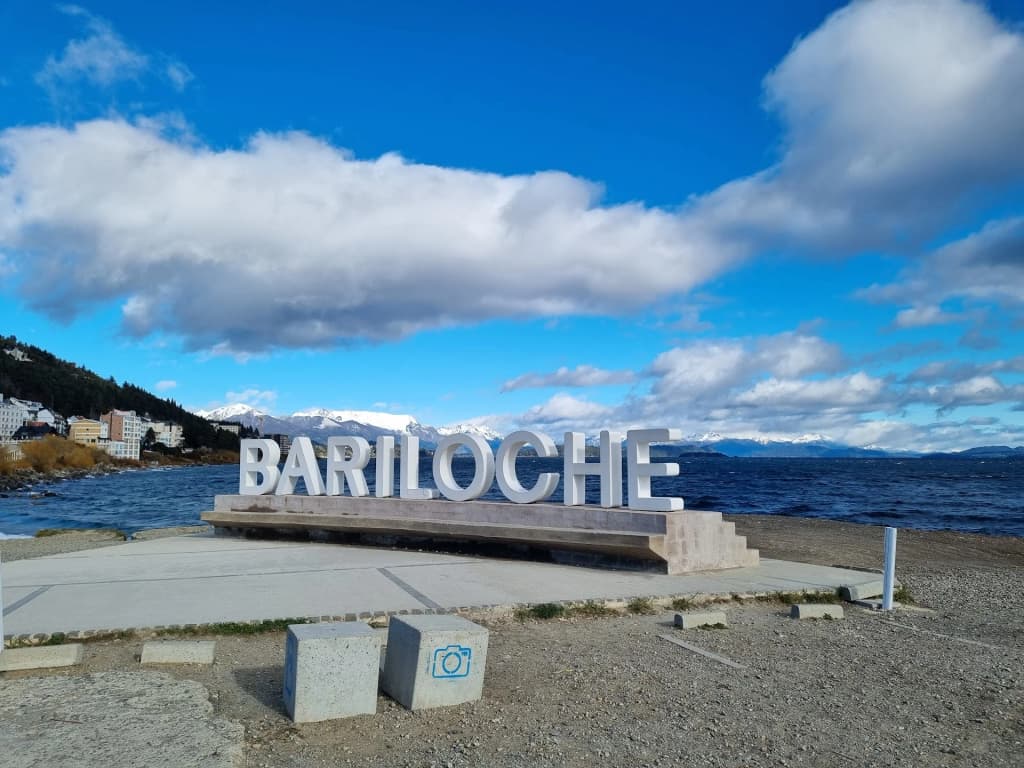
The sun finally dips below the jagged spine of the Andes, turning the vast Patagonian sky into a dramatic canvas of bruised purple and fierce, burning orange. The cold deepens immediately, settling into the bones, but it’s a clean, invigorating kind of cold that makes you feel profoundly alive. I pull my collar tighter against the rising wind, still tasting the lingering, complex sweetness of dark chocolate on my tongue, and simply listen to the distant, rhythmic hum of the city behind me. You don't just visit Bariloche; you adapt to its rhythms, its blended languages, and its dramatic seasons, finding profound warmth in the most unexpected of places.
More Photos
More Adventures
 $75 - $250/day 7-14 days
 The Ultimate Month-by-Month International Travel Guide
Stop gambling with your PTO. Discover the exact best (and worst) international destinations for every month of the year to optimize budget and weather.
 $60 - $200/day 4-7 days
 Between the Andes and the Ocean: Unraveling Santiago
Experience the striking contrasts of Santiago, Chile. Discover historic dive bars, the soaring Andes in Cajón del Maipo, and the colorful hills of Valparaíso.
 $150 - $350/day 1 days
 Conquer Disneyland Paris: 2 Parks in 1 Brutal Day
Think you can't conquer both Disneyland Paris parks in a single day? Think again. Here is the ruthless, high-energy strategy to dominate every major ride.
 $120 - $250/day 1-2 days
 Hack the Alps: Milan to St. Moritz Day Trip on a Budget
Discover how to travel from Milan to St. Moritz on a budget. Skip the Bernina Express, take the regional train, and experience the Swiss Alps like a pro.