
Exploring Taubaté: Literature, Mountains, and Heritage
Discover the cultural depth of Taubaté, Brazil. Explore Monteiro Lobato's childhood home, Italian heritage in Quiririm, and scenic mountain trails.
The sharp, salty tang of frying parmesan hits the air before you even see the cart. Under the deep, cooling shade of the trees in Praça Santa Terezinha, the evening is just beginning to settle over Taubaté. A chorus of children laughing drifts over from the playground, blending with the steady hum of traffic on the avenues circling this quiet eye of the storm. The neo-gothic facade of the centennial church looms in the background, but my attention is entirely captured by the rhythmic scraping of metal against hot steel.
"You want the little cheese, right?" the vendor asks, his hands moving with practiced efficiency as he tosses golden, crisp squares into the air.
"Is there any other way?" I reply, watching the salty crust form.
He laughs, scooping the savory parmesan into a paper bag of fresh popcorn. "Not in the Vale do Paraíba. In São Paulo they don't understand it, but here, it is the only way to eat pipoca. We don't even need to add salt."
The crunch of the fried cheese mixed with the soft kernels is a revelation, a hyper-local culinary quirk that perfectly encapsulates the spirit of this city. Taubaté is often dismissed by outsiders as merely a punchline—a city famous on the Brazilian internet for eccentric memes and viral news stories. But standing here in the plaza, surrounded by families and the smell of roasting street food, the city feels grounded, historic, and deeply alive.
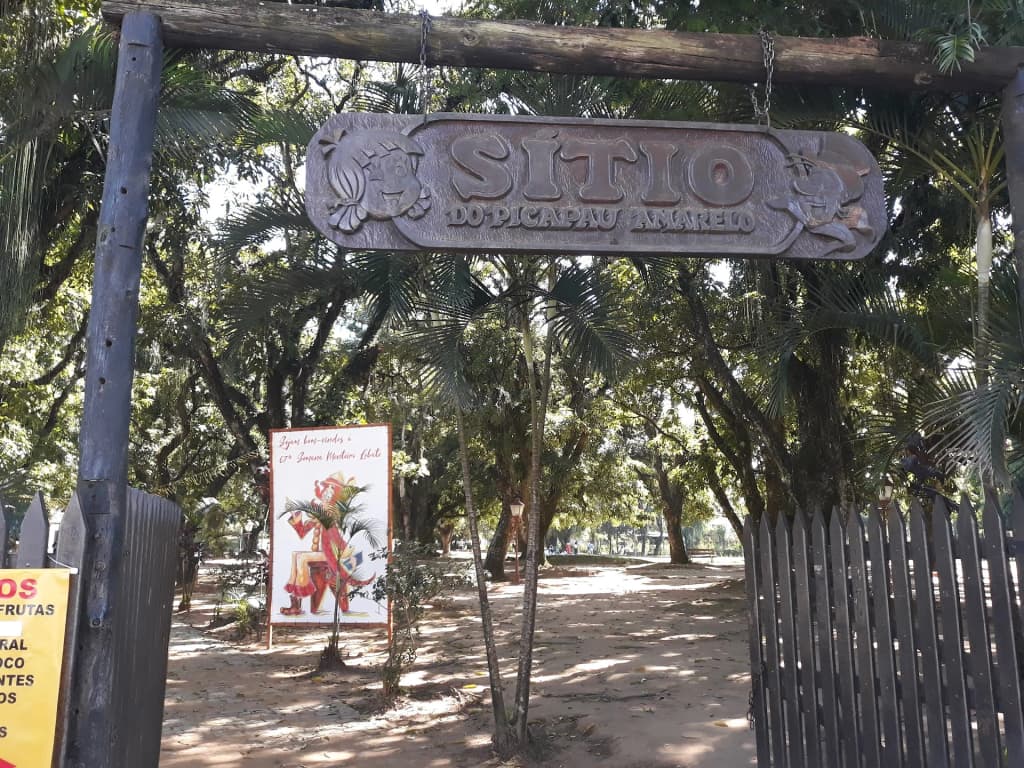
The transition from the urban center to a rural idyll happens almost instantly. Just minutes from the concrete avenues, I find myself standing on the grounds of the Sítio do Picapau Amarelo. This was once a vast coffee farm established in 1880 by the Visconde de Tremembé, but today it is a lush, green sanctuary preserved in the middle of a residential neighborhood. The air here smells of damp earth and crushed leaves.
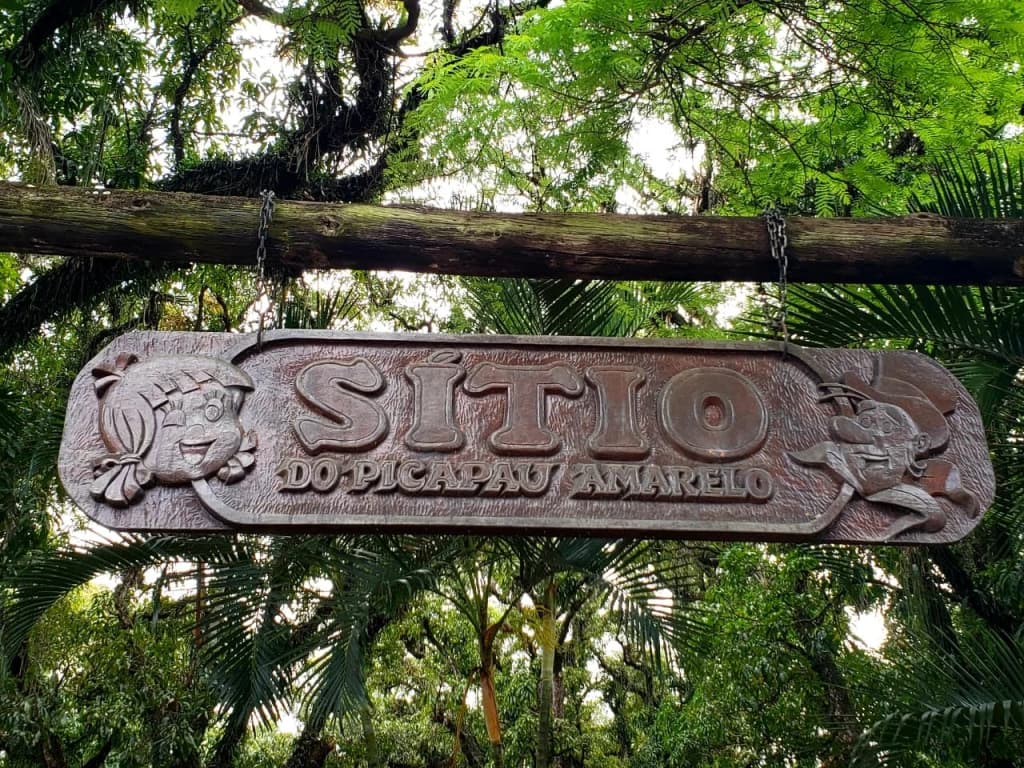
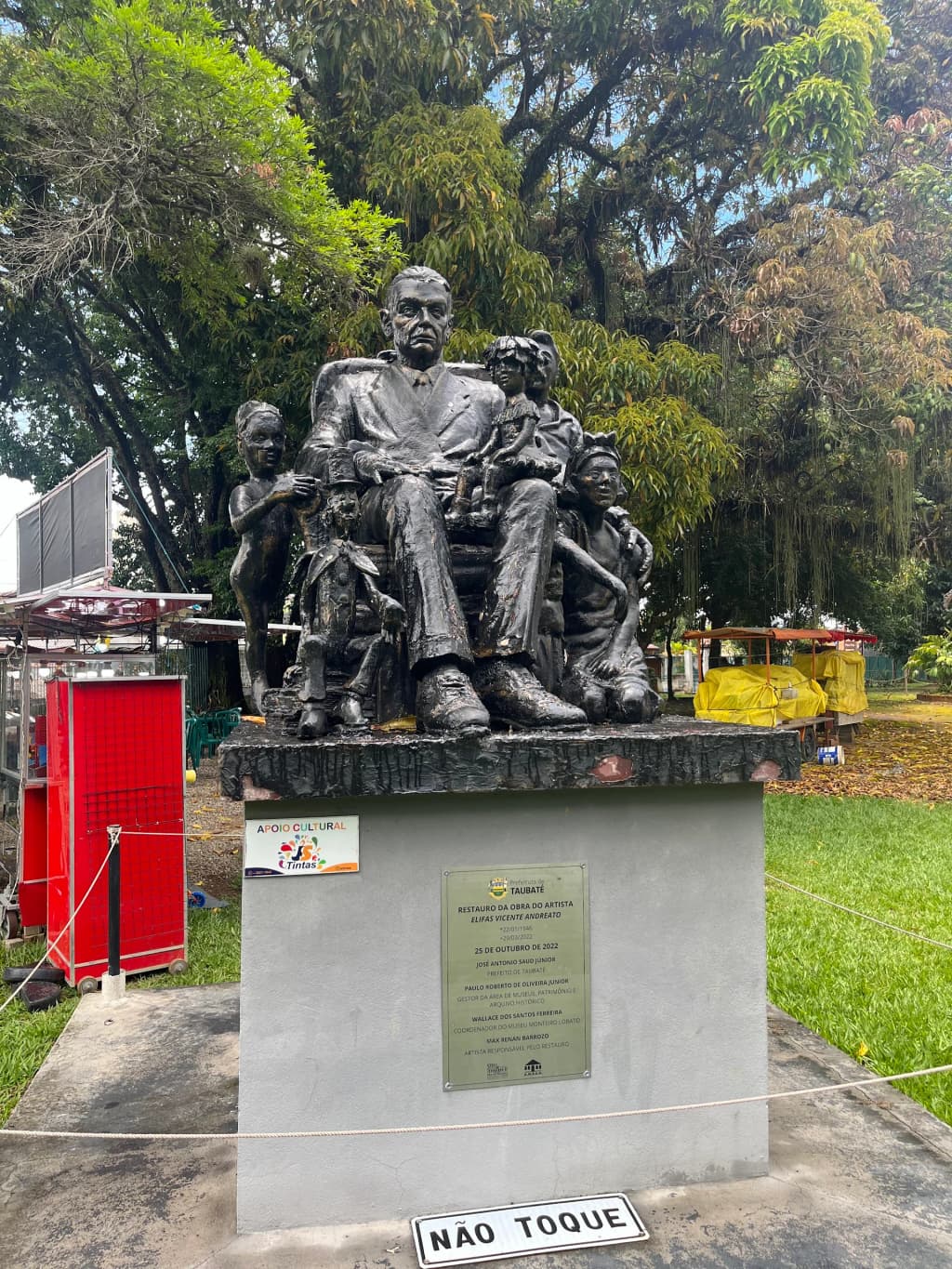
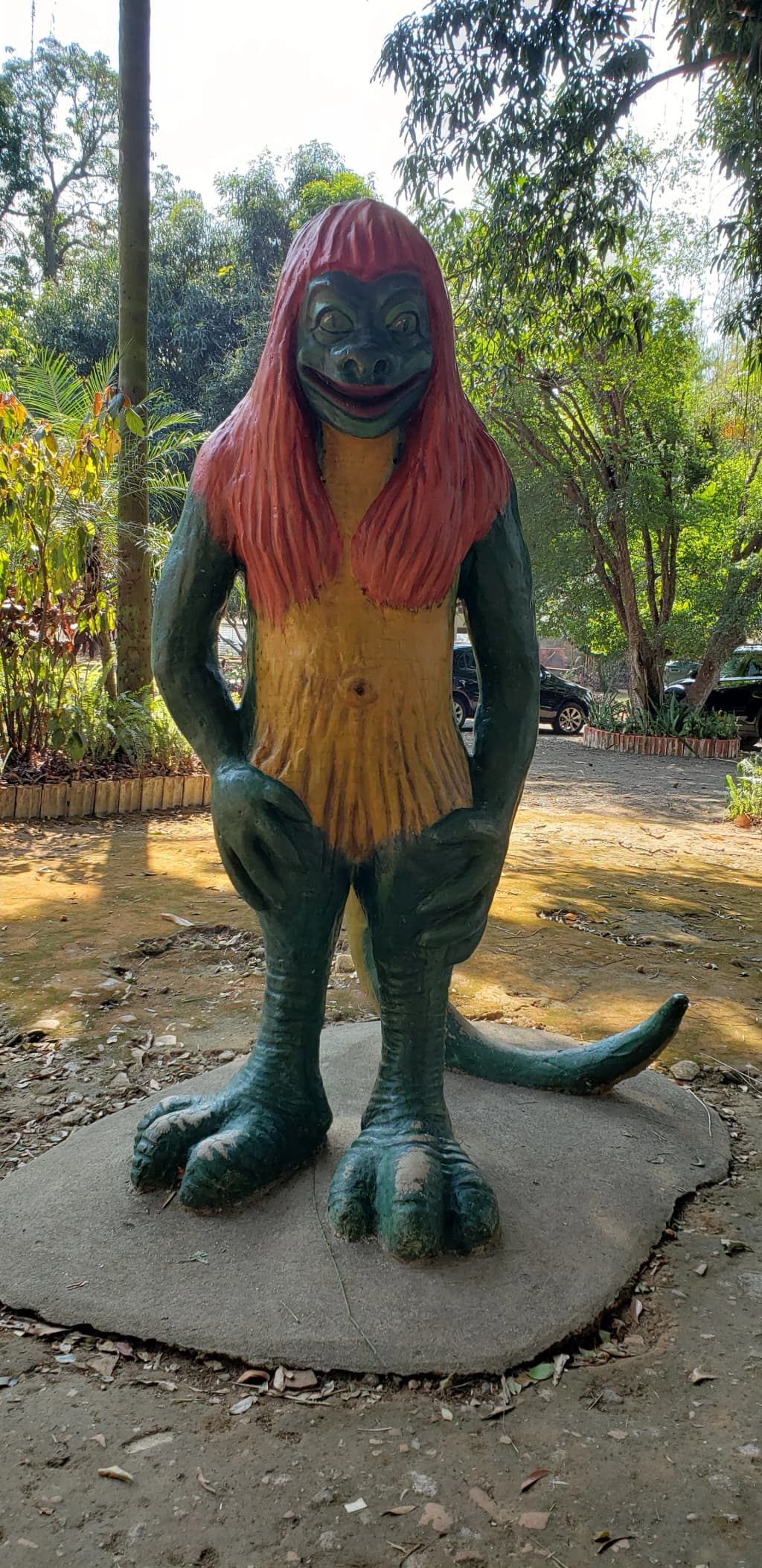
It was on this very soil that the legendary Brazilian author Monteiro Lobato was born and raised, using the farm as the primary inspiration for his iconic children's literature. Walking across the great lawn, the history feels tangible. You can enter the grounds without paying a single real, wandering past families having picnics under the canopy. I tilt my head back to take in a colossal, centennial jackfruit tree. It is so impossibly large that thick steel cables have been anchored around its branches just to keep it from collapsing under its own ancient weight. Inside the main colonial house, which now functions as a museum, the wooden floorboards creak underfoot, echoing with the memories of a literary universe that shaped generations of Brazilian childhoods. If you time your visit for the weekend, the gardens come alive with theatrical performances bringing Lobato's characters to life, though the quiet weekdays offer a more contemplative magic.
The landscape of the Paraíba Valley demands to be climbed. Leaving the city limits, the roads begin to twist upward into the mountains. My target is Pedra Branca, a rugged viewpoint straddling the borders of Taubaté, Caçapava, and Monteiro Lobato. The drive up is an adventure in itself, the asphalt eventually giving way to deeply rutted dirt tracks that force me to abandon my small car at a charming roadside stop known as Café da Banheirinha.
The cafe gets its name from a literal porcelain bathtub sitting out front. Decades ago, before the cafe existed, the farm's owner placed the tub by the road to provide water for passing horses. Today, the horses have largely been replaced by swarms of mountain bikers seeking caffeine and a slice of warm carrot cake before tackling the steep inclines. From the cafe, the hike up to the viewpoint takes about forty minutes of breathless, calf-burning effort through sticky, red mud.
The summit erases the exhaustion instantly. Standing at the edge of the stone, the wind whips across my face, carrying the cool, pine-scented air of the high altitude. The valley unfurls below like a crumpled green blanket. To the left, the jagged peaks of the Serra da Mantiqueira roll toward Campos do Jordão; to the right, the heavy, dark mass of the Serra do Mar stands between the valley and the Atlantic Ocean. It is a staggering reminder of just how strategically placed this city is, caught in the quiet basin between two massive mountain ranges.
That same geographical basin holds secrets far older than colonial farms or indigenous trails. Back in the city, I push through the glass doors of the Natural History Museum and am immediately confronted by the towering skeleton of a dinosaur. The air conditioning is a welcome reprieve from the afternoon heat, but the exhibits are what truly freeze me in my tracks.
I hadn't expected a facility of this caliber in the interior of São Paulo. The museum meticulously traces the evolution of the earth, but its true treasures are local. Encased in glass are fossils of an extinct mammal that roamed this exact valley some 25 million years ago, uniquely preserved in the sedimentary rock of the Taubaté Basin. In another hall, researchers have reconstructed the full, life-sized skeleton of a prehistoric bird based on bones found in a nearby clay extraction site. The dedication to preservation here is profound, weaving a narrative that stretches from the Jurassic period to the present day, long before any human foot stepped onto the valley floor.
Human history here, however, is just as rich. A short drive across town brings me to the Quiririm district. The name is indigenous, translating roughly to "quiet place," and despite the passage of centuries, the neighborhood honors its namesake. The streets are calm, shaded by old trees, but the architecture and the aromas drifting from the kitchens tell a distinctly European story.
In the late 19th century, waves of Italian immigrants settled in this exact spot. I wander into the local immigration museum—another beautifully curated, free public space that opens its doors daily, save for Mondays. Inside, sepia-toned photographs and worn farming tools tell the story of families who crossed an ocean to cultivate this land. The guide explains that every year, as April turns to May, these quiet streets erupt into a massive street festival celebrating that heritage, with local families setting up stalls to serve generations-old recipes of pasta and polenta. Even outside of festival season, the local cantinas serve plates of rich, slow-simmered ragu that rival anything you might find in Bixiga or Mooca in the capital.
As the afternoon wanes, I drive up toward the 23-meter-tall Cristo Redentor statue overlooking the city. Just steps away lies the Casa dos Figureiros, a humble workshop where artisans keep a 150-year-old tradition alive. Their hands expertly mold the cool, wet clay into expressive, miniature figures that depict the folklore and daily life of the valley. Their quiet, meticulous work feels like a meditation on memory.
I end the day at the Mirante da Estrada do Pinhão, a newly built wooden deck perched high above the city. The sun begins to dip behind the Mantiqueira mountains, setting the sky ablaze in bruised purples and burnt oranges. I think about my plans for the following morning—a Sunday tradition that involves heading to the bustling municipal Mercadão to eat a greasy, perfect, meat-filled pastel washed down with a cold glass of sweet laranjada.
Taubaté might have caught the modern world's attention through fleeting internet jokes, but sitting here watching the light fade over the valley, I realize the joke is on anyone who doesn't look deeper. The true soul of this city isn't found on a screen. It is baked into the clay of the figureiros, written into the pages of old children's books, fossilized in the basin rock, and served up warm in a paper bag in a centennial square.
More Photos
More Adventures
 $40 - $100/day 3-4 days
 Campos do Jordão Itinerary: Budget Guide & Hiking Logistics
Plan a practical trip to Campos do Jordão, Brazil's highest city. Get exact costs for state parks, hiking Pedra do Baú, and budget-friendly dining.
 $40 - $120/day 3-5 days
 Shadows and Gold: Walking the Living History of Ouro Preto
Wander the steep cobblestone streets of Ouro Preto, where Baroque masterpieces, subterranean gold mines, and a dynamic culinary scene breathe life into history.
 $50 - $150/day 1-2 days
 Conquer the Serra Verde Express: Brazil's Wildest Train
Ditch the tourist traps and ride the Serra Verde Express from Curitiba to Morretes. Discover ticket tips, seating secrets, and the best Barreado.
 $40 - $80/day 4-6 days
 Forget the Beaches: Why Curitiba is Brazil's Ultimate Adventure
Skip the crowded tourist traps. Discover Curitiba, Brazil's green capital, featuring gravity-defying architecture, epic train rides, and budget thrills.