
Thailand: The Price of Paradise, Measured in Baht and Sweat
A sensory breakdown of traveling Thailand on two budgets. From street food to rooftop bars, discover the real cost of 12 days in the Land of Smiles.
The sliding doors of Suvarnabhumi Airport part ways and the humidity rushes in like a physical weight. It is a heavy, wet embrace that smells of wet asphalt, orchid flowers, and distant charcoal smoke. I step out into the Bangkok afternoon, and the city is already moving at a fever pitch. Taxis in neon pink and green jostle for space, and the air vibrates with the hum of engines.
I am here to understand the cost of paradise. They say Thailand is the land of smiles, but I want to know what lies behind the transaction—whether one scrapes by on a backpacker's budget or indulges in the comforts of a four-star existence. The timing is deliberate; it is March, that sweet, breathless shoulder season. The torrential rains of the monsoon are months away, yet the peak crowds of December have thinned out, leaving the city in a state of chaotic grace.
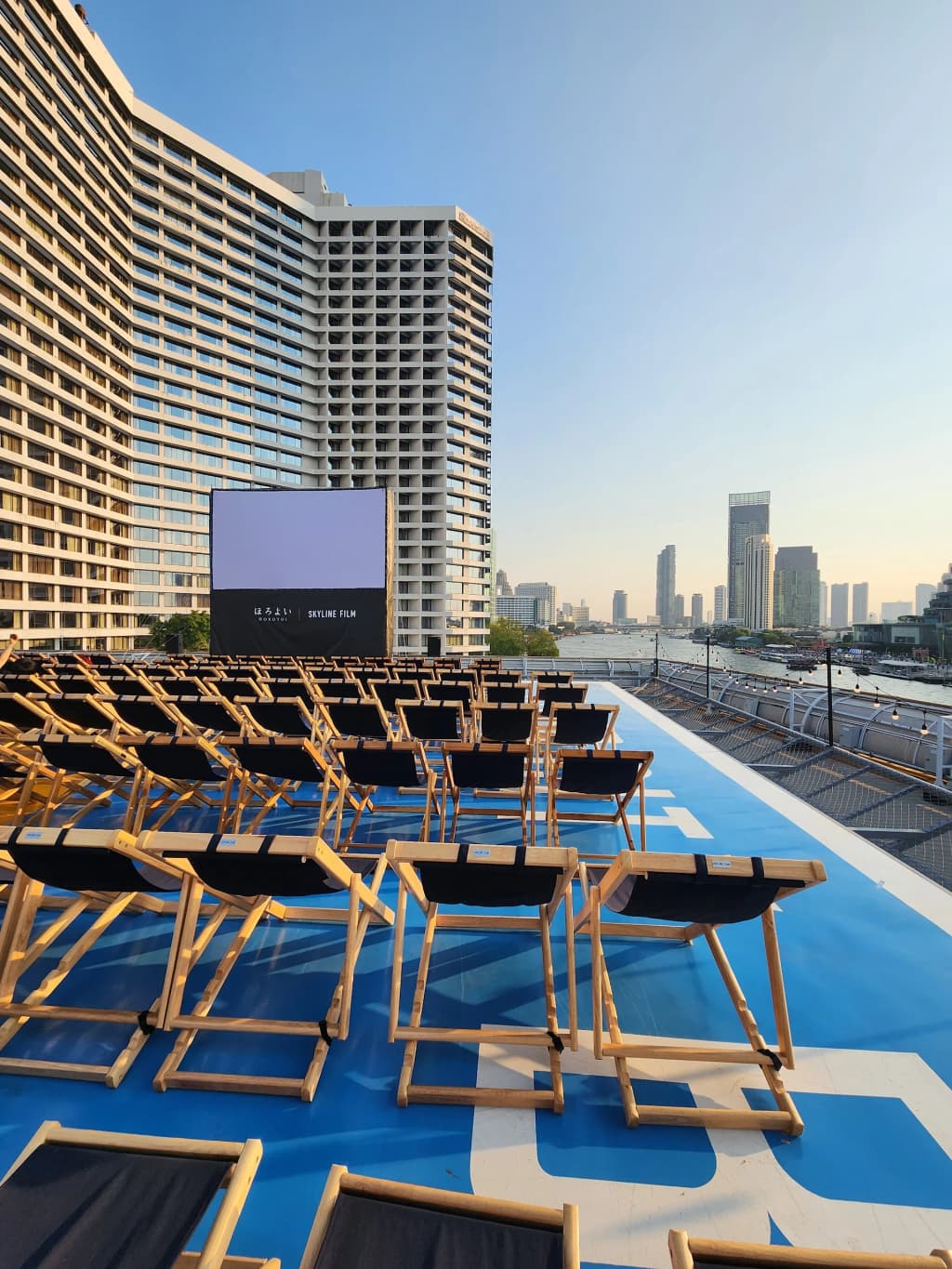
Bangkok demands you pick a lane. I find myself navigating the choice between the "Economic" path and the "Comfort" path almost immediately. The economic traveler might look at the map and see a network of buses and walking routes, sleeping in three-star hotels that, surprisingly, don't feel like compromises. For about $22 a night per person, you find clean sheets and air conditioning that battles the tropical heat valiantly.
But the allure of the "Comfort" profile is strong here. For just a little more—perhaps $36 a night—the doors open to rooftop pools and lobbies that smell of lemongrass and polished wood. I check into a room that overlooks the Chao Phraya River. The cost difference is negligible compared to Europe or the Americas, but the shift in experience is seismic. It is the difference between sleeping to recharge and sleeping to dream.
"You want tuk-tuk?" a driver calls out from the corner, his face weathered but his eyes bright.
"Not today," I say, patting my pocket where my phone holds the Grab app. "I'm walking for now."
He laughs, a dry, rasping sound. "Walking is hot, my friend. Walking is for monks and fools."
He might be right. But walking allows you to see the seams of the city, the places where the gold leaf peels away to reveal the concrete beneath.
Moving through this country requires strategy. A twelve-day itinerary—the classic route from the urban sprawl of Bangkok to the misty temples of Chiang Mai and down to the limestone karsts of the islands—can be a test of endurance or a breeze, depending on your wallet.
The economic route is a romance of the road. It involves the VIP night bus to Chiang Mai. It sounds grueling, but the seats recline into beds, and the rhythm of the highway lulls you to sleep, saving you the cost of a night's hotel. It’s efficient, in a rugged sort of way. You wake up in the north, stiff but richer for the savings.
However, I opt for the comfort of the sky. Domestic flights in Thailand are startlingly affordable if booked in advance. For the traveler who values time over grit, spending a bit more to fly from the capital to the north, and then down to the southern islands, buys you days of extra exploration. We are talking about a total transport budget of around $230 for the comfort seeker versus $120 for the bus-taker. The question isn't just about money; it's about how much of your life you want to spend in transit.
But the true soul of Thailand is in its food. In many parts of the world, eating cheaply means eating poorly. Here, it is the opposite. The street food is not just sustenance; it is a religion.
I sit on a plastic stool in a soi that is barely wide enough for a scooter. The vendor, a woman with forearms strengthened by decades of tossing woks, hands me a plate of Pad Thai. It costs less than two dollars. The noodles are chewy, the peanuts crunchy, the lime cutting through the grease with surgical precision. It is arguably better than any twenty-dollar plate I’ve had in the West.
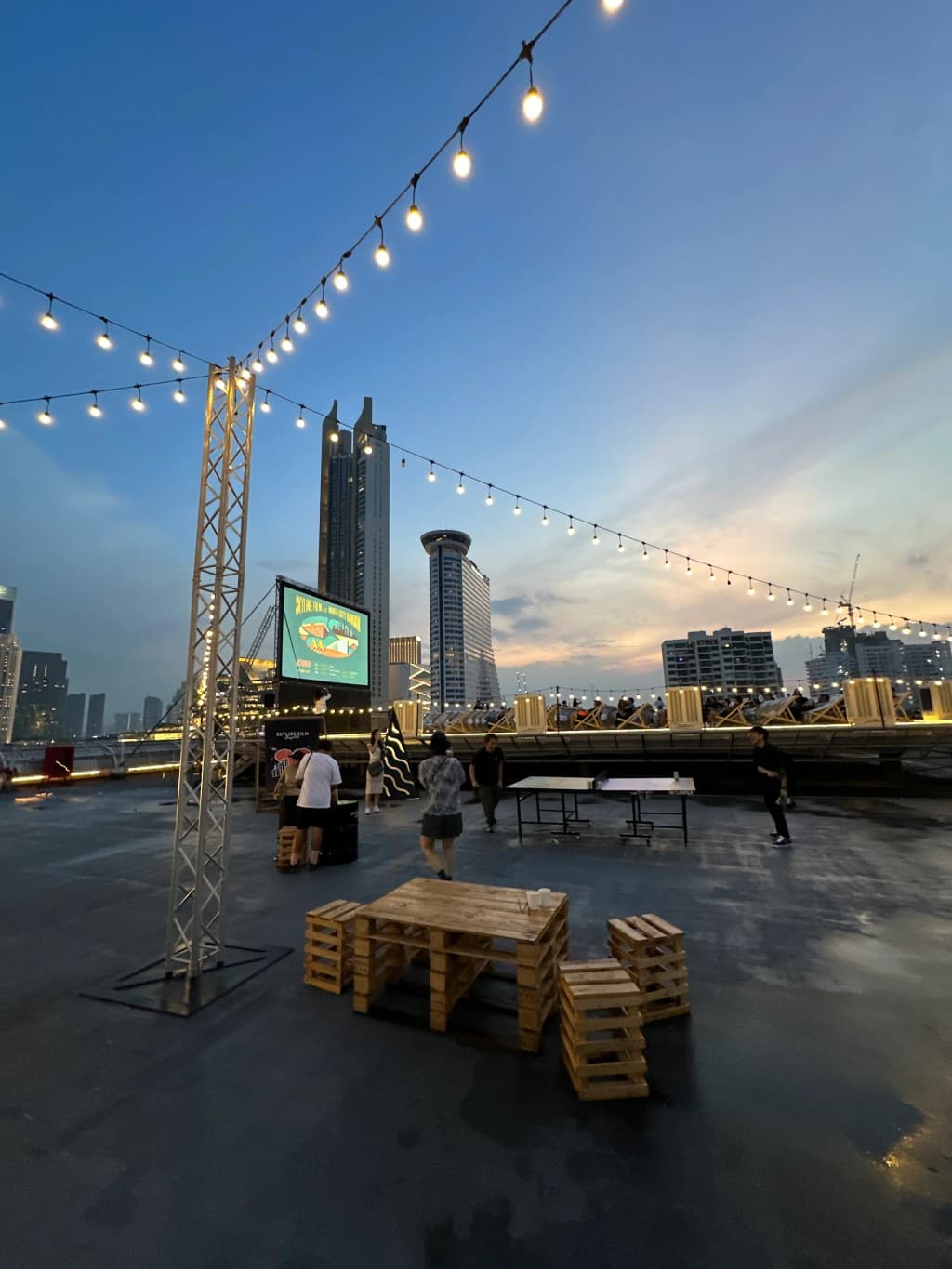
For the budget traveler, $10 a day feeds you like a king. But if you want to ascend, the rooftop bars of Bangkok offer a different kind of nourishment. A cocktail might cost as much as your entire day's food budget on the street, but you are paying for the skyline. I spend one evening watching the city glitter below me, the traffic turning into rivers of red and white light. The meal is exquisite, the service silent and attentive. A daily food budget of $25 allows for these indulgences—cafes with barista coffee, air-conditioned lunches, and dinners where the tablecloths are white linen.
The days here are filled with gold. The Grand Palace, the temples of Chiang Mai, the boat trips to the Phi Phi Islands. The economic traveler sticks to the free temples—and there are many—and chooses one major excursion, perhaps a shared boat tour to the islands. It costs around $100 for all activities combined.
But I lean into the comfort profile for the experiences. I book the ethical elephant sanctuary in Chiang Mai, where there is no riding, only feeding and observing these gentle giants in the mud. I take the speed boat instead of the slow ferry. I pay the entrance fees for the premium historical sites. The total for activities rises to about $170, but the memories feel heavier, more substantial.
"You come back?" the boatman asks me as we dock at the pier, the sun setting the Andaman Sea on fire.
"I think I have to," I reply. "I haven't seen enough."
"Thailand is big," he nods, tying off the rope. "One life is not enough."
As I pack my bags on the twelfth day, I run the numbers in my head, not on a spreadsheet. The economic traveler can do this trip—12 days of culture, food, and beaches—for roughly $1,600, including the long-haul flight if they are savvy. The traveler who chooses comfort, who flies between cities and sleeps in four-star sheets, spends closer to $2,350.
The difference is there, certainly. But in the grand scheme of travel, the gap is surprisingly narrow. Thailand remains one of the few places on earth where the upgrade to luxury is accessible, where a little extra buys you a lot of ease. Whether you come with a backpack or a suitcase, the humidity hits you the same, the Pad Thai tastes just as sweet, and the golden spires catch the same sun.
More Photos
More Adventures
 $40 - $150/day 20-30 days
 Conquer Thailand: The Ultimate 20-Day Blueprint
Skip the tourist traps. Grab your backpack. This is your high-energy, no-BS guide to dominating Thailand in 20 days. Get ready to sweat.
 $100 - $300/day 1-3 days
 Escape the Airport: Conquer Your Luanda Layover
Think a layover in Luanda means killing time at the airport? Think again. Discover the fortress, island sunsets, and the ultimate Angolan adventure.
 $33 - $50/day 14-60 days
 The Raw Truth About Budgeting for Bali
Think Bali is too expensive? Think again. Get the raw, unfiltered truth about backpacking Indonesia on a $33 daily budget. Pack your bags and ride.
 $40 - $120/day 14-30 days
 The Taste of Chili and Time Travel: Everyday Magic in Thailand
Immerse yourself in the sensory details of Thailand's deeply rooted culture, from Buddhist calendars and saffron-robed monks to street food rules.