
Tierra del Fuego: Finding Warmth at the End of the World
Experience the rugged isolation of Tierra del Fuego National Park and the surprising culinary warmth of Ushuaia in this immersive Patagonian journey.
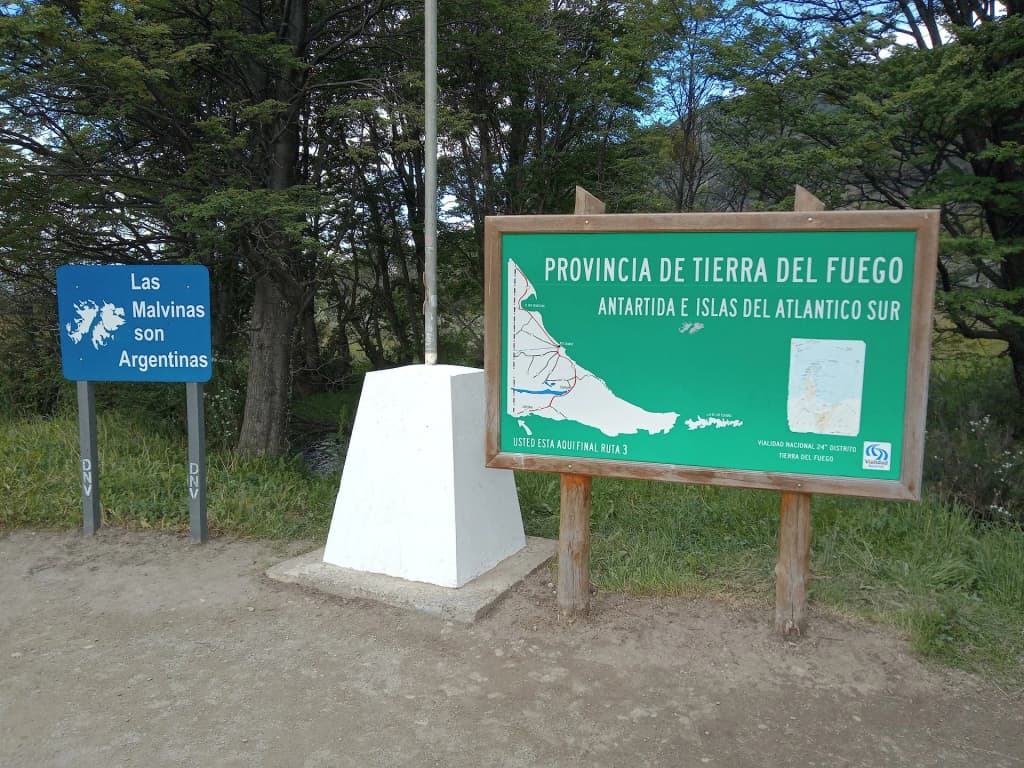
The Patagonian wind does not just blow; it searches. It finds the gaps in my wool scarf, the unzipped pocket of my jacket, the bare skin of my cheeks. Standing at the wooden viewpoint of Lapataia Bay, the cold is sharp enough that I have to take off my glasses just to wipe the tearing from my eyes. This is the literal end of the road. Ruta Nacional 3, which stretches all the way from the urban sprawl of Buenos Aires down through the vast expanse of Argentina, simply stops here at the edge of the water. Beyond this point, there is only the Beagle Channel, a scattering of remote islands, and eventually, Antarctica. The air smells of salt, crushed leaves, and the distinct, sharp purity of ice born far away.
All along this coastal edge, small wooden signs tell the story of the Yamana people, the indigenous inhabitants who survived this brutal climate long before roads existed. They built canoes from the bark of local trees and kept fires burning constantly, even on their boats. When Portuguese explorer Ferdinand Magellan sailed past in the sixteenth century, the coastline was illuminated by these countless blazes. He named it Tierra del Humo—Land of Smoke—a title that later evolved into the more poetic Tierra del Fuego. Looking out at the unforgiving, grey-blue water, it is hard to fathom the resilience required to call this wild frontier home.
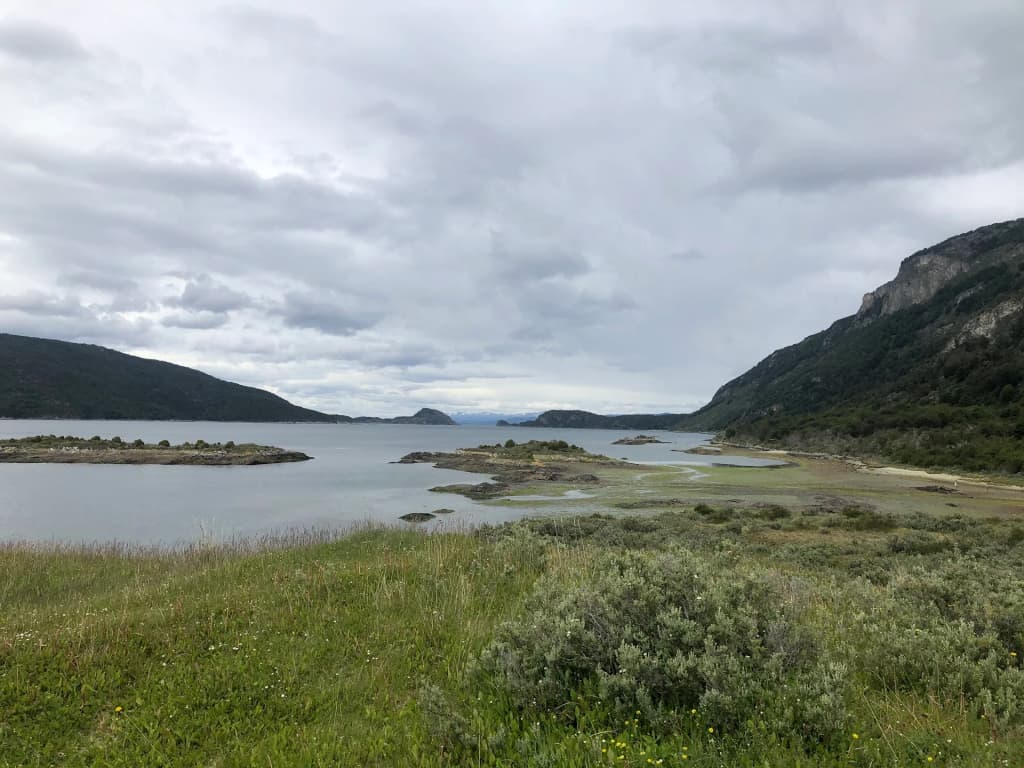
I pull my collar up and step onto the Senda de la Baliza, a narrow but well-marked trail that snakes away from the main viewpoint. The crunch of gravel beneath my boots is the only sound competing with the howling wind. The national park, established in 1960 and covering 63,000 hectares, is a rare geographical anomaly—the only place in Argentina where the mountains, the ancient forests, and the sea crash into one another. The trail eventually spills out onto a small, hidden beach. The water here is startlingly clear, lapping gently against the smooth stones. It is beautiful, yes, but isolating. You feel the heavy weight of the geography here. You are standing at the bottom of the map.
Moving inland, the landscape shifts dramatically. At Laguna Negra, the water is dark and still, reflecting the dense, tangled branches of the surrounding Lenga trees like a fragmented mirror. Further up the road at the Laguna Verde viewpoint, the heavy clouds diffuse the sunlight, muting the colors. On a clear day, I am told, this water glows with an impossible emerald hue. Even under the grey sky, there is a deep, relaxing quiet to the forest. Birds dart between the branches, their sharp calls piercing the damp, earthy scent of the woods.
By midday, the chill has settled deep into my bones, making the Alakush Visitor Center look like an oasis. Inside, the air is thick with the smell of roasting coffee and baked dough. I hand over 1,700 pesos at the counter—a modest toll for the immediate comfort of a warm, flaky medialuna and a savory vegetarian empanada. I sit by the massive glass windows, letting the heat of the pastry thaw my fingers, watching the wind continue its assault on the trees outside. It is easy to lose an entire day just driving the ten kilometers from Ushuaia and meandering through these viewpoints, but the park demands more of your energy if you are willing to give it.
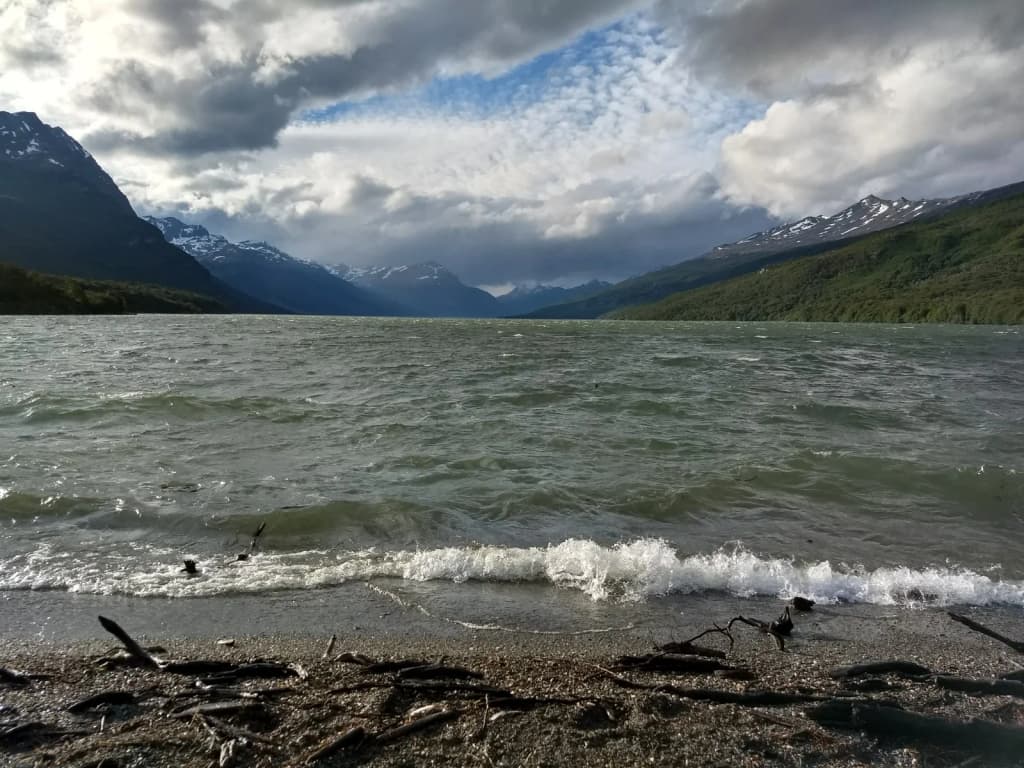
I find that energy again at Lago Acigami. The sheer scale of the place stops you in your tracks. The deep blue waters of the lake are whipped into a frenzy by the wind, whitecaps rolling aggressively toward the shore. In the background, the jagged, snow-dusted peaks of the Andes rise like a fortress. This water marks the invisible border between Argentina and Chile. To my left, a trailhead disappears into the thick brush. The wooden sign indicates a three-and-a-half-hour trek to reach the physical border limit. I walk just the first few hundred meters, feeling the soft, spongy moss beneath my boots, before the fading afternoon light reminds me of my schedule.
Just outside the official park boundaries sits a quaint, almost out-of-place wooden structure: the station for the End of the World Train. Steam billows from the antique locomotive, carrying the sharp scent of burning coal. In the spring, the train departs three times a day—9:30 AM, noon, and 3:00 PM. For 23,000 pesos in the standard tourist class, or a steeper 55,000 pesos for a premium carriage that offers warm meals and softer seats, visitors are pulled along the very tracks once laid by the inmates of Ushuaia's infamous penal colony. The prisoners were sent here to harvest timber from Mount Susana, enduring the same bitter winds I felt this morning, but without the promise of a warm hotel room waiting for them.
I bypass the train, opting instead to drive back toward civilization. As I approach the iconic Ushuaia sign perched right on the edge of the Beagle Channel, a sudden splash catches my eye. A wild beaver is gliding effortlessly through the frigid water, completely unfazed by the gathering crowds of tourists taking selfies. It is a strange, charming reminder that even as you approach the city limits, the wildness of Tierra del Fuego refuses to be fully tamed.
Inside the Ushuaia Shopping Center, the air is warm and smells faintly of damp wool and floor wax. I am here to prepare for tomorrow's hike to the Martial Glacier, and the locals have made it clear that my standard hiking boots will not survive the Patagonian mud.
"You'll ruin your own boots out there," the man at the rental shop says, sliding a pair of heavy, waterproof boots across the counter. He has the weathered, tanned face of someone who has spent a lifetime in the mountains.
"Is the mud really that bad?" I ask, tracing the thick rubber tread.
He laughs, a deep sound that seems to echo the ruggedness of the landscape outside. "It is not just mud, my friend. It is Tierra del Fuego. The earth here holds onto everything. You must respect it, or it will swallow your shoes."
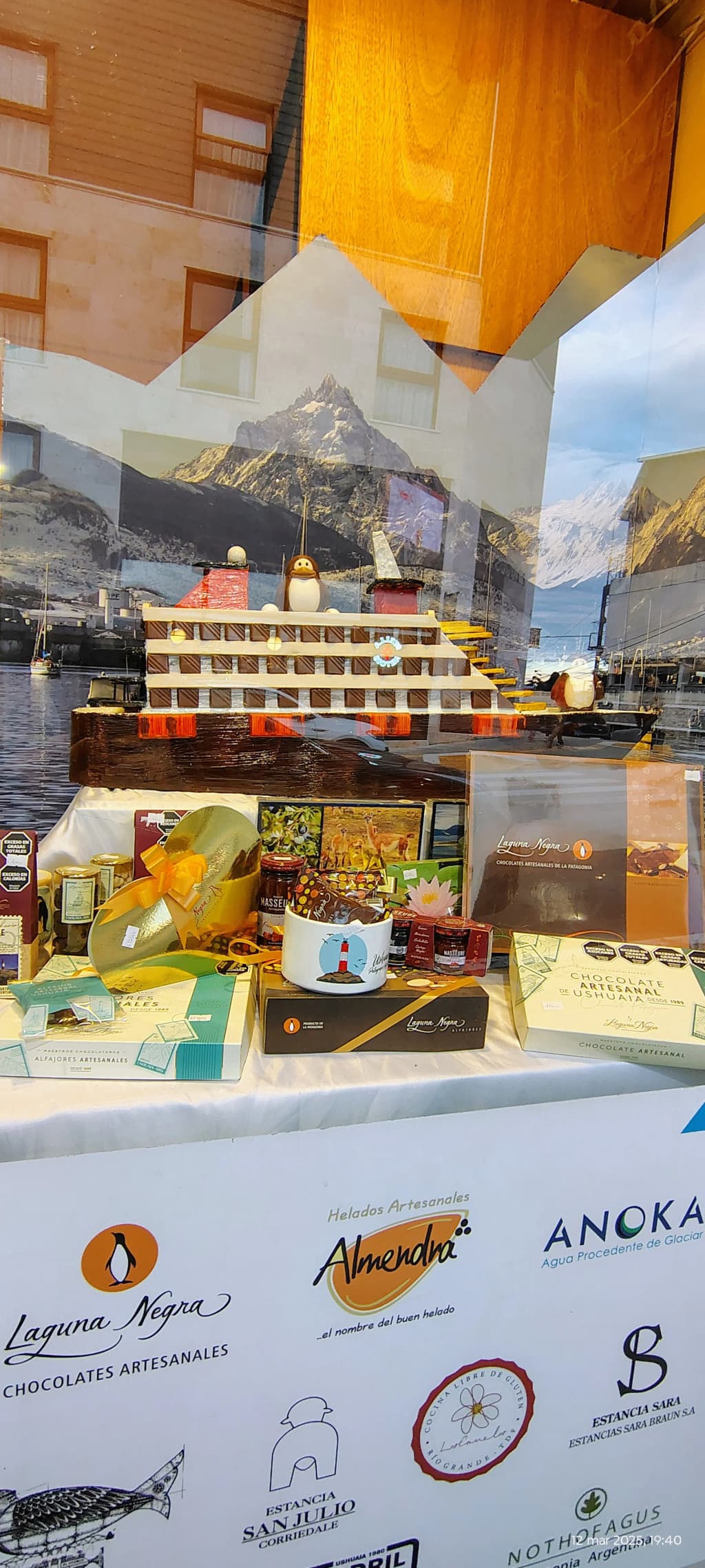
Armed with the right gear, I step out onto Avenida San Martin. The main artery of Ushuaia is a chaotic, lively mix of outdoor apparel shops, boutique hotels, and chocolatiers. The smell of melting cocoa and sweet alfajores spills out onto the sidewalk every time a shop door swings open. It is a city built for survival, yes, but also for comfort.
At seven in the evening, I push open the door to Calma Restobar. In almost any other part of the world, a seven o'clock dinner means eating under the cover of darkness. But here, in the heart of the Patagonian spring, the sun is still sitting high in the sky, casting long, golden shadows across the dining room. The daylight will linger until well past eight-thirty, stretching the evening out into a slow, relaxed twilight.
The meal is a masterclass in local ingredients. I opt for the eight-step tasting menu with wine pairings. Each dish tells a story of the region. There is the delicate, sweet meat of the local centolla—king crab pulled fresh from the freezing depths of the Beagle Channel. There is the rich, buttery melt of Patagonian toothfish, known locally as merluza negra, and the deep flavor of wild salmon. It all ends with a dark chocolate and almond crumble, cut beautifully by the bright acidity of an orange and olive oil mousse.
I sit back with the last drops of an Argentine Malbec, watching the sky outside finally begin to bruise into shades of violet and indigo. Tierra del Fuego translates to the land of fire, a name born from the survival fires of the ancients. But sitting here, full and warm, watching the last light of the day cling stubbornly to the edge of the world, I realize the fire isn't just in the history. It is in the warmth of the people, the richness of the food, and the quiet, enduring spirit of a place that thrives at the end of the map.
More Photos
More Adventures
 $150 - $300/day 3-5 days
 Conquer the Ice: A Raw Guide to Perito Moreno Glacier
Skip the tourist traps. Rent a car, brave the wild Patagonian weather, and trek across the jagged, electric-blue ice of the Perito Moreno Glacier.
 $120 - $250/day 1-2 days
 Hack the Alps: Milan to St. Moritz Day Trip on a Budget
Discover how to travel from Milan to St. Moritz on a budget. Skip the Bernina Express, take the regional train, and experience the Swiss Alps like a pro.
 $100 - $350/day 5-7 days
 Ditch Your Shoes: The Ultimate Jericoacoara Adventure Guide
Skip the tourist traps. Rent an ATV, dive into Buraco Azul, and taste the wild side of Jericoacoara. Your ultimate adventure guide to Brazil's sandy paradise.
 $50 - $150/day 3-5 days
 Misty Peaks and Wood-Fired Feasts in Visconde de Mauá
Experience the misty mountains of Visconde de Mauá, Brazil. Discover steep trails, cozy rain-lashed cabins, and the rich culinary heritage of Minas Gerais.