
Trading Concrete for Currents in Argentina's Tigre Delta
Leave the frantic pace of Buenos Aires behind and navigate the Rio de la Plata to Tigre, a labyrinth of islands where life moves at the speed of the current.
The low thrum of the ferry engine vibrates through the soles of my boots, a steady mechanical heartbeat that sets the rhythm for the morning. The wind sweeping off the Rio de la Plata carries the faint, metallic scent of diesel mixed with the earthy, ancient musk of river silt. We are pulling away from the docks of Puerto Madero, and already, the glass and steel skyscrapers of Buenos Aires are beginning to dissolve into the hazy morning sky. The boat rocks gently as we hit the open current. I find a spot on the open-air deck, letting the cool breeze bite at my cheeks while the city's frantic energy fades into the rhythmic splashing of water against the hull.
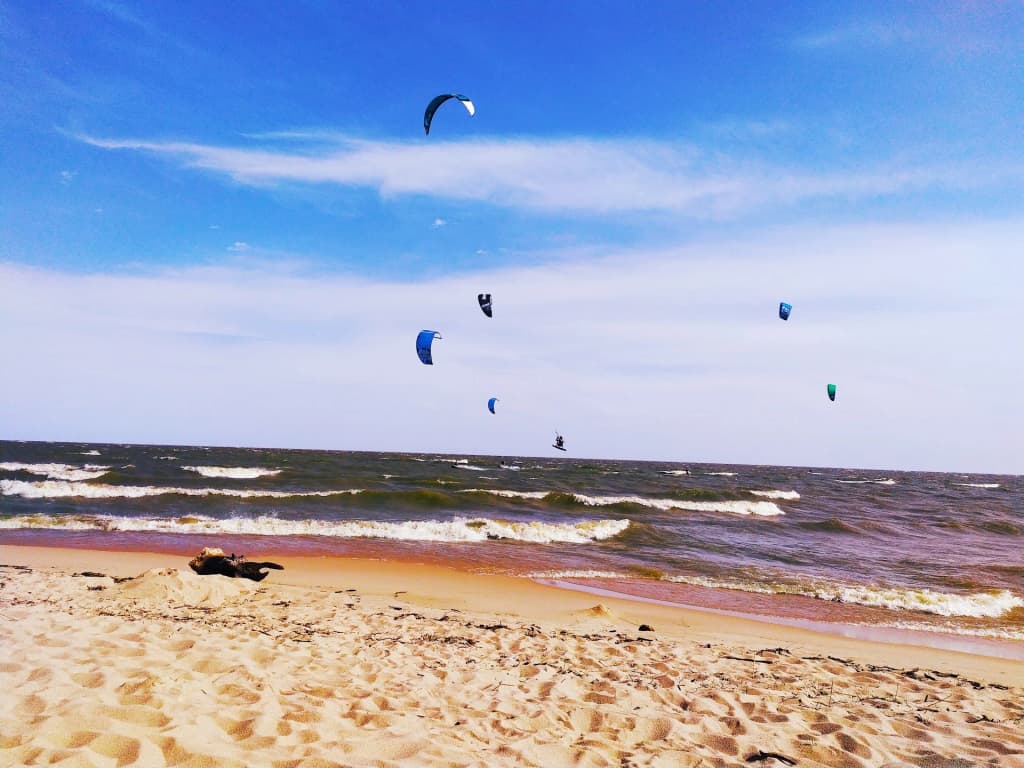
For two hours, we navigate this massive, coffee-colored estuary. The audio guide murmurs softly in my ear, weaving historical facts with local lore, but my attention is entirely captured by the shifting landscape. The concrete banks slowly surrender to wild, tangled weeping willows and dense subtropical foliage. We are only thirty kilometers from the capital, but the air feels remarkably different here—thicker, greener, decidedly slower. This is the approach to Tigre, a sprawling labyrinth of islands and streams that locals affectionately call the Venice of Argentina. The ferry ticket, purchased at the terminal just moments before boarding, feels like a remarkably cheap passport to another world, trading the grid of the metropolis for the unpredictable curves of nature.
Life here does not happen beside the river; it happens directly on it. As we glide deeper into the delta, the architecture shifts dramatically. Gone are the solid stone foundations of the city, replaced by wooden homes perched precariously on weathered stilts to survive the inevitable rising tides. Children in bright orange life jackets wait patiently on wooden docks for the yellow boat that serves as their morning school bus. A floating grocery store chugs past us, its deck piled high with crates of citrus and fresh bread, the smell of yeast trailing in its wake.
"This water is our highway," a deckhand tells me as he secures a thick, salt-crusted rope, noticing my fascination with the passing boats.
"Does it ever feel isolating?" I ask, leaning against the damp metal railing.
He laughs, a deep, raspy sound that competes with the rumble of the engine. "Never. The river connects us. In the city, you don't know your neighbor. Here, you know everyone's boat engine by sound."
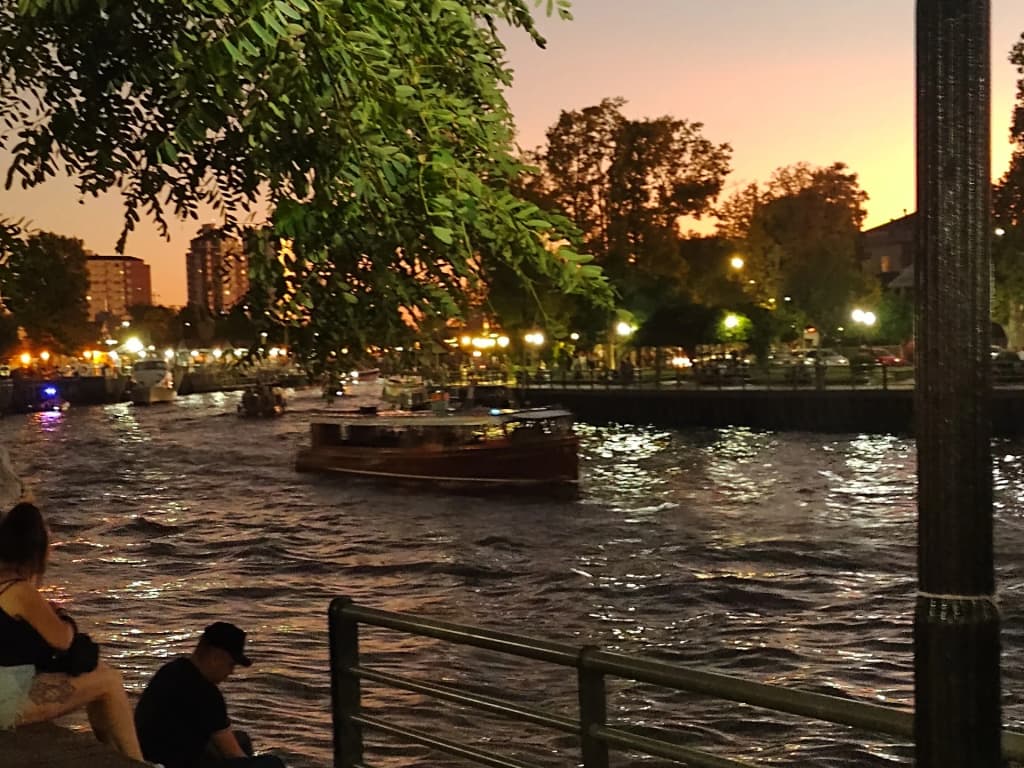
Stepping off the boat in Tigre, the solid ground feels strangely rigid after hours on the swaying deck. The town itself is a fascinating juxtaposition of untamed nature and imported elegance. I make my way toward the Museo de Arte de Tigre, timing my walk just as the heavy wooden doors are unlocked for the morning. You see it before you reach it—a magnificent, sprawling Belle Époque palace standing in stark defiance of the muddy river and encroaching jungle. The modest entry fee feels insignificant the moment I step inside. The grand architecture, a relic of the roaring twenties when this was a playground for the Argentine elite, feels almost surreal here. Inside, the cool, echoing halls offer a quiet refuge from the humid delta air, the walls lined with masterpieces that capture the very landscape I just traversed.
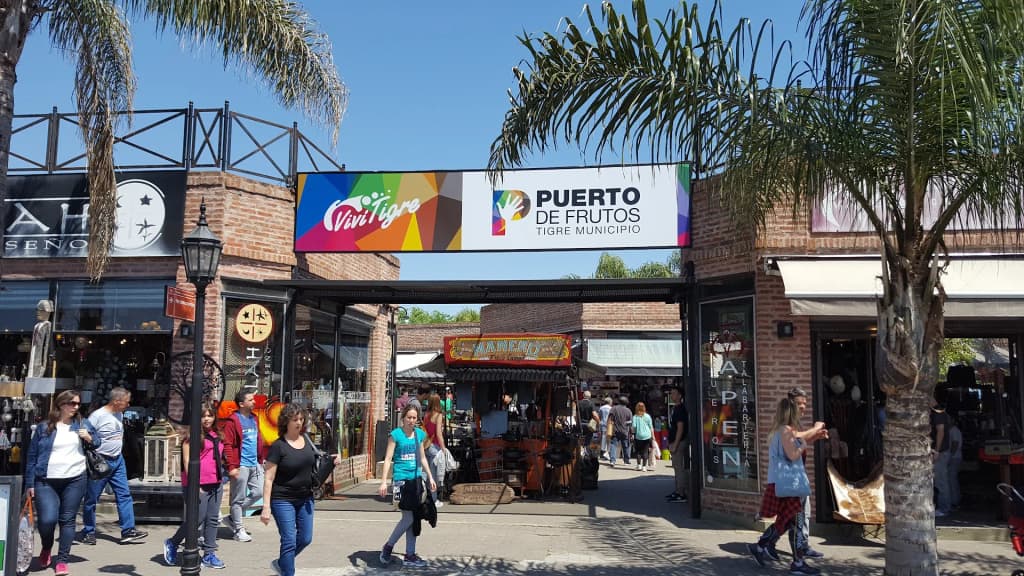
But the true heartbeat of Tigre isn't found in its palaces; it's found in the chaotic, sensory aisles of the Puerto de Frutos. The market hits you the moment you step under its corrugated tin roofs. The scent of roasted meats and caramelized sugar hangs heavy in the air, mingling with the sharp, woody aroma of freshly cut timber and woven wicker. Stalls overflow with handmade crafts, brightly painted ceramics, and rustic furniture, creating a maze of textures and colors.
I pause at a stall piled high with intricate wicker baskets, running my hand over the smooth, tightly woven reeds. An older woman with deep laugh lines is weaving a new piece in the corner, her hands moving with practiced, rhythmic speed.
"It takes three days to finish one that size," she says, without breaking her concentration.
"It's beautiful," I tell her, picking up a smaller, honey-colored basket. "The wood smells incredible."
"Pecan," she nods, finally looking up with a warm smile. "Grown right here on the islands. You take the delta home with you."
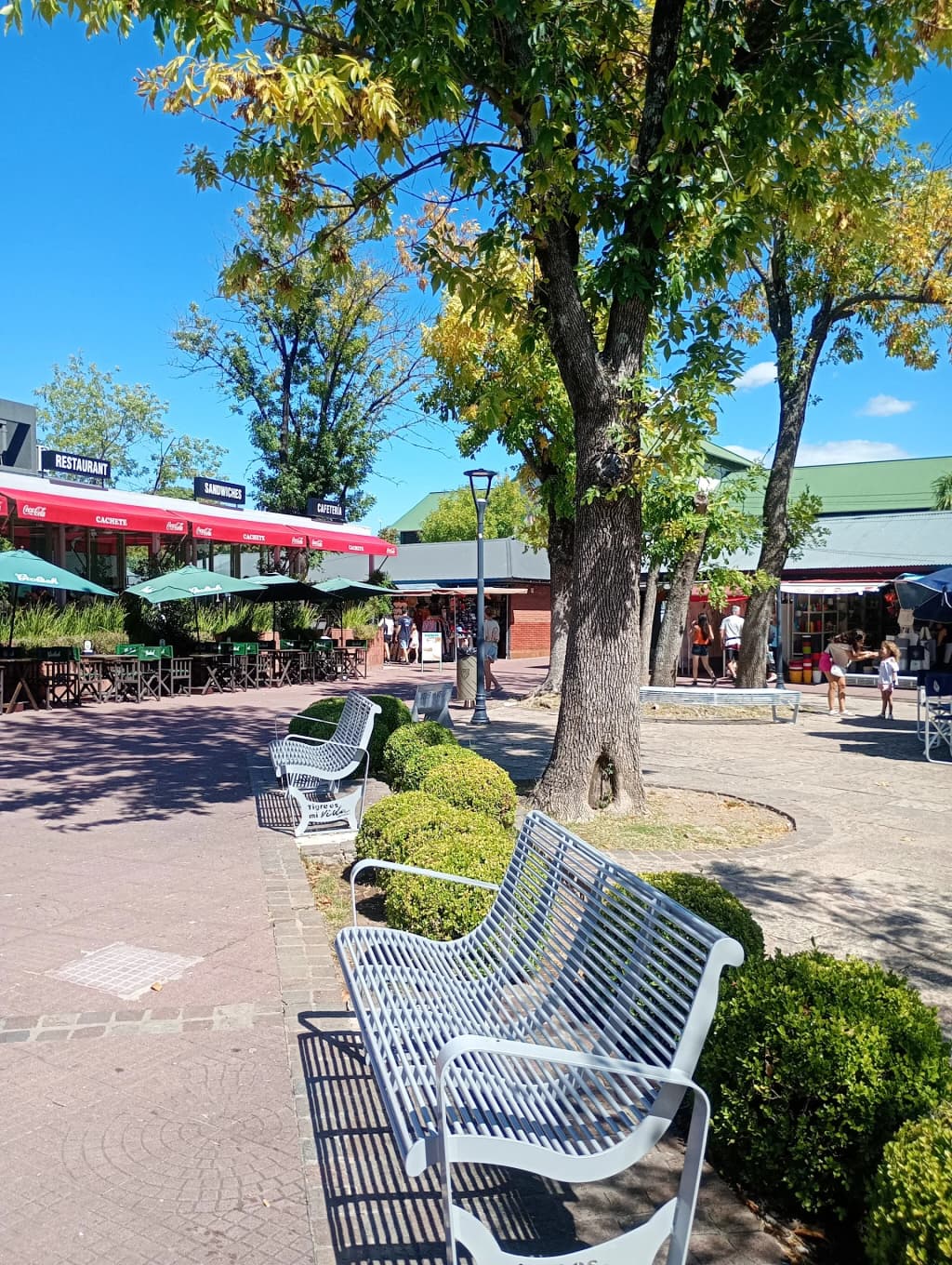
I buy the basket, along with a warm, flaky empanada that burns my fingers in the best possible way. I find a quiet wooden bench near the water's edge to eat. The river flows past, thick and unhurried, carrying fallen leaves and the distant echoes of boat motors. In Buenos Aires, time is measured by traffic lights and subway schedules. Here, time is measured by the tides and the slow, steady current of the Rio de la Plata. I watch a small wooden skiff disappear around a bend in the river, slipping into the green maze, and realize that the deckhand was right. The river doesn't isolate this place; it is the very blood that keeps it alive.
More Photos
More Adventures
 $200 - $500/day 2-3 days
 Conquer Disneyland California: The Ultimate 2-Park Guide
Think Disneyland is just a walk in the park? Think again. Get the ultimate battle plan for dominating Disneyland and California Adventure. Skip the lines.
 $150 - $350/day 1 days
 Conquer Disneyland Paris: 2 Parks in 1 Brutal Day
Think you can't conquer both Disneyland Paris parks in a single day? Think again. Here is the ruthless, high-energy strategy to dominate every major ride.
 $80 - $250/day 4-7 days
 The Quiet Art of Experiencing Paris on a Budget
Discover how to experience the romance of Paris without breaking the bank, from secret bakery rituals to navigating the city's economic rhythms.
 $120 - $350/day 2-3 days
 Disneyland Paris Strategy: Ride Hacks & Coaster Secrets
Think you know Disney? Think again. Discover the underground secrets, massive coasters, and insider hacks to conquer Disneyland Paris like a pro.