
Turkish Airlines Business Class: Dining on History at 30,000 Feet
A sensory journey from Istanbul to São Paulo on Turkish Airlines, featuring candlelight dining, ancient Anatolian bread, and the rare luxury of true rest.
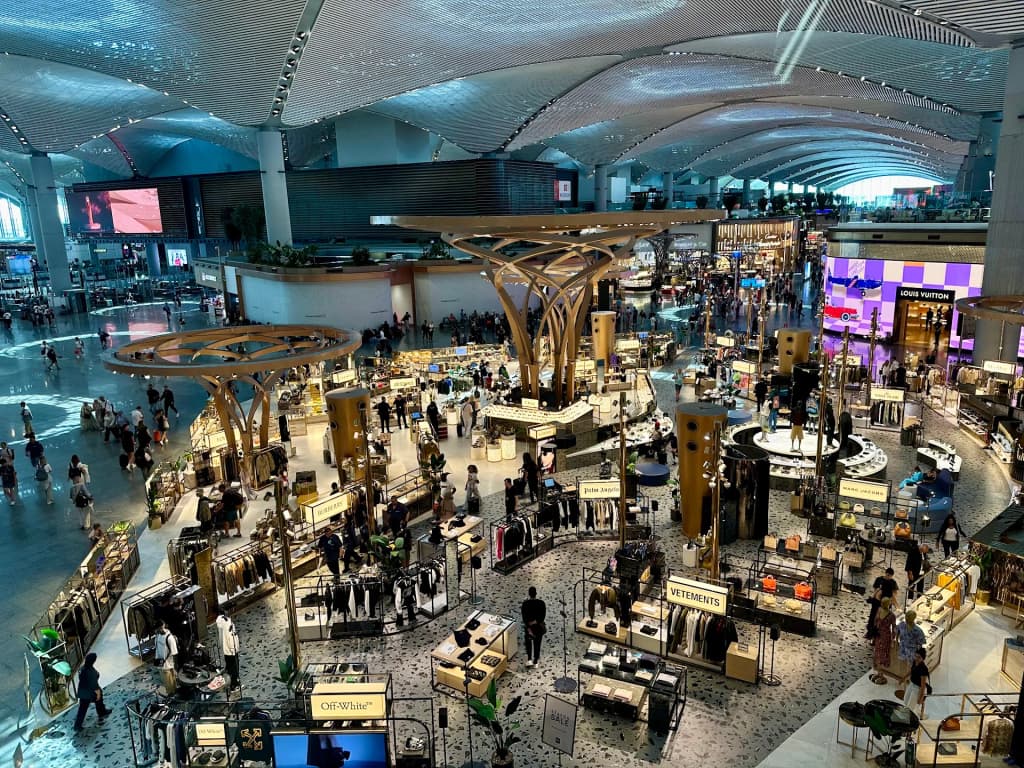
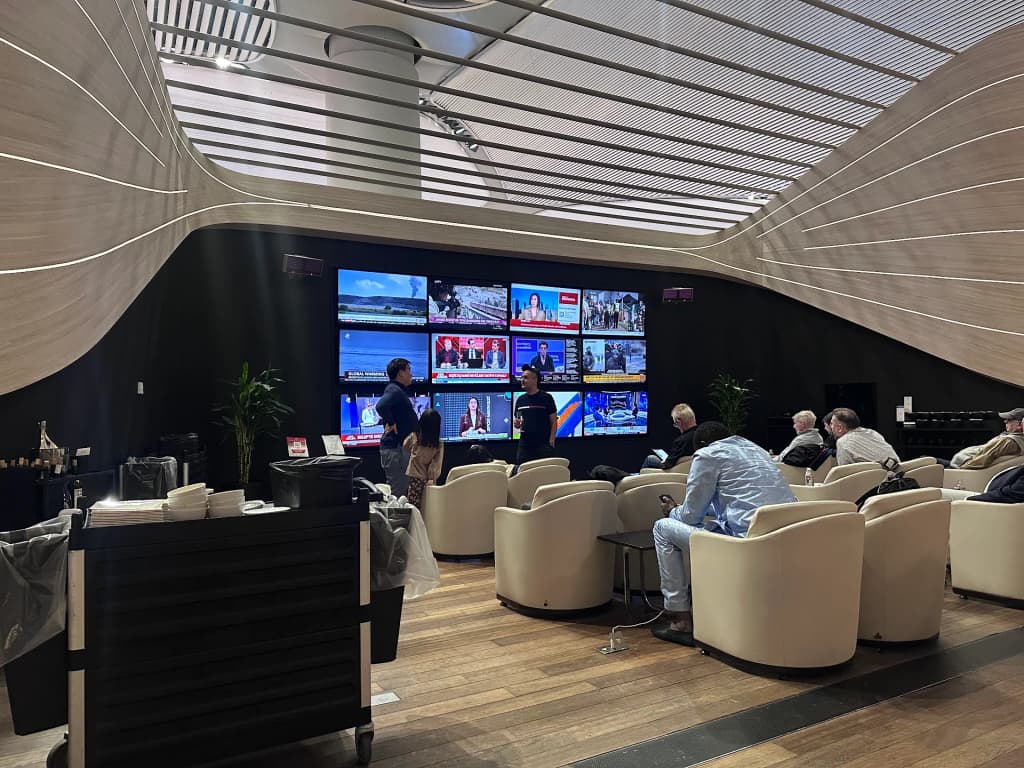
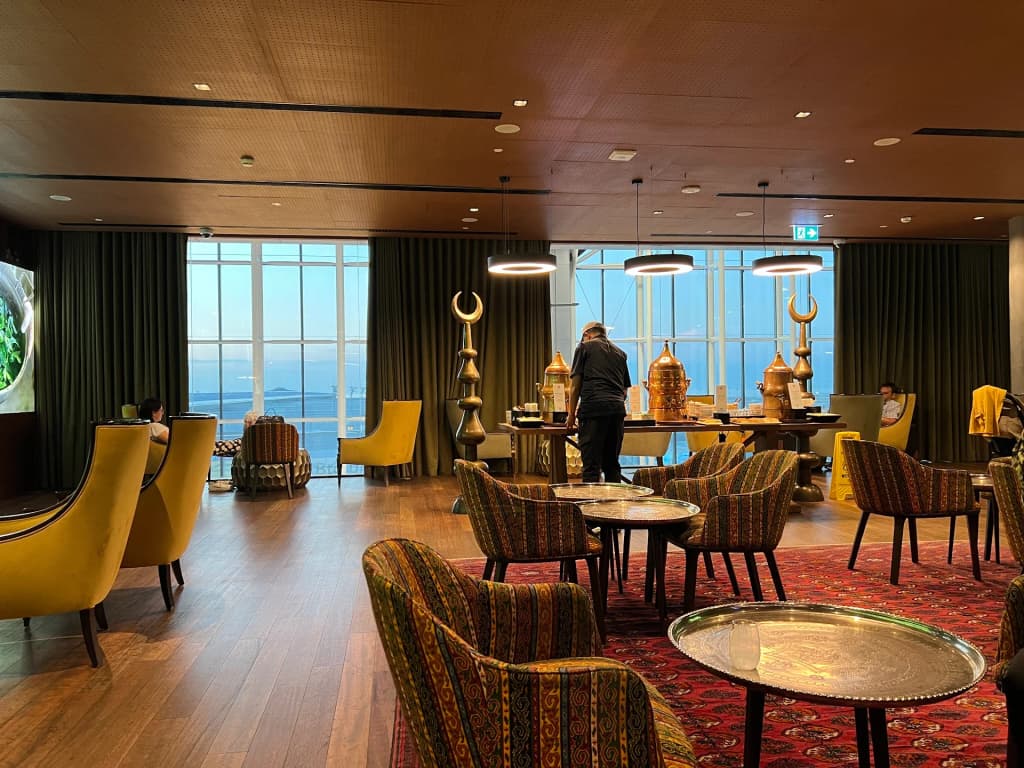
The sheer number of buttons arrests me first. I sink into the charcoal-grey seat, and for a moment, the paralysis of choice takes over. There are controls to my left, controls to my right, and a screen so large it feels less like an airplane monitor and more like a private cinema. The cabin hums with a soft, sophisticated energy, a stark silence compared to the frenetic echo of the Istanbul terminal I just left behind.
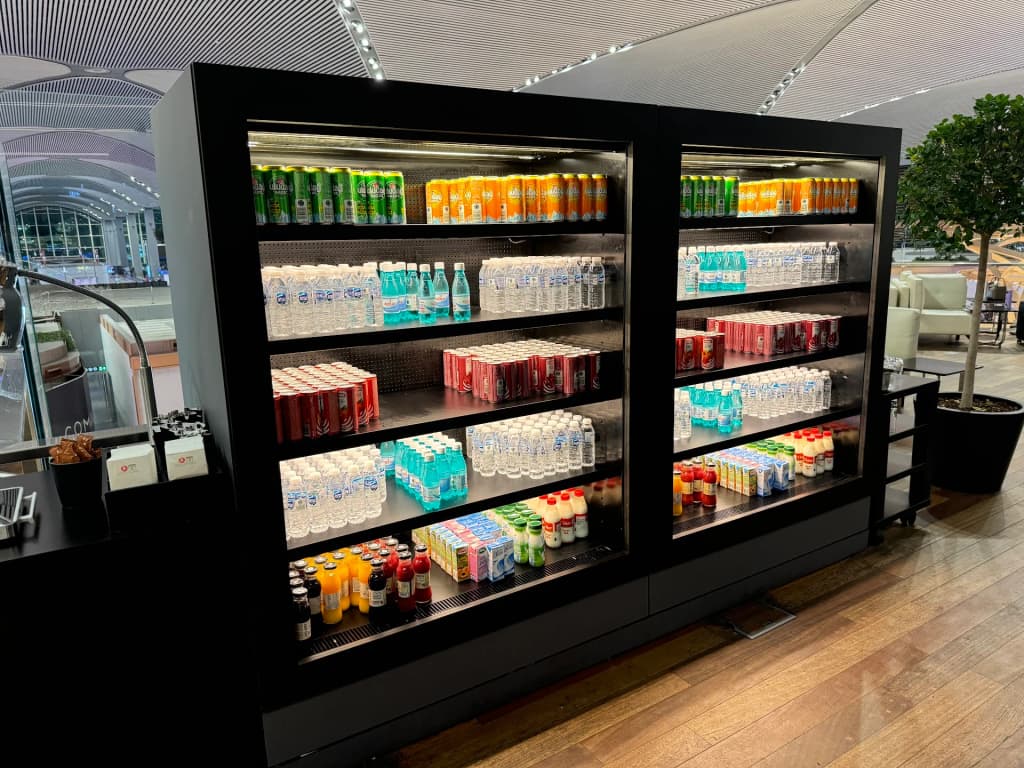
I am flying home to São Paulo, a thirteen-hour journey that usually tests the limits of my endurance. But today, the air feels different. I stretch my legs—fully stretch them—and my feet don't even graze the ottoman. A flight attendant drifts by with a tray of welcome drinks. I reach for the raspberry; it tastes like crushed summer fruit, tart and sweet, grounding me immediately in the space.
Exploration becomes my first activity. I start opening compartments like a curious child. To my side, a storage bin deep enough for my laptop sits ready, complete with a lock code for security. But it's the smaller details that charm me. I find a hook for my hoodie, keeping it off the floor, and a hidden mirror that slides out for a quick check.
Then there are the slippers. In economy, I dread the inevitable swelling of feet after crossing the Atlantic. Here, they provide thick, plush slippers that feel like walking on clouds. I kick off my sneakers immediately. The liberation is instant. I slide the heavy noise-canceling headphones over my ears, and the world goes silent. It’s just me and this cocoon of personal space.
A stewardess hands me a pouch—a chic designer kit by Lanvin. It feels heavy, substantial. Inside, I don't just find the standard toothbrush; there are socks with rubber grips for walking the aisle, a high-quality eye mask, and lip balm that smells faintly of vanilla. It feels less like an airline amenity and more like a gift from a thoughtful friend.
"You look ready for dinner," a man says, pausing at my aisle. He isn't wearing the standard uniform; he's dressed in chef's whites, complete with a tall toque.
"I think I am," I reply, accepting the menu he offers. "I've heard rumors about the bread."
He smiles, a genuine expression that crinkles the corners of his eyes. "It is special," he says, leaning in slightly. "We serve it warm."
He isn't lying. When the service begins, the tray is laid out with a precision that rivals a bistro in Beyoğlu. There is a tiny, flickering faux candle—a small touch that adds an absurd amount of warmth to the sterile environment of a pressurized tube. Beside it sit miniature shakers of salt and pepper and a tiny bottle of olive oil.
But the bread is the centerpiece. The menu explains it’s made from 12,000-year-old wheat strains from the Anatolian region—a grain harvested by some of the earliest civilizations. I tear off a piece. It tastes earthy, rich, and deeply savory. I am eating history at 35,000 feet, somewhere over the Sahara Desert.
The menu is overwhelming in the best way. Meze platters, soups, grilled fish, pasta, and a wine list that spans the globe. I sip a glass of Turkish red wine, watching the golden light of the sunset catch the edge of the wing.
Eventually, the cabin lights dim. The crew moves through the aisle with practiced efficiency, offering turndown service. This is the moment I’ve been waiting for. They lay down a thick mattress pad, a proper duvet, and a pillow so large it belongs in a hotel, not a plane.
I press the button that transforms the seat. It hums and slides, flattening completely until it meets the ottoman. I slide under the duvet. It’s not just a reclining seat; it is a bed. I put on a movie, thinking I’ll watch for a while, but the comfort is insidious.
I don't remember falling asleep. I don't remember the movie ending. I simply vanish. When I open my eyes again, the cabin is gently brightening. I check the flight map and realize with a jolt that we are only thirty minutes from São Paulo. I slept through two entire meal services. I missed breakfast. I missed the snacks.
I feel a pang of regret—the food was delicious—but then I realize how I feel physically. My back doesn't ache. My neck isn't stiff. I am entirely, completely rested.
As we begin our descent, I notice my water bottle. The pressure change has crushed the plastic, twisting it into a sculpture of physics. My ears pop, signaling our return to the ground. I yawn to clear the pressure, watching the urban sprawl of Guarulhos rise to meet us.
Leaving the plane feels harder than usual. There is no rush to escape a cramped seat. I gather my bags, noting the "Priority" tag that ensures they’ll be the first on the carousel. It’s a final touch of efficiency in a seamless experience.
Usually, after a flight this long, I am a shell of myself, desperate for a shower and a real bed. Today, I walk out of the airport with energy to spare. The luxury wasn't just in the champagne or the designer lotion; it was in the gift of time and rest. I look back at the plane one last time. I could have stayed for another ten hours, and I wouldn't have complained a bit.
More Photos
More Adventures
 $100 - $350/day 5-7 days
 Ditch Your Shoes: The Ultimate Jericoacoara Adventure Guide
Skip the tourist traps. Rent an ATV, dive into Buraco Azul, and taste the wild side of Jericoacoara. Your ultimate adventure guide to Brazil's sandy paradise.
 $150 - $400/day 3-5 days
 Quiet Luxury in Ceará: Inside Vila Nautica Jericoacoara
Discover why Vila Nautica Boutique Hotel in Jericoacoara merits the attention of the discerning traveler seeking accessible luxury and impeccable design.
 $100 - $350/day 2-4 days
 Conquer Lima: The Ultimate Peru Coastal Capital Guide
Think Lima is just a stopover? Think again. Experience Miraflores cliffside views, pre-Inca history, and the best culinary scene in South America.
 $50 - $120/day 3-5 days
 Chasing Echoes and Gold Dust in Tiradentes, Brazil
Experience Tiradentes, Brazil through a sensory journey of colonial architecture, deep-rooted history, and the rich culinary traditions of Minas Gerais.