
Chasing the Edge of the Map in Ushuaia
Journey to the end of the world in Ushuaia, Argentina. Discover king crab, glacial hikes to Laguna Esmeralda, and the wild beauty of Tierra del Fuego.
The smell of brine and melted butter hangs heavy in the bustling dining room. The waiter, a man who moves with the practiced grace of someone who has served the edge of the map for years, sets a massive, bright red king crab on the wooden table between us.
"You cut the base of the leg first," he instructs, tapping the thickest joint with a pair of heavy metal shears. "Separate it here, then open the softer underbelly."
I follow his lead, snapping the brittle shell. The meat slides out, a thick, steaming ribbon of pure ocean flavor. I sprinkle a pinch of salt, a dash of pepper, and a drizzle of olive oil, letting it mix with the golden saffron rice on my plate. It tastes like the icy depths of the Beagle Channel itself. We are in Ushuaia, a place that feels less like a city and more like a final frontier. Outside, the wind howls down from the snow-capped peaks, rattling the glass, but in here, tearing into the sweet, tender meat of the centolla, everything is warm. When the bill arrives, I learn the first rule of the Argentine frontier: skip the traditional ATMs. I hand the waiter crisp US dollars, securing the blue market rate that stretches the meal's value, a quiet transaction that feels as routine here as the changing tide.
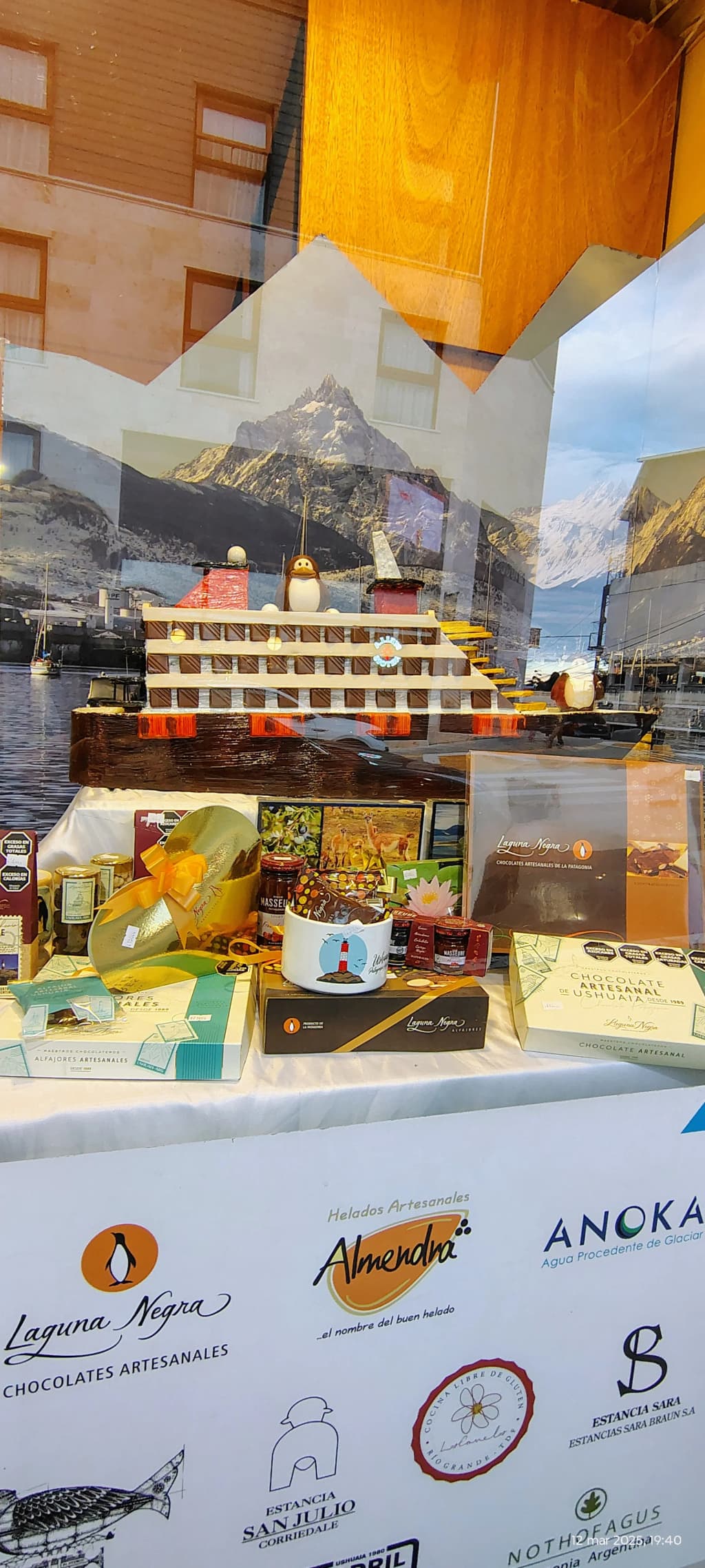
The sky above Tierra del Fuego is a restless, living thing. I wake up to a brilliant, piercing blue, only to watch thick, bruised clouds roll in across the valley an hour later. Plans here are merely suggestions. My phone buzzes with a WhatsApp message—the boat tour is canceled due to the wind, and the helicopter ride is pushed to tomorrow. You do not dictate the schedule at the end of the world; the weather does.
I decide to embrace the delay from the sanctuary of the Arakur Ushuaia Hotel, perched high on a mountain ridge. The air up here is thin and crisp, smelling faintly of pine and frost. I slip into the heated indoor pool, the water wrapping around me like a warm, heavy blanket, and swim directly under a thick glass partition to the outdoor section. Suddenly, the icy Patagonian air bites my face, but my body remains submerged in absolute warmth. Below me, the city spills down toward the dark, churning waters of the Beagle Channel. It makes perfect sense that Leonardo DiCaprio spent forty-five days hiding out in this exact hotel while filming The Revenant, chasing the elusive snow when the rest of the world had thawed.
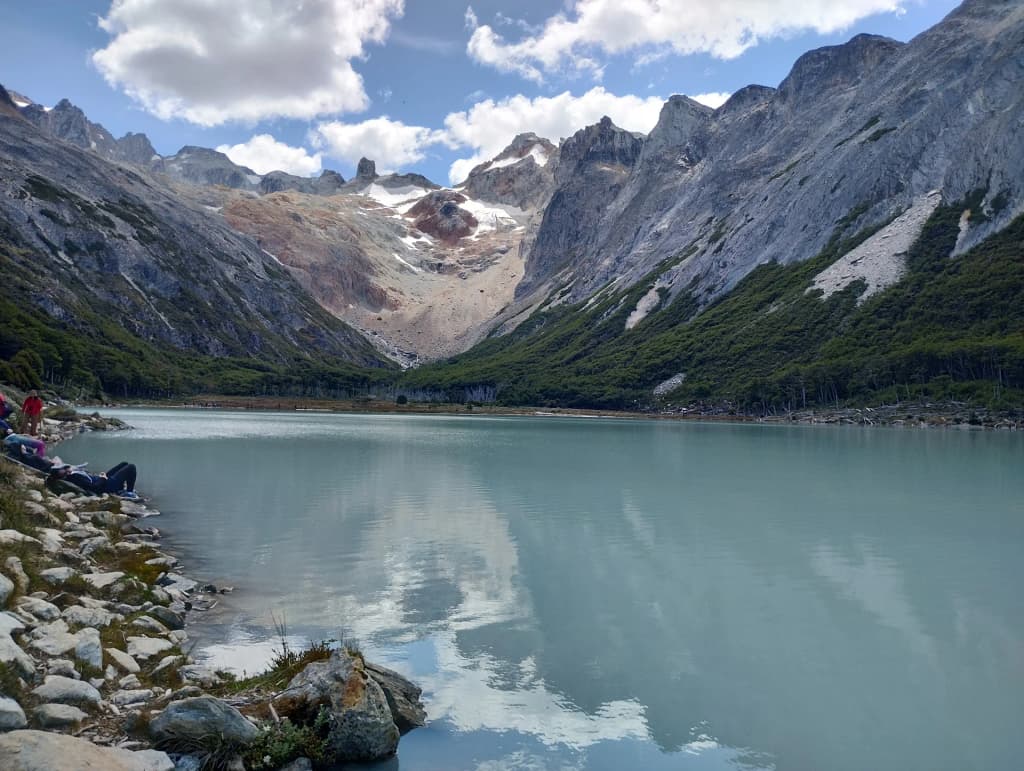
The crunch of frost beneath my heavy waterproof boots sets the rhythm for the morning. The thermometer hovers just above freezing, but the deep forest trail leading to Laguna Esmeralda feels even colder. We are navigating a ten-kilometer trek through a landscape that feels both ancient and deeply scarred. Dead trees stand like pale, drowned ghosts in massive pools of still water.
"Beavers," our guide murmurs, pausing to point out a massive pile of gnawed timber blocking a stream.
"They aren't native, are they?" I ask, pulling my thermal jacket tighter against the biting wind.
"No," he sighs, his breath pluming in the freezing air. "They were brought here decades ago. No predators. Now, they build their dams and drown the forest."
As if on cue, a dark, sleek head breaks the surface of the water, a lone beaver gliding through its private, destructive kingdom. We push higher, climbing four hundred meters above sea level until the trees finally break. Just as we crest the final ridge, a light dusting of snow begins to fall, catching on my eyelashes and melting against my cheeks. And there it is—Laguna Esmeralda. The water is a shocking, milky turquoise, born directly from the ancient glacier looming above. My fingers are numb, but pouring a steaming cup of drip coffee from my thermos while staring at that impossible blue is a warmth that seeps straight to the bone.
The catamaran rocks violently as we push out into the Beagle Channel, the dark water spraying salt across the open deck. The wind is deafening, a constant roar that forces you to shout to be heard. In the distance, the red and white stripes of the Les Éclaireurs Lighthouse rise from a jagged cluster of rocks. It has stood there since 1920, a solitary sentinel warning ships away from the treacherous edges of the earth. We retreat inside the heated cabin, thawing our frozen hands around mugs of hot chocolate, watching the wild landscape slide past the fogged windows.
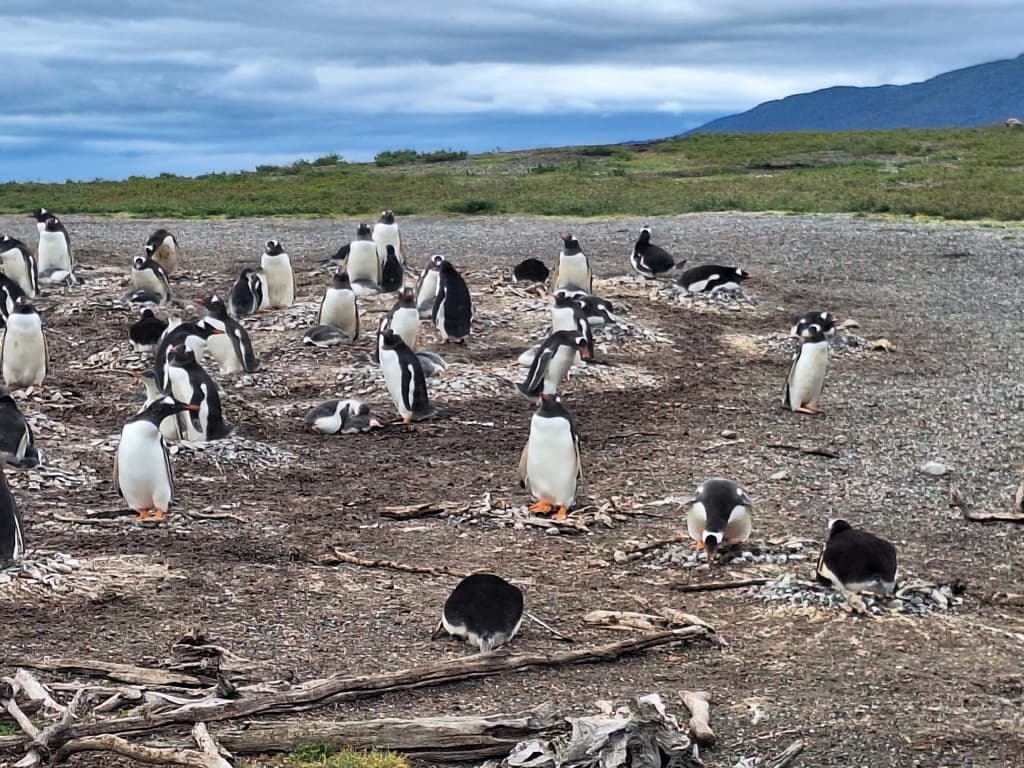
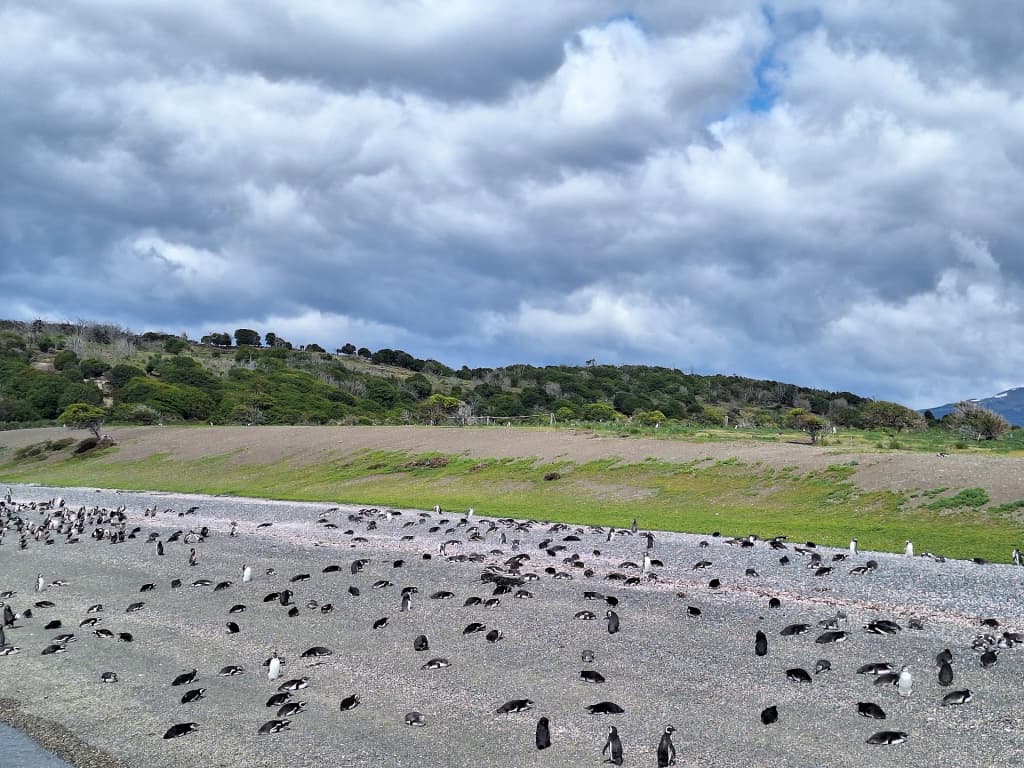
An hour and a half later, the boat slows. We have reached Isla Martillo. Even from the deck, the sight is staggering. Thousands of Magellanic penguins dot the pebble beaches, their sleek black-and-white bodies waddling awkwardly on land before diving with absolute grace into the freezing surf. They arrive here between October and April to breed, turning this desolate island into a chaotic, noisy nursery. The air smells strongly of guano and sea salt, but you hardly notice it when you are this close to something so entirely untamed.
A sharp, metallic whistle cuts through the dense forest canopy. The Train of the End of the World chugs along its narrow gauge, spitting white steam into the gray sky. Sitting in the wooden carriage, listening to the rhythmic clack-clack of the wheels, I feel the weight of Ushuaia's darker history. This same route was once carved by prisoners from the city's notorious penal colony, sent into the freezing wilderness to chop the very wood that would keep their cells warm.
Today, the park is a sanctuary of deep green forests and mirrored lakes. We stop at a tiny post office suspended on a wooden pier over the water. Inside, the walls are plastered with yellowed newspaper clippings and fading stickers from every corner of the globe. A man named Carlos, sporting a thick white mustache and an easy smile, stamps passports with the official seal of the end of the world. We drive further until the dirt road simply stops. Bahía Lapataia. The absolute end of National Route 3. Beyond this wooden sign, there is no more road, no more driving south. Just water, ice, and eventually, Antarctica.
The ground drops away with a sudden, stomach-lurching heave. From the glass bubble of the helicopter, Ushuaia looks fragile, a tiny cluster of roofs clinging to the edge of a massive, indifferent wilderness. We bank sharply over the mountains, the turquoise eye of Laguna Esmeralda staring up at us from the valley floor. Our pilot, Daniel, reaches back with a grin, handing us glasses of crisp, cold champagne. Drinking bubbles while hovering over the jagged spine of the Andes feels entirely surreal.
The adrenaline carries over into the afternoon as we bounce wildly in the back of a 4x4, tearing through deep mud and splashing across rivers toward Lago Escondido and Lago Fagnano. The wind whips across the massive lake with such force that waves crash against the shore like an ocean tide. We pull into a dense grove of trees, where the heavy, comforting scent of woodsmoke immediately wraps around us. A makeshift camp is set up, and thick cuts of beef are sizzling over an open fire. We eat the churrasco standing up in the cold, wiping grease from our chins, laughing with strangers who feel like old friends after a day in the mud. The end of the world, it turns out, isn't a lonely place at all. It is loud, unpredictable, freezing, and incredibly alive.
More Photos
More Adventures
 $50 - $120/day 3-5 days
 Between Glass Giants and Untamed Jungles in Balneário Camboriú
Explore Balneário Camboriú, where the towering skyscrapers of the Brazilian Dubai meet the wild Atlantic Forest. Discover beaches, hikes, and local culture.
 $60 - $250/day 14-30 days
 Conquer Argentina: The Ultimate Extreme Adventure Guide
Skip the tourist traps. From the roaring jungles of Iguazu to the shattering glaciers of Patagonia, discover Argentina's most extreme adventures.
 $300 - $800/day 4-7 days
 Conquer Palisades Tahoe: The Ultimate Winter Challenge
Skip the tourist traps. Rent a 4x4. Discover how to conquer Palisades Tahoe with epic slopes, freezing ice beaches, and raw alpine adrenaline.
 $50 - $150/day 1-2 days
 Conquer Joffre Lakes: The Ultimate Glacial Grind
Skip the tourist bus. Conquer the steep trails of Joffre Lakes Provincial Park. Three mind-blowing glacial lakes. One epic British Columbia adventure.