
The World's Pulse: A Journey Through the 10 Most Visited Cities
A sensory journey through the world's most visited urban centers, from the turquoise coast of Turkey to the gilded chaos of Bangkok.
The heat rises off the pavement in shimmering waves, carrying the scent of salt and ancient stone. Here in Antalya, on the edge of the Turkish Riviera, the Mediterranean sun doesn't just ask for your attention; it demands it. Wandering through the old district of Kaleiçi, running my hand along walls that have stood since the Romans marched here, I realize that mass tourism isn't just about marketing. It is about a collective human need to touch history while the sun warms your back.
There is a rhythm to Turkey that pulls you inward. A short flight north to Istanbul—the bridge between continents—and the melody changes. It becomes a chaotic symphony of car horns and the call to prayer echoing across the Bosphorus. Standing on the Galata Bridge, you are suspended between Europe and Asia, breathing in air that smells of grilled mackerel and roasted chestnuts. Inside the Grand Bazaar, the sensory overload is absolute; lanterns glow in amber and crimson, and carpet sellers weave stories as intricate as their rugs. It is a city of layers, where Byzantine ghosts whisper to Ottoman grandeur.
Half a world away, the pulse is electric. Tokyo feels like a lucid dream. One moment you are swept up in the silent, organized flood of humanity at Shibuya Crossing, surrounded by towers blinking advertisements for futures we haven't lived yet. The next, you are in the hush of the Asakusa Temple, the smell of incense replacing the ozone of the subway. It is pragmatic yet beautiful.
This Asian dynamism shifts as we travel south. In Kuala Lumpur, the humidity thickens, wrapping around you like a warm towel. The Petronas Towers pierce the sky like silver needles, distinct against the tropical clouds. It feels like a conversation between the past and the future, best heard in the clamor of a night market where satay smoke clings to your clothes. Just across the border, Singapore offers a different vision. It is a garden city that feels curated, almost utopian. Walking through the Marina Bay Sands, you feel the ambition of a city-state that decided to build a paradise out of concrete and chlorophyll.
The West holds its ground with a different kind of gravity. New York City vibrates with a frequency you feel in your teeth. The subway grinds beneath your feet, a subterranean beast that never sleeps. From the Empire State Building to the neon daylight of Times Square, the city demands you keep up. It is exhausting and exhilarating in equal measure.
Across the Atlantic, London and Paris offer the weight of empires. In London, the gray sky frames Big Ben in moody relief. The history here is heavy, stored in the damp cobblestones of Covent Garden. Paris, conversely, feels like a stage set. The Eiffel Tower lights up, a beacon of iron lace, and the Seine reflects the city's vanity back at itself. Walking through Montmartre, you understand why it remains the eternal city of romance.
And then there is the anomaly. Dubai rises from the desert like a mirage made solid. It is proof of what happens when limitless wealth meets limitless imagination. The Burj Khalifa scrapes the stratosphere, and the Palm Jumeirah defies the ocean itself. It is a place of extremes—the searing heat of the dunes and the refrigerated chill of the world's largest malls.
But finally, we arrive at the number one spot. The city that swallows you whole. Bangkok.
With nearly 23 million visitors annually, the Thai capital is a sensory assault of the best kind. The humidity hits you the moment you step outside the airport, heavy with the scent of jasmine, exhaust fumes, and fermented fish sauce. It is chaotic, yes, but within that chaos lies a profound, golden serenity.
I find myself near the Chao Phraya River, watching the long-tail boats cut through the murky water. I stop at a fruit cart where an elderly woman is slicing mangoes with surgical precision. Her hands are weathered, but her knife work is fast and fluid.
"You like sweet?" she asks, not looking up from the fruit.
"Yes," I admit. "Very sweet."
She hands me the bag, dusted with sugar and chili. "Then you are in the right place. Bangkok is sweet and spicy. Like life."
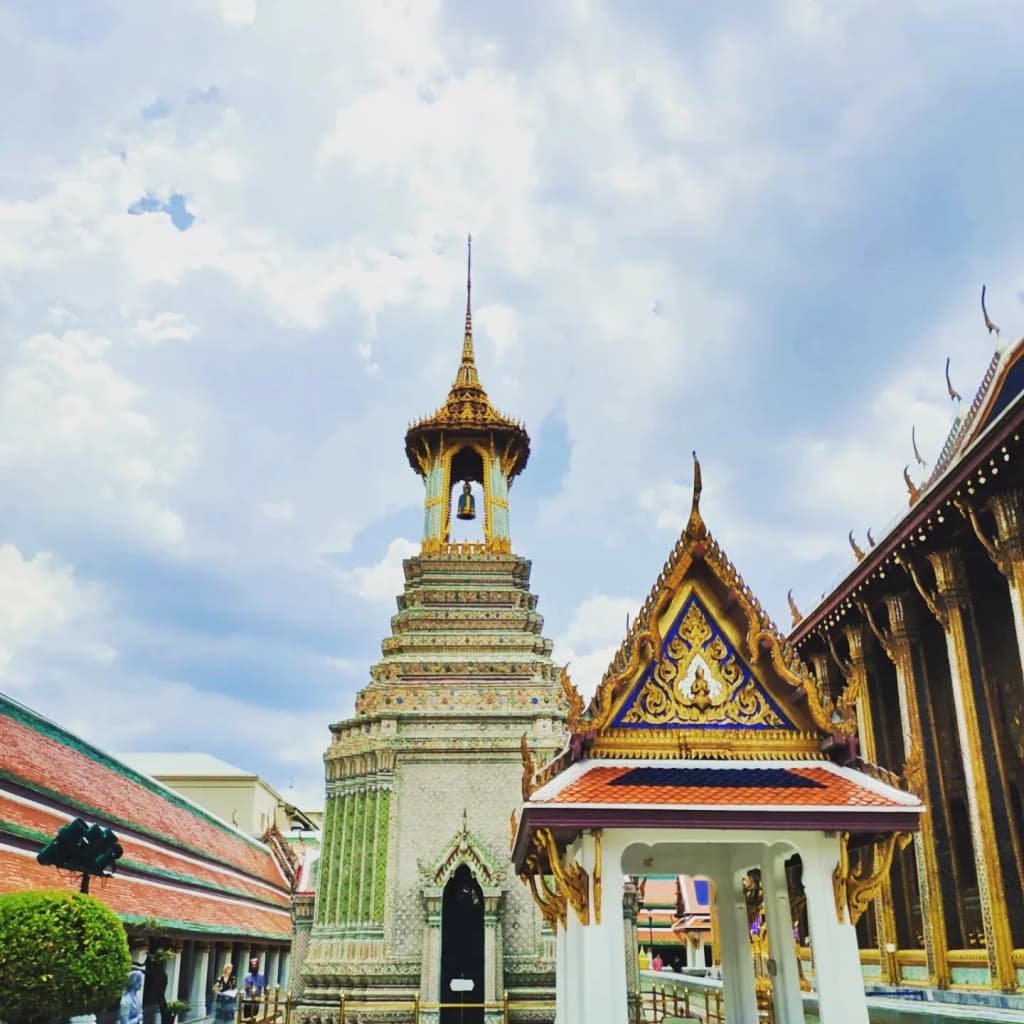
She isn't wrong. The city is a study in contrasts. You can spend your morning navigating the frenetic energy of the floating markets, bargaining for spices, and your afternoon in the hushed courtyards of the Grand Palace. I arrive at the palace gates just as the heat peaks. The 500 baht entry fee feels steep until you step inside. The dress code is strict—shoulders and knees covered—so I pull on a light shirt, grateful for the shade of the complex.
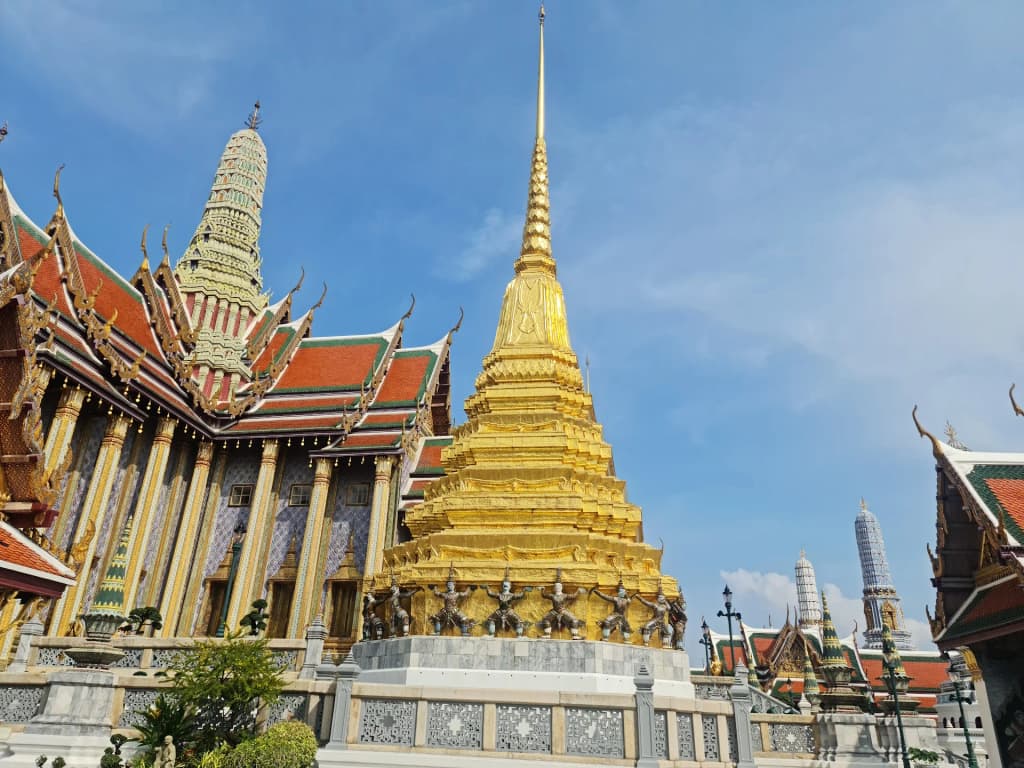
The palace itself is overwhelming—a sprawling complex of gold leaf and colored glass that catches the tropical sun and throws it back with blinding intensity. Walking through the temple grounds of Wat Arun or the royal courts, you see why the world comes here. It isn't just for the street food, though the Pad Thai served on plastic stools is better than any Michelin-starred meal I've had in Europe. It is for the spirit of the place.
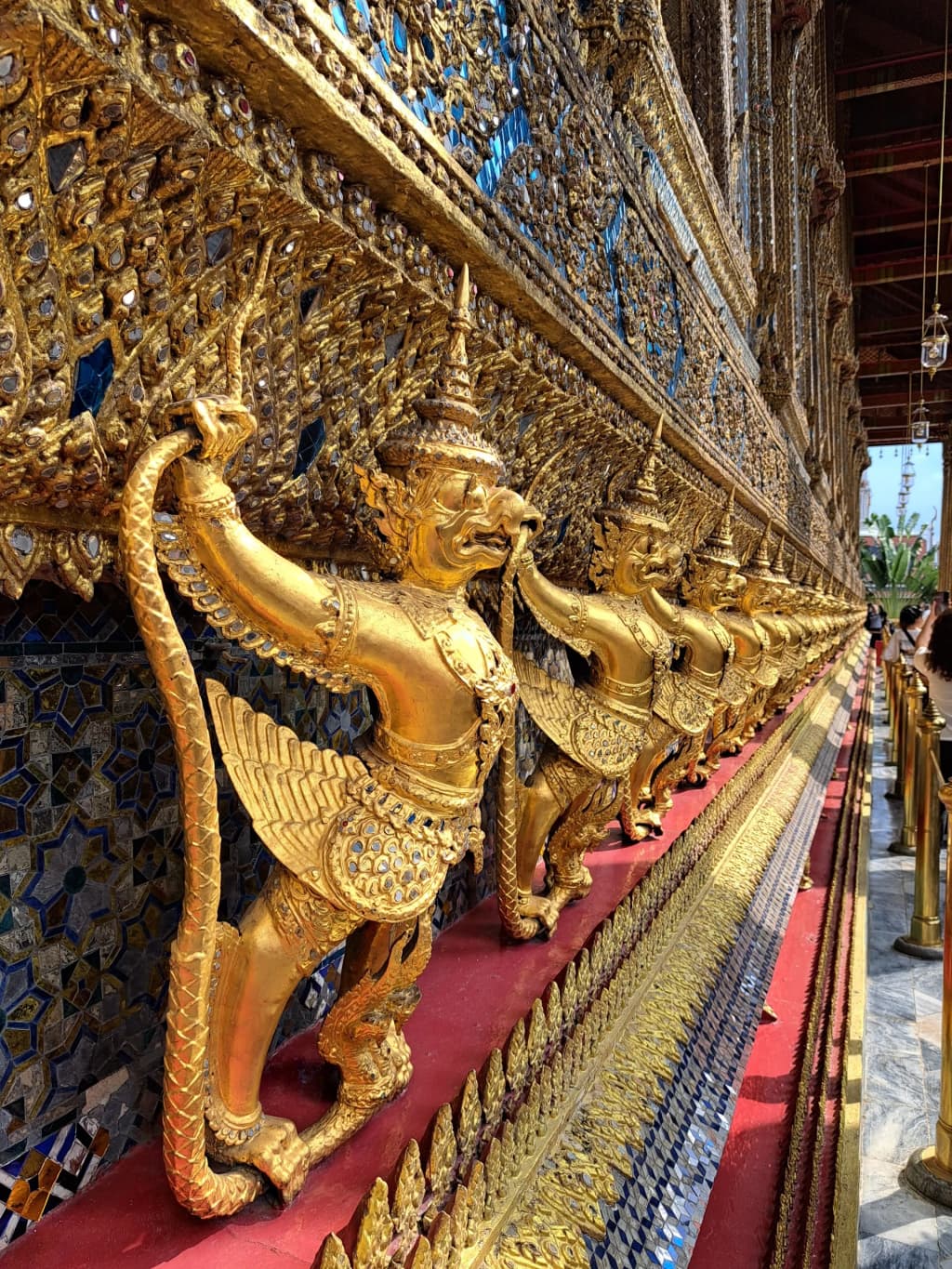
The architecture here doesn't just house royalty; it mimics the divine. The spires reach upward, intricate and colorful, demanding that you look up from your phone and acknowledge the craftsmanship of centuries. As night falls, the heat doesn't break, but the city transforms. Rooftop bars glitter above the traffic jams, and the night markets come alive with the smoke of charcoal grills. Bangkok, like all these great cities, is a crossroads. Whether it is the ancient stones of Antalya or the neon canyons of Tokyo, we travel to these places to feel connected to something larger than ourselves. But here, amidst the gold and the grit, that connection feels most alive.
More Photos
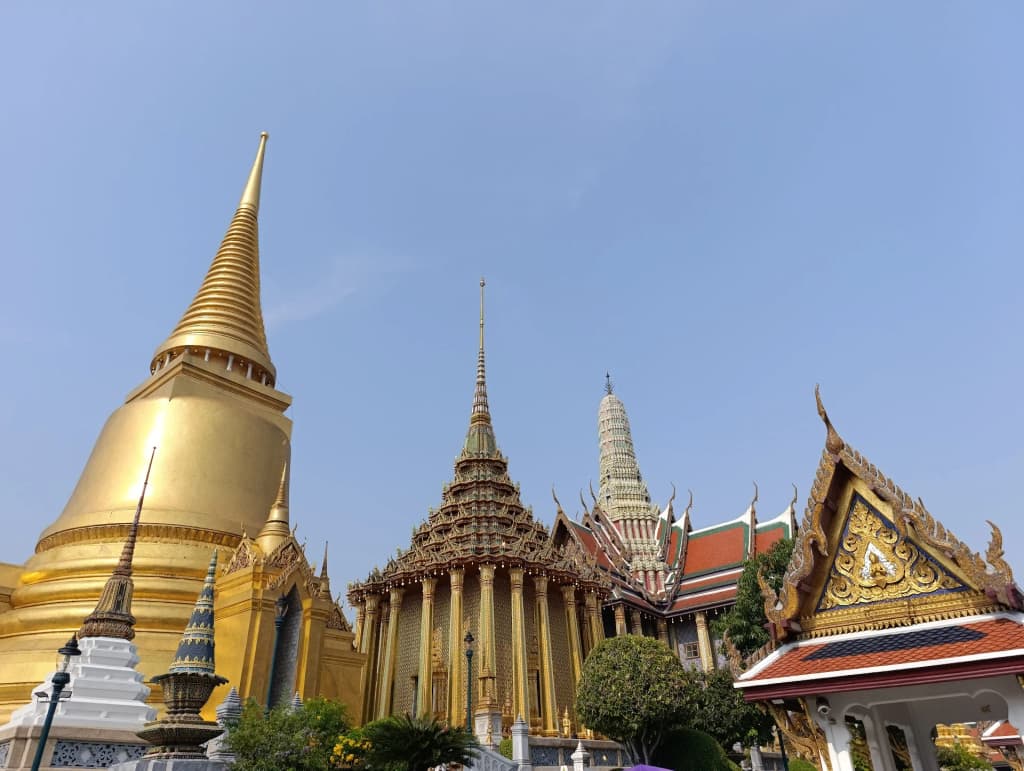
More Adventures
 $120 - $350/day 2-3 days
 Disneyland Paris Strategy: Ride Hacks & Coaster Secrets
Think you know Disney? Think again. Discover the underground secrets, massive coasters, and insider hacks to conquer Disneyland Paris like a pro.
 $150 - $300/day 1-2 days
 Conquer Epcot: The Ultimate High-Speed Global Gauntlet
Think Epcot is a slow stroll? Think again. It's a high-speed, globe-trotting gauntlet. Hack the rides, taste the world, and push your limits in Orlando.
 $40 - $120/day 3-5 days
 A Sensory Walking Tour Through Central Buenos Aires
Experience the historic heart of Buenos Aires on a sensory walking tour. Taste medialunas at Café Tortoni and explore the bustling San Telmo Market.
 $100 - $300/day 1-3 days
 Escape the Airport: Conquer Your Luanda Layover
Think a layover in Luanda means killing time at the airport? Think again. Discover the fortress, island sunsets, and the ultimate Angolan adventure.