
Brazil's Rhythms: From the Discovery Coast to the Cerrado
Experience Brazil's contrasting landscapes. Journey through the rustic Discovery Coast, the white dunes of Lençóis Maranhenses, and the mystical Chapada.
The smell hits you first. Charcoal smoke, roasting fish, and the sweet, heavy scent of damp earth mingling with the sharp salt of the Atlantic. The old man steering the wooden canoe doesn't look up from the dark, glassy water of the Caraíva River as he guides us toward the opposite bank. The rhythmic splash of his single oar is the only sound cutting through the dense, humid evening air, save for the faint, distant thumping of a zabumba drum from a forró band tuning up somewhere in the village. There are no cars where we are going, only deep sand streets that swallow your footsteps and the soft, flickering glow of lanterns strung between low-slung roofs.
"You left your watch in the city, I hope," he says. His voice is gravelly, more of an observation than a question, carrying the weight of someone who has rowed this crossing a thousand times.
"I did," I admit, sliding my sleeve down over my empty wrist. The air is thick, clinging to my skin like a warm blanket.
He laughs, a dry, knowing sound that loses itself in the coastal wind. "Good. Time moves differently here. Seven days is barely enough to learn how to breathe again."
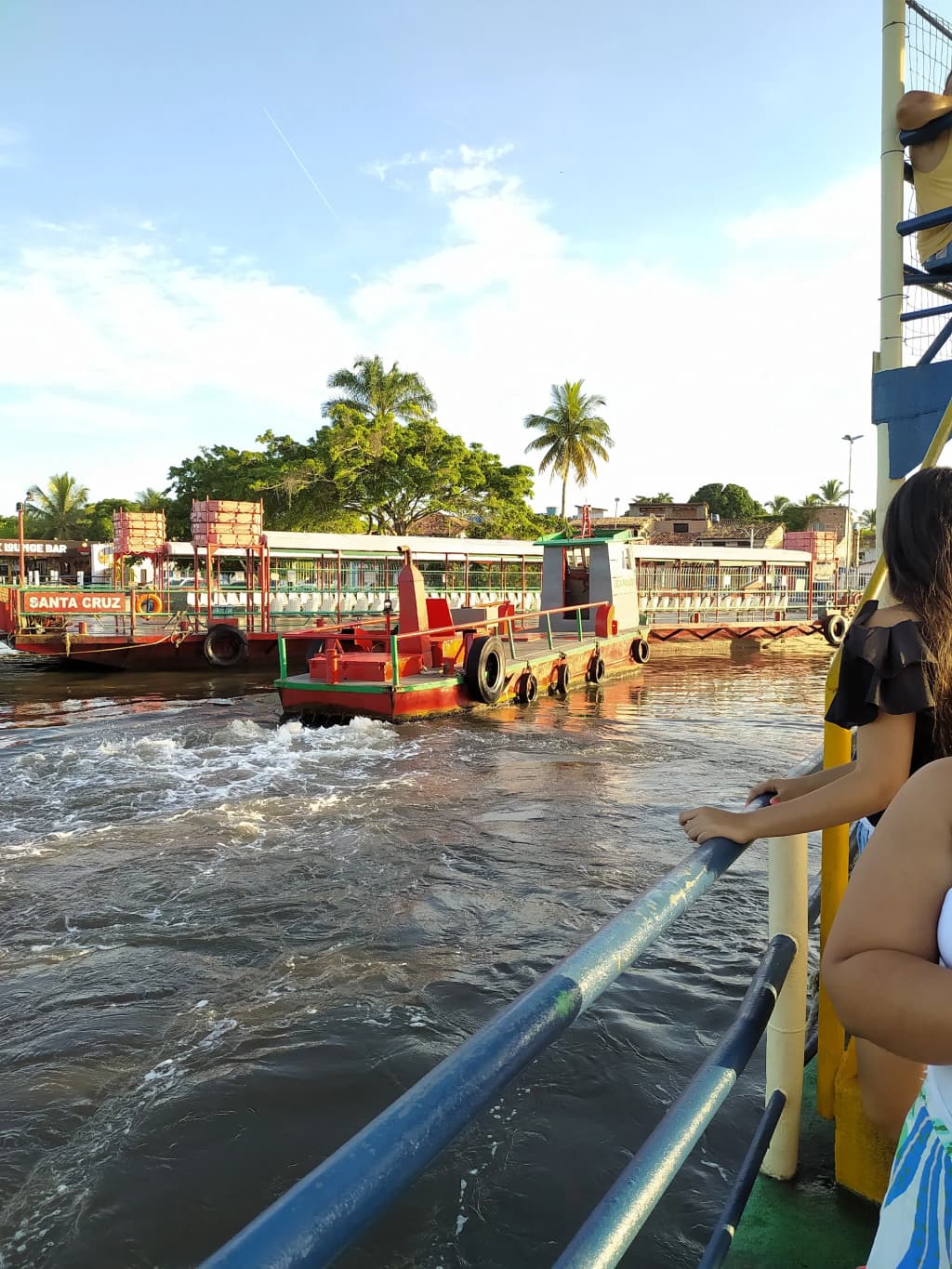
He is right. To travel Bahia's Discovery Coast is to surrender to a completely different rhythm, one dictated by the pull of the tide and the setting of the sun. Flying into the bustling, concrete hub of Porto Seguro is merely the prologue, a necessary logistical step before the real descent begins. The true story unfolds as you move south, crossing slow-moving ferries and navigating rutted dirt roads down to Arraial d'Ajuda, pausing at the chic, grassy square of Trancoso's Quadrado, and finally reaching the rustic, deliberate isolation of Caraíva. If you time your arrival for the shoulder months of September or October, just before the intense November summer rush begins to crowd the coast, the blistering heat softens into a golden warmth. The prices drop, the locals linger longer in doorways, and the endless stretches of palm-fringed sand feel like a private sanctuary.
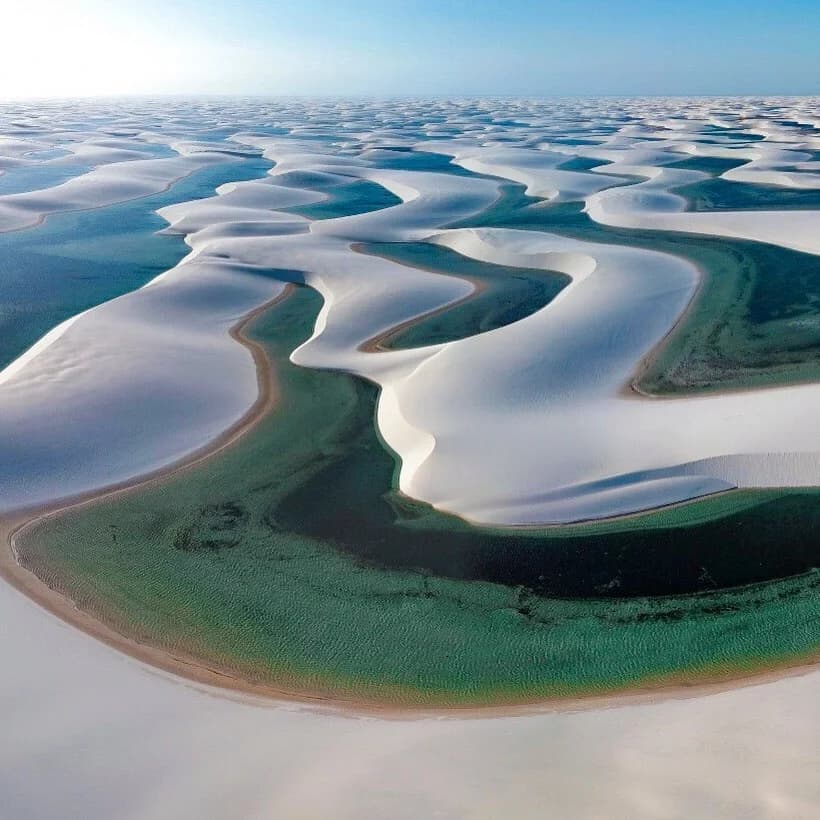
The transition from the dense, humid Atlantic forest to the blinding vastness of the northeast is jarring in the best possible way. Crossing from Ceará into Maranhão on the Route of Emotions, the world is suddenly distilled into two absolute colors: undulating, blinding white and piercing, impossible blue. The wind here howls constantly, a relentless force that whips fine, powdery grains of sand against your bare legs as you climb the towering dunes of Lençóis Maranhenses. You taste the grit on your teeth; you feel the raw power of a landscape that refuses to stay still.
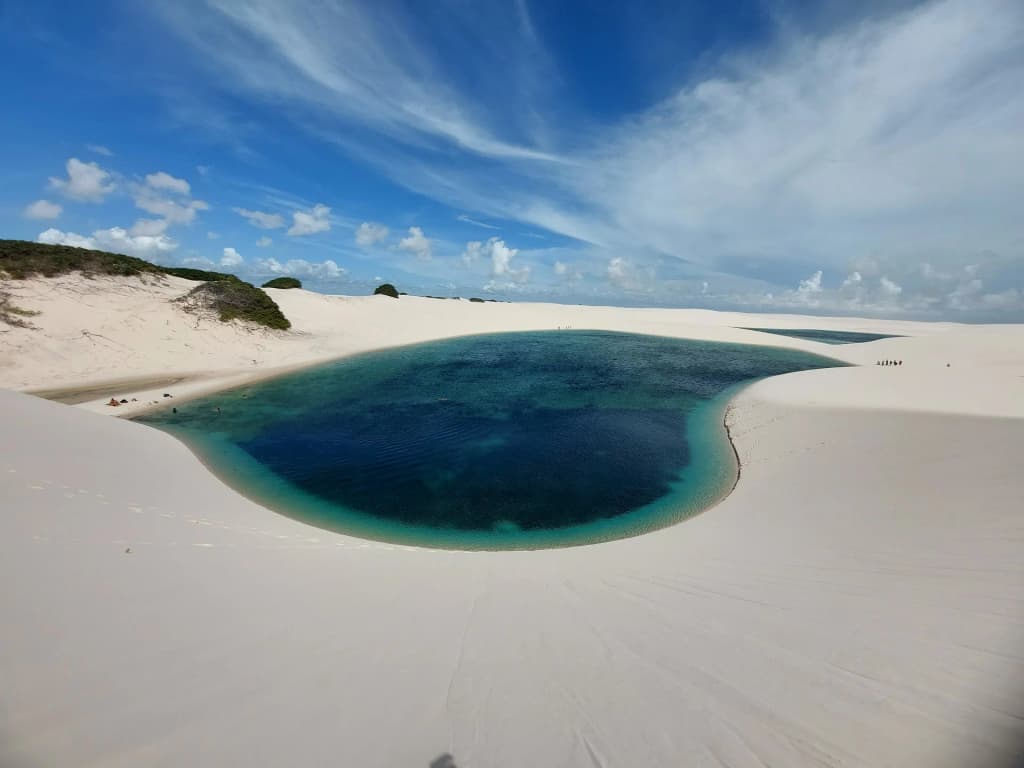
The physical effort of the ascent, the burning in your calves as the sand gives way beneath your feet, is instantly erased by what waits at the top. The dunes roll out like a crumpled white bedsheet all the way to the horizon, pooling in the deep valleys with crystal-clear rainwater. Diving into one of these lagoons is a profound shock to the system. The water is cold, completely fresh, and tastes faintly of minerals—a stark, refreshing contrast to the salt-heavy ocean just miles away. You float on your back, staring up at a cloudless sky, entirely disconnected from the world you left behind.
Traversing this sprawling, shifting landscape requires intention and time. A fourteen-day journey is the sweet spot, allowing you to chase the sunset on the dunes of Jericoacoara, navigate the tangled river deltas of Piauí, and finally lose yourself in Maranhão. Making your base in the town of Barreirinhas offers the most structured access to the national park, with jeeps ready to ford the rivers at dawn. But the timing of your visit is everything. You have to arrive between May and September. Come too late in the year, and the relentless sun will have already drunk the lagoons dry, leaving behind only the shifting, empty sands and the echoing wind.
Moving inland toward the geographic heart of the country, the air changes completely. The heavy coastal humidity evaporates, replaced by a dry, crackling heat that carries the distinct scent of red dust, crushed leaves, and sun-baked quartz. Chapada dos Veadeiros is a place that hums with an almost magnetic energy, a high-altitude plateau that feels ancient and deeply alive. You feel it beneath your boots as you walk the rocky trails of the cerrado, the vast Brazilian savanna where twisted, resilient trees cast long, skeletal shadows against the rust-colored earth. The silence here is heavy, broken only by the screech of a distant macaw or the crunch of your own footsteps.
Renting a car after flying into the modernist sprawl of Brasília is your only real lifeline out here. The distances are vast, the highways cutting through endless horizons, and the open road becomes part of the meditation. Settling into a guesthouse in Alto Paraíso provides a comfortable, slightly bohemian retreat after long days of hiking, though the unpaved, dusty charm of the village of São Jorge puts you right at the physical edge of the national park.
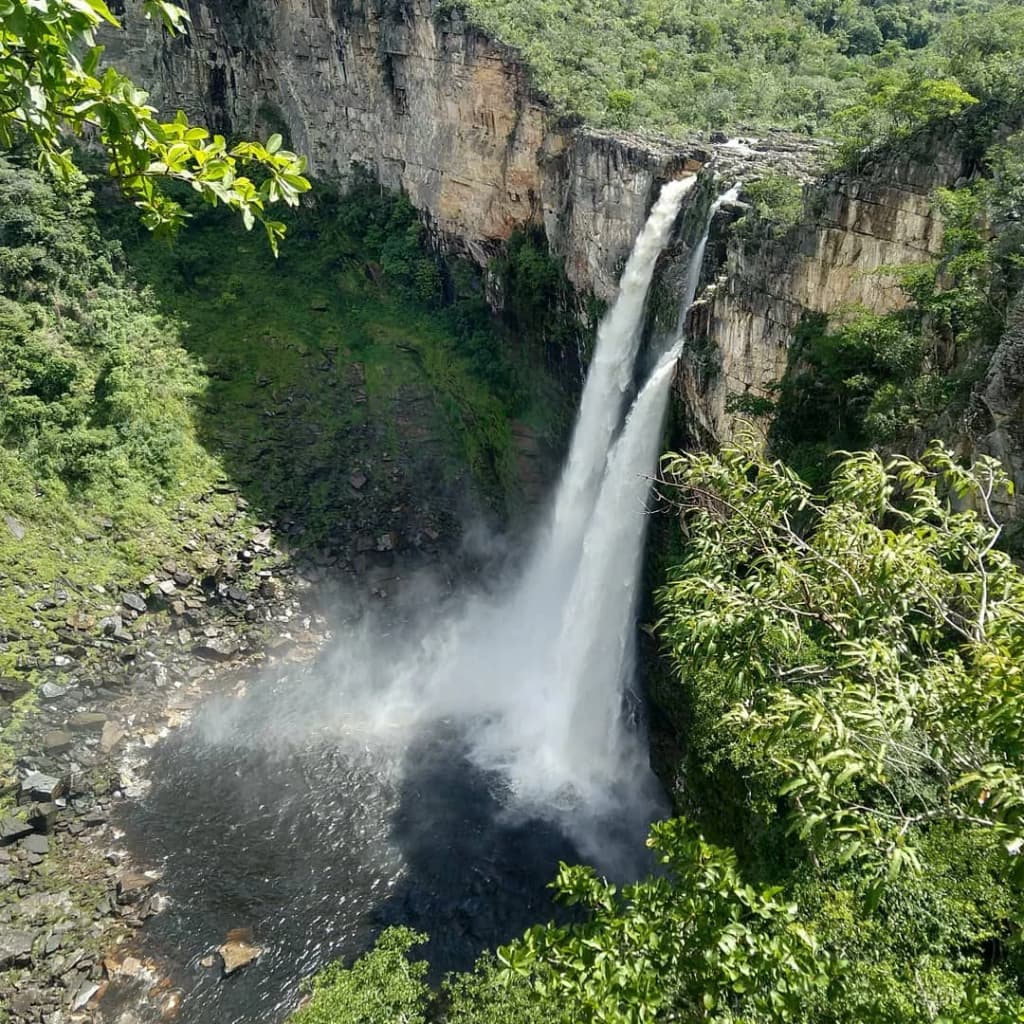
The highlight of the cerrado always demands a trek—like the dusty, sun-drenched journey to the Santa Bárbara waterfall. When you finally arrive, the water is so shockingly cobalt it looks painted, glowing against the pale gray rocks. The plunge into the freezing pool beneath the roaring falls is a baptism of sorts, washing away the heat and the dust of the trail. You quickly learn why the locals insist on visiting during the dry season from May to September. During these months, the trails are safe, the skies are a piercing, uninterrupted blue, and the terrifying summer flash floods that wash out the canyons are entirely absent.
You always end up back at the sea in Brazil. It pulls at you, an undeniable gravity. But the Coral Coast, stretching up through the states of Alagoas to Pernambuco, is a different ocean entirely. The water here feels like a warm, drawn bath, shifting through impossible gradients of turquoise, mint, and deep emerald depending on the angle of the sun. The air smells intensely of fresh, sweet coconut from the endless groves and the rich, briny scent of exposed coral reefs baking in the afternoon heat.
Starting in the coastal capital of Maceió and tracing the shoreline north is an exercise in chasing the tides. The days here aren't governed by clocks or alarms, but by the lunar calendar. You wake early, the air still cool, watching the colorful, triangular sails of the traditional jangada boats bob in the shallows. You wait for the ocean to pull back, a slow exhalation that reveals the natural pools of Maragogi and São Miguel dos Milagres.
Walking out onto the submerged sandbanks, the warm water lapping gently at your shins, you find a fragile, kaleidoscopic underwater world teeming with darting silver fish and blooming coral. Booking a boutique inn in a quieter, slow-paced town like Japaratinga gives you the perfect vantage point away from the heavy tour buses. The summer months, right up to the end of March, bring out the most vivid, translucent colors of the water, long before the heavy April rains begin to blur the horizon and churn the sea.
Standing knee-deep in those warm shallows as the sun finally dips below the jagged fringe of palm trees, painting the sky in bruised purples and burnt oranges, the sheer immensity of this country settles into your bones. You realize that traveling through Brazil isn't merely about moving from one stunning landscape to another, checking coordinates off a map. It is about learning to adjust your own internal metronome to the pulse of the land. It is a rhythm you slowly, willingly, learn to walk to.
More Photos
More Adventures
 $60 - $200/day 4-7 days
 Between the Andes and the Ocean: Unraveling Santiago
Experience the striking contrasts of Santiago, Chile. Discover historic dive bars, the soaring Andes in Cajón del Maipo, and the colorful hills of Valparaíso.
 $75 - $250/day 7-14 days
 The Ultimate Month-by-Month International Travel Guide
Stop gambling with your PTO. Discover the exact best (and worst) international destinations for every month of the year to optimize budget and weather.
 $40 - $100/day 3-4 days
 Campos do Jordão Itinerary: Budget Guide & Hiking Logistics
Plan a practical trip to Campos do Jordão, Brazil's highest city. Get exact costs for state parks, hiking Pedra do Baú, and budget-friendly dining.
 $40 - $120/day 3-5 days
 Shadows and Gold: Walking the Living History of Ouro Preto
Wander the steep cobblestone streets of Ouro Preto, where Baroque masterpieces, subterranean gold mines, and a dynamic culinary scene breathe life into history.