
The Economics of Vanishing: Finding the World on a Budget
Travel is not about wealth, but priority. A narrative guide to saving money on flights, food, and accommodation in Paris and Brazil.
The charcoal smoke hangs low over the cobblestones of Montmartre, thick with the scent of roasted chestnuts and the sharp, metallic tang of winter rain. I am shivering, just a little, but the old man manning the cart doesn't seem to notice the cold. He hands me a paper cone, the heat seeping through to my frozen fingers.
"Ça réchauffe," he mutters, not making eye contact. It warms you.
I pay him a few coins, a fraction of what a coffee costs inside the polished cafés down the hill. This moment—the gray light, the biting wind, the hot chestnuts—cost almost nothing. I check my phone, not for messages, but to glance at the banking notification from my flight purchase months ago. The seat I occupied to get here cost four hundred dollars less than the one next to it. Why? Because I didn't fly on the twenty-fifth. I waited for the holiday fever to break, for the city to exhale, and I slipped in during the lull.
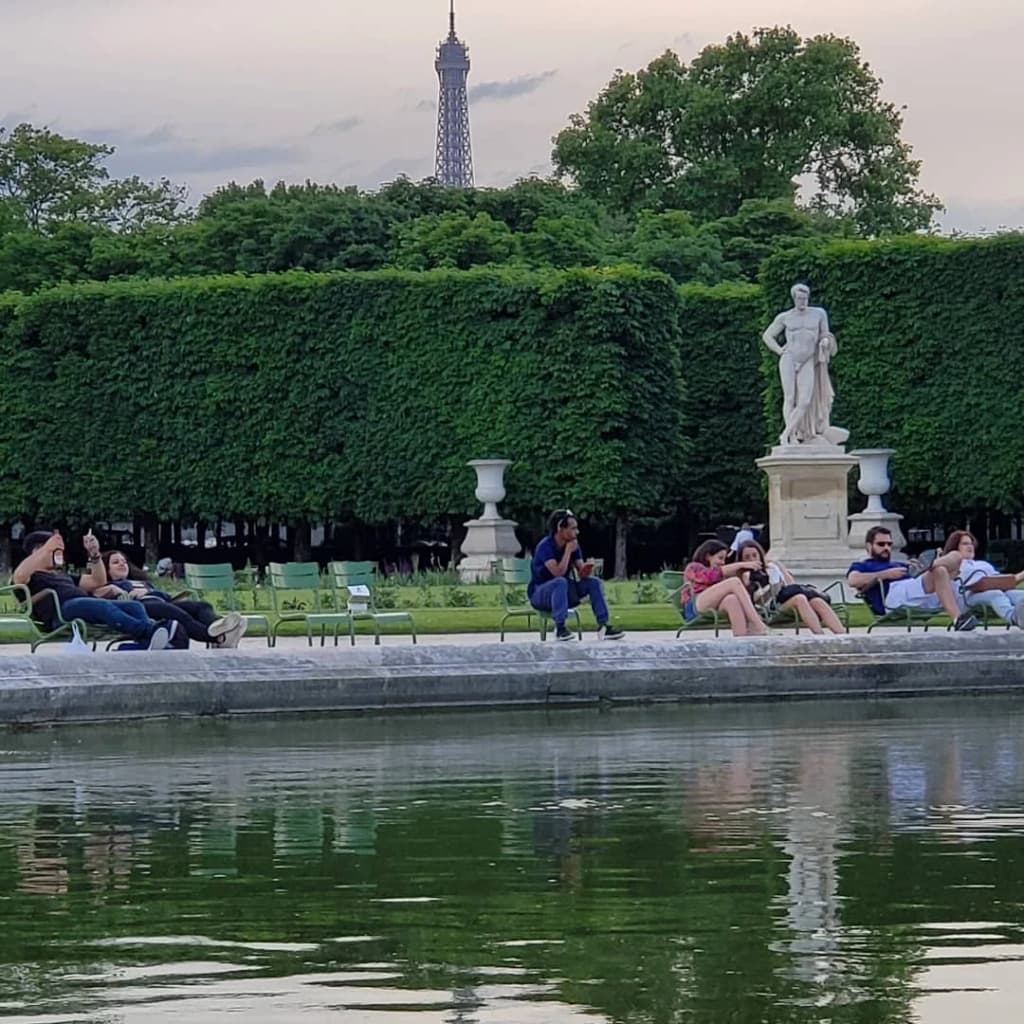
We often mistake travel for a luxury good, something reserved for the wealthy or the retired. But standing here, watching the streetlights flicker on against an indigo sky, I am reminded that travel is simply a function of priority. It is an art of flexibility.
I have a ritual for this. It begins exactly ninety days before an international trip, or forty-five days for a domestic hop. I pour a strong coffee and open the digital map, specifically the "Explore" feature on Google Flights. I do not tell the map where I want to go; I let the map tell me where I am welcome. I set my price limit—usually the cost of a few weeks of groceries—and watch the screen light up. Sometimes it points me to a rainy week in Santiago; other times, it offers a sun-drenched beach in Brazil. The algorithm rewards patience. It tells me that if I leave on a Tuesday instead of a Friday, I can afford three extra days of wine. I watch the prices rise and fall like the tide, waiting for the moment the numbers blink green.
But the flight is only the admission ticket. The real texture of a place is found in where you sleep. I stopped booking hotels years ago. They are sterile environments designed to insulate you from the very culture you came to see. I prefer the chaos of a shared home.
I unlock the door to the apartment in the 18th arrondissement. It is not a hotel. There is no concierge to judge my muddy boots. Instead, there is Elodie, my host. She is seventy, with hair the color of steel wool and a sharp tongue.
"You bought the wrong cheese," she says immediately, pointing to the wedge of Camembert I just unpacked.
"It looked good," I defend myself.
She sighs, a long, theatrical sound. "It is plastic. It is for tourists who do not know better." She opens her fridge and swaps my purchase for a pungent, soft block wrapped in wax paper. "Eat this. It smells like feet, but it tastes like heaven. And next time, go to the market on Rue Lepic. Tell them Elodie sent you."
This is the economy of connection. By renting a room or staying in a hostel, you trade privacy for insight. You gain a kitchen, which is the traveler's greatest weapon against bankruptcy. I spend my mornings at local markets, buying fresh bread, fruit, and—now—the correct cheese. Cooking one meal a day at "home" frees up the budget for that one spectacular dinner that actually matters. It transforms you from a consumer into a temporary resident.
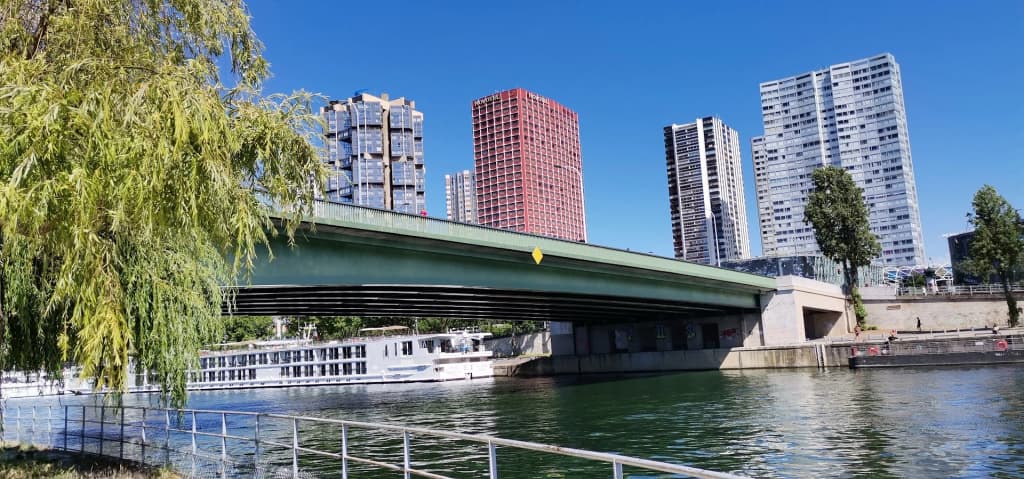
The city explains itself best to those on foot. I watch visitors fight for expensive taxis or struggle with rental cars in narrow streets where parking costs more than a meal. A car here is a cage. It isolates you from the rhythm of the street. I walk until my calves burn, or I take the metro, pressing shoulder-to-shoulder with commuters. It is in these spaces—smelling the damp wool of coats, hearing the snippets of arguments in French, feeling the rush of air as the train arrives—that you understand the place.
When hunger eventually wins, I avoid the restaurants with photos on the menu. I look for lines. Not lines of tourists, but lines of locals. In Paris, it might be a crêpe stand; in Rio, a tapioca cart. Street food is invariably hotter, faster, and cheaper than the white-tablecloth traps near the monuments. And it usually comes with a side of conversation you didn't pay for.
There is a persistent myth that you need to pay for experiences. I think back to my time on Ilha do Cacau in Brazil. I spent days there without opening my wallet for entertainment. The ocean does not charge admission. The sun setting over the water is a free show, performed daily. I paid for one boat transfer to get there, and the rest was just existing in a place of overwhelming beauty.
However, there is one expense I never negotiate: peace of mind. It feels counterintuitive to spend money on something you hope never to use, but travel insurance is the only non-negotiable tax I pay. I learned this the hard way years ago, and now I view it as the cost of freedom. It ensures that a lost bag or a twisted ankle doesn't turn a budget trip into a financial ruin.
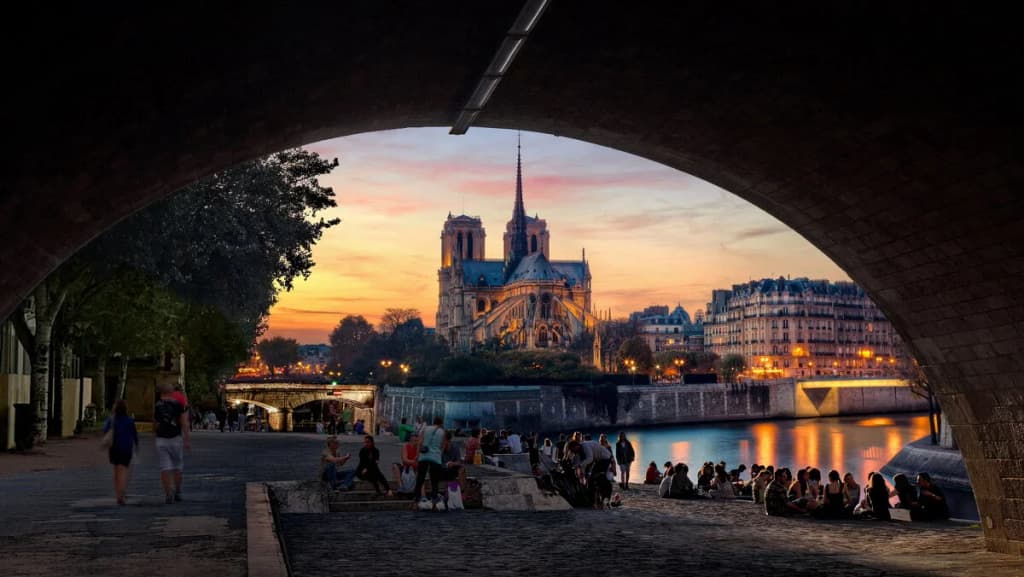
The sun has fully set now, and the Paris streetlamps are humming with that peculiar orange glow. I have no reservation for dinner, no car waiting, and no expensive tour booked for tomorrow. Just a map, a few words of French, and the freedom of an open schedule. It is enough.
More Photos
More Adventures
 $40 - $80/day 2-4 days
 Boa Vista: Exploring the Amazon's Fan-Shaped Frontier City
Experience the unexpected beauty of Boa Vista, Roraima. Discover Macuxi indigenous crafts, the unique Lavrado biome, and sunset boat tours on the Rio Branco.
 $75 - $250/day 7-14 days
 The Ultimate Month-by-Month International Travel Guide
Stop gambling with your PTO. Discover the exact best (and worst) international destinations for every month of the year to optimize budget and weather.
 $80 - $250/day 4-7 days
 The Quiet Art of Experiencing Paris on a Budget
Discover how to experience the romance of Paris without breaking the bank, from secret bakery rituals to navigating the city's economic rhythms.
 $40 - $80/day 4-6 days
 Forget the Beaches: Why Curitiba is Brazil's Ultimate Adventure
Skip the crowded tourist traps. Discover Curitiba, Brazil's green capital, featuring gravity-defying architecture, epic train rides, and budget thrills.