
Tango, Steak, and Rivalries: A Buenos Aires Story
Experience the soul of Buenos Aires. From the colorful streets of Caminito to the modern elegance of Puerto Madero, discover where to eat, walk, and explore.
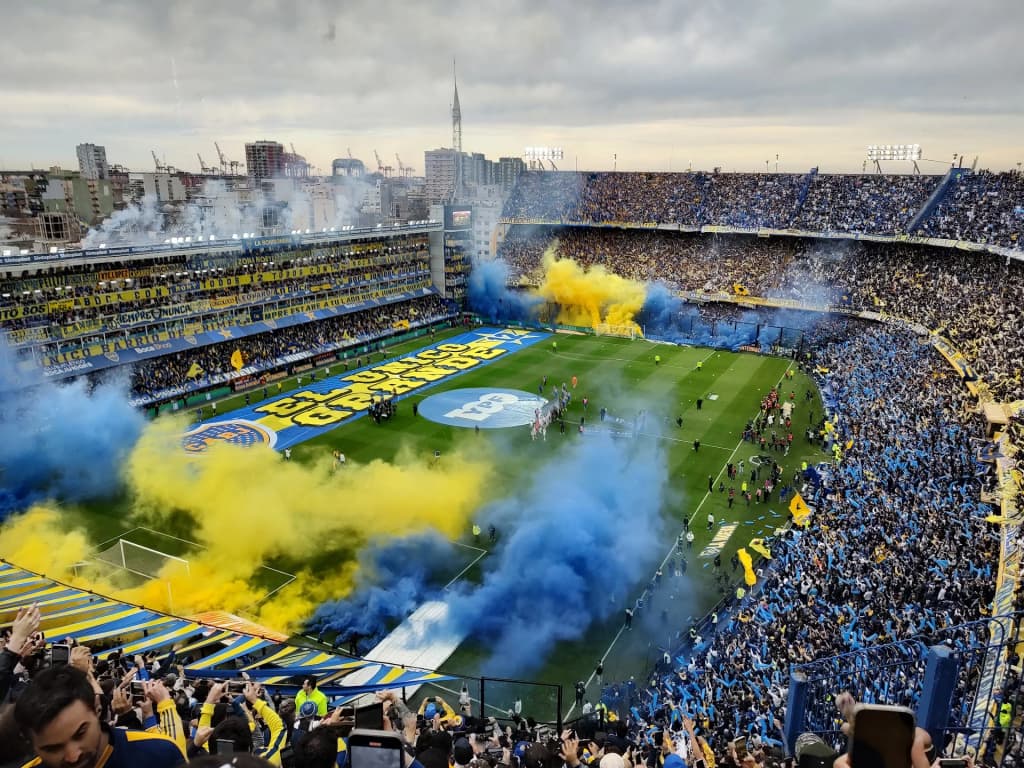
The smell hits you first. A heavy, intoxicating blend of grilling chorizo, sweet caramelized sugar, and the metallic tang of old ship paint baking in the afternoon sun. I am standing at the edge of Caminito, where the corrugated iron walls of the conventillos scream in shades of cobalt, mustard, and crimson. The neighborhood of La Boca doesn't ease you in; it swallows you whole. The heat radiates off the uneven cobblestones, warming the soles of my shoes. Just down the street, the towering concrete walls of La Bombonera loom over the narrow alleys. The stadium is quiet today—only the museum doors are propped open for visitors—but if you press your hand against the sun-baked brick, you can almost feel the phantom roar of fifty-four thousand Boca Juniors fans vibrating through the pavement. Statues of Maradona and Messi watch over the sidewalk from their makeshift shrines, surrounded by a sea of blue and yellow scarves fluttering in the warm, humid breeze.
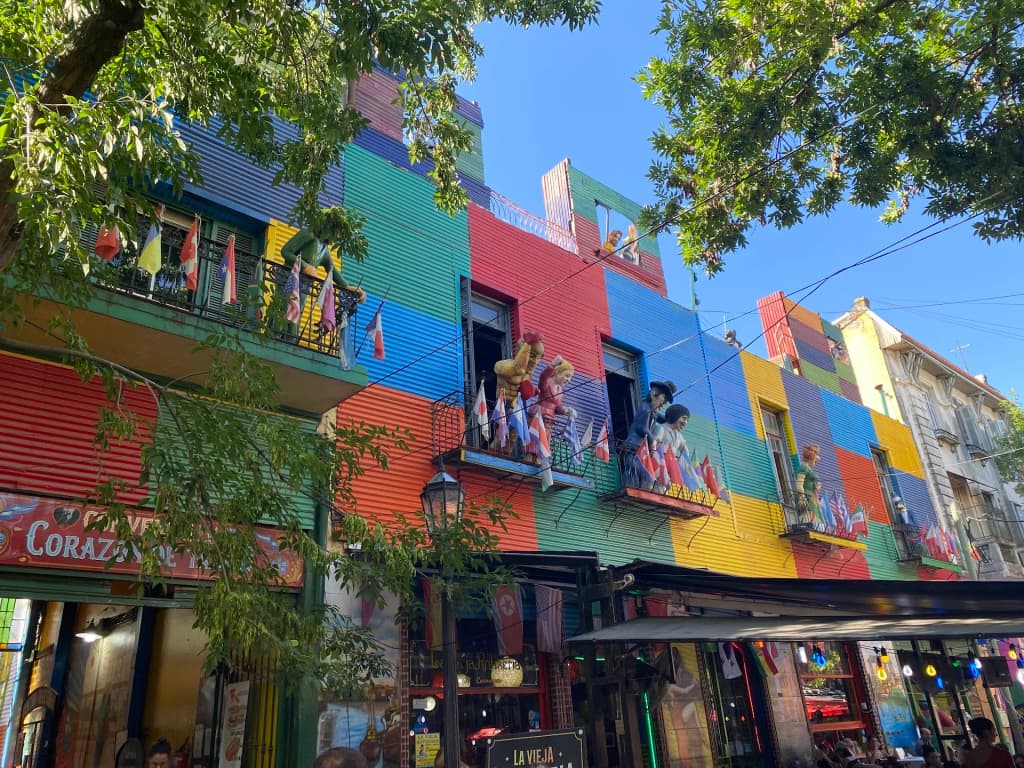
At the neighborhood's most iconic corner, a small crowd spills out onto the cobblestones, their voices a rapid-fire staccato of Argentine Spanish. I push through the heavy glass doors of the Cachafaz shop, instantly hit by the blast of cool air conditioning and the rich, buttery aroma of baking chocolate. There is a story here, one that locals whisper with a hint of dramatic flair.
"They left on a Tuesday," the woman behind the counter tells me, her hands moving expertly as she stacks gold-foil boxes. She has kind eyes and a smile that suggests she has told this story a thousand times.
"Left Havanna, you mean?" I ask, leaning against the glass display, referencing the country's most famous sweets brand.
"Exactly." She slides a sample of a chocolate-coated alfajor across the counter. "Three workers. By Thursday, they had opened this place. They knew the recipe, you see. Now? We are the best in Argentina. Try it."
I take a bite. The dark chocolate snaps delicately before giving way to a dense, impossibly smooth core of dulce de leche. It tastes like sweet revenge. I hand over eighteen thousand pesos—roughly a twenty-dollar bill, depending on the daily exchange rate—for four boxes and a jar of pure dulce de leche, knowing they won't last the week. Outside, a couple dressed in sharp black and crimson strikes a dramatic tango pose for a tourist's camera, the woman's heel clicking sharply against the pavement. La Boca is a theater, and everyone plays their part. But you have to know where the stage ends; stray just a few blocks past the invisible safety boundary marked by the tourist police, and the colorful facades give way to a grittier, unforgiving reality.
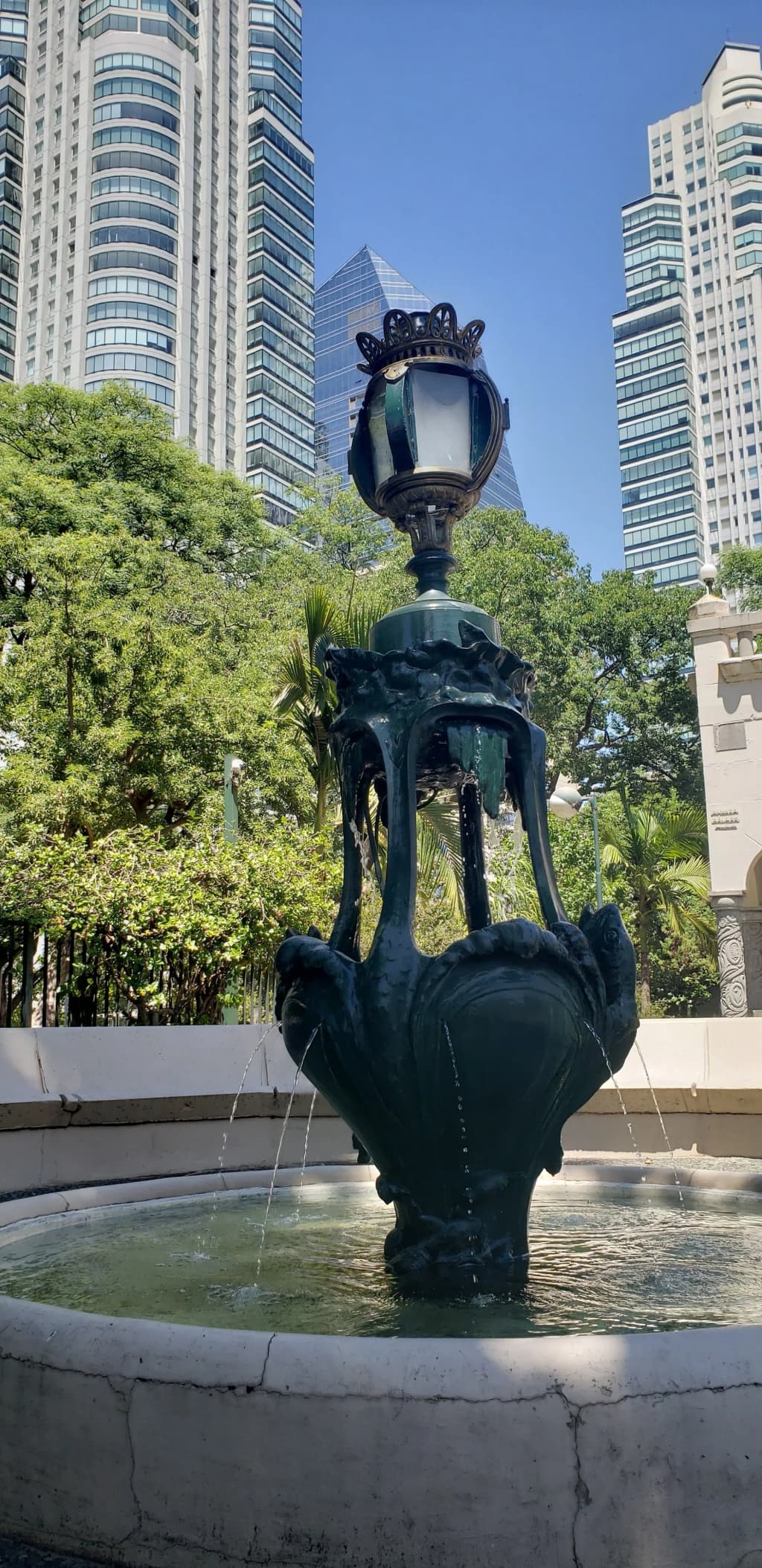
The transition from the working-class passion of La Boca to the sleek, glass-and-steel serenity of Puerto Madero feels like crossing into another dimension. I drop my bags at the Belive Madero, a modest but perfectly located hotel, and walk down to the waterfront. The old red-brick grain warehouses have been reborn as upscale cafes and universities, their rough textures smoothed by decades of gentrification. The water in the canal, flowing in from the immense Río de la Plata, reflects the towering modern skyscrapers that define this new Buenos Aires. The air here smells cleaner, tinged with expensive perfume and roasted coffee instead of street meat.
Hunger eventually drives me to a waterfront parrilla. The waiter, dressed in a crisp white apron that rustles as he moves, sets down a small basket of fresh bread, savory crackers, and a dish of herbed cheese. It is the cubierto—a standard cover charge woven into the fabric of Argentine dining, a few extra pesos added to your bill for the table setting. I order the ojo de bife. When it arrives, the ribeye is a masterpiece of fire and smoke, sizzling audibly on the ceramic plate, perfectly charred on the outside and ruby red within. I pair it with a side of creamed spinach and caramelized sweet potatoes dolloped with cool cream cheese. The rich, metallic tang of the meat begs for a glass of robust, plum-dark Malbec, which washes it all down perfectly. For dessert, a dulce de leche volcano erupts beneath a melting scoop of vanilla ice cream. The bill for a feast that could feed a small army comes to just over a hundred dollars. In this city, indulgence rarely demands ruin.
Walking off the heavy meal, I follow the canal toward a striking silhouette against the twilight sky. The Puente de la Mujer—the Bridge of the Woman—stretches across the water like a white ribbon pulled taut. Its design is brilliant, an architectural abstraction of a couple dancing tango. The towering mast represents the man, strong and anchored, while the sweeping curve of the pedestrian walkway mimics the graceful backbend of the woman. I lean against the cool metal railing and watch as the massive central section slowly pivots, its mechanical hum barely audible over the lapping water, to let a sleek sailboat pass through.
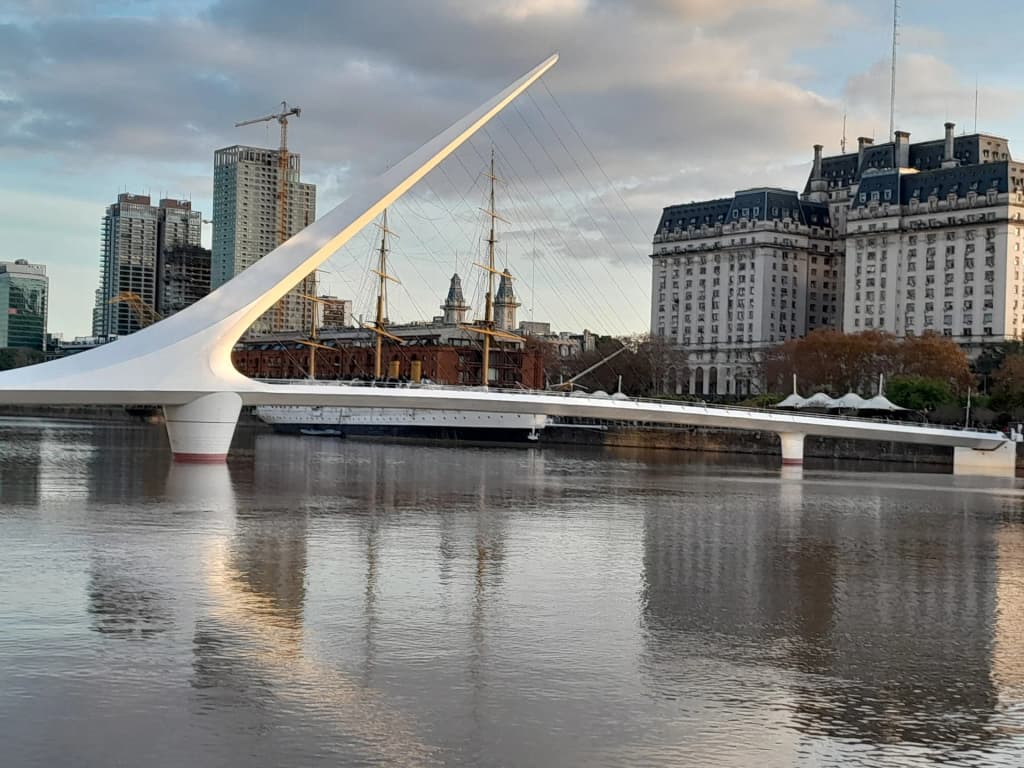
I wander past the historic ARA Uruguay museum ship, its wooden masts a stark contrast to the modern bridge, and make my way toward the Faena Hotel. Designed by Philippe Starck, the luxury property is a fever dream of red velvet and exposed brick. I ask the concierge about tonight's tango show, hoping for a last-minute cancellation.
"We are completely full tonight, señor," she says, shaking her head with an apologetic smile. "You must book these weeks in advance."
"Next time, then," I reply. The city's rhythms wait for no one.
Night falls completely by the time I wander into the cobblestone streets of San Telmo. The air here feels older, heavier with history and the damp chill of the evening. I am not hungry, but the smell of searing beef on a flat-top grill at Perez-H is impossible to ignore. It is a tiny, unassuming burger joint glowing with neon, a stark departure from the white-tablecloth elegance of Puerto Madero. I order a simple cheeseburger and a cold draft beer. By paying in efectivo—cold, hard cash—the price drops drastically to a mere five dollars, a practical magic trick you quickly learn to master in Argentina.
I take my food to a small table on the sidewalk. The burger is greasy, salty, and perfect. The beer is ice cold, leaving rings of condensation on the metal table. A stray dog trots by, its nails clicking on the stones, and somewhere in the distance, the faint, melancholic wheeze of a bandoneon drifts through the humid night air. Buenos Aires is a city that constantly pulls you in two directions—between the opulent and the raw, the historic and the modern, the sweet and the savory. You do not just visit this place. You let it lead, and you try your best to keep in step.
More Photos
More Adventures
 $50 - $120/day 4-7 days
 Sensory Buenos Aires: Smoke, Stone, and Neon Lights
Immerse yourself in Buenos Aires. Experience the contrasts from the smoky grills of San Telmo to the neon-drenched pizzerias of Avenida Corrientes.
 $50 - $150/day 5-7 days
 Buenos Aires 5-Day Itinerary: Perfect Neighborhood Guide
Plan your perfect Buenos Aires trip with this meticulously organized 5-day neighborhood itinerary. Discover where to stay, costs, and a medieval village.
 $100 - $300/day 1-3 days
 Escape the Airport: Conquer Your Luanda Layover
Think a layover in Luanda means killing time at the airport? Think again. Discover the fortress, island sunsets, and the ultimate Angolan adventure.
 $120 - $250/day 1-2 days
 Hack the Alps: Milan to St. Moritz Day Trip on a Budget
Discover how to travel from Milan to St. Moritz on a budget. Skip the Bernina Express, take the regional train, and experience the Swiss Alps like a pro.