
Chasing Shadows and Sunrise: Ten Days Between Istanbul and Cappadocia
Experience the sensory contrasts of Turkey on a ten-day journey from the aromatic, bustling streets of Istanbul to the ethereal dawn skies of Cappadocia.
The smell hits you first. Roasted chestnuts, salty sea mist, and the sharp, earthy tang of strong black tea brewing in a copper pot. I am standing near the Galata Bridge, watching the Bosphorus churn beneath the weight of a dozen commuter ferries. The October air carries a distinct chill, a gentle reminder that the sweltering European summer has finally broken, leaving behind a city that takes a collective, refreshing breath. Seagulls scream overhead, diving toward the dark blue water, their cries weaving into the melodic, haunting drone of the midday call to prayer echoing from distant minarets.
I step away from the water's edge and approach a small, red-roofed cart. The vendor, an older man with deep laugh lines and a thick woolen flat cap, is arranging sesame-crusted bread rings in a perfect, overlapping circle. My stomach rumbles, reminding me that I haven't eaten a proper meal since the long flight.
"You are looking with your eyes, but your stomach is talking," he says, his English heavily accented but warm.
"It's that obvious?" I ask, pulling a few lira from my pocket.
He laughs, a rich, booming sound that seems to vibrate from his chest. "In Istanbul, everyone is hungry. And everyone is fed. Eat this. Then drink tea. Then you will understand the city."
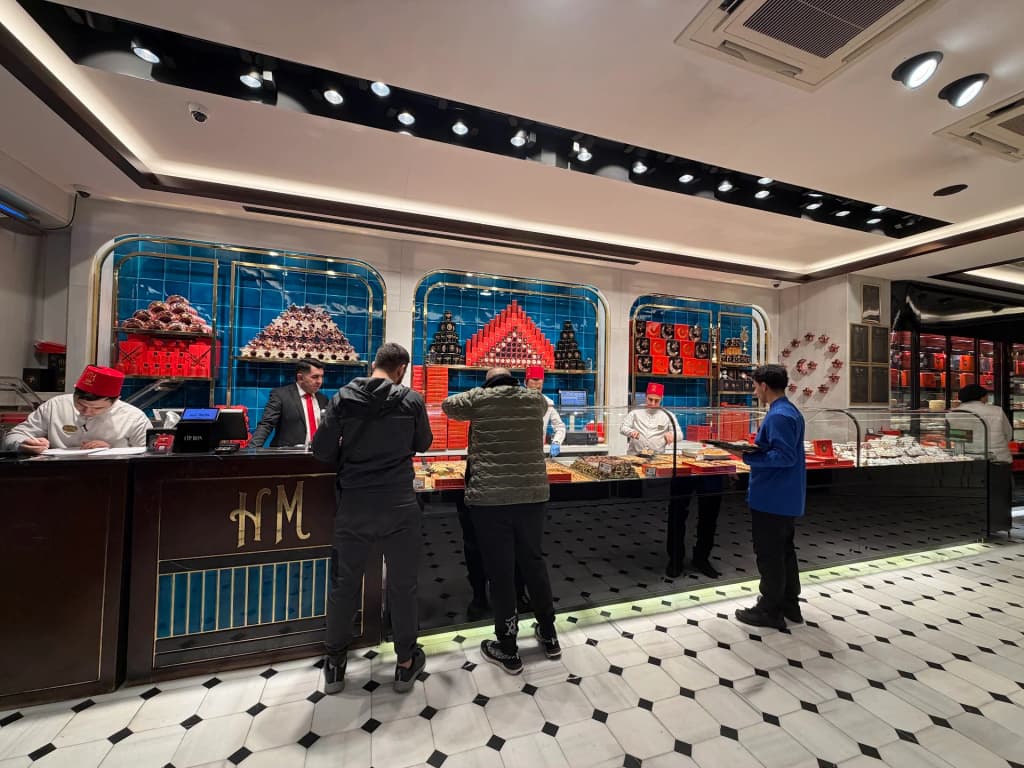
He wraps the simit in a small piece of rough paper and hands it to me. The bread is still warm, the crust perfectly crisp, giving way to a soft, chewy center that tastes faintly of molasses. It costs the equivalent of pennies. This is the quiet revelation of Turkey—it is a place that rewards the hungry and the curious without punishing the wallet. A ten-day journey here, split evenly between the frenetic energy of this metropolis and the lunar silence of Cappadocia, requires far less financial gymnastics than you might expect from a European borderland. You can easily navigate the culinary landscape on twenty dollars a day, feasting on perfectly spiced kebabs, warm flatbreads, and endless tulip-shaped glasses of tea, or you can double that amount and lose yourself in rooftop restaurants pouring deep, ruby-red local wines.
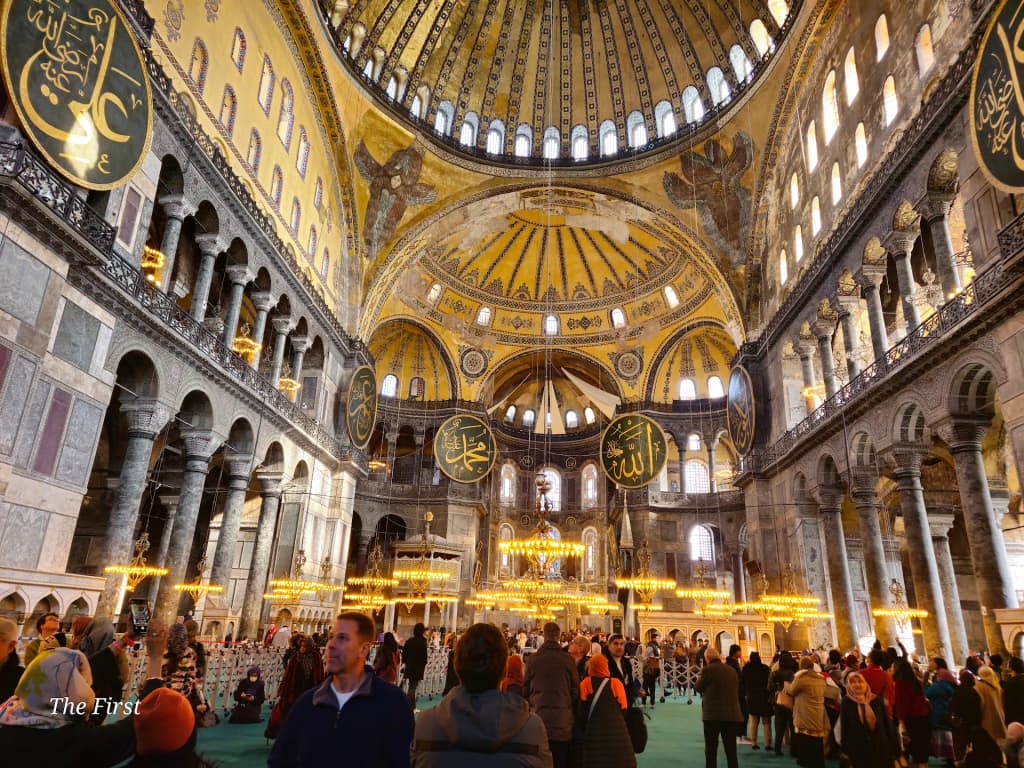
The transition from the chaotic streets to the sacred interiors of Sultanahmet is jarring in the most beautiful way possible. I arrive just as the heavy wooden doors of the great mosques are unlocked for the morning. Booking a combined guided tour for the day sets you back roughly ninety dollars—a nominal fee for seven hours of deep, immersive context in a place where every stone has witnessed empires rise and fall.
Inside the Hagia Sophia, the air changes. It feels heavier, cooler, thick with the weight of centuries. The chaotic noise of the city outside is instantly muffled, replaced by the soft padding of stockinged feet on thick carpets and the hushed whispers of travelers looking upward. The light filters down from the massive dome in thick, dusty beams, illuminating the gold mosaics that still cling to the upper arches. You can run your hand along the cold, smooth marble pillars and feel the slight indentations worn away by millions of hands over a millennium. It is a space that makes you feel incredibly small, a fleeting shadow passing through a monument designed for eternity.
The jump from the maritime sprawl of Istanbul to the arid heart of central Turkey is surprisingly effortless. The domestic flight takes barely an hour and fifteen minutes, a quick hop that transports you from a city of water and minarets to a landscape that looks entirely extraterrestrial. Stepping out of the small airport in Cappadocia, the autumn air is noticeably thinner, sharper, carrying the scent of dry dust and ancient rock.
To sleep in Cappadocia is to sleep inside the earth itself. The cave hotels, carved directly into the soft volcanic tuff, are a sensory experience entirely their own. You step through a heavy wooden door into a room where the walls curve organically, cool to the touch and smelling faintly of damp earth and burning wood from a nearby fireplace. A comfortable, authentic cave room sets you back what a budget motel might cost in Paris—perhaps fifty to a hundred dollars a night—but it wraps you in a profound, heavy silence. The textures are a study in contrasts: rough, ancient stone walls draped in brilliantly colored, intricately woven Turkish rugs that feel soft and warm beneath bare feet.
The morning cold is piercing. It is five o'clock, and the darkness of the Cappadocian plateau is absolute, punctuated only by the intermittent, dragon-like roars of propane burners. I am standing in a dusty field, my breath pluming in the freezing October air, watching massive envelopes of nylon slowly swell and rise from the ground.
Handing over a hundred and twenty dollars for the hot air balloon flight feels abstract in the freezing dark, but as you climb into the woven wicker basket and the pilot hits the burner, the concept of money evaporates. The heat from the flame washes over my face, a sudden, intense wave of warmth against the biting cold.
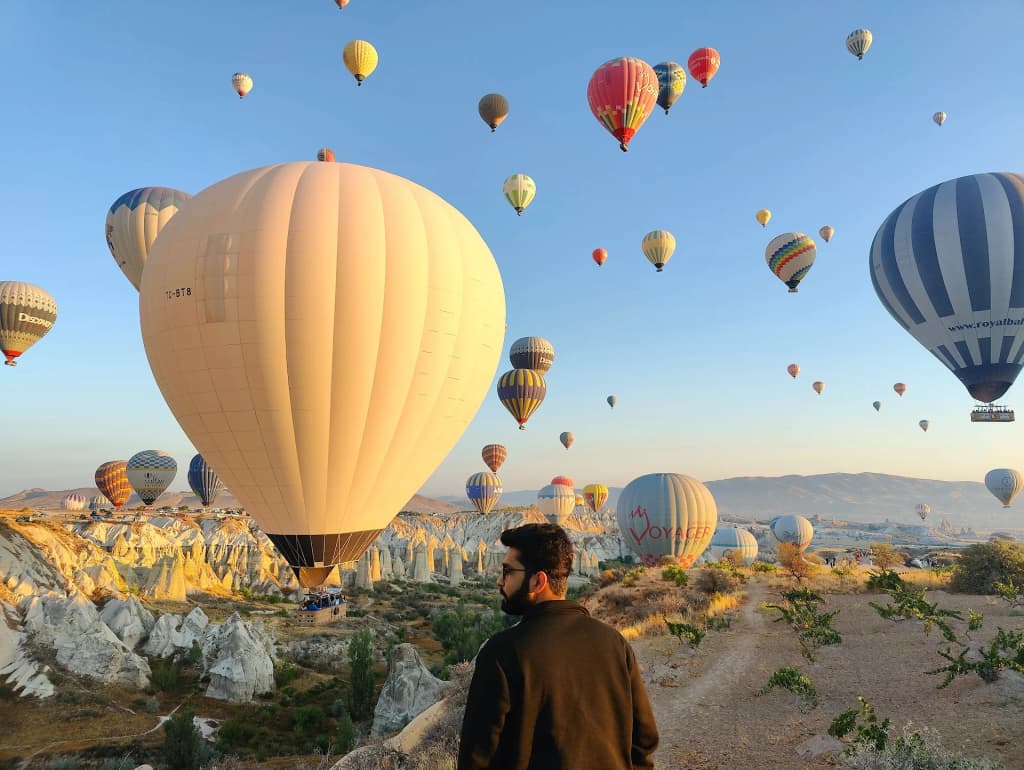
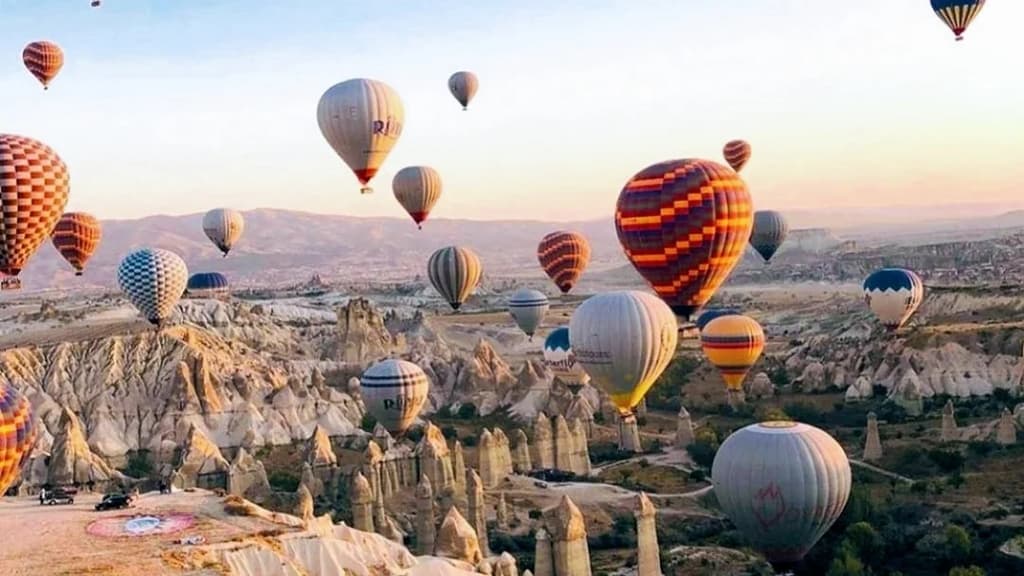
We lift off so smoothly that it feels as though the earth is simply falling away beneath us. There is no engine noise, no turbulence, just the occasional hiss of the burner and the collective gasp of the people in the basket. As we drift upward, the sun crests the horizon, spilling liquid gold across the jagged, surreal landscape of fairy chimneys and deep, shadow-filled valleys. Dozens of other balloons hang suspended in the dawn sky, colorful teardrops against a canvas of bruised purple and pale orange.
Looking down at the ancient, wind-carved rocks, I realize that ten days in this country is barely enough to scratch the surface. You come for the grand monuments and the famous skies, but what stays with you is the warmth of the bread, the heavy silence of the caves, and the way the Bosphorus catches the afternoon light. It is a place that does not just show you its history; it asks you to sit down, drink a glass of tea, and become a part of it.
More Photos
More Adventures
 $120 - $350/day 2-3 days
 Disneyland Paris Strategy: Ride Hacks & Coaster Secrets
Think you know Disney? Think again. Discover the underground secrets, massive coasters, and insider hacks to conquer Disneyland Paris like a pro.
 $50 - $120/day 4-7 days
 Sensory Buenos Aires: Smoke, Stone, and Neon Lights
Immerse yourself in Buenos Aires. Experience the contrasts from the smoky grills of San Telmo to the neon-drenched pizzerias of Avenida Corrientes.
 $50 - $150/day 5-7 days
 Buenos Aires 5-Day Itinerary: Perfect Neighborhood Guide
Plan your perfect Buenos Aires trip with this meticulously organized 5-day neighborhood itinerary. Discover where to stay, costs, and a medieval village.
 $50 - $150/day 3-5 days
 Tango, Steak, and Rivalries: A Buenos Aires Story
Experience the soul of Buenos Aires. From the colorful streets of Caminito to the modern elegance of Puerto Madero, discover where to eat, walk, and explore.