
Chasing the Rhythms and Wild Soul of the Caribbean
Forget the standard resort vacation. Dive deep into the Caribbean's true heart, from the volcanic peaks of St. Lucia to the rhythmic streets of Havana.
The smell hits you first. Thick, damp earth mixed with the sharp tang of sulfur and bruised mangoes rotting sweetly in the underbrush. I am standing near the base of the Gros Piton in Saint Lucia, and the morning humidity already clings to my skin like a hot, wet shirt. The jungle here doesn't just grow; it breathes. It pulses with the metallic chirp of tree frogs and the rustle of unseen creatures moving through the broad, waxy leaves of banana plants.
My guide, an older man named Elias whose smile crinkles the deep corners of his eyes, hands me a machete-cut coconut.
"You're breathing heavy already," he says, a deep rumble of amusement vibrating in his chest.
"We haven't even started the climb," I admit, wiping a stinging bead of salt from my brow.
He laughs, sliding his blade into a worn leather sheath at his hip. "Island time, my friend. The mountain isn't going anywhere. Drink."
The coconut water is intensely sweet and slightly warm, tasting of the fertile volcanic soil from which it sprang.
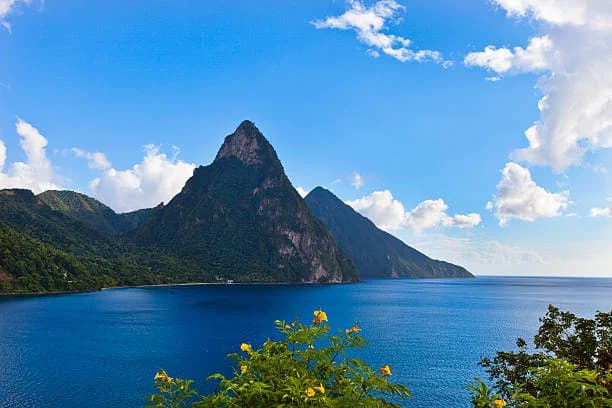
We begin the ascent. The hike up the Pitons is less of a walk and more of a four-hour scramble over jagged, dark volcanic rock, pulling ourselves up by exposed tree roots. The fifty-dollar national park fee I paid at the entrance feels like an absolute bargain once we break through the tree line. The view expands into a ridiculous, blinding shade of sapphire. The eastern Caribbean Sea stretches out endlessly, curling around the island's lush western coast where small fishing villages cling to secluded bays. Saint Lucia is a place of dramatic contrasts—luxury resorts hiding just out of sight from raw, untamed, clifftop waterfalls.
You don't just fly between Caribbean islands; you shift between entirely different dimensions. The short hop over the glittering sea in a twin-engine prop plane trades the untamed, vertical jungles of the Lesser Antilles for the sprawling, time-worn poetry of the Greater Antilles.
Stepping onto the pavement in Havana is like walking into a beautiful, chaotic fever dream. The rhythmic clatter of a 1950s Chevy engine echoes off crumbling pastel facades, vibrating right through the soles of my boots. The air here tastes completely different—a heavy, intoxicating cocktail of cheap rum, sea salt blowing off the Malecon, and thick, sweet cigar smoke.
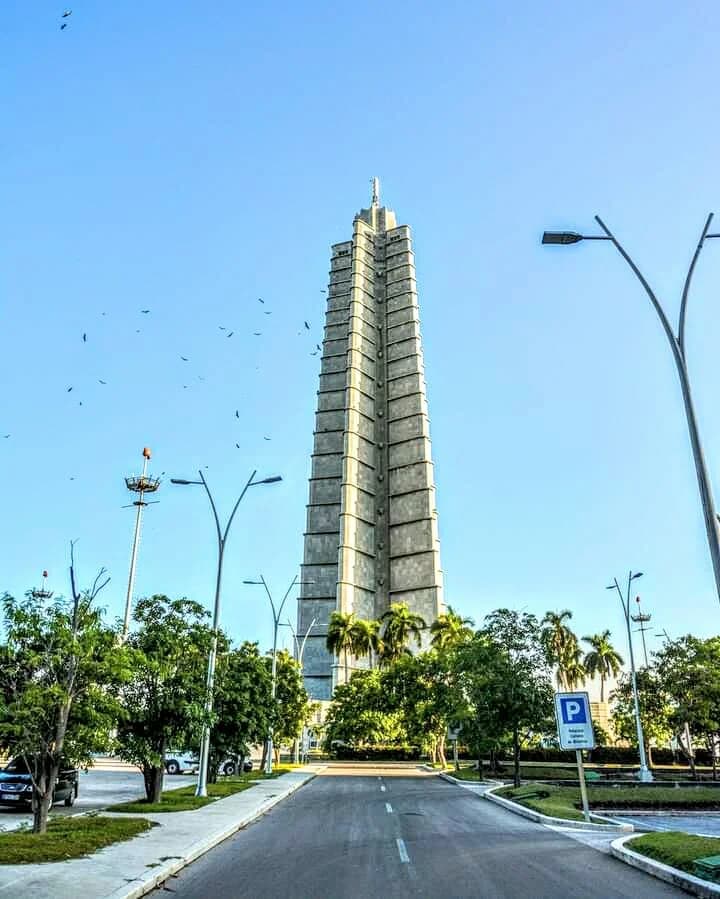
I wander down a narrow street in Habana Vieja, running my fingertips over walls where three generations of blue paint are peeling away like sunburned skin. The city is a living museum, but it is far from quiet. A pulsating son cubano leaks from a second-story window, mingling with the shouts of a street vendor selling roasted peanuts in little paper cones.
Navigating the practicalities of Cuba requires a shift in mindset. The old dual currency system is gone, but the reality of daily commerce remains complex. I quickly learn that bringing enough euros or dollars in cash to exchange at the local cadecas is essential, as foreign credit cards still stutter and fail in the island's aging card readers. But the minor logistical hurdles dissolve the moment I sit at a hole-in-the-wall paladar. I order a mojito. The bartender crushes raw mint with coarse brown sugar using a wooden muddler, the sharp, herbaceous scent cutting through the humid afternoon. It tastes like pure, unadulterated life.
The trade winds carry me south, skimming just off the coast of Venezuela to the ABC islands. If Saint Lucia is a wild jungle and Cuba is a faded colonial poem, then Curacao is a brilliant, sun-drenched painting.
The climate shifts instantly. The dense humidity vanishes, replaced by an arid, desert-like heat and a constant, cooling breeze that sweeps across the island's cactus-dotted terrain. I arrive in Willemstad just as the late afternoon sun turns the city into a glowing jewel box.
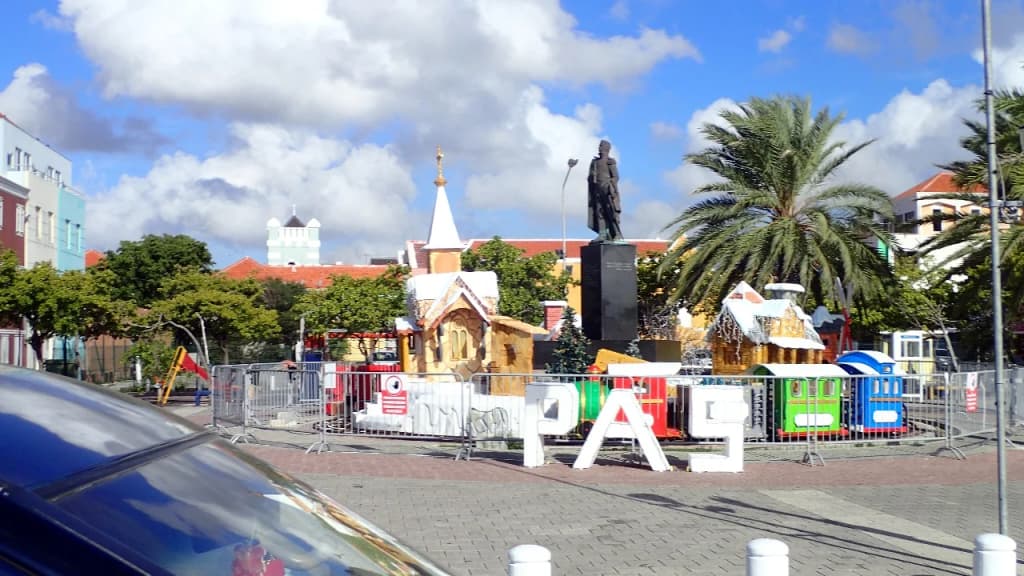
I stand along the Handelskade, captivated by the row of Dutch colonial townhouses painted in shocking shades of flamingo pink, cobalt blue, and canary yellow. The architecture whispers of Amsterdam, but the soul is entirely Caribbean, baked by the equatorial sun and shaped by centuries of maritime trade. I hear the rapid, melodic chatter of Papiamento—a beautiful linguistic stew of Dutch, Spanish, Portuguese, and African dialects—drifting from a nearby café.
Suddenly, a bell rings out across the harbor. I watch as the Queen Emma Bridge, a floating pontoon structure right in the center of town, literally detaches and swings open on hinges to let a massive cargo ship pass through. It's a free, everyday spectacle, and locals barely pause their conversations as the bridge glides over the deep blue water.
I find a small seaside table and order a plate of keshi yena, a traditional dish of spiced meat baked inside a shell of Gouda cheese. The salty, savory richness perfectly grounds the airy, wind-swept atmosphere of the island.
As the sun dips below the horizon, painting the sky in bruised purples and burnt oranges, I realize the futility of trying to define this region. The Caribbean isn't just a postcard of a white-sand beach. It is the synthesis of continents. It is the resilience of its people. It is a wild, beautiful rhythm that you feel vibrating in your chest, long after the plane touches back down in the cold, gray reality of home.
More Photos
More Adventures
 $60 - $150/day 5-7 days
 Conquering Florianópolis: A 6-Day Wild Island Escape
Skip the tourist traps in Florianópolis. Discover secret islands, massive sand dunes, and boat-access-only lagoons in this high-octane 6-day Brazil itinerary.
 $60 - $150/day 5-10 days
 Chasing Witches and Wild Coastlines in Florianópolis
Discover the wild soul of Florianópolis, Brazil. A sensory journey through the trails of Lagoinha do Leste, Azorean fishing villages, and Ilha do Campeche.
 $600 - $2500/day 4-7 days
 Chasing the Wind and Luxury in St. Barts
Experience the striking contrasts of St. Barts. This narrative guide takes you from the wild hikes of Colombier to the uncompromising luxury of Gustavia.
 $120 - $300/day 7-14 days
 Forget the Textbooks: Uncovering Virginia's Wild Side
Think Virginia is just history? Think again. From brutal mountain scrambles to urban whitewater rafting, here is your ultimate adrenaline-fueled guide.