
Cinematic Roads and High-Altitude Wines: Five Days in Salta
Salta’s colonial heart, Andean peaks, and bold wines unfold in a sensory journey through Argentina’s northwest. Five days of flavors, vistas, and altitude.
The air is thin and sweet with the scent of dust and eucalyptus as I step out into Salta’s city center, the mountains rising like silent sentinels beyond the colonial facades. It’s evening, and the Plaza 9 de Julio glows under a lattice of golden streetlights. Laughter drifts from the open doors of cafés, mingling with the distant toll of church bells. I wander, drawn by the hum of conversation and the promise of empanadas crisped in olive oil.
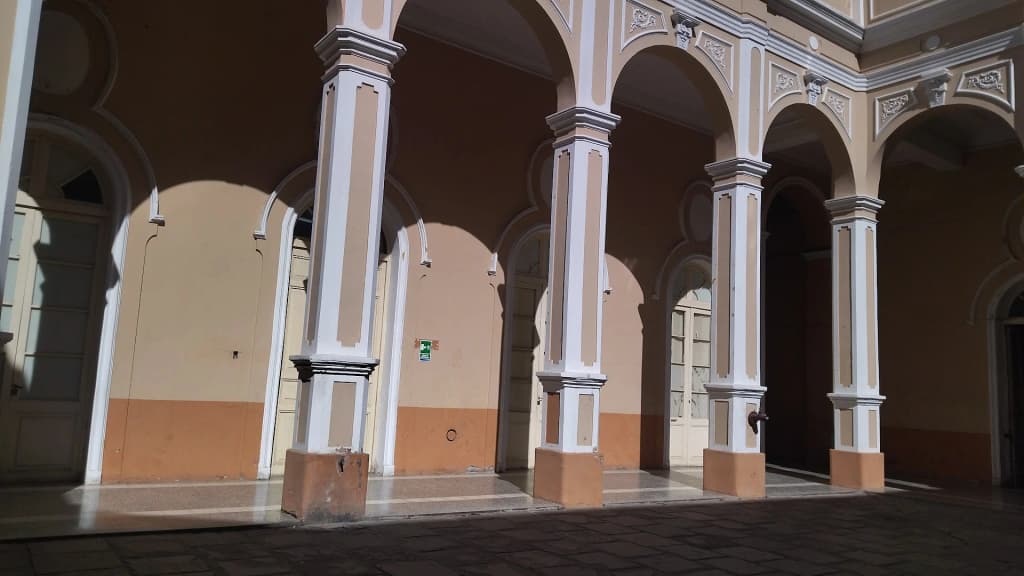
A woman in a red shawl stands behind a cart, arranging coca leaves in neat bundles. “For the altitude,” she says, pressing a handful into my palm. Her fingers are stained green. “You’ll need them if you go to the mountains.” I tuck the leaves into my pocket, the papery texture a reminder of the heights to come. Around me, the city’s colonial bones reveal themselves: pastel houses with wrought-iron balconies, the ochre-and-cream spire of Iglesia San Francisco rising against the indigo sky. Even at night, the church is luminous, its facade lit in soft gold. I linger, watching couples drift by, their footsteps echoing on the old stones.
Morning brings a gentler light, and the city’s rhythm shifts. I find myself in a café on the plaza, the aroma of strong coffee and medialunas curling through the air. The waiter, a young man with a quick smile, leans in as he sets down my cup. “You’re not from here,” he says, more observation than question.
“No,” I admit, “but I wish I was.”
He laughs, sliding a plate of humitas my way. “Then stay longer. Salta is slow. You have to let it open.”
I take his advice to heart as I wander the city’s historic core, where time seems to pool in the shade of jacaranda trees. The Museo de San Francisco opens its heavy doors at nine, and for a few pesos, I climb the narrow stairs to the church’s tower. The city unfurls below, terracotta roofs and distant peaks, the air cool and thin. Even in winter, the cold is gentle—just enough to make the sunlight feel like a blessing.
The road out of Salta is a ribbon of asphalt winding through cinematic landscapes. Cardones—tall, ancient cacti—stand in silent rows, their arms raised to the sky. The car climbs steadily, the engine straining as we ascend toward Parque Nacional Los Cardones. At a roadside stop, I chew a coca leaf, letting its bitterness melt into my saliva. The altitude presses in, a gentle but insistent reminder that I am far from sea level.
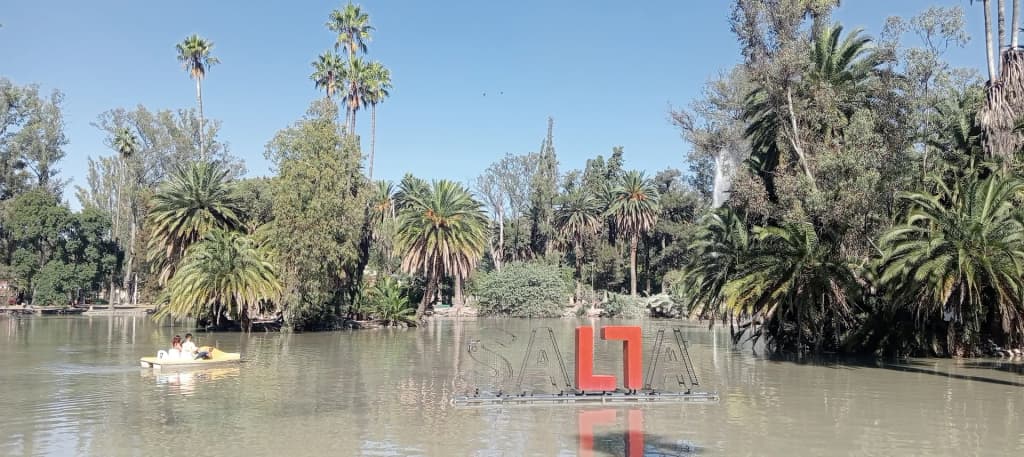
The landscape is otherworldly—red earth, blue shadows, the river tracing silver through the valley. At 3,000 meters, the air is thinner, the silence deeper. I stop at a mirador, the wind cold on my face, and watch as clouds drift across the peaks. “It’s like another planet,” a fellow traveler murmurs, camera in hand. I nod, unable to find words that match the scale of it all.
Lunch is a slow affair in a vineyard perched at 2,000 meters. The sun is sharp, the sky impossibly blue. Rows of vines stretch toward the mountains, their leaves thick and dark from the high-altitude sun. The sommelier pours a glass of Malbec, its color almost black in the light. “The grapes grow smaller here,” she explains, “but the flavor is more intense.”
The tasting menu arrives in careful succession: llama carpaccio, tamales, a dessert of candied cayote. Each course is paired with a different wine, the flavors deepening with every sip. The conversation drifts from the peculiarities of altitude to the history of the estate—founded in the 1800s, restored with reverence for its colonial past. “You must book ahead for the tasting,” she reminds me, “but the guided tour is free if you just want to wander.”
Night falls in Molinos, a town that feels suspended in time. I check into a hacienda with thick adobe walls and a courtyard fragrant with jasmine. The building once housed a provincial governor; now it’s a boutique inn, its rooms cool and quiet, the only sound the distant rush of wind through the mountains. I struggle a little with the altitude—breath coming short, heart beating faster—but the stillness of the place is a balm. Dinner is served in a candlelit dining room: local lamb, Andean potatoes, a glass of Torrontés that tastes of wildflowers and sun.
The next day, the road leads to Quebrada de las Flechas, where the earth rises in jagged fins, pale and sharp as the bones of some ancient beast. The car bumps along Ruta 40, dust swirling in the afternoon heat. The landscape is stark, almost lunar, and for a moment I feel as if I’ve slipped into a dream. The wind whistles through the rocks, carrying the scent of sage and stone. I stop, step out, and let the silence settle around me.
A local driver, his face weathered by sun and wind, grins as he watches me take it all in. “You like our mountains?” he asks.
“They’re incredible,” I say, breathless.
He nods, satisfied. “They’ve been here longer than any of us. They’ll be here long after.”
By the time I return to Salta, the city feels different—familiar, almost. I sit in the plaza as dusk falls, the air warm and filled with the scent of grilled meat and orange blossoms. The church bells ring again, and I think of the roads I’ve traveled: the taste of high-altitude wine, the hush of ancient mountains, the slow unfolding of a city that rewards patience. I close my eyes and let the sounds and smells of Salta settle into memory, knowing that some places linger long after you leave.
More Photos
More Adventures
 $50 - $150/day 1-2 days
 Conquer the Serra Verde Express: Brazil's Wildest Train
Ditch the tourist traps and ride the Serra Verde Express from Curitiba to Morretes. Discover ticket tips, seating secrets, and the best Barreado.
 $50 - $120/day 4-7 days
 Sensory Buenos Aires: Smoke, Stone, and Neon Lights
Immerse yourself in Buenos Aires. Experience the contrasts from the smoky grills of San Telmo to the neon-drenched pizzerias of Avenida Corrientes.
 $50 - $150/day 5-7 days
 Buenos Aires 5-Day Itinerary: Perfect Neighborhood Guide
Plan your perfect Buenos Aires trip with this meticulously organized 5-day neighborhood itinerary. Discover where to stay, costs, and a medieval village.
 $30 - $60/day 3-5 days
 A Free-Wandering Sunday Through Palermo and Recoleta
Wander through the lush parks of Palermo and the grand architecture of Recoleta on a sensory walking route that proves Buenos Aires' best experiences are free.