
The Cliffside Soul of Lima: Why You Shouldn't Just Pass Through
Experience the sensory magic of Lima, Peru. From the cliffside views of Miraflores to Barranco's street art, discover why this city deserves three days.
The air tastes of sea salt and exhaust, a uniquely urban coastal blend that coats the back of your throat. The heavy, silver sky presses down on the city, making the colors on the cliffside pop with a defiant brilliance. I am standing on the edge of Miraflores, where the concrete abruptly ends and drops off into the churning, slate-gray Pacific. Surfers below look like tiny black seals bobbing in the freezing swells. Lima is famously overcast—a phenomenon the locals call la panza de burro, the donkey's belly—but it rarely rains. The clouds just hang there, keeping the temperature at a perfectly temperate twenty-five degrees.
I walk along the Malecón, the serpentine parkway that hugs the cliff's edge. Paragliders catch the thermals, drifting silently overhead while couples interlock fingers near the massive kissing statue in the Parque del Amor. I chose a small hotel just a few blocks from here. It is the tactical choice for this city; staying in Miraflores means I can navigate almost entirely on foot, letting the rhythm of the neighborhood dictate my days without worrying about transit.
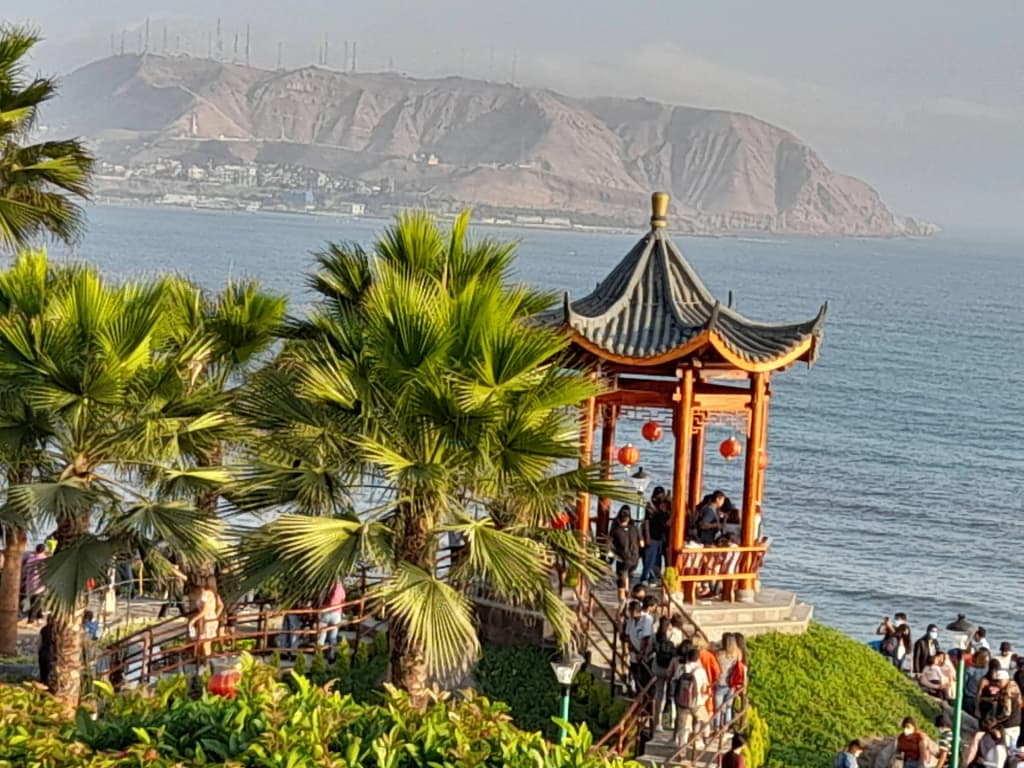
The paved path gently slopes southward, pulling me toward Barranco. The transition is subtle but unmistakable. The polished high-rises give way to crumbling colonial mansions painted in faded ochre, deep magenta, and seafoam green. The distant strumming of a Spanish guitar drifts from an open window, mingling with the low hum of traffic. Murals spill across alleyways, electric bursts of street art that seem to pulse against the city's gray canopy.
I pause near the Puente de los Suspiros, the Bridge of Sighs. An older woman is setting up a small cart under the shade of a ficus tree, the smell of roasting corn and sweet, smoky anticuchos drifting from her charcoal grill.
"You have to hold your breath," she tells me, pointing a pair of metal tongs toward the wooden bridge.
"The whole way across?" I ask, pulling a few Peruvian soles from my pocket to buy a skewer of meat. The beef heart is tender, coated in a spicy, garlicky marinade.
"If you want your wish to come true," she smiles, her eyes crinkling at the corners. "Most tourists give up halfway. They forget to breathe in the beauty first."
Her advice feels like a metaphor for the city itself. Most travelers treat Lima as a necessary, fleeting layover, rushing through the airport on their way to the high-altitude allure of Cusco and Machu Picchu. But if you hold your breath and stay for three days, the city reveals its deeply layered soul.
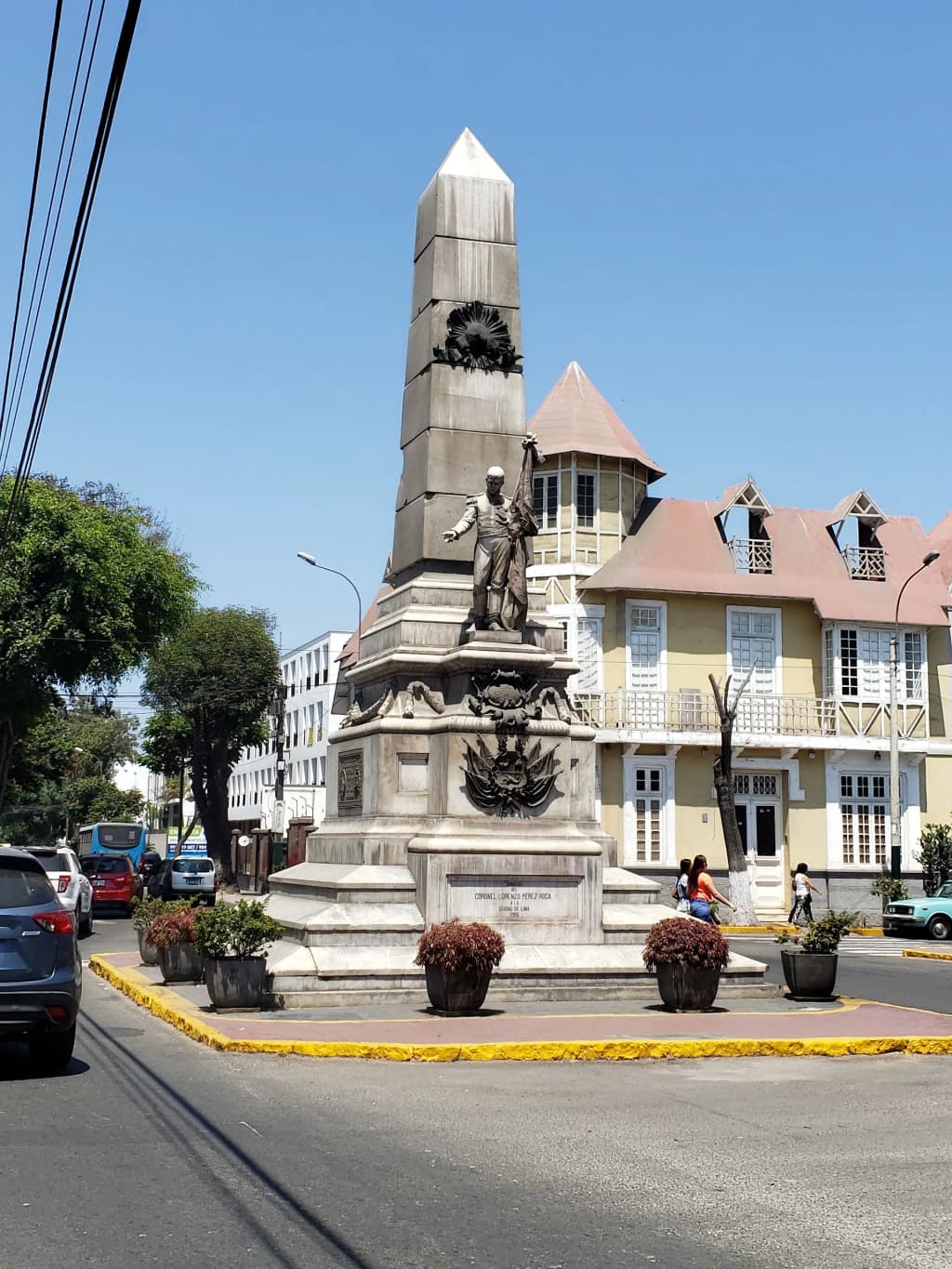
I decide to head downtown. Rather than battling the notorious local taxis—which I learned the hard way to avoid at the airport by booking a prepaid transfer—I call an Uber from my phone. It arrives in minutes, weaving through the chaotic, horn-heavy traffic toward the historic heart of the city. Sirens wail in the distance, and street vendors call out their prices in rapid-fire Spanish.
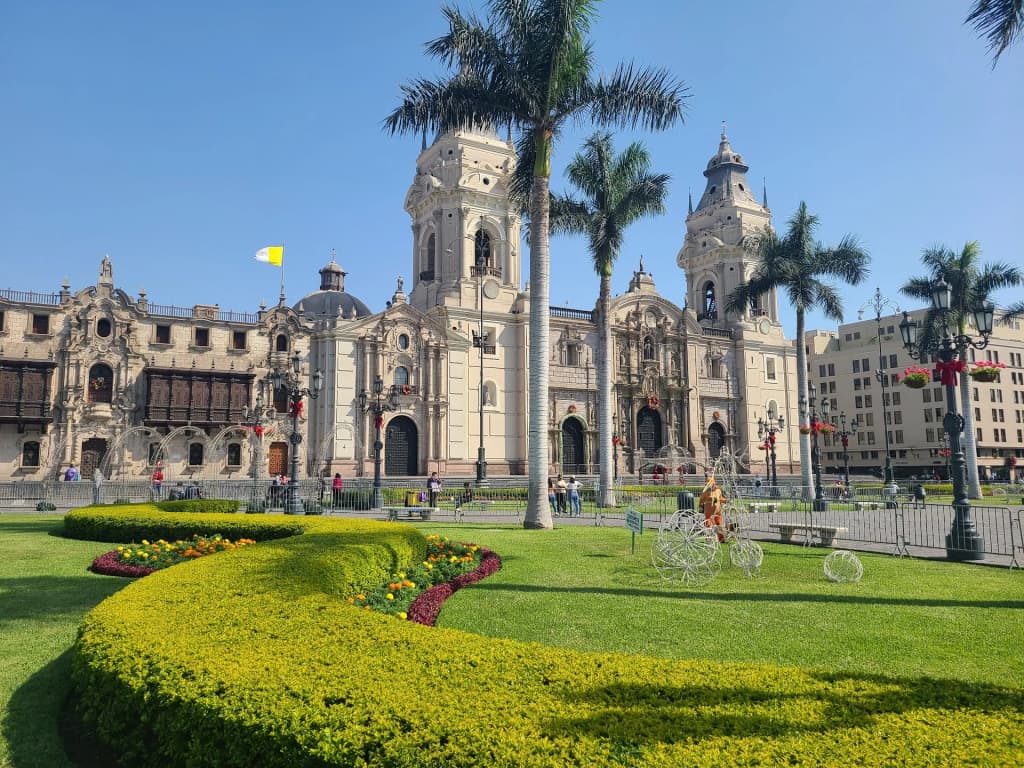
The Plaza Mayor opens up like a golden courtyard. The sheer scale of the Plaza de Armas demands a slow, sweeping gaze. The ornate yellow facades of the buildings are heavy with history, but it is the wooden balconies that captivate me. Intricately carved and jutting out over the streets like ornate birdcages, they were designed centuries ago for the city's elite to observe the bustling life below without being seen. I spend an hour just looking up, tracing the dark wood against the pale sky, before wandering into the cool, incense-heavy shadows of the Basílica.
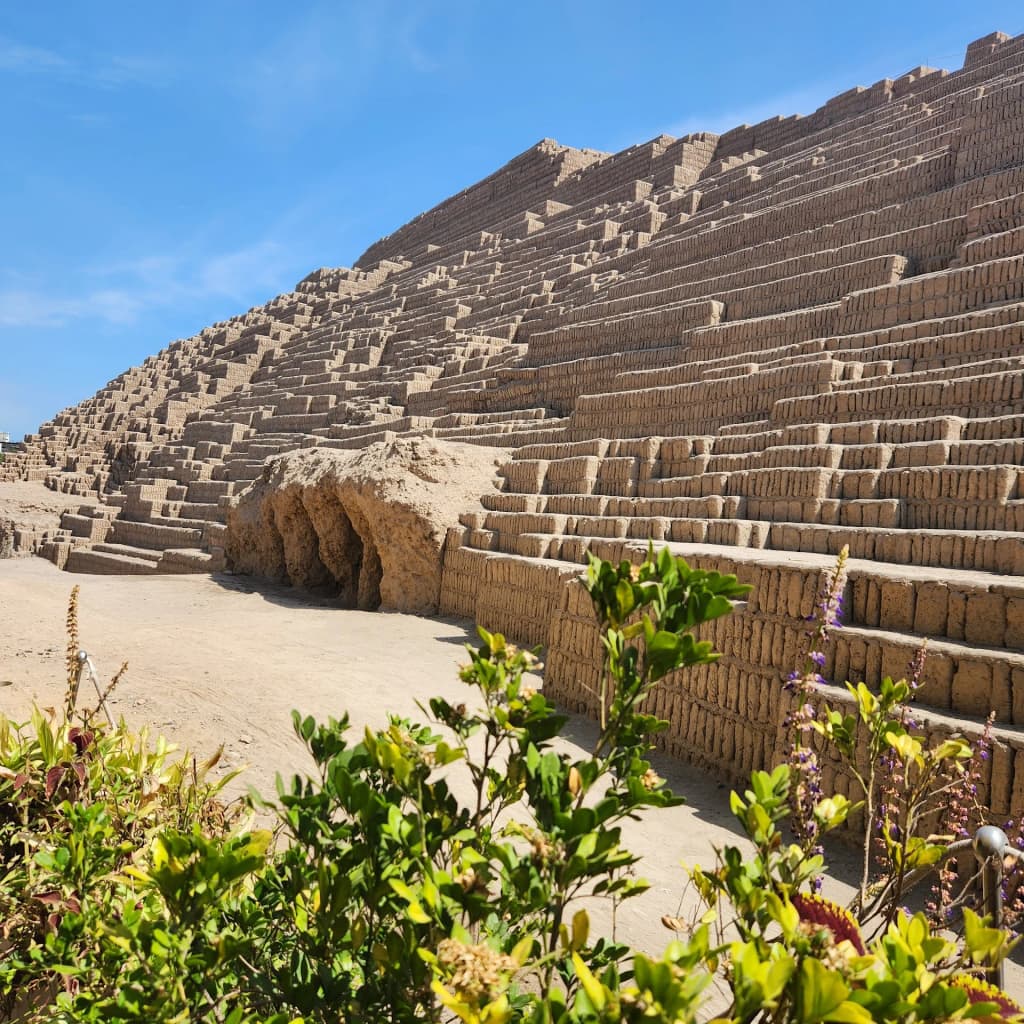
History in Lima isn't confined to colonial squares. Back in Miraflores, I find myself standing in the shadow of Huaca Pucllana. It is surreal to see a massive, pre-Incan pyramid made of adobe and clay bricks sitting right in the middle of a modern residential neighborhood, surrounded by upscale apartments and chic cafes. I pay the entrance fee using my global digital debit card—a lifesaver that converts my money at the commercial rate, sparing me the steep tourist exchange fees while ensuring I have enough local cash for the smaller vendors who don't take plastic.
As evening approaches, the city shifts gears. I walk toward Larcomar, a shopping center built straight into the cliff face. It shouldn't work, yet it does, offering uninterrupted views of the darkening ocean. The culinary reputation of this city is not overstated. While places like Central and Maido command reservations months in advance and hundreds of dollars for a tasting menu, the magic of Lima is that a ten-dollar plate of ceviche at a modest neighborhood joint can still bring tears to your eyes. I find a small table overlooking the water, ordering a plate of raw fish cured in sharp lime, cilantro, and the fiery kick of ají limo. The acid bites pleasantly at my tongue, perfectly balanced by the starchy sweetness of boiled corn and sweet potato on the side. Every bite tastes like the ocean itself, cold and bracing and alive.
Tomorrow, I will take a bus south toward the desert, to the towering dunes of Ica and the impossible green oasis of Huacachina. For a little over thirty dollars, a guided excursion will take me out of the urban sprawl and into a landscape that feels like another planet. I might even add the Ballestas Islands to see the sea lions and penguins. But tonight, I am perfectly content right here.
The ocean breeze picks up, rattling the canvas awnings of the restaurant. Below, the dark waves of the Pacific continue their endless, rhythmic assault on the rocky shore. I take a sip of my pisco sour, the sweet foam settling on my lips. The city hums behind me, a chaotic, beautiful symphony of car horns, distant laughter, and clinking glasses. People rush through Lima, always looking past it toward the mountains. They simply don't know what they are missing.
More Photos
More Adventures
 $80 - $200/day 5-7 days
 Conquer Cusco: The Ultimate High-Altitude Adventure
Push your limits in Cusco. From the dizzying heights of Machu Picchu to the brutal treks of the Sacred Valley, here is how you conquer the Andes.
 $45 - $120/day 15-21 days
 Thailand vs Philippines vs Bali: Which Should You Choose?
Compare Thailand, the Philippines, and Bali with exact budgets, transit times, and logistics. Plan your perfect 15-day Asia itinerary without the stress.
 $50 - $150/day 3-5 days
 Woodsmoke, Wrought Iron, and the Pulse of Maputo
Experience the raw energy of Maputo, Mozambique. From smoky fish markets to colonial railway stations, immerse yourself in an African capital of contrasts.
 $30 - $80/day 3-5 days
 Finding the Soul of Paris: A Guide to the City's Best Free Experiences
Experience the magic of Paris without spending a euro. From concealed Roman ruins to rooftop sunsets, discover the city's most immersive free experiences.