
Echoes of the Andes: A Sensory Journey Through Colombia
Experience Colombia's rebirth through a sensory journey, from the sizzling street food of Cartagena to the towering wax palms of the Cocora Valley.
The smell hits you first. Frying corn dough, sea salt, and the sweet, heavy perfume of blooming bougainvillea spilling over wooden balconies. The heat wraps around you like a damp towel the moment you step onto the cobblestones of Cartagena's Old Town. An older woman tends to a sizzling cast-iron pan on the corner, her hands moving in a practiced, rhythmic blur as she shapes the masa.
"You look lost," she says in rapid Spanish, her eyes crinkling against the harsh Caribbean sun. It is more of an observation than a question.
"Just wandering," I reply, handing her a crumpled five-thousand-peso bill—barely a dollar and change. The exchange feels effortless, a silent agreement that wandering is the only true way to understand this place.
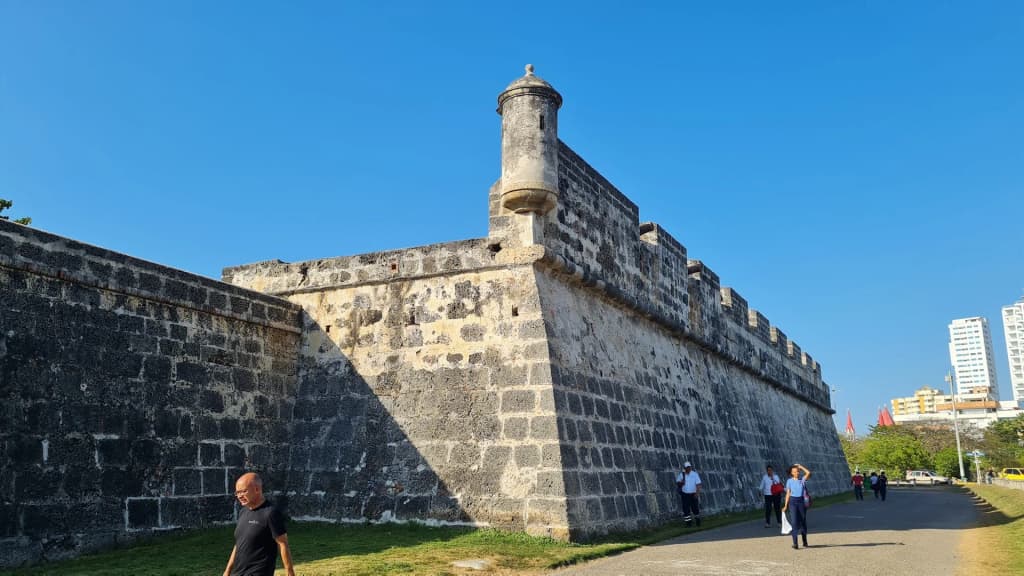
"The best way to see the city," she smiles, passing me a napkin-wrapped arepa that burns my fingertips in the best possible way. I bite into it, the crisp exterior giving way to molten cheese and sweet corn. Around us, the city is an electric riot of color—mustard yellows, cobalt blues, and terracotta reds that seem to hum in the morning light. The rhythmic thump of champeta music echoes from a passing taxi, mingling with the clatter of horse hooves. Cartagena was once one of the most heavily fortified cities in South America, its massive stone walls built to repel pirates. Today, those same walls invite you to sit and dangle your legs over the edge. I find a spot near the Cafe del Mar just as the sun melts into the ocean, turning the sky the color of bruised peaches, the sea breeze finally offering a reprieve from the sweltering afternoon.
The air cools significantly as you climb into the jagged embrace of the Andes. Medellín is a city that has scrubbed its past clean with sheer willpower and gallons of bright paint. You can feel the resilience in the hum of the Metrocable cars gliding over the steep hillsides, connecting the poorest neighborhoods to the economic center below. You see it in the sprawling street art of Comuna 13, where locals now lead tours through streets once deemed too dangerous to walk.
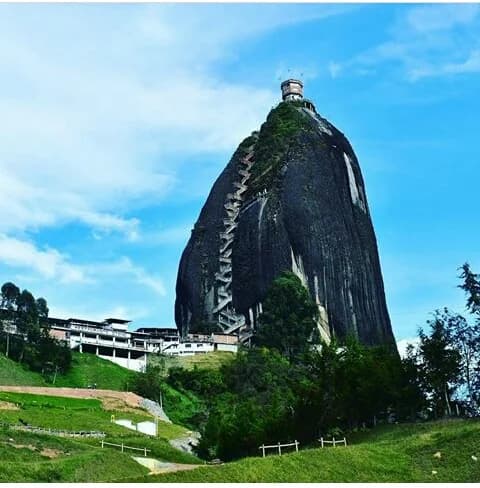
But the real shift in perspective requires leaving the city limits. I navigate the bustling Terminal del Norte, paying twenty thousand pesos for a bus ticket to Guatapé. The ride takes two hours, winding through impossibly green valleys, and costs less than a decent cup of coffee back home. It drops you at the base of El Peñón de Guatapé. The rock is an absurdity of nature—a ten-million-ton monolith bursting out of the valley floor like a misplaced meteor.
Your thighs burn by step four hundred. The staircase, famously wedged into the stone's only major crack, feels like a ladder to the atmosphere. You hear the heavy breathing of fellow climbers, a chorus of varied languages unified by the physical exertion. When you finally conquer step seven hundred and forty, the wind hits your sweat-drenched shirt, sending a welcome shiver down your spine. You look out over a veritable maze of emerald lakes and jagged islands. It feels less like a landscape and more like a shattered mirror reflecting the sky.
Further south, the morning mist hangs thick in the Zona Cafetera, tasting faintly of damp earth and roasted beans. This is the agricultural heart of Colombia, where the slopes of the Andes are carpeted in endless rows of green.
I sit on the wooden porch of a small farm just outside the quaint town of Jardín. The farmer, a man whose hands are stained with the soil of his livelihood, hands me a ceramic mug. The coffee here doesn't taste like the bitter, rush-hour fuel I am used to. It is bright, almost fruity, and leaves a clean finish that lingers on the palate.
"We pick every cherry by hand," he tells me, gesturing to the steep, dizzying incline of the mountain. "Machines cannot understand the mountain. They do not know which fruit is ready to give itself to the cup."
That deep respect for the land follows you into the Cocora Valley. To get there, you squeeze into the back of a vintage Willys jeep in the main square of Salento, holding onto the roll bars as the vehicle bounces along the dirt road. You pay the modest entrance fee at the wooden gate—about three dollars—and begin the hike. The trail is muddy, sucking at your boots with a satisfying squelch. The air smells of pine and rain.
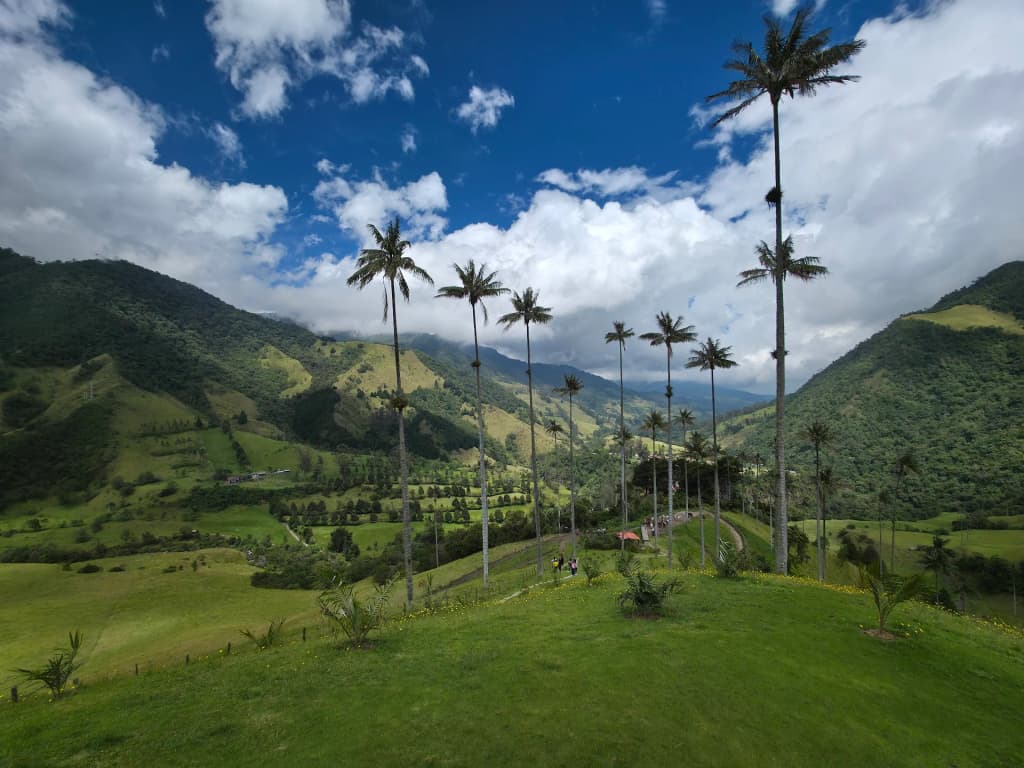
Then, the canopy breaks. Towering wax palms—the tallest in the world—pierce the rolling fog like skeletal fingers pointing toward the heavens. The sheer scale of them makes you feel incredibly small. I stand still, surrounded by a silence so profound it rings in my ears, broken only by the distant call of a yellow-eared parrot.
Bogotá sits high enough in the mountains—over eight thousand six hundred feet—that the air feels thin, crisp, and almost fragile. You notice it in your lungs the moment you step off the plane. The capital pulses with a frantic, urban energy, a gridlock of yellow taxis and hurried pedestrians wrapped in thick wool scarves. Yet, peace is only an hour's drive north in the town of Zipaquirá.
I buy a ticket for the Salt Cathedral, handing over sixty thousand pesos at the entrance, unsure of what to expect from a church buried two hundred meters underground. The descent is a sensory deprivation that slowly turns into an awakening. The air grows cold and tastes distinctly metallic, leaving a faint rim of salt on your lips. You walk through dark, cavernous tunnels carved entirely out of a defunct halite mine.
The ambient lighting casts purple and blue shadows against the jagged, shimmering walls. Even though it is a major destination, when you step into the main nave, the sheer volume of the underground space commands a hushed reverence. The echoing footsteps of other visitors sound like distant heartbeats. I sit on one of the carved benches, the rough salt stone pressing against my back, the faint smell of sulfur lingering in the cool air. In a country that has spent decades fighting its way out of the darkness and into the light, there is something profoundly moving about finding such immense, quiet beauty buried so deep beneath the earth.
More Photos
More Adventures
 $80 - $150/day 2-3 days
 Conquer Cardiff: Castles, Gritty Pubs, and Welsh Secrets
Skip London and conquer Cardiff. Discover medieval castles, massive rugby stadiums, gritty pubs, and Victorian arcades in this ultimate Welsh adventure.
 $300 - $800/day 3-5 days
 Zermatt, Switzerland: Matterhorn Views and Alpine Silence
Experience the sensory contrasts of Zermatt, Switzerland. Wander 15th-century Hinterdorf chalets, ride the Gornergrat Railway, and face the Matterhorn.
 $45 - $125/day 3-4 days
 4 Days in Salvador: A Practical Itinerary & Budget Guide
Plan your trip to Salvador, Brazil with this strategic 4-day itinerary. Discover exact costs, Uber logistics, safety tips, and street food recommendations.
 $60 - $150/day 5-10 days
 Chasing Witches and Wild Coastlines in Florianópolis
Discover the wild soul of Florianópolis, Brazil. A sensory journey through the trails of Lagoinha do Leste, Azorean fishing villages, and Ilha do Campeche.