
The Pulse of the Pavement: Finding Beauty in Global Cities
Journey through the sensory landscapes of the world's most beautiful cities, from the damp stone of Venice to the samba-infused streets of Rio de Janeiro.
The salt clings to your skin before you even see the water. It is a heavy, ancient kind of dampness, mixing with the sharp, acidic scent of roasted espresso and the unmistakable musk of decaying stone. I stand at the edge of a narrow canal in Venice, watching the dark, jade-colored water slap rhythmically against brickwork that has somehow survived more than six hundred years of rising tides. A gondolier with weather-beaten hands and a striped shirt ties off his long black boat, not bothering to look up as the dense crowds of morning commuters and wide-eyed wanderers shuffle past. The beauty of this place isn't just in the Gothic arches or the Renaissance facades; it is in the sheer, stubborn improbability of its existence.
"You are looking at the water like it owes you something," the barista at the corner café observes, sliding a thick ceramic cup across the scratched zinc counter.
"Just trying to figure out how it hasn't swallowed this place yet," I reply, wrapping my fingers around the scalding cup. The espresso tastes like dark chocolate and survival.
He laughs, a dry, raspy sound that barely carries over the hum of the espresso machine. "She is stubborn, Venezia. You pay your three euros for the coffee, you tap your card for the nine-euro vaporetto ride, and you learn to float. We have been floating since the beginning."
The nine euros he mentions feels entirely insignificant once you step onto the public waterbus and begin navigating the labyrinth of 118 interconnected islands. The city unfolds like a pop-up book of history, virtually unchanged in its grand appearance since the days of the Doges. You hear echoing footsteps in empty piazzas, the distant tolling of campanile bells, and the soft murmur of Italian blending with a dozen other languages. It is a metropolis where the entire city is the attraction, demanding you lose your map and surrender to its watery maze.
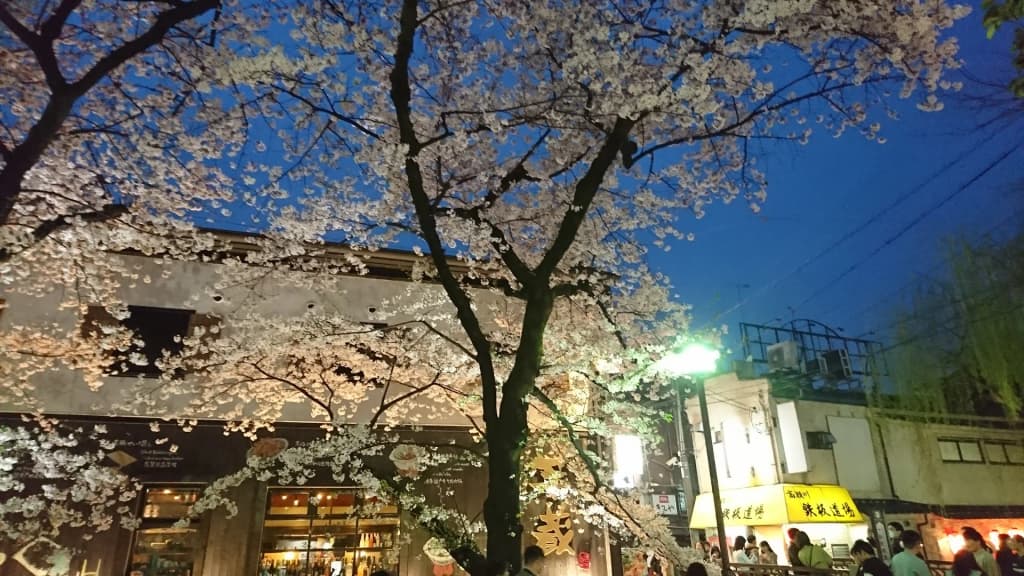
The transition from the sinking stone of Italy to the wooden facades of Japan is jarring, yet there is a shared, quiet reverence for the past. The air in Kyoto's Gion district smells entirely different—a delicate, grounding blend of toasted matcha, old cedarwood, and the faint, sweet perfume of blooming flora. If you time your arrival for early April, right when the air still holds a crisp chill, the entire city feels as though it is exhaling pink snow. The cherry blossoms drift down from the branches, catching in the hair of passing travelers and landing softly on the immaculate cobblestones.
Walking through these narrow, winding lanes at dusk, the modern world seems to evaporate. You hear the distinct, rhythmic clacking of wooden geta sandals against the stone long before you see the flash of a geisha's silk kimono disappearing around a corner. Kyoto was the imperial capital for over a thousand years, and it wears that history with effortless grace.
To truly understand the rhythm of this place, you have to wake before dawn. Slipping into one of the 2,000 Shinto shrines or Buddhist temples scattered across the city just as the monks begin their morning chants is an experience that vibrates in your chest. The deep, resonating hum of the singing bowls cuts through the morning mist. You drop a hundred-yen coin into the wooden offering box—a tiny, practical toll for a moment of profound peace—bow twice, clap twice, and feel the centuries of devotion seeping into the soles of your feet.
Then there are cities where nature does not merely surround the architecture; it threatens to consume it entirely. The heat of Rio de Janeiro hits you like a physical wall the moment you step onto the undulating, black-and-white mosaic sidewalks of Copacabana. It is a thick, tropical heat that smells of melting asphalt, fresh coconut water, and the rich, smoky char of meat grilling on open flames in the favelas that cling precariously to the jungle-draped hillsides.
"Carnival is not a date on the calendar, my friend," a vendor tells me, handing over a sweating plastic cup of caipirinha. The ice clinks against the sides, and the sharp, sugary bite of the cachaça burns beautifully on the way down. "Carnival is a state of mind. You just have to listen for it."
He isn't wrong. Even months away from the official February festivities, the pulse of samba seems to radiate from the very pavement. You hear it in the syncopated drumming of street musicians, in the laughter spilling out of corner botecos, and in the crash of the Atlantic Ocean against the golden crescent of the beach.
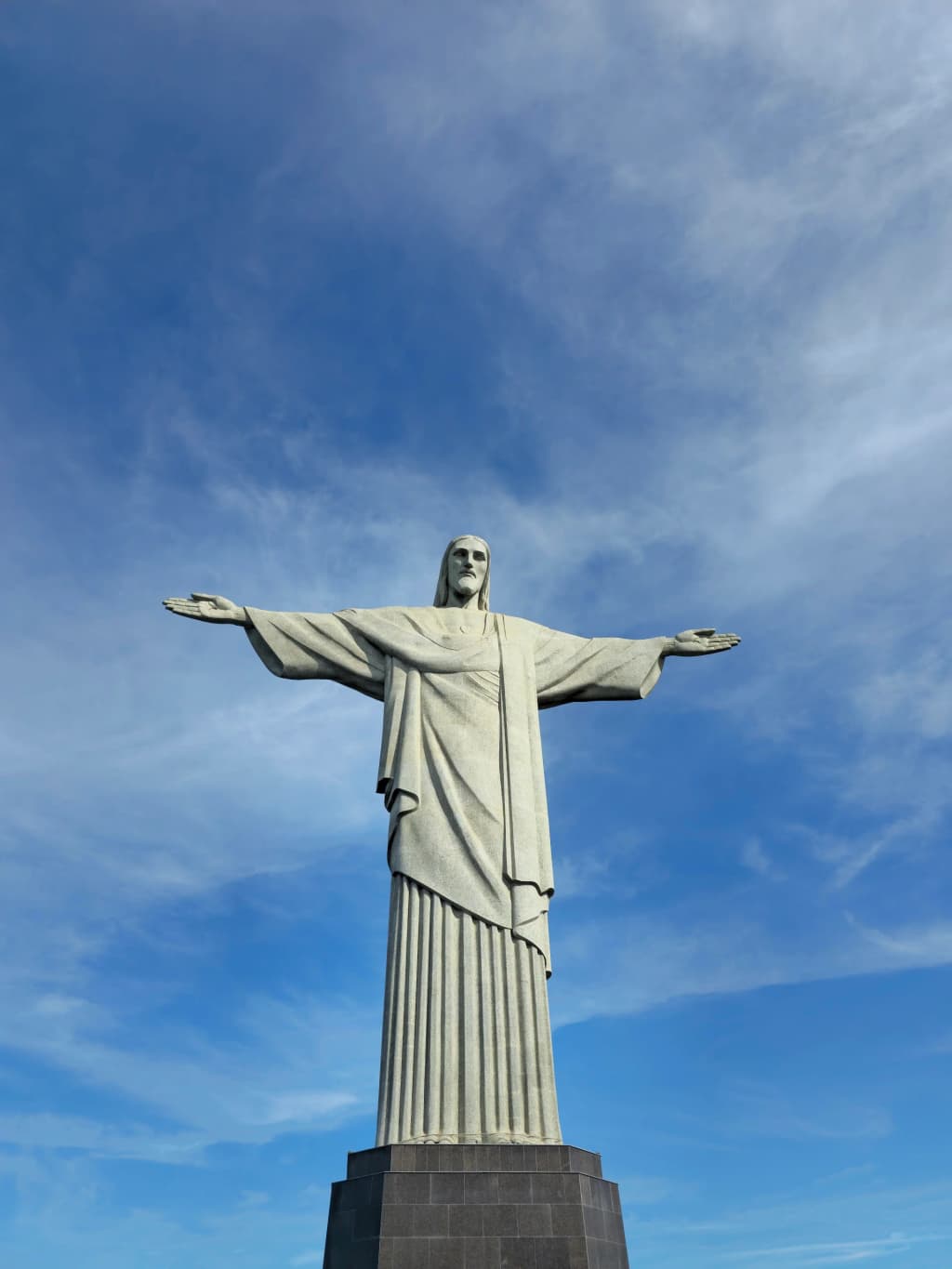
Looking up, the monumental soapstone figure of Christ the Redeemer stretches its arms wide against a bruise-purple evening sky. The funicular train that grinds its way up Corcovado Mountain costs about twenty dollars, a logistical necessity to reach the summit, but the view from the top strips away any concern for currency. Standing there, feeling the cool mountain breeze slice through the oppressive humidity, you watch the second largest city in Brazil light up like scattered diamonds across the lush, uneven topography of Guanabara Bay.
Contrast this tropical heat with the concrete canyons of New York City. The symphony here is aggressively chaotic. It is the wail of distant sirens, the sharp hiss of air brakes from a kneeling city bus, and the unmistakable, intoxicating scent of honey-roasted peanuts sold from dented metal pushcarts on street corners.
You buy a paper bag of those warm nuts for a few crumpled dollar bills and step off the unforgiving grid of the streets into the sprawling, leafy sanctuary of Central Park. The temperature drops noticeably beneath the canopy of ancient oak and elm trees. Here, the aggressive pace of the city softens into a low, steady hum. You see a cross-section of the entire world jogging, strolling, and resting on the green lawns: families from Korea Town, artists from Brooklyn, and tourists speaking a kaleidoscope of languages. It is a city made impossibly rich not by its towering skyscrapers, but by the relentless, creative energy of the people who have flocked here from every corner of the globe.
But perhaps the ultimate intersection of human resilience and geographic luck lies at the very edge of the African continent. Cape Town is a place where the elements command absolute respect. The wind howling off the South Atlantic Ocean whips your jacket around your body and tastes sharply of brine and kelp. Table Mountain looms over the metropolis like a sleeping giant, its flat summit often draped in a thick, pouring cloth of white clouds.
Sitting on a terrace in the Bo-Kaap neighborhood, where the historic houses are painted in defiant, joyful shades of turquoise, magenta, and sunflower yellow, you realize something fundamental about why we travel to cities. We don't cross oceans just to look at perfect symmetry or to check historical landmarks off a list. We come for the chaotic charm. We come to feel the heat radiating from the pavement, to taste the bitter espresso and the sweet cachaça, and to hear the stories of the people who call these impossible places home. A city is only as beautiful as the life that pulses through its streets, beating wildly against the borders of geography and time.
More Photos
More Adventures
 $60 - $120/day 4-5 days
 Buenos Aires Itinerary: A Practical 5-Day Planning Guide
Plan the perfect Buenos Aires trip with this meticulous guide. Discover exact costs, walkable neighborhood routes, and budget optimization tips for Argentina.
 $40 - $100/day 3-5 days
 Skip Rio: Why Brazil's Smallest State is Your Next Big Adventure
Forget the massive crowds. Dive into Sergipe, Brazil's smallest state, for raw wildlife, UNESCO heritage, and mind-blowing untold culinary history.
 $50 - $150/day 3-5 days
 Chasing Tides and Tamarind: The Sensory Rhythm of Aracaju
Explore Aracaju through its disappearing sandbanks, rich seafood, and bustling municipal markets. Discover the soul of northeast Brazil in this journey.
 $40 - $100/day 2-4 days
 Macapá Travel: Finding the Middle of the World
Journey to Macapá, Brazil. Discover the massive Fortaleza de São José, stand on the Equator at Marco Zero, and experience rich Amazonian river culture.