
Finding Home in the Paraíba Valley: From Nomad to Nest
After years as digital nomads, we settle in Taubaté, Brazil—rediscovering the Paraíba Valley, embracing routine, and preparing for a new chapter as a family.
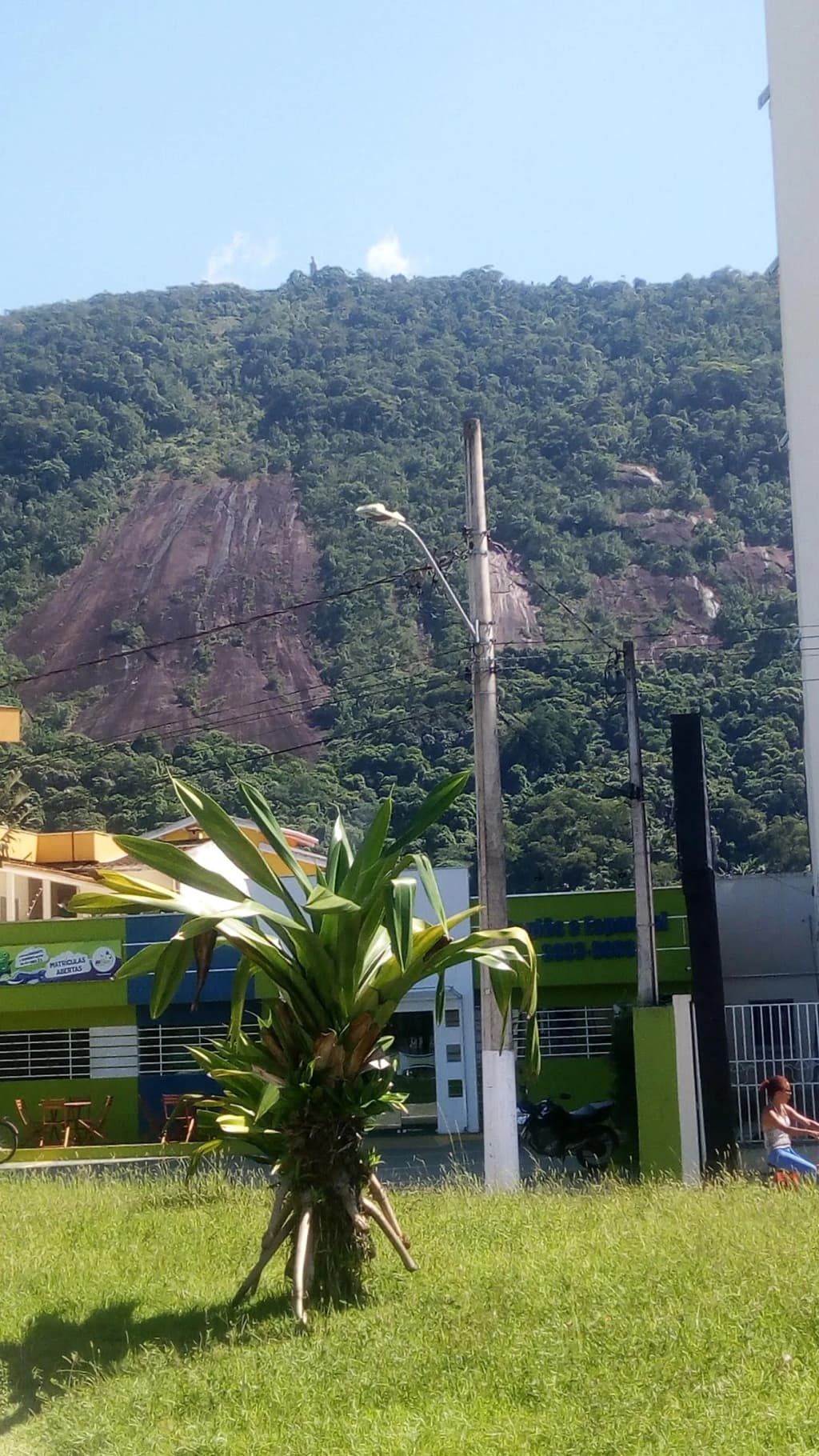
The light in the living room is soft, filtered through gauzy curtains and the pale haze of a dry-season afternoon. I’m sitting on the edge of a new bed—queen-sized, firm, the kind you only appreciate after years of borrowed mattresses and lumpy hostel bunks. There’s a faint scent of fresh paint and eucalyptus from the cleaning spray, and the hum of a robot vacuum somewhere in the apartment. Outside, the Serra da Mantiqueira rises, blue and distant, half-lost in the smoke of late winter burns.
We used to wake up in a different city every month. Sometimes every week. Two and a half years of digital nomadism—Australia, Thailand, Portugal, France, the UK—always chasing the next sunrise, the next story, the next photo for the feed. It was a dream, and it was exhausting. The world sells you this image: a laptop on a beach, coconut in hand, the sea a perfect turquoise. But the sand gets in your keyboard, the sun blinds your screen, and the Wi-Fi is never quite as strong as the fantasy.
I remember the day it all caught up with us. Vietnam, somewhere between the chaos of Hanoi and the green hush of the rice paddies. My mind just… stopped. Burnout, the doctor called it. I couldn’t write, couldn’t plan, couldn’t even decide what to eat. We cut the trip short, came home, and I started seeing a psychologist. The world kept spinning, but I needed to slow down.
Now, in Taubaté, the rhythm is different. The city is a gentle sprawl between São Paulo and Rio, close enough to the airport for a quick escape, but far enough that the air still smells of grass after rain. Our apartment is new, not quite finished—bare walls, a few travel souvenirs lined up on a shelf, a map of Europe with pins in all the places we’ve been. The kitchen smells of strong coffee and pão de queijo. There’s a baby on the way, a new kind of adventure growing quietly, invisibly, beneath my partner’s shirt.
“Do you miss it?” my neighbor asks, leaning over the balcony railing, eyes on the mountains.
“Sometimes,” I say. “But I think I missed this more.”
She nods, understanding. “The valley has a way of calling people back.”

We’ve started exploring the region with new eyes. The Paraíba Valley is a patchwork of small towns, each with its own flavor—São Luís do Paraitinga with its colonial facades and forró festivals, Campos do Jordão’s pine forests and chocolate shops, Ubatuba’s wild beaches just a drive down the mountain. It’s easy to forget, when you’re always looking outward, how much there is to discover close to home.
The practicalities are different now. No more frantic searches for Wi-Fi passwords or the nearest pharmacy in a language I barely speak. Here, I know where to find the best pão francês, which market sells the sweetest papayas, how the light falls in the living room at 4pm. We still travel—shorter trips, mostly, day drives to the coast or up into the hills. The valley is generous that way: one hour to the sea, another to the cool air of the Mantiqueira.
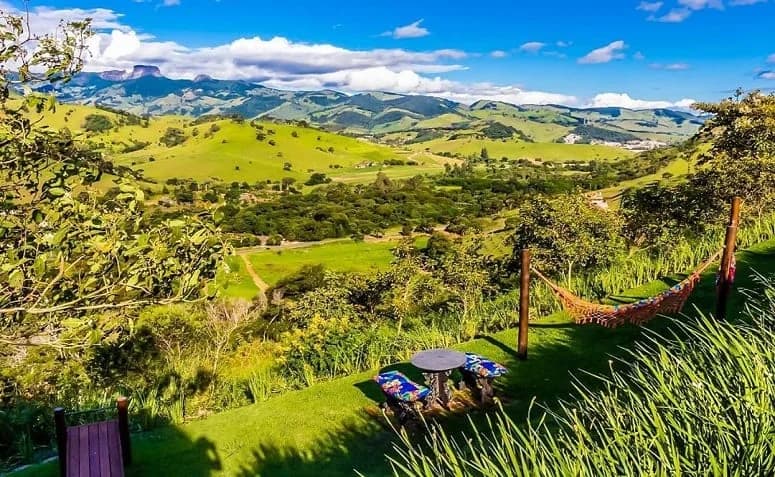
On weekends, we drive out to the edge of town, where the land rises and the air sharpens. The Mantiqueira Mountains are always there, a blue-green wall against the sky, their peaks shifting with the weather. Sometimes we stop in Santo Antônio do Pinhal for fresh trout and a walk among the araucaria trees. Other days, we just park by the roadside and watch the clouds roll over Pedra do Baú, the rock face catching the last gold of the sun.
Locals are quick to share their favorites. “You have to try the pastel at the feira in Pinda,” a shopkeeper tells me, wrapping up a wedge of queijo minas. “And don’t miss the festa in São Bento—best music in the valley.”
We listen, we taste, we learn. The valley is a place of small pleasures: a cold beer on a hot afternoon, the smell of rain on red earth, the sound of church bells echoing through narrow streets. It’s a place that rewards patience, that asks you to slow down and look closer.
Inside, the apartment is slowly becoming ours. The baby’s room is still a jumble of boxes and dreams, but the living room glows with the soft light of a string of fairy lights, souvenirs from Paris and Lisbon lined up on the shelf. The kitchen is open, the table just wide enough for two laptops and a plate of fruit. We work, we rest, we plan. The world is still out there, waiting, but for now, the valley is enough.
I stand on the balcony as evening falls, the air cooling, the mountains fading into shadow. Somewhere below, a dog barks, and the city lights begin to flicker on. I think about all the places we’ve been, all the beds we’ve slept in, all the mornings we woke up not knowing where we’d be next month. There’s a peace in knowing, now, that tomorrow will look a lot like today. And that, for the first time in a long time, feels like exactly what I need.
More Photos
More Adventures
 $40 - $120/day 3-5 days
 Shadows and Gold: Walking the Living History of Ouro Preto
Wander the steep cobblestone streets of Ouro Preto, where Baroque masterpieces, subterranean gold mines, and a dynamic culinary scene breathe life into history.
 $40 - $100/day 3-4 days
 Campos do Jordão Itinerary: Budget Guide & Hiking Logistics
Plan a practical trip to Campos do Jordão, Brazil's highest city. Get exact costs for state parks, hiking Pedra do Baú, and budget-friendly dining.
 $50 - $120/day 3-5 days
 Chasing Echoes and Gold Dust in Tiradentes, Brazil
Experience Tiradentes, Brazil through a sensory journey of colonial architecture, deep-rooted history, and the rich culinary traditions of Minas Gerais.
 $50 - $150/day 1-2 days
 Conquer the Serra Verde Express: Brazil's Wildest Train
Ditch the tourist traps and ride the Serra Verde Express from Curitiba to Morretes. Discover ticket tips, seating secrets, and the best Barreado.