
Tokyo's Neon Sentinels: The Magic of Japanese Vending Machines
Discover the glowing world of Japanese vending machines. Explore how these pristine street-corner fixtures reflect Tokyo's culture of trust and convenience.
The glow of the fluorescent tubes cuts through the damp Tokyo evening. It smells like wet asphalt, the lingering steam of a nearby ramen shop, and the faint, metallic ozone of electricity. I stand before a monolithic block of glass and steel, mesmerized by the neat, glowing rows of colorful cans and bottles. The machine emits a low, steady hum that vibrates through the soles of my shoes. I fish a handful of heavy ¥100 coins from my pocket, the silver metal cool against my fingers. As I drop them into the narrow slot, they clink downward in a satisfying mechanical cascade. Buttons illuminate one by one, a constellation of choices awakening to my available funds. Red lights for hot, blue lights for cold. I press a glowing red rectangle beneath a small, stout can. A heavy thud echoes from the belly of the machine, followed by the rattle of the dispensing tray.
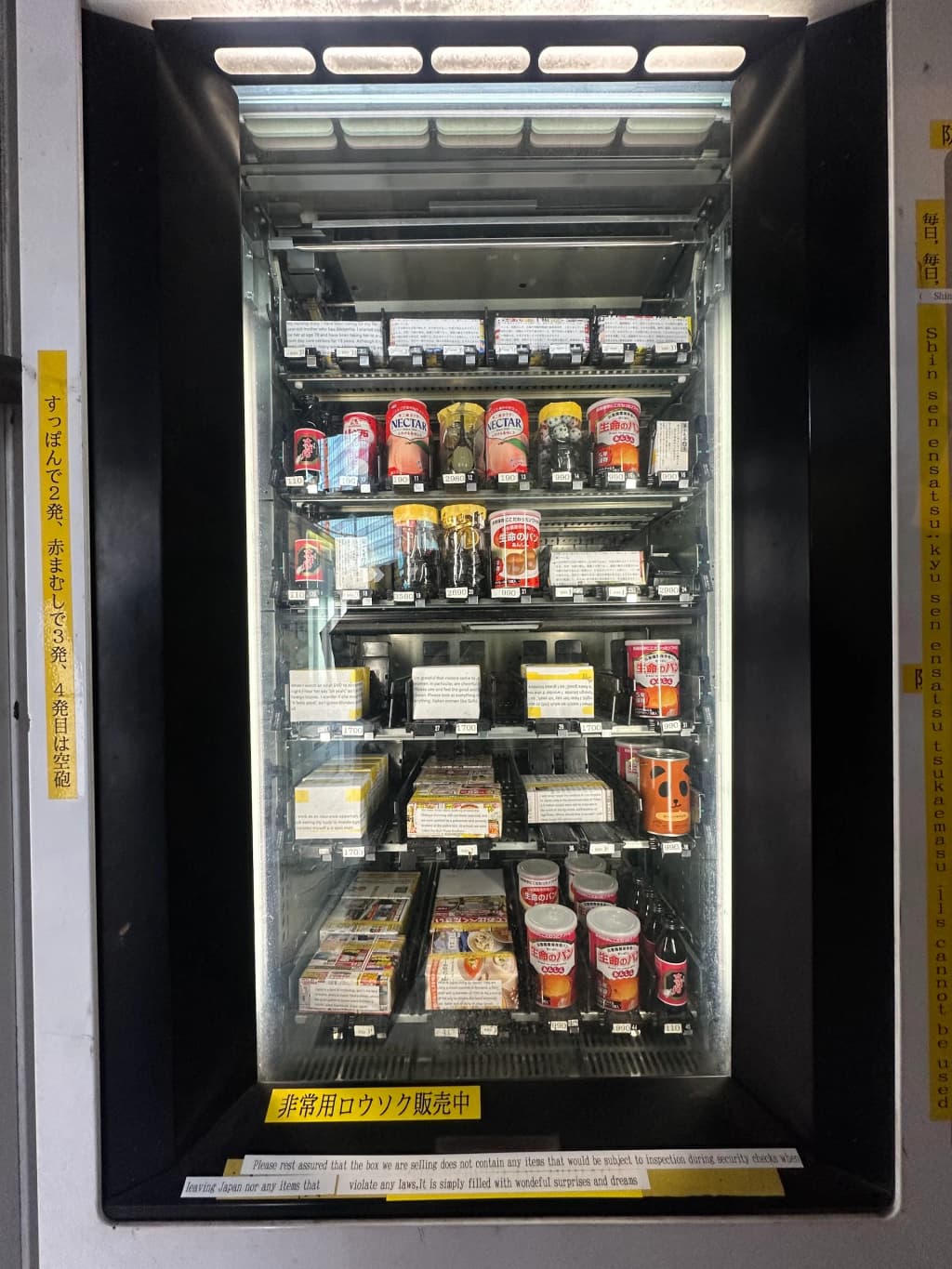
This isn't just an alleyway oddity; this is a foundational pillar of modern Japanese life. There are roughly four million of these machines scattered across the country. That is about one for every thirty people. You find them tucked into the narrowest side streets behind Akihabara electronics stores, standing like silent sentinels on remote, fog-draped mountain hiking trails in Wakayama, and humming quietly on windswept ferry decks crossing the Seto Inland Sea. They are everywhere, a relentless distribution of convenience that borders on the absurd. If you are ever worried about carrying enough water on a long walk through a rural village, you quickly learn to let that anxiety go. A glowing box of hydration is always waiting around the next bend.
Yet, what strikes you most isn't their ubiquity, but their pristine condition. There is no graffiti here. No shattered glass, no jammed coin returns, no sticky residue pooling at the base. The large beverage companies that lease these out—giants like Asahi, Kirin, and Ito En—maintain them with a level of care that feels almost reverent. It is an ecosystem built entirely on a societal foundation of mutual respect and absolute safety. In many other parts of the world, an unattended box full of cash and goods left on a dark street corner would be emptied by morning. Here, it is simply part of the architecture, as safe and undisturbed as a mailbox.
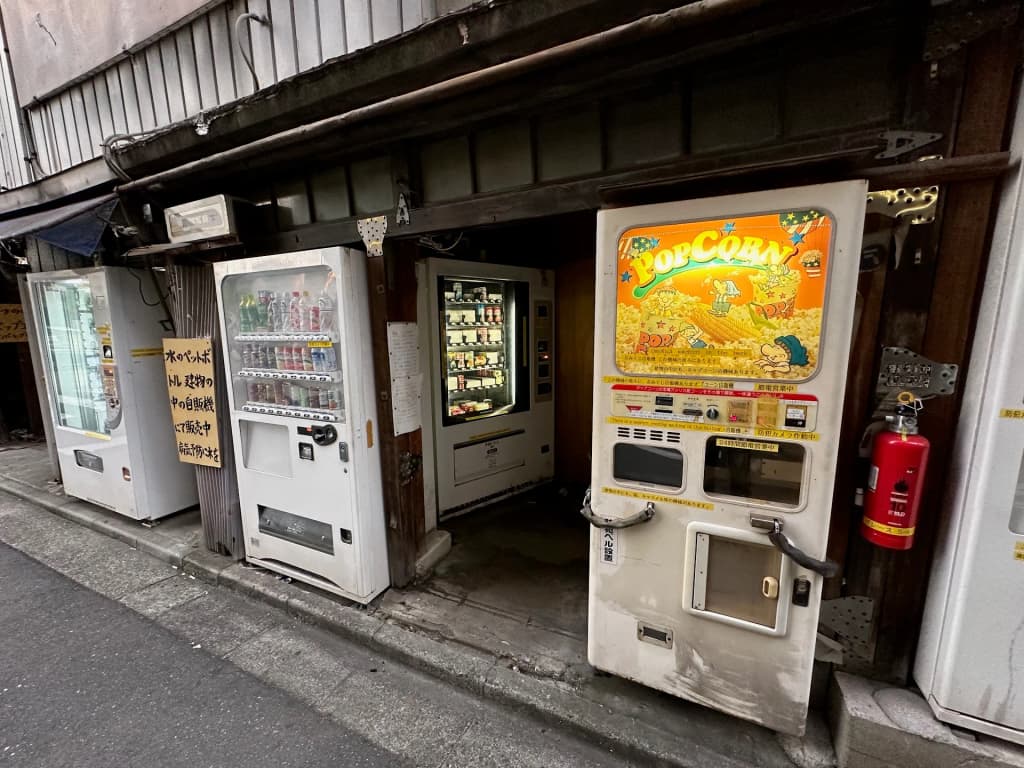
I crack open my small can of Boss coffee, the aluminum searing pleasantly against my palm in the chill air. The sweet, roasted scent wafts upward, mingling with the crisp night air. I drink it quickly, eager to keep moving and ward off the cold, but then I am faced with a uniquely Japanese conundrum. I stand on the immaculate sidewalk, holding my empty can, scanning the street for a public garbage bin. There are none. Not a single one at the intersection, nor down the block. Tokyo is famously spotless, yet entirely devoid of public waste receptacles.
"Looking for a bin?" a voice asks.
I turn to see a woman in a beige trench coat, pausing on her walk home. She holds a plastic grocery bag in one hand and an umbrella in the other. "You're not from here," she adds, her tone carrying a gentle amusement rather than judgment.
"No," I admit, holding up the empty coffee can like a piece of contraband. "But I wish I was. I just don't know what to do with this. I feel like I'm breaking a rule just holding it."
She smiles, the streetlights catching the crinkles around her eyes, and points a gloved finger toward the side of the vending machine. "Look lower. Right there."
I follow her gaze to a small, circular opening built directly into a receptacle beside the machine, perfectly sized for cans and bottles.
"If there isn't one of those recycling boxes," she explains, her English precise and melodic, "you take it home. We keep our streets clean by carrying our own weight. It is everyone's responsibility."
I thank her, bowing my head slightly, and deposit the can. The plastic flap snaps shut with a sharp clack. But the glow of the machine pulls me back. While the coffee was a necessity for the cold, there is another beverage I actively hunt for whenever I am in the country. I pull out my phone, bypassing the coin slot entirely. The digital Suica transit card loaded in my digital wallet isn't just for riding the subway; it works at nearly every vending machine and convenience store in the city. I tap my phone against the glowing IC reader. A cheerful, high-pitched chirp confirms my payment. No fumbling with yen needed this time. I reach into the dispensing tray and pull out the true prize: a blue and white bottle of Pocari Sweat.
Growing up, I heard rumors of this drink, convinced by the name alone that it contained actual human perspiration. The reality is far more brilliant, though equally strange to foreign ears. Born from a pharmaceutical employee who suffered gastroenteritis on a business trip to Mexico and watched a doctor drink IV fluid to rehydrate, this sports drink is a literal lifesaver. It is engineered to replenish exactly what the human body loses.
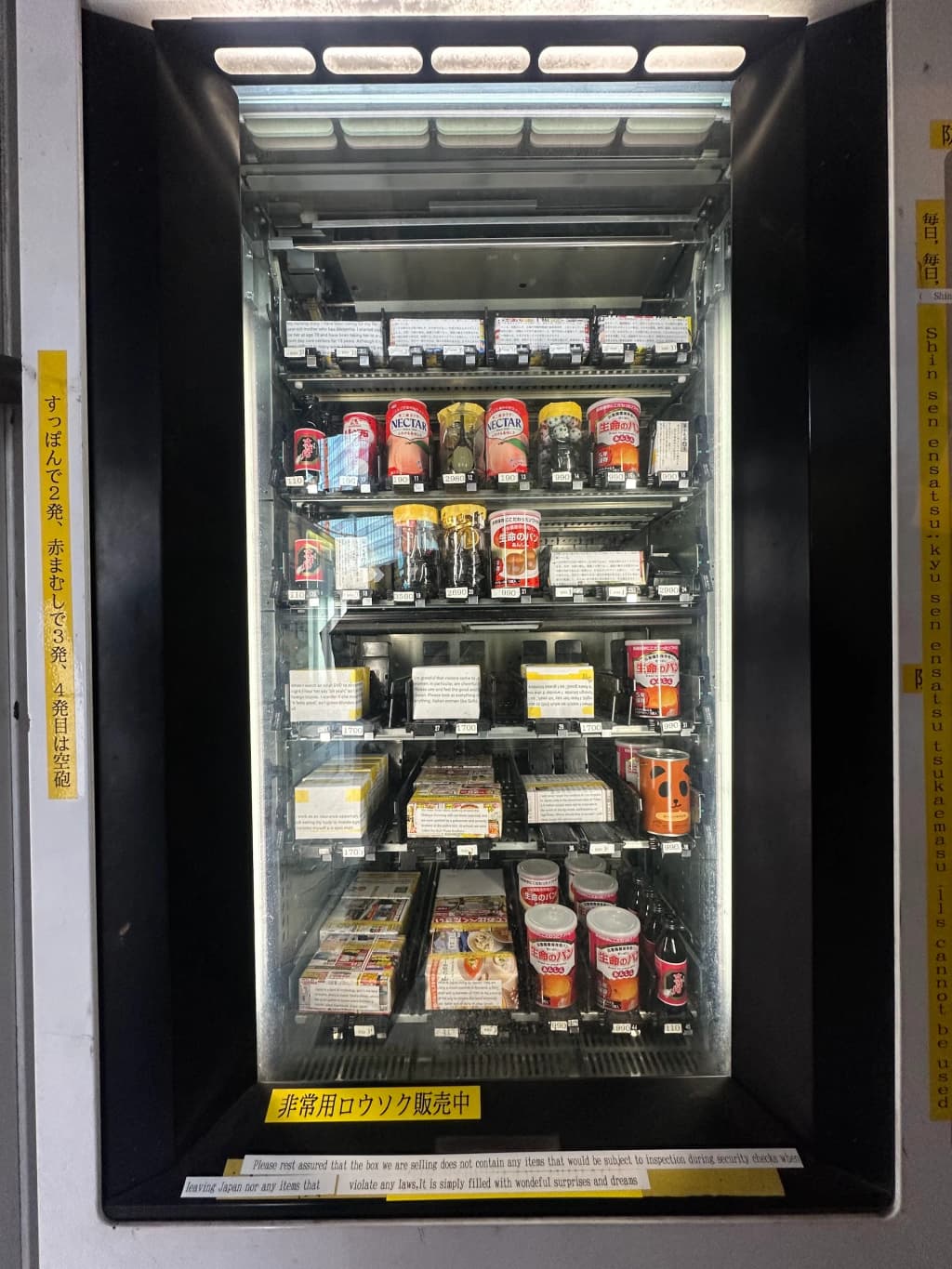
I unscrew the cap and take a long drink. The taste hits my tongue—a delicate, mild grapefruit sweetness cut immediately by a sharp, necessary hint of salt. It is, without question, the most refreshing liquid I have ever consumed. It tastes like recovery, like waking up from a long nap feeling completely restored.
I stand there in the quiet alleyway, the neon signs of Tokyo bleeding into the puddles at my feet, taking another sip of the sweet nectar. I realize then why I am so deeply enchanted by these glowing boxes. It isn't just the sheer variety, or the bizarre internet rumors of machines selling taboo items, or even the seamless convenience of tapping a phone for a hot corn soup in the dead of winter. It is the profound trust they represent. A society that can leave four million unattended, fully stocked registers out in the open, unbothered and pristine, is a society that understands the sacredness of the shared public sphere. The vending machine is a quiet agreement between strangers. I finish the bottle, slip it into the recycling slot, and walk back out into the glowing city, already looking forward to the next street corner.
More Photos
More Adventures
 $120 - $250/day 3-5 days
 The Practical Planner's Guide to Washington D.C. on a Budget
Master Washington D.C. with this methodical planner's guide. Learn exactly how to navigate the Metro, find iconic cheap eats, and optimize your daily budget.
 $50 - $150/day 3-5 days
 Abu Dhabi Travel Guide: Skip Dubai for the Real UAE
Think Abu Dhabi is just Dubai's sleepy sibling? Think again. Discover the real UAE with authentic street food, bustling fish markets, and raw culture.
 $200 - $400/day 2-4 days
 Tasting the Contrarian Soul of Geneva, Switzerland
Explore Geneva beyond the banks. Join a local for bison pastrami, lakeside filets de perches, and rich fondue in this immersive cultural travel guide.
 $300 - $600/day 1-2 days
 A 30-Hour Dallas Layover: Finding Luxury in Flight Delays
An unexpected 30-hour flight delay transforms into a sensory journey through American Airlines Flagship Lounges and the quiet morning streets of downtown Dallas.