
The Practical Planner's Guide to Washington D.C. on a Budget
Master Washington D.C. with this methodical planner's guide. Learn exactly how to navigate the Metro, find iconic cheap eats, and optimize your daily budget.
Washington D.C. can feel overwhelming with its sprawling monuments and transient population, but a strategic plan changes everything. In this guide, I will show you exactly how to master the Metro system, optimize your daily budget, and find authentic local food institutions. Let's break down the logistics for a flawless, cost-effective trip to the U.S. capital.
Quick Facts for Your D.C. Trip
Before we dive into the granular details, establish these baseline parameters for your itinerary:
- Daily Budget Range: $120 - $250 USD per person (excluding flights and accommodation)
- Recommended Duration: 3 to 5 full days
- Best Time to Visit: Mid-March through May (cherry blossoms) or September through November (mild weather)
- Currency: US Dollar (USD)
- Primary Transport: Metro, walking (expect 10+ miles per day), and ride-shares
The Arrival Strategy: Choosing Your Entry Point
Washington D.C. is primarily served by two airports and one major train hub. Choosing the right entry point saves you significant time and money right out of the gate.
Airport and Transit Comparison
Entry Point Distance to Center Transit Cost Transit Time Best For Reagan (DCA) 3 miles $3.00 15 mins Domestic flights, tight schedules Dulles (IAD) 26 miles $6.00 55 mins International arrivals, budget airlines Union Station 0 miles N/A N/A East Coast train travelersReagan National Airport (DCA) is the most efficient option. Located just 3 miles south of the city in Arlington, Virginia, you can board the Metro's Blue or Yellow lines and reach downtown in 15 minutes for roughly $3.00. Because it lacks full international customs, it primarily serves U.S. cities and select pre-cleared Canadian or Caribbean airports.
Dulles International Airport (IAD) is the main international gateway, situated 26 miles west in Virginia. Thanks to the Metro Silver Line extension, you can ride the train directly from Dulles to downtown D.C. for $6.00 in 55 minutes. If you opt for an Uber or Lyft, expect to pay $40 to $60 and spend 40 to 60 minutes in traffic.
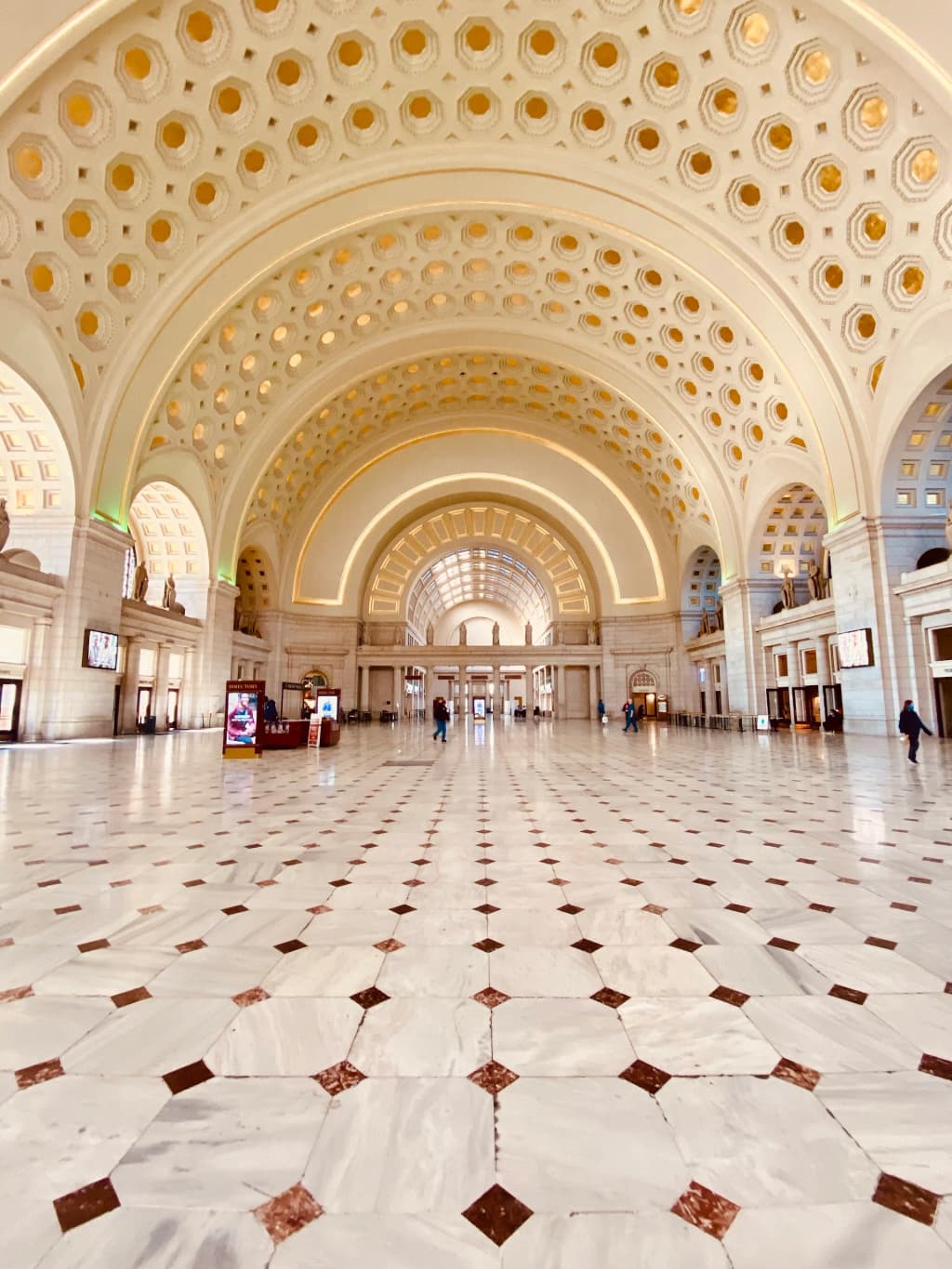
If you are traveling along the Northeastern corridor (New York, Boston, Philadelphia), skip the airports entirely. Amtrak trains roll directly into Union Station, dropping you right in the center of the city's transit web.
Pro Tip: If flying domestically, calculate the total cost of your arrival. Paying a $40 premium for a flight into Reagan (DCA) is mathematically sound when you factor in the $40 savings on an Uber and the 80 minutes of round-trip transit time saved compared to Dulles.
Mastering D.C. Transit Like a Local
First, pack your most supportive walking shoes. It is common to log 15 miles in a single day here. The museums and monuments are clustered around the National Mall, making walking the most logical way to navigate the core sights. When your feet give out, rely on the public transport system.
Navigating the D.C. Metro
The Metro features six color-coded lines connecting the city and surrounding suburbs. Follow these exact steps to use it efficiently:
- Skip the Physical Kiosks: Download the SmarTrip app and add a digital card directly to your Apple Wallet or Google Pay before your flight lands.
- Monitor Peak Pricing: Fares fluctuate based on distance and time of day. Peak fares apply Monday through Friday from 5:00 AM to 9:30 AM, and 3:00 PM to 7:00 PM.
- Tap In and Tap Out: You must swipe your phone or card both when entering and exiting the station so the system can calculate your distance-based fare.
Buses and Ride-Shares
The Metrobus and D.C. Circulator operate hundreds of routes to fill the gaps between train stations. Most bus routes cost a flat fare of $2.00. If you pay with your SmarTrip card, you receive a free transfer within a two-hour window. For short cross-town trips, Uber and Lyft are ubiquitous and generally cheaper than traditional taxis.
Iconic D.C. Eats (Without the Lobbyist Price Tag)
Washington D.C. has deep, historic food traditions that are highly accessible on a budget if you know where to look.
The Legendary Half-Smoke
You cannot leave D.C. without eating a half-smoke: a smoked, half-beef, half-pork sausage with a firm snap, served on a hot dog bun and smothered in chili. There is exactly one place you should go for this.
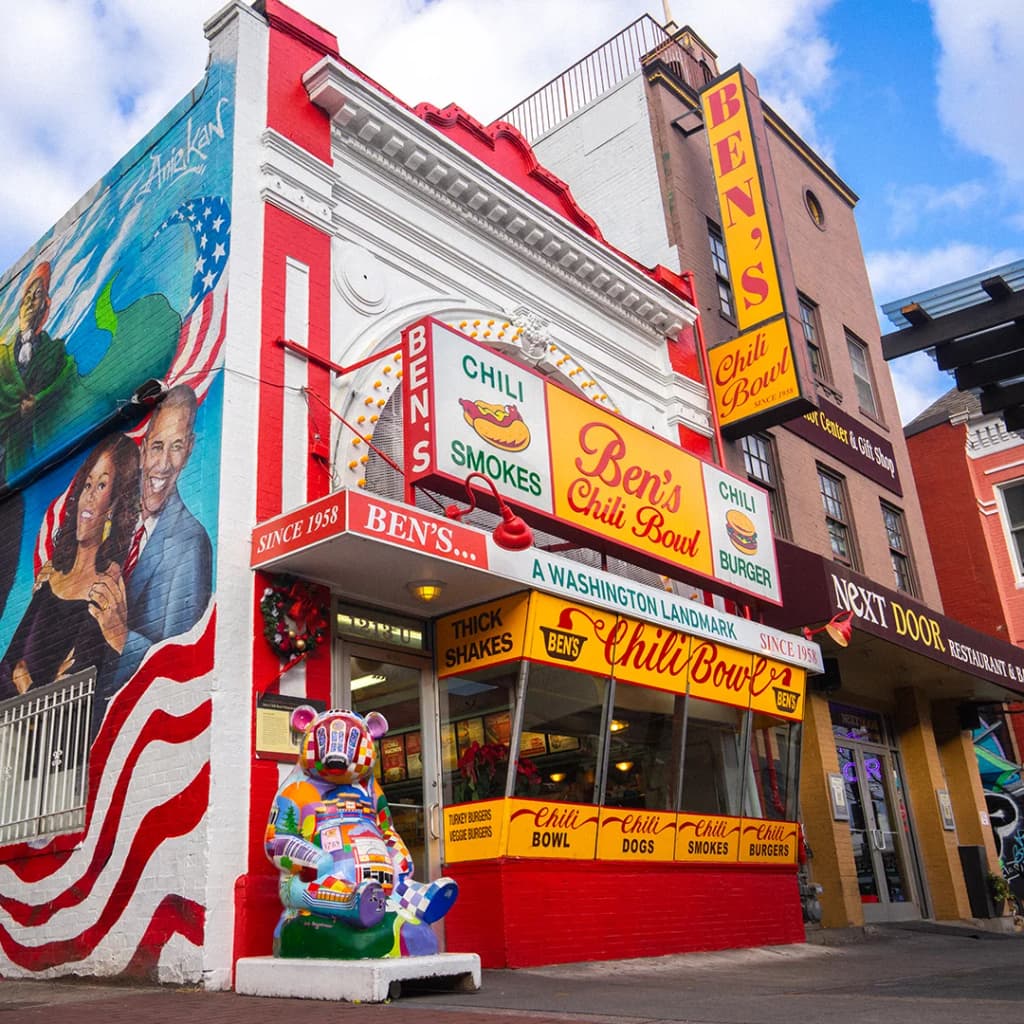
Ben's Chili Bowl was founded in 1958 by Virginia Ali and her husband, Ben. This institution is a pillar of the community. Dr. Martin Luther King Jr. ate chili cheeseburgers here while planning the 1963 March on Washington. During the 1968 riots, Ben's Chili Bowl was the only business officially permitted to remain open during the three-day curfew to feed the community and first responders. It remains an essential cultural and culinary stop.
Global Flavors and Local Condiments
- Ethiopian Food: D.C. hosts one of the largest Ethiopian communities outside of Africa. Head to neighborhoods like Shaw or Adams Morgan for budget-friendly injera and wot, which offer incredible value for the volume of food.
- Mumbo Sauce: This sticky, sweet, sour, and slightly spicy sauce is a D.C. institution found in local Chinese carry-outs and soul food spots. Order it with fried chicken wings and french fries.
Budgeting, Prices, and the Tipping Reality
Washington D.C. can be expensive, but strict adherence to a daily budget makes it entirely manageable.
Baseline Costs to Expect:
- Standard cup of drip coffee: $3.50
- Pint of local craft beer: $7.00
- Fast food combo meal: $10.00 - $12.00
The Rules of Tipping
If you are visiting from outside the U.S., you must account for tipping. Tipping is mandatory for service staff in sit-down restaurants, bars, and taxis.
- The Standard: 15% is the absolute baseline for acceptable service. 20% is the standard for good service.
- The Math Hack: If you hate calculating percentages, look at your receipt and find the D.C. sales tax (which is exactly 10% on food and drinks). Simply double that tax amount. You have just calculated a perfect 20% tip.
Common Mistakes to Avoid
Even meticulous planners make errors in the District. Protect your itinerary by avoiding these common pitfalls:
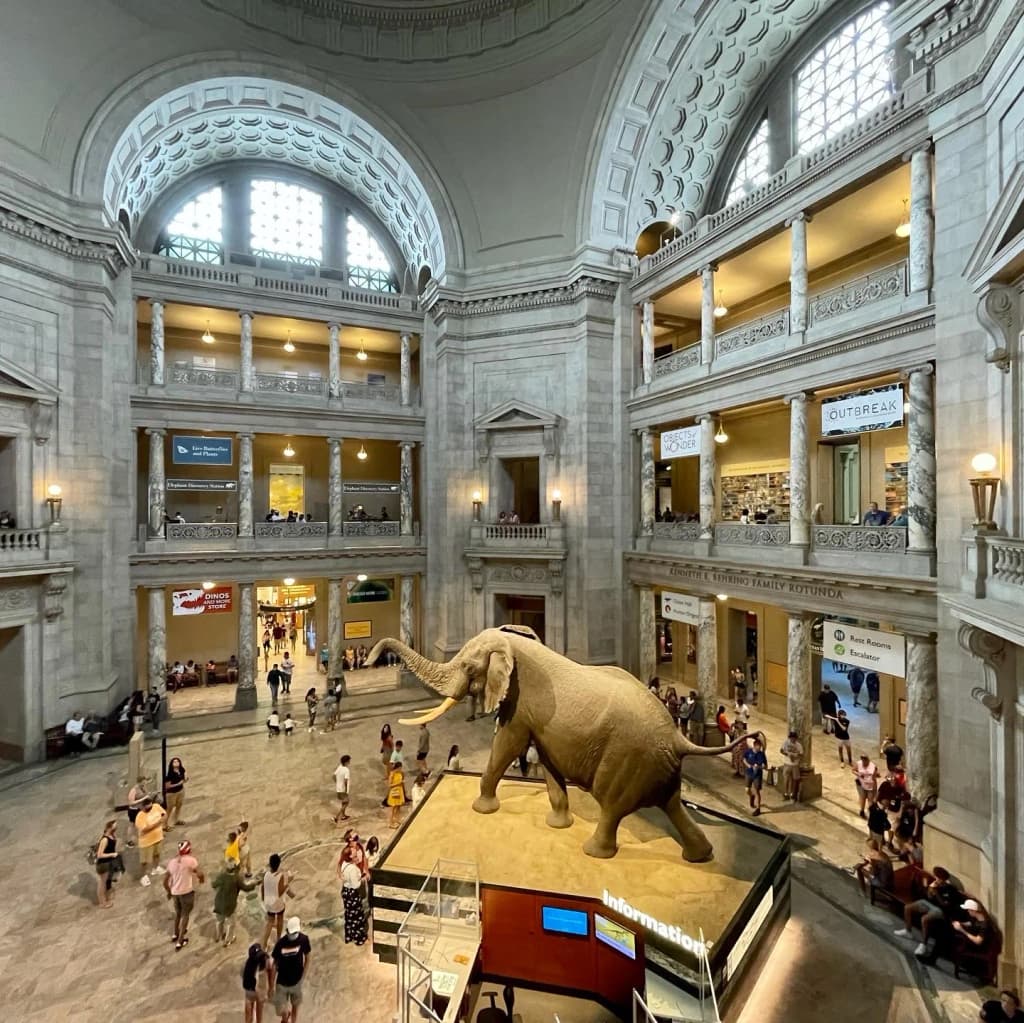
⚠️ Watch Out: Do not assume all Smithsonian museums are walk-in ready. While admission is famously free, highly popular locations like the National Museum of African American History and Culture or the Air and Space Museum require timed-entry passes booked weeks in advance online.
- Buying Unlimited Passes Blindly: Before purchasing a 1-day, 3-day, or 7-day unlimited SmarTrip pass, do the math. Unless you plan to ride the Metro four or more times per day, paying per ride is almost always cheaper.
- Underestimating Distances: The National Mall looks compact on a map, but the distance from the Capitol Building to the Lincoln Memorial is over 2 miles. Group your museum visits geographically to avoid exhausting yourself walking back and forth.
- Ignoring Basic Security: D.C. is a major urban center. Practice standard street smarts: secure your phone, do not flash expensive items, and stick to well-lit, populated areas after dark.
Next Steps for Your Itinerary
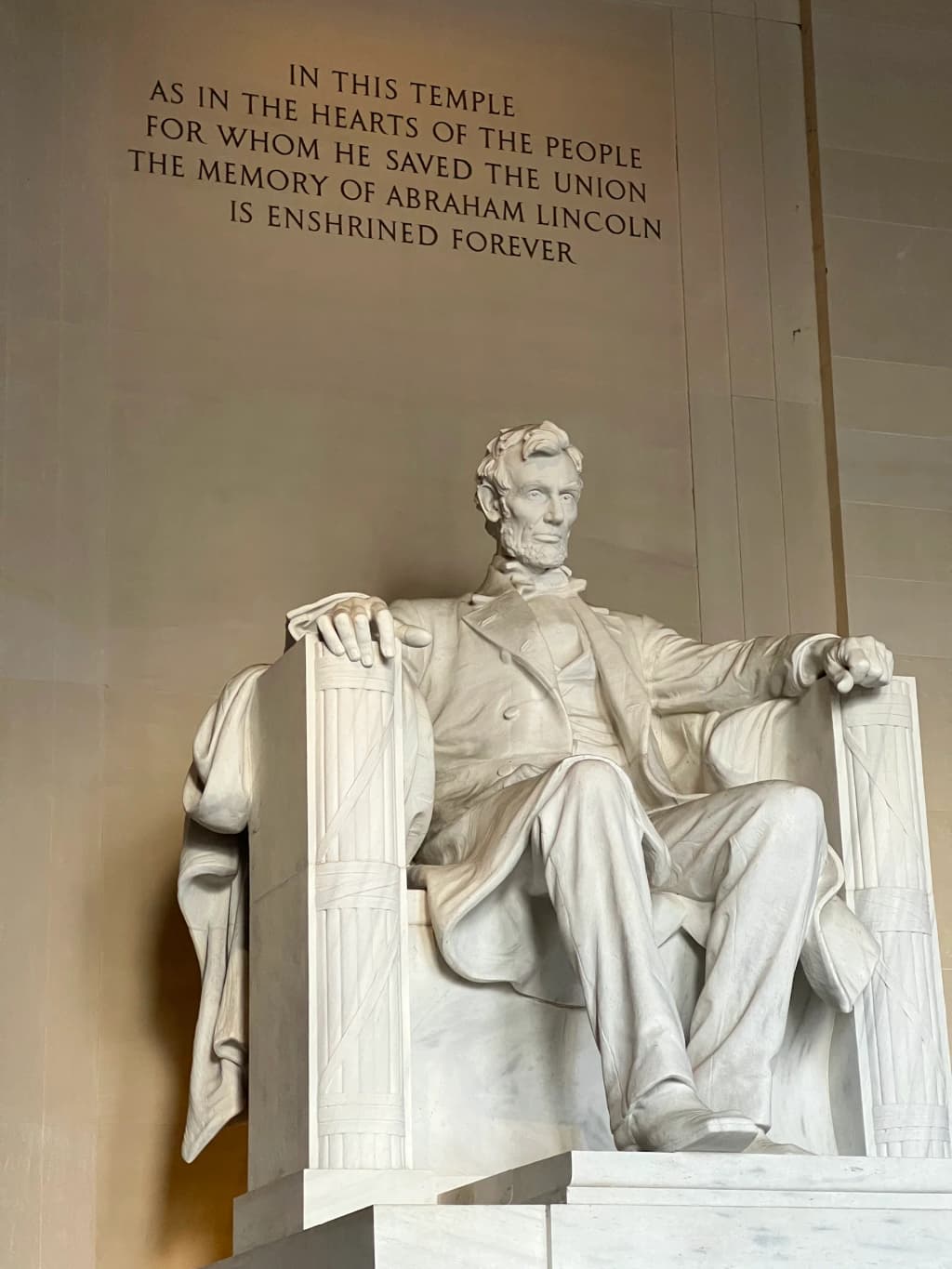
Washington D.C. is a city of incredible contrasts, layering a transient political hub over deeply rooted local communities. Standing at the Lincoln Memorial provides historical context, while eating at Ben's Chili Bowl connects you to the city's enduring culture.
Action Checklist for Planning:
- Book your flights, prioritizing Reagan (DCA) if you are flying domestically.
- Download the SmarTrip app and load $20 onto a digital card in your phone's wallet.
- Map out your top three Smithsonian museums and check their official websites today for timed-entry ticket requirements.
- Book your accommodation within a 10-minute walk of a Metro station, preferably on the Red, Blue, or Silver lines to maximize your connectivity.
Follow this systematic approach, and you will navigate the U.S. capital with the precision of a local and the budget of an expert planner.
More Photos
More Adventures
 $120 - $350/day 4-5 days
 9 Expensive Mistakes to Avoid on Your First Trip to Rome
Planning a trip to Rome? Avoid 400 EUR fines, 130 EUR taxi scams, and overpriced tickets with this methodical, budget-optimized travel guide.
 $60 - $150/day 3-5 days
 Rome on a Budget: 15 Free Monuments & Masterpieces
Master Rome on a budget with this meticulous guide. Learn exact timings for free monuments, the $1 Caravaggio hack, and how to avoid expensive tourist traps.
 $150 - $350/day 14-28 days
 How to Plan a Multi-Country Europe Trip: A Step-by-Step Guide
Master your multi-country Europe trip with this methodical planning guide. Learn to optimize your daily budget, navigate transit, and pack efficiently.
 $50 - $150/day 4-7 days
 Conquering Fortaleza: Brazil's Ultimate Coastal Adventure
Skip the resorts and take on Fortaleza. Discover striking red cliffs, legendary street food, and wild beaches in Brazil's most intense coastal city.