
The Art of Supermarket Souvenirs in Buenos Aires
Step inside the massive Jumbo supermarket in Palermo, Buenos Aires. Discover local Malbec, premium alfajores, and the quiet joy of everyday Argentine life.
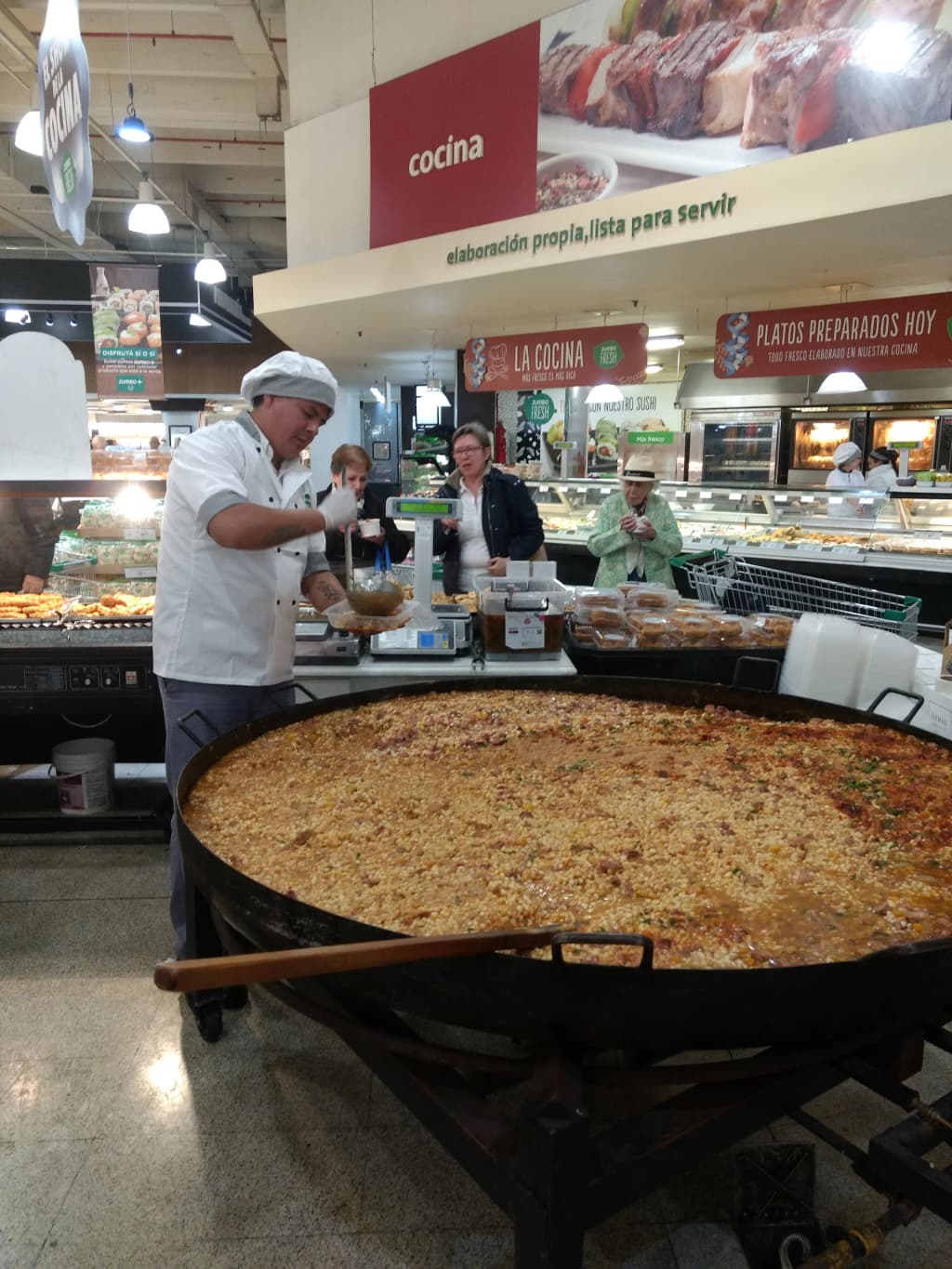
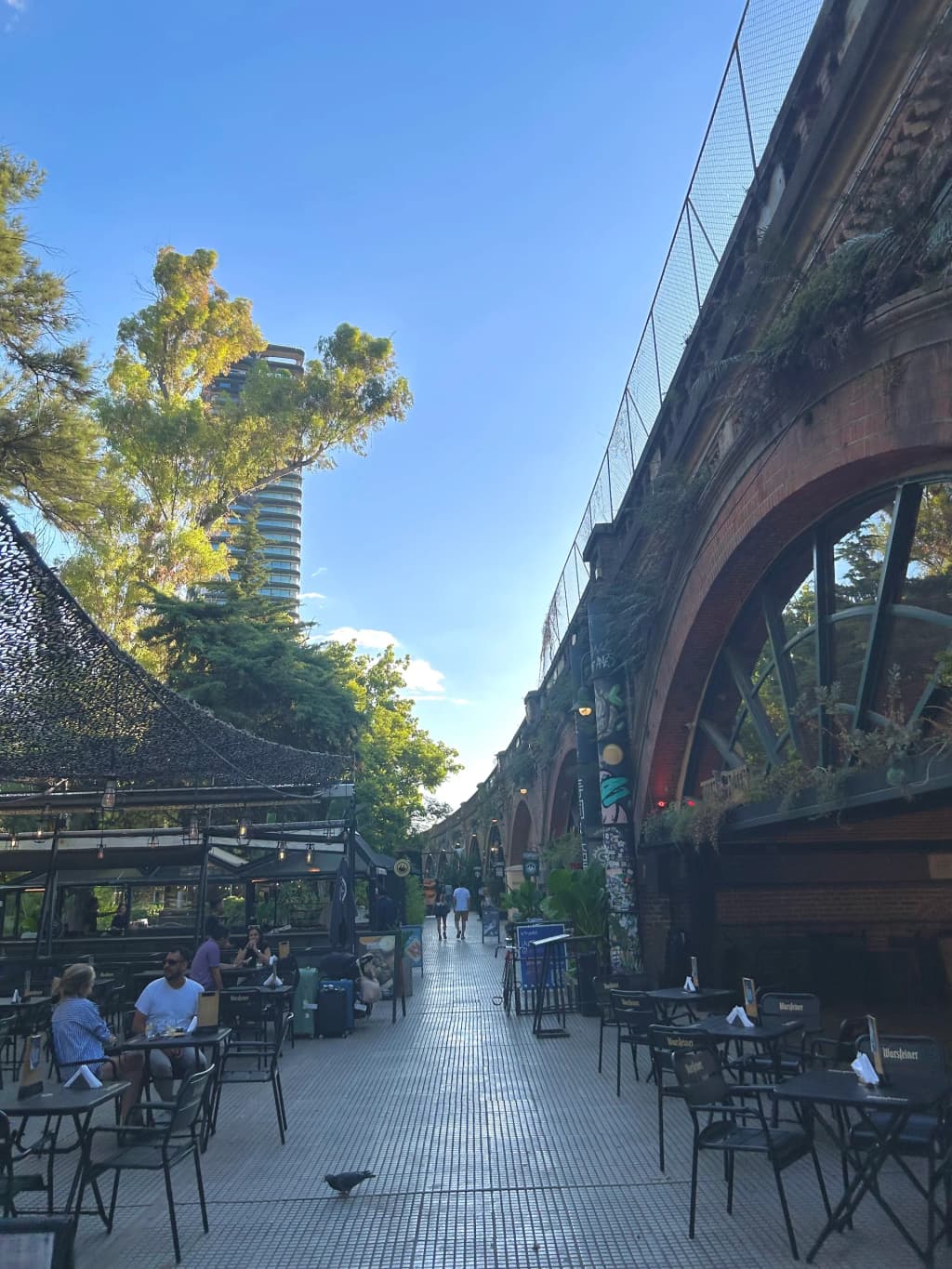
The blast of refrigerated air hits you the moment the automatic glass doors slide open, carrying the distinct, universal aroma of a massive supermarket: floor wax, cardboard boxes, and the faint, sweet scent of baking bread from a distant bakery counter. The hum of fluorescent lights buzzes steadily overhead, mingling with the rhythmic clatter of metal shopping carts and the rapid-fire cadence of Argentine Spanish echoing down the aisles. This is Jumbo, a sprawling temple of commerce in the leafy, fashionable neighborhood of Palermo, just a short walk from the elegant brick archways of Arcos del Rosedal. You do not come to a place like this merely to pick up a bottle of water, though the water here costs little more than a handful of coins. You come here to understand how a city lives, what it consumes, and, inevitably, to realize that your current luggage is entirely insufficient for the treasures you are about to unearth.
I wander past the camping gear, where brightly colored hand weights and folding chairs sit beneath harsh white lights, and find myself staring at a wall of rigid plastic and canvas. The suitcases. It is a peculiar traveler's dilemma, standing in a foreign grocery store, seriously contemplating the purchase of a medium-sized, hard-shell suitcase for seventy-one thousand pesos. I run my hand over the textured graphite surface of one of the bags, testing the zipper. It feels surprisingly sturdy, the wheels spinning smoothly against the polished linoleum floor.
"You are buying the big one?" a voice asks.
I turn to see an older woman leaning heavily on her shopping cart, her eyes darting between me and the suitcase.
"I think I have to," I admit, smiling. "I have too much to take back."
She nods, a knowing, sympathetic smile wrinkling the corners of her eyes. "Dulce de leche?"
"And wine," I say.
"Then you need the hard plastic," she instructs, tapping the side of the graphite case with a manicured fingernail. "The baggage handlers, they do not care about your Malbec. And make sure you buy the Cachafaz conitos. The rest is just sugar."
I take her advice, tossing a small digital luggage scale into my basket—a necessary six-thousand-peso investment for the anxiety of the airport check-in counter—along with a pack of travel-sized liquid bottles, before wheeling my new, empty suitcase toward the beverage aisles. The wine section in an Argentine supermarket is not merely an aisle; it is a library of viticulture. The temperature drops noticeably here, the air cool and still against the skin. Hundreds of glass bottles stand at attention, their paper labels catching the light. I run my fingertips across the embossed lettering of a bottle of Los Intocables. The prices are almost disorienting. A heavy, dark bottle of Trapiche costs what you might pay for a cup of drip coffee back home, while premium labels sit quietly on the top shelves, waiting to be discovered. I place three bottles into the cart, listening to the satisfying clink of glass against metal, already imagining the deep, ruby-red liquid pouring into a glass on a quiet evening weeks from now.
But the true heart of this expedition lies in the center aisles, where the sweet gold of Argentina is stockpiled in staggering quantities. The dulce de leche section stretches out like a monument to dairy and sugar. I pick up a heavy, one-kilo plastic tub of La Serenísima, the plastic cold and smooth in my hands. The visual weight of it is magnificent. Nearby, the Milkaut repostero waits in its blue packaging, thick and dense, designed specifically for baking but destined, inevitably, to be eaten straight from the container with a spoon. Then come the alfajores. The rustle of foil wrappers fills the air as shoppers toss boxes into their carts. I find the Terrabusi, wrapped in their familiar packaging, and the classic Jorgitos. Remembering the woman's advice, I hunt down the Cachafaz conitos. The box feels substantial, promising miniature mountains of dulce de leche enrobed in a dark, bitter chocolate that snaps perfectly between the teeth.
The rhythmic beep of the scanner at the checkout register is the final drumbeat of the afternoon. The cashier slides the alfajores, the heavy tubs of sweet milk, the digital scale, and the wine across the laser, the red light flashing against the barcodes. The total climbs to just over sixty-six thousand pesos for the groceries. I pack the smaller items directly into the new suitcase right there at the end of the register, zipping it shut with a satisfying, final sound.
Stepping back out onto the street, the warm Buenos Aires breeze hits my face, carrying the scent of exhaust fumes and blooming jacaranda trees. The heavy suitcase rolls effortlessly behind me on the uneven pavement. We travel to see museums and monuments, to walk across historic plazas and photograph ancient architecture. But there is a distinct, quiet joy in navigating the mundane spaces of a foreign city, in standing beneath the fluorescent lights of a supermarket and participating, even for an hour, in the daily rhythms of a place. I pull the suitcase toward the hotel, its wheels rattling a steady, comforting rhythm against the concrete, heavy with the literal and figurative weight of the city.
More Photos
More Adventures
 $150 - $400/day 5-7 days
 Punta Cana Budget & Resort Guide: A Data-Driven Itinerary
Plan your Punta Cana trip with exact costs, all-inclusive resort comparisons, high-ROI excursion prices, and a breakdown of local tipping etiquette.
 $200 - $500/day 2-3 days
 Conquer Disneyland California: The Ultimate 2-Park Guide
Think Disneyland is just a walk in the park? Think again. Get the ultimate battle plan for dominating Disneyland and California Adventure. Skip the lines.
 $150 - $350/day 2-4 days
 The Anaheim Strategy: Where to Stay Near Disneyland on a Budget
Discover why staying at an off-property hotel within walking distance of Disneyland is the smartest strategy to save money and avoid Los Angeles traffic.
 $50 - $150/day 7-14 days
 Traveling Brazil with the Wise Card: A Frictionless Journey
Experience the freedom of traveling through Brazil with the Wise card. Learn how to navigate exchange rates, avoid hidden fees, and pay like a local.