
Finding Stillness Above the Clouds in Brumadinho
Discover what happens when constant travel pauses in a sprawling, glass-walled luxury retreat high in the misty, forested mountains of Brumadinho, Brazil.
The smell of damp earth and sharp, medicinal eucalyptus hits you before you even slide the heavy glass doors open. Outside, the mist hangs low over the valley, thick and white like pulled cotton, completely obscuring the dense green of the Minas Gerais mountains. I stand in the center of a living room so cavernous it seems to swallow the sound of my own footsteps. The dark roast coffee in my mug sends thin ribbons of steam into the cool morning air, offering a bitter, comforting taste that grounds the sheer scale of this place. There is a massive fireplace waiting for the evening chill, a dining table carved from heavy wood that could easily seat a dozen souls, and walls made entirely of glass. Out there, the world of Brumadinho is waking up. In here, time feels entirely suspended.
"It gets colder than you think up here," Aline says, her voice echoing slightly against the high ceilings. She sets a small woven basket of warm, crusty bread on the massive kitchen island. As the owner of this sprawling retreat, she understands that true luxury isn't just about high thread counts, but about the seamless integration of architecture and the wild nature outside.
"I'm starting to realize that," I tell her, wrapping both hands around my ceramic mug for warmth.
She smiles, adjusting the collar of her thick woolen sweater. "You're not used to staying still, are you? People who live on the road always look a little restless when they first arrive. Like they're waiting for the next bus. But this house... it forces you to stop. To just be."
She isn't wrong. When you spend your life moving from city to city, hunting for the next story, the next alleyway, the next crowded market, the sudden gift of space can feel almost disorienting. But as I run my hand along the cold, smooth countertops of the fully equipped kitchen, I feel the restlessness begin to drain away. There is a double-door refrigerator humming quietly, a filtered water dispenser, and an industrial-grade oven begging to be used. For a traveler, the ability to simply open a sprawling pantry, chop fresh local mushrooms, and slice rich buffalo mozzarella for a quiet homemade pasta dish is a rare, exquisite kind of wealth.
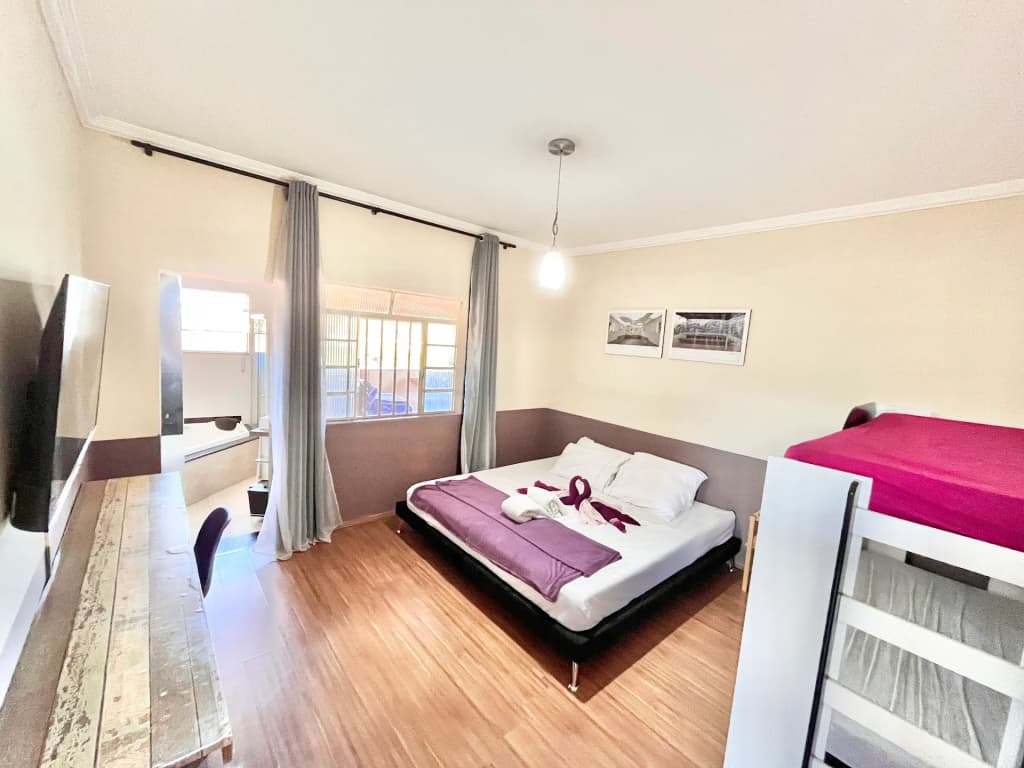
Upstairs, the quiet stretches out. The master suite is a masterclass in restraint, letting the panoramic view do the heavy lifting. I push open the door to the balcony and the cold mountain air rushes in, carrying the distant, invisible sound of a river cutting through the valley below. The bed is immense, the closet large enough to hold the remnants of a dozen different lives, and the bathroom stretches out with an expanse of stone and glass that feels more like a private sanctuary than a place to merely wash. Two additional bedrooms sit just down the hall, sharing an equally massive bathroom, alongside quiet nooks with sofa beds. The house easily sleeps twelve, yet it holds just us, wrapping around our small daily routines like a tailored coat.
We settle into a rhythm, the kind of grounding routine that only a house like this can provide. I claim a small glass desk overlooking the valley as my makeshift office. The Wi-Fi here cuts through the remote mountain air with startling speed, allowing me to send dispatches and edit photographs while the fog slowly burns off the peaks outside. Downstairs, the gentle, rhythmic sloshing of the washing machine in the expansive laundry room serves as a comforting metronome. It is a mundane detail, perhaps, but for someone who lives out of a suitcase, the ability to wash and dry clothes without negotiating with a hotel concierge is a profound relief.
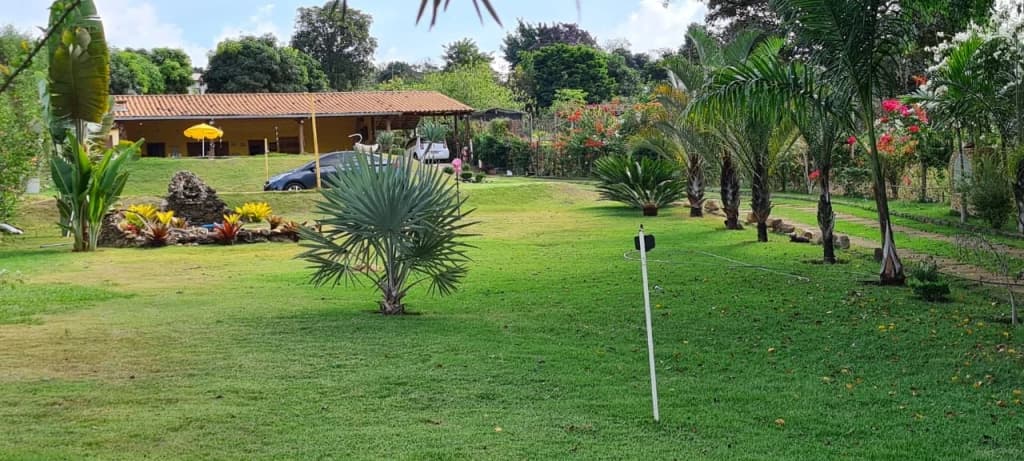
The afternoon sun finally breaks through, baking the wooden deck outside. The transition from the climate-controlled sanctuary of the house to the rugged outdoor space is an awakening of the senses. There is a private soccer pitch where the grass smells sharply sweet when bruised beneath a pair of running shoes.
But the real shock comes from the water.
The outdoor pool glints under the afternoon light, an inviting blue rectangle that lies to you about its temperature. I dive in, and the freezing water hits my skin like a physical blow, stealing the breath from my lungs. It is a brilliant, agonizing rush of adrenaline. I break the surface gasping, the cold water slicking my hair to my forehead, and scramble out onto the sun-warmed concrete. Shivering, I retreat to the glass-fronted wet sauna built into the annex. Within seconds, the heavy, eucalyptus-scented steam wraps around me, melting the ice from my bones. The contrast between the biting cold of the pool and the suffocating heat of the sauna leaves my skin tingling and my mind entirely clear.
This lower level of the property is a temple to communal joy. A massive wooden barbecue structure commands the space, complete with sprawling countertops, an industrial freezer to quick-chill local beers, and a grill large enough to feed a small army. I can almost hear the phantom crackle of charcoal and the laughter of a dozen friends echoing off the wooden beams, a promise of what this house becomes when filled with people.
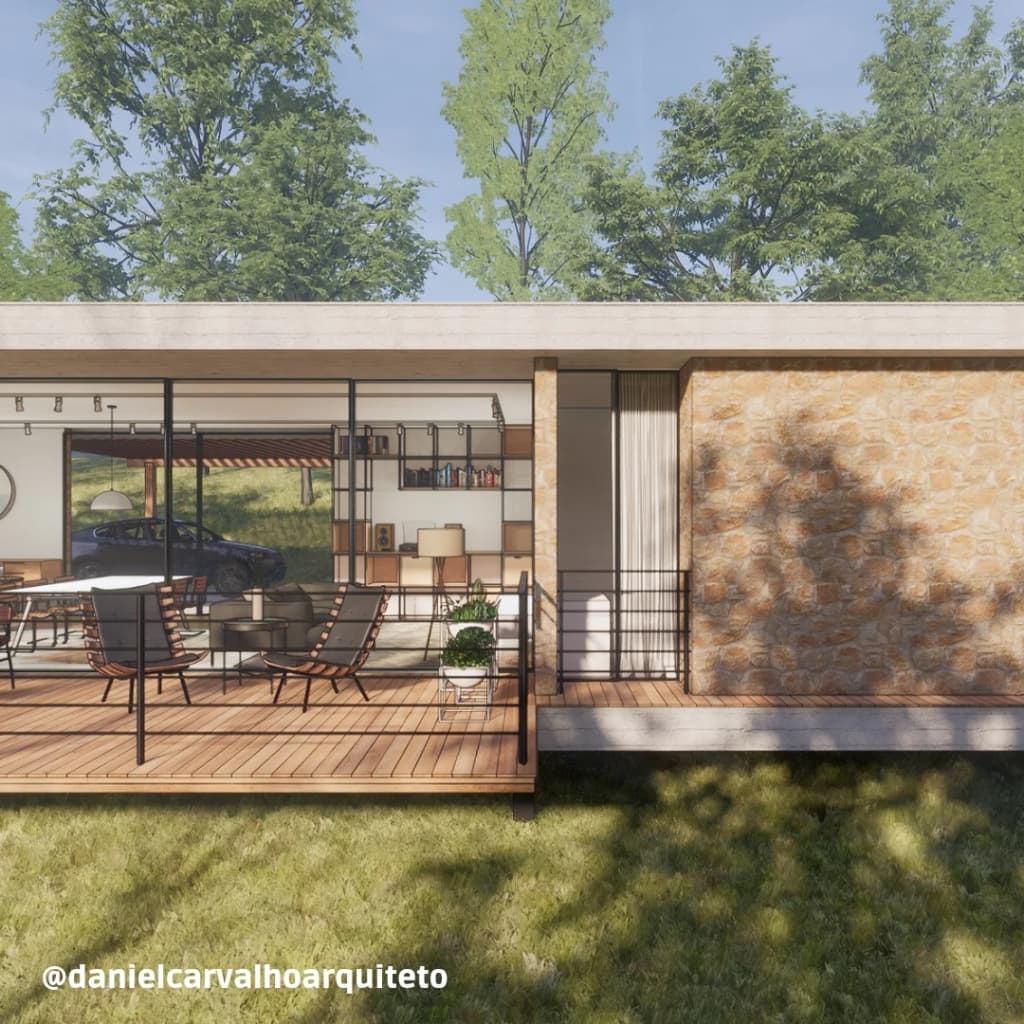
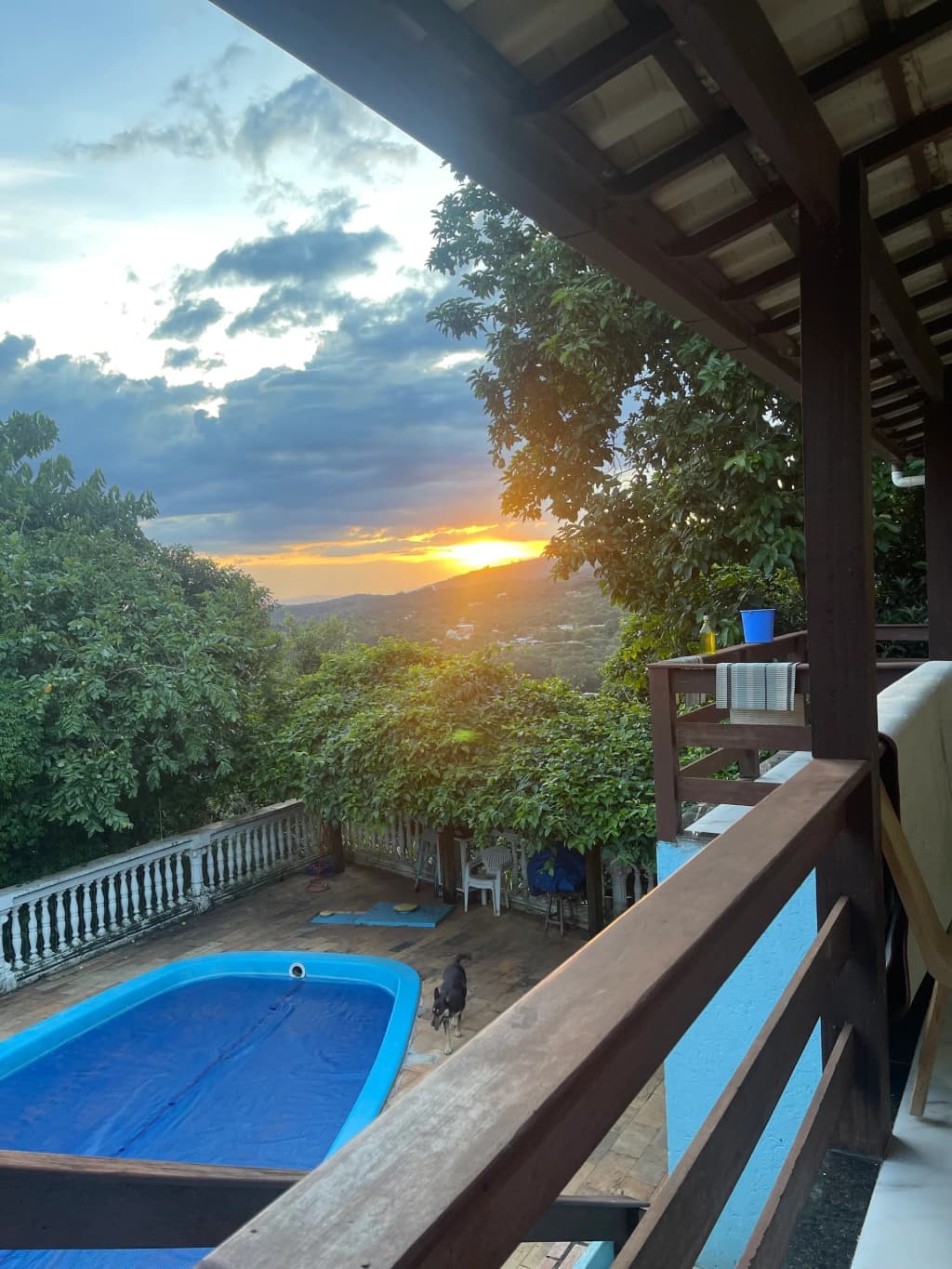
As the day bleeds into evening, the sky over Brumadinho begins to put on a show. The harsh daylight softens into a bruised purple, then ignites into a brilliant, fiery orange that reflects off every glass surface of the house.
I step into the ofurô, the traditional Japanese soaking tub perched on the edge of the balcony. The water is heated to perfection, rising to my chest in a warm, bubbling embrace. The hydromassage jets hum a low vibration against my tired muscles. The air around my face grows sharply cold as the sun dips below the jagged horizon, but beneath the water, I am entirely protected.
I rest my arms on the wooden edge of the tub and look out over the vast, darkening valley. There is no itinerary for tomorrow. No train to catch, no museum to navigate, no crowded streets to weave through. There is only the rising steam, the fading orange light, and the profound, heavy silence of the mountains. Sometimes, the most important part of a journey isn't the distance you cover, but the moments you finally allow yourself to stop.
More Photos
More Adventures
 $100 - $350/day 5-7 days
 Ditch Your Shoes: The Ultimate Jericoacoara Adventure Guide
Skip the tourist traps. Rent an ATV, dive into Buraco Azul, and taste the wild side of Jericoacoara. Your ultimate adventure guide to Brazil's sandy paradise.
 $50 - $120/day 2-3 days
 Earth, Fire, and Lavender: A Sensory Weekend in Cunha
Breathe in the lavender fields, taste alpine mountain beer, and feel the heat of traditional Japanese kilns in the mountain village of Cunha, São Paulo.
 $50 - $150/day 3-5 days
 Misty Peaks and Wood-Fired Feasts in Visconde de Mauá
Experience the misty mountains of Visconde de Mauá, Brazil. Discover steep trails, cozy rain-lashed cabins, and the rich culinary heritage of Minas Gerais.
 $30 - $60/day 3-5 days
 Skip the Beach: The Mystical Quartz Mountain of São Thomé
Trade the beach for the mountains. Explore São Thomé das Letras, Brazil's off-grid quartz town. Dive into waterfalls, dark caves, and defy gravity.