
Midnight Limbo: A Night at Rome Fiumicino Airport
Lost between Rome and Rio, I wander Fiumicino’s midnight halls, caught in airline limbo. Bureaucracy, exhaustion, and the ache of wanting home.
The fluorescent lights never dim in Terminal 3. It’s just past midnight, and the air inside Rome’s Fiumicino Airport is thick with the scent of burnt espresso and tired bodies. My suitcase wheels rattle over the polished floor as I search for a place to wait out the hours until check-in. The last train has long since left for the city. Outside, the October night is cool and silent, but inside, the world hums with the low, constant drone of arrivals and departures.
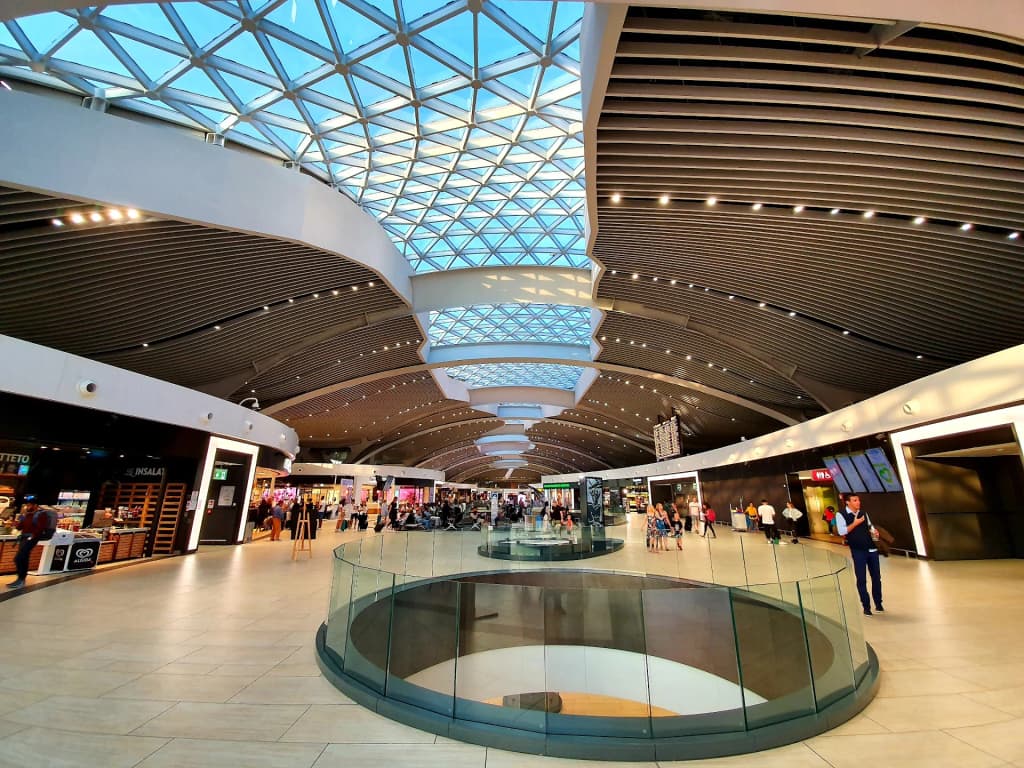
A woman behind the counter at the only open café wipes down tables, her movements slow and practiced. I order a cappuccino, the foam thick and sweet, and settle into a plastic chair. The hours stretch. My phone glows with the promise of a 6 a.m. flight to Rio de Janeiro, but the app and the paper ticket don’t quite agree. I check them both, again and again, as if repetition might conjure certainty.
At three, the check-in counters flicker to life. I am one of the first in line, clutching my passport and a printout of the reservation. The Iberia agent frowns at her screen, then at me. “Your reservation is for the nineteenth,” she says, her accent crisp, her eyes apologetic. I show her the app, the emails, the digital breadcrumbs that say October twenty-first. She shakes her head. “You need the electronic ticket number. Without it, I cannot help.”
The line behind me grows restless. A man in a blue jacket mutters in Portuguese, “Always the same with these codes.” I nod, feeling the weight of his shared frustration. My partner is already on the phone with LATAM, voice low and urgent. The call drops. We try again. The minutes bleed away, the airport’s bright sterility growing harsher with every unanswered question.
Iberia blames LATAM. LATAM blames Iberia. The reservation, it seems, is a ghost—real enough to haunt us, but not enough to let us board. “You must call the other company,” the Iberia agent says, her tone softening. “I am sorry. It is not my fault.”
We sit on the cold floor, backs against our bags, as the announcements echo overhead in Italian, English, Spanish. The smell of cleaning fluid mingles with the metallic tang of anxiety. I watch a janitor sweep up a constellation of crumbs, his broom moving in slow, deliberate arcs. The world outside is waking up, but here, time is stuck.
Three hours pass. When the electronic ticket number finally arrives—too late—the Iberia staff shake their heads. “Boarding is closed. You must take the next flight to Madrid at noon.”
“But our connection to Rio?” I ask, voice cracking with fatigue.
“That, you must discuss with LATAM.”
The cycle begins again. Each airline points to the other, a bureaucratic ouroboros. My only wish, in this moment, is to go home. The ache of it is physical, a knot in my chest. I watch the sun rise through the glass, the sky over Fiumicino blushing pink and gold. Travelers rush past, their journeys unbroken, while I remain in limbo, suspended between Rome and Rio, between one day and the next.
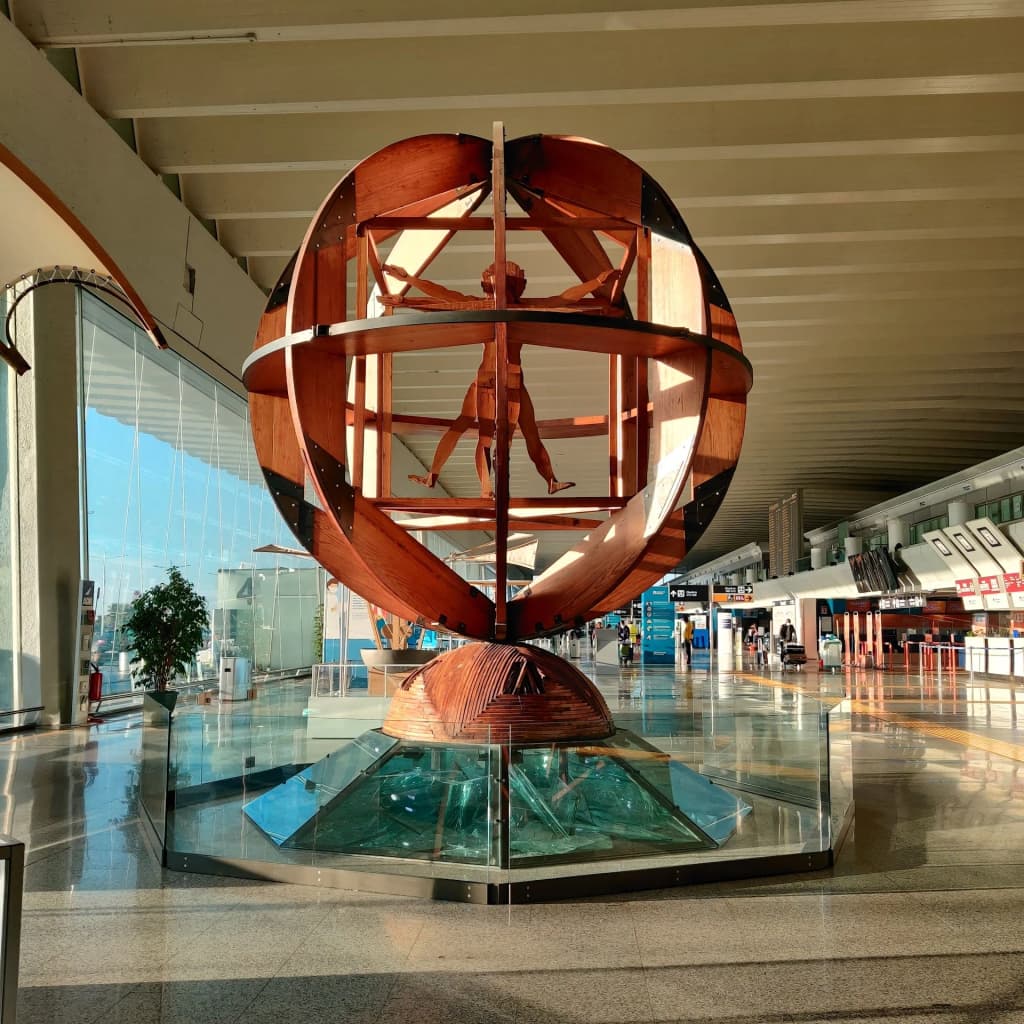
A security guard, seeing our huddle of bags and tired faces, stops. “You wait for flight?” he asks, his English careful.
“We missed it. Problems with the ticket.”
He nods, sympathy in his eyes. “Happens more than you think. Rome is beautiful, but airport… not so much.”
I manage a smile. “I just want to go home.”
He shrugs, as if to say, what can you do? “Maybe next time, you stay longer in Rome. Less stress.”
By noon, the airport is alive with new faces, new stories. Our journey is still uncertain, the path home tangled in codes and call centers. But the city beyond these glass walls is waking, and the light is softer now, golden and forgiving. I close my eyes and listen to the distant sound of luggage wheels, the murmur of languages I almost understand, and I remind myself: every journey, even the ones that go wrong, is a story worth telling.
More Photos
More Adventures
 $100 - $250/day 2-4 days
 A Journey to Campos do Jordão: Finding Brazil's Alpine Soul
Experience the mountain culture of Campos do Jordão, Brazil's highest city. Discover cherry blossoms, historic railways, and cozy alpine gastronomy.
 $20 - $50/day 1-2 days
 Aparecida Sanctuary Guide: Itinerary, Costs & Logistics
Plan your trip to the National Sanctuary of Our Lady of Aparecida. Get exact parking costs, a 1-day itinerary, and practical tips to avoid crowds.
 $300 - $800/day 4-10 days
 Flying Turkish Airlines Business Class to Buenos Aires
Experience the luxury of Turkish Airlines Business Class on an Airbus A350 from São Paulo to Buenos Aires, featuring VIP lounge access and gourmet dining.
 $50 - $150/day 3-5 days
 Edge of the World: Surviving Brazil's Wildest Border
Forget the crowded beaches. Head to Amapá. Discover untouched Amazon jungle, wild river rapids, and the mind-bending border where Brazil meets Europe.