
Mist and Memory in Santo Antônio do Pinhal
Lose yourself in the mountain mists, gardens, and cozy chalets of Santo Antônio do Pinhal—a quieter, more soulful side of the Serra da Mantiqueira.
The cold bites first, sharp and clean, as I step out onto the wooden balcony. Below, the valley is a patchwork of green and blue, stitched together by morning mist. Somewhere, a rooster crows. The air smells of wet earth, pine needles, and the faintest trace of woodsmoke drifting from a distant chimney. I wrap my hands around a mug of strong coffee and watch the sun begin to burn through the fog, revealing the gentle slopes of the Serra da Mantiqueira.
A woman in a red scarf passes beneath my window, her arms full of fresh bread. "Bom dia," she calls up, her voice bright against the hush. I answer in kind, and she grins, disappearing into the bakery on the corner. The town is waking slowly, as if savoring the quiet before the day’s small adventures begin.
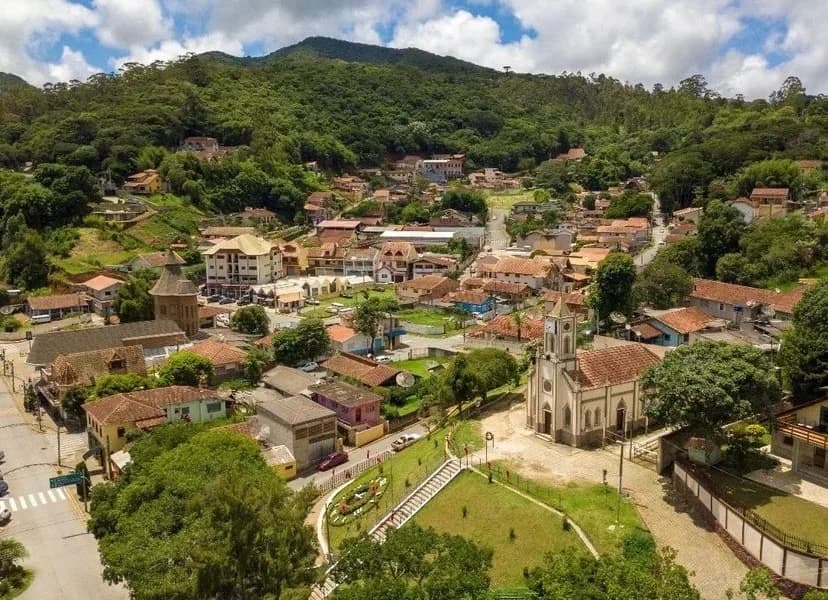
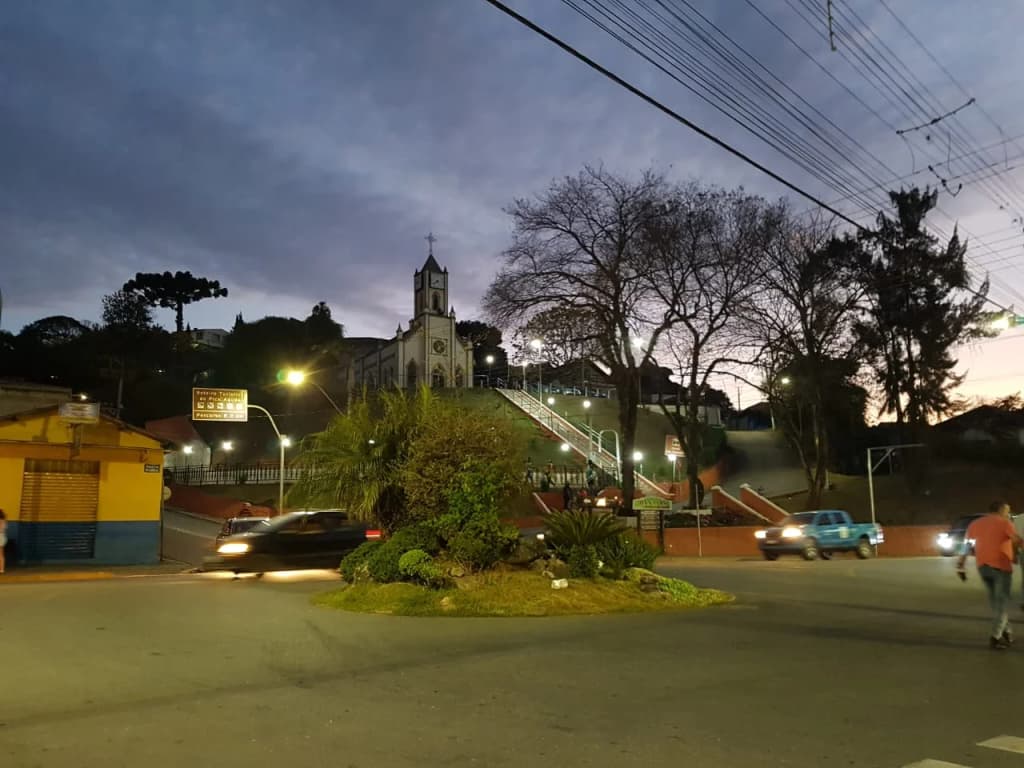
Boulevard Araucária is the heart of Santo Antônio do Pinhal, a single street lined with cafes, artisan shops, and the kind of restaurants where the menu changes with the seasons. I wander past a cluster of wooden tables, the scent of pão de queijo and espresso thick in the air. The church of São Benedito sits atop a gentle rise, its whitewashed walls glowing in the early light. A group of children chase each other around the flower clock, their laughter echoing off the cobblestones.
A local artist, Ana, is arranging small bronze sculptures in the window of her shop. "You see these everywhere?" she asks, gesturing to a delicate figure of a woman with outstretched arms. "Odet Aid. She lived here for years. The whole town is her open-air museum. People walk by, but they don’t always see."
I nod, tracing the cool metal with my fingers. The sculptures are scattered through the town—on benches, in gardens, beside fountains—each one a quiet invitation to look closer, to notice the details that make a place unique.
The path to the Mirante do Cruzeiro winds up behind the Praça do Artesão, where a red torii gate marks the centenary of Japanese immigration. The climb is gentle, the air scented with cherry blossoms and moss. At the top, the view is wide and wild: rolling hills, tangled forests, the distant shimmer of the Paraíba Valley. I fill my bottle at the Fonte Santo Antônio, the water cold and sweet, and watch as a family gathers beneath a blooming Okinawan cherry tree, their laughter mingling with the song of unseen birds.
Back in the square, a small crowd gathers for a midday concert. The notes of a guitar drift over the plaza, mingling with the aroma of grilled trout and local craft beer. I slip into Dona Pinha, a restaurant just at the town’s edge, where the chef is famous for her seasonal menus. Today, it’s the time of pinhão—the nutty seeds of the araucaria pine—and the kitchen hums with the sound of chopping, sizzling, laughter.
"You must try the cadeirada da serra," the waiter insists, setting down a steaming plate. "And keep the plate—it’s tradition." The food is rich and earthy, the flavors of the mountains distilled into every bite. I linger over dessert, a fondue of chocolate and strawberries, as a gentle rain begins to fall outside.
The road to Pico Agudo is a ribbon of red earth and gravel, climbing through eucalyptus and pine. The car windows fog with our breath as we ascend, the world outside growing colder, wilder. At the summit, the wind is fierce, snapping at my jacket, but the view is worth every shiver: a 360-degree panorama of the Mantiqueira, blue and endless, the towns below reduced to toy villages. Paragliders leap from the edge, their bright sails vanishing into the clouds.
A man in a wool cap stands beside me, hands in his pockets. "You see São José dos Campos? Over there, past the last ridge. On a clear day, you can see forever."
I squint into the distance, the wind stinging my eyes. "It feels like the edge of the world."
He laughs, teeth flashing white. "It is, in a way. But the best part is coming down—there’s always a good meal waiting."
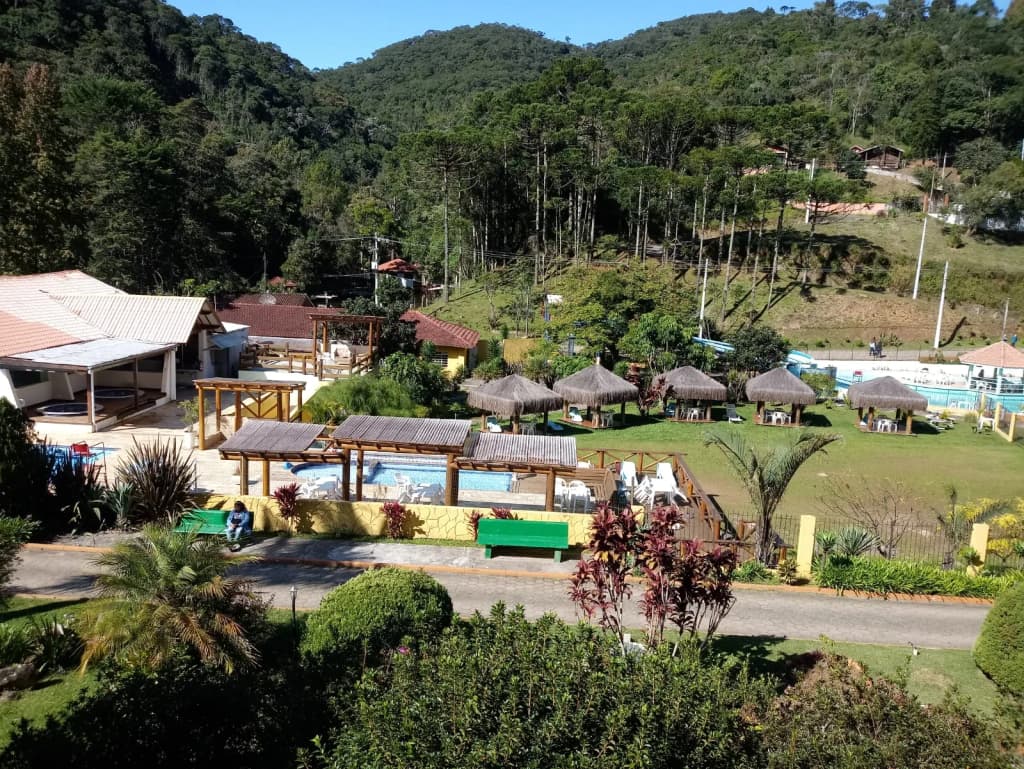
Evening settles over the Pousada Quatro Estações, the chalets perched on the mountainside like birds’ nests. My room is all wood and glass, a fireplace crackling in the corner, the bed piled high with blankets. I open the retractable roof and lie back, watching the first stars appear above the dark silhouette of the araucarias. The air is cold, tinged with the scent of pine and distant rain.
Dinner is served in the bistro below—slow-cooked ribs, local wine, the soft murmur of conversation. The staff move quietly, lighting candles, refilling glasses. "Try the Mar de Morros," the waiter suggests, pouring a deep red from a bottle labeled with the mountains’ undulating lines. "It’s made just over the next hill."
Later, I slip into the hot tub, the glass walls framing a view of the forest, the last light fading behind the hills. The only sounds are the sigh of the wind and the distant call of an owl. I close my eyes and let the warmth seep into my bones, the memory of the day settling around me like a soft blanket.
In the morning, the breakfast table is a riot of color and scent: fresh croissants, pão de queijo, cakes flecked with passionfruit and chocolate, bowls of fruit glistening with dew. I sip strong coffee and watch the mist rise from the valley, the world waking up all over again.
Santo Antônio do Pinhal is not a place for rushing. It’s a place for slow walks, for lingering over meals, for noticing the way the light changes on the mountains. It’s a place where memory and mist mingle, where every corner holds a story, and where, if you’re lucky, you might just find yourself breathing a little deeper, seeing a little more clearly, than you did before.
More Photos
More Adventures
 $100 - $250/day 2-4 days
 A Journey to Campos do Jordão: Finding Brazil's Alpine Soul
Experience the mountain culture of Campos do Jordão, Brazil's highest city. Discover cherry blossoms, historic railways, and cozy alpine gastronomy.
 $40 - $80/day 3-5 days
 Into the Wild: Surviving Roraima's Macuxi Territory
Skip the tourist traps. Plunge into the raw culture of the Macuxi tribe in Roraima, Brazil. Experience fire-hot stews, sacred rituals, and wild borders.
 $40 - $100/day 3-4 days
 Campos do Jordão Itinerary: Budget Guide & Hiking Logistics
Plan a practical trip to Campos do Jordão, Brazil's highest city. Get exact costs for state parks, hiking Pedra do Baú, and budget-friendly dining.
 $50 - $120/day 3-5 days
 Chasing Echoes and Gold Dust in Tiradentes, Brazil
Experience Tiradentes, Brazil through a sensory journey of colonial architecture, deep-rooted history, and the rich culinary traditions of Minas Gerais.