
Beyond the Cobblestones: A Sensory Journey Through Portugal
Experience Portugal through its deepest sensory details, from the smoky, fado-filled alleys of Lisbon to the misty palaces of Sintra and the volcanic Azores.
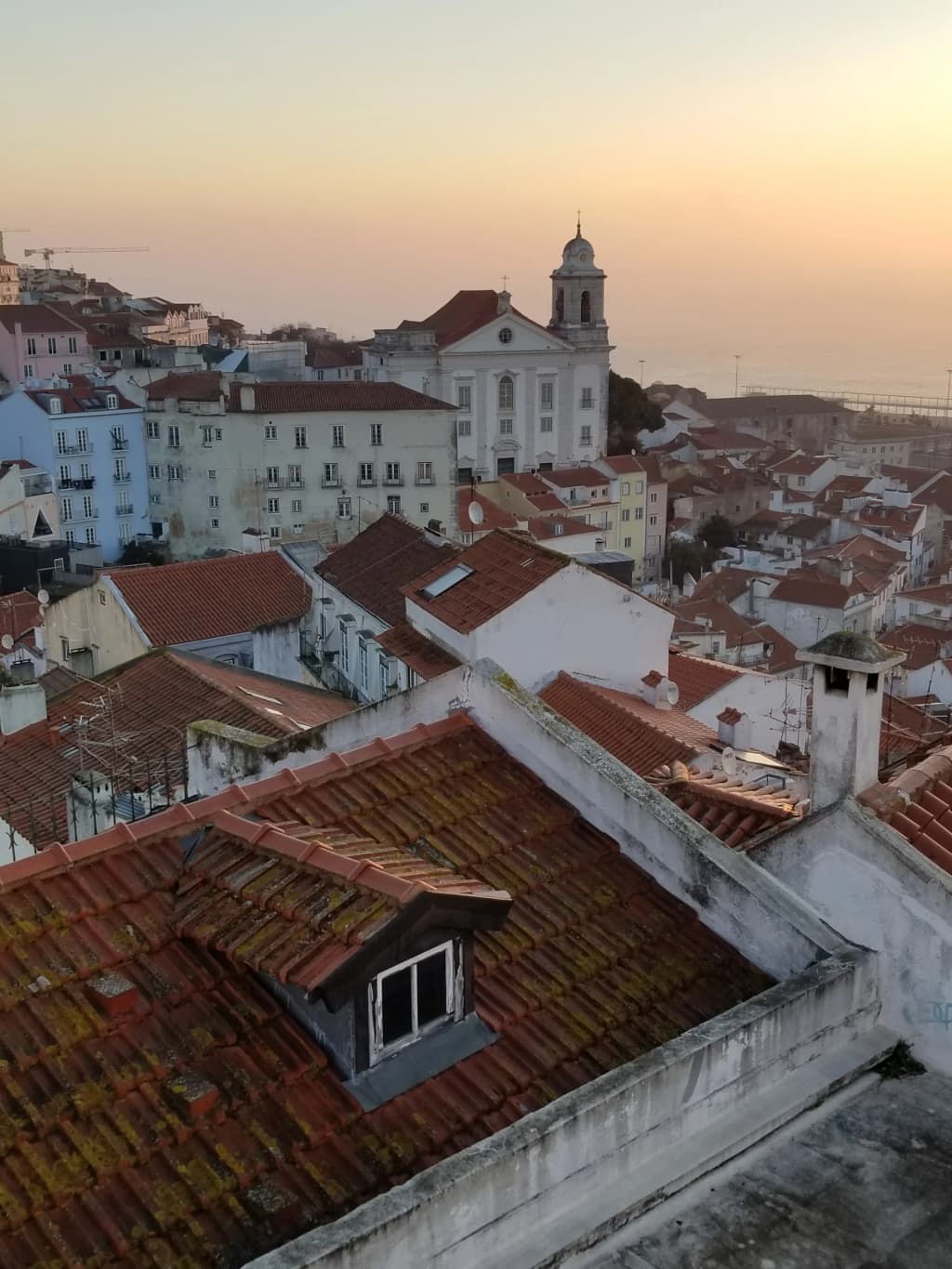
The smell hits you first. Charcoal smoke, blistering sardines, and the faint, salty kiss of the Tagus River. The old woman behind the makeshift grill doesn't look up as she flips the silver fish, her hands moving with the rhythmic memory of decades. This is Alfama, Lisbon's oldest quarter, where the maze of cobblestone streets feels less like a city grid and more like a living, breathing organism. The yellow Tram 28 rattles past, metal shrieking against metal, drowning out the melancholic strains of fado music bleeding from a nearby tavern. The three-euro ticket for the tram feels like a laughable price for what is essentially a cinematic journey through Moorish history. I run my fingers along the cool, blue-glazed azulejo tiles adorning the crumbling facades, the ceramic smooth and cold against my skin.
The air shifts entirely when the train climbs into the Sintra Mountains. The coastal heat surrenders to a cool, damp mist that clings to the ancient pines. It smells of wet earth and crushed eucalyptus. I arrive at the heavy iron gates of Pena Palace just as they swing open at 9:30 in the morning—a deliberate timing that spares me the suffocating afternoon crowds. The fourteen-euro entry fee grants passage into what feels like a fever dream of a nineteenth-century king. The palace is a riot of canary yellow and terracotta red, rising abruptly from the lush, subtropical gardens. I can hear the distant trickle of hidden fountains and the rustle of exotic ferns. The stone walls are cold to the touch, rough with centuries of mountain moisture, but the view from the terraces—stretching all the way to the Atlantic—is warm and infinite.
Heading east into the Alentejo region, the landscape flattens into endless seas of cork oaks and olive groves baked by the relentless sun. The medieval walls of Evora rise from the plains like a mirage. The heat here is dry, pressing down on my shoulders as I navigate the labyrinth of whitewashed alleys. I run my hand along the rough, sun-warmed stone of the Roman Temple, its Corinthian columns standing defiant against two thousand years of history. The air smells of dry dust and sweet almond pastries baking in a nearby pastelaria. Inside the Chapel of Bones, the atmosphere drops ten degrees. The chill is immediate, raising goosebumps on my arms. Thousands of human skulls stare blankly from the walls, a macabre yet profoundly peaceful reminder of mortality. The silence in the chapel is heavy, absorbing even the faintest shuffle of footsteps.
The journey north takes me through Coimbra, where the Mondego River reflects the terracotta roofs of one of Europe's oldest university towns. The steep climb up to the campus leaves my calves burning and my lungs grasping for the crisp morning air. I hear them before I see them—students draped in traditional black capes that billow like bat wings in the breeze, their laughter echoing off the centuries-old stone walls. Slipping into the Joanina Library, the scent of old paper, leather bindings, and beeswax floor polish is intoxicating. It smells like accumulated centuries of human thought. The dim, golden light filters through tall windows, illuminating dust motes dancing over the gilded wooden shelves. It costs thirteen euros to enter, a small toll to stand inside a room that feels like the inside of a jewel box.
Further north, the Douro River cuts through Porto like a ribbon of dark glass. The Ribeira district pulses with a different kind of heartbeat. Here, the air is thick with the scent of roasted chestnuts and the dark, sweet aroma of aging port wine leaking from the cellars across the water in Vila Nova de Gaia. The iconic Dom Luis I Bridge looms overhead, a massive iron skeleton casting intricate shadows on the pedestrian zone below.
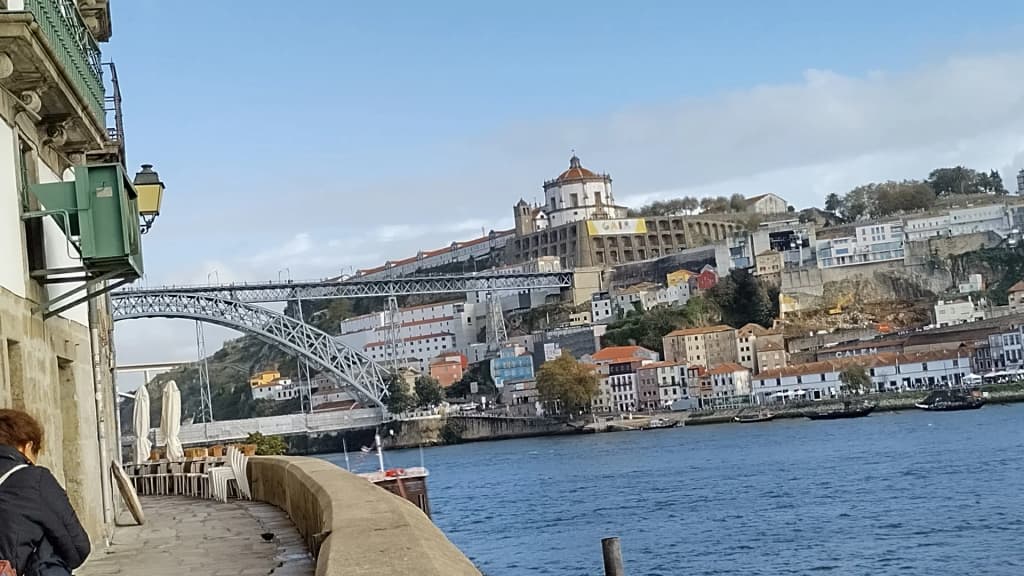
I pull up a wooden stool at a tiny riverside tavern. The owner, a burly man with flour dusted across his apron, slides a glass of ruby port toward me.
"You're drinking it too fast," he says, his voice a low rumble over the din of street musicians.
"I'm thirsty," I reply, swirling the dark liquid.
He chuckles, wiping down the scarred wooden bar. "Port is not for thirst. It is for time. You sip, you watch the river, you let the afternoon die slowly."
I take his advice. The wine is heavy and sweet on the tongue, tasting of dark cherries and oak. I sit there for hours, listening to the clinking of glasses and the soft lapping of the river against the stone docks, feeling the afternoon sun bake the chill from my shoulders.
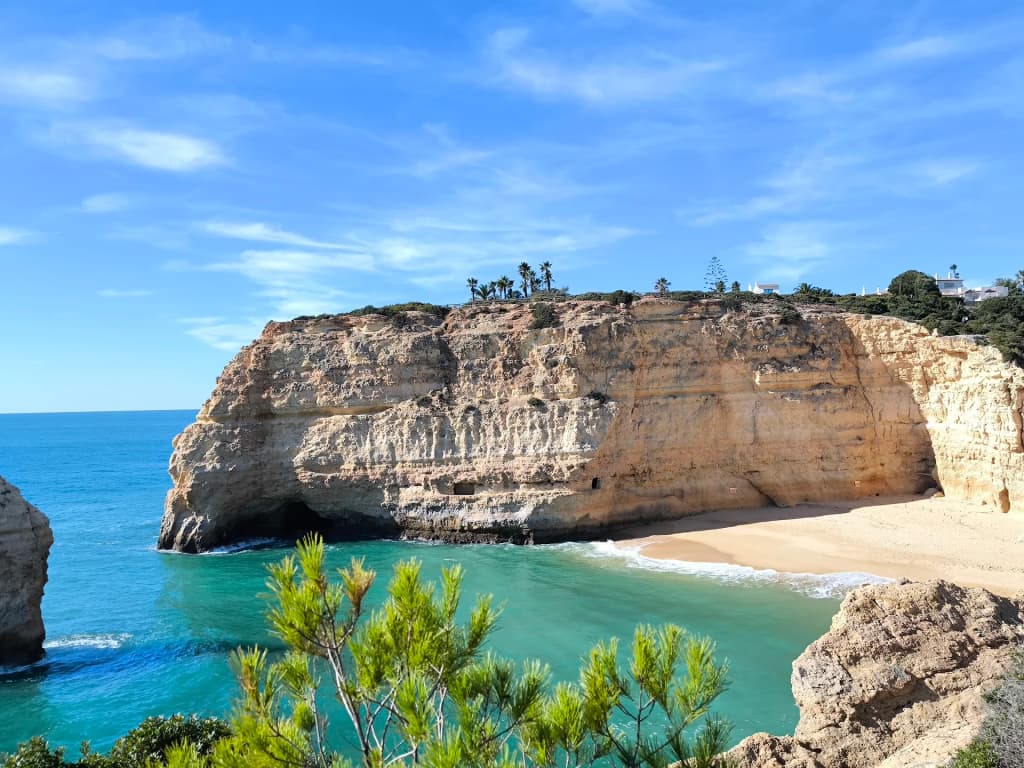
The southern extreme of the country offers a startling contrast. The Algarve is a sensory explosion of blinding white light and sheer golden cliffs plunging into the roaring Atlantic. The wind here tastes of pure salt. Walking along the coastal trails, the sand crunches underfoot, hot and coarse. The turquoise water crashes violently against the limestone stacks, sending a fine, cooling spray into the air. It is wild and untamed, a far cry from the manicured resorts that dot the region. I find a secluded cove, sheltered from the wind, and let the rhythmic pounding of the waves wash away the noise of the world.
But if I want true isolation, I leave the mainland entirely. A flight over the Atlantic drops me onto São Miguel in the Azores. This is a landscape painted exclusively in shades of violent green and volcanic black.
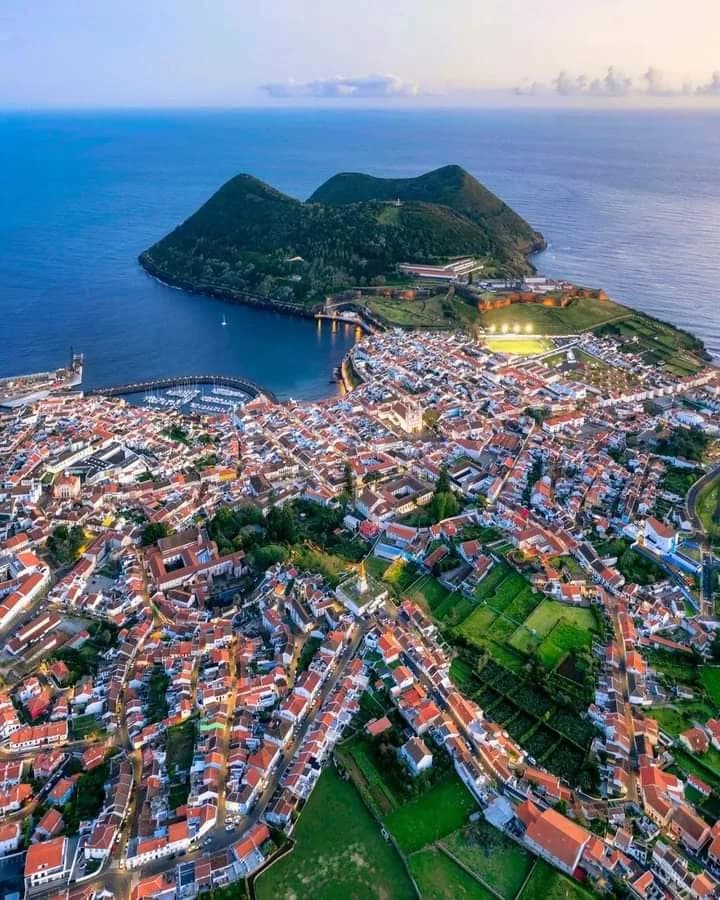
The earth here literally breathes. Steam hisses from the ground in Furnas, carrying the pungent, sulfurous scent of the planet's molten core. I submerge myself in a natural thermal pool, the iron-rich water scalding and silken against my skin, a stark contrast to the crisp, cool island air. The silence is profound, broken only by the distant call of a seabird and the bubbling of the mud springs. There are no checklists here, no rushing to the next monument. I just sit in the warm water, watching the mist roll over the caldera, realizing that the truest luxury of travel isn't found in what you see, but in how deeply you are willing to feel it.
More Photos
More Adventures
 $150 - $350/day 7-14 days
 Where the Water Meets the Woods: A Michigan Journey
Experience Michigan's contrasting landscapes, from the artistic streets of Detroit to the towering dunes and wild shores of the Great Lakes on this road trip.
 $150 - $400/day 5-10 days
 Ditch the Textbook: Conquer the Wild Side of Massachusetts
Think you know Massachusetts? Think again. From the rugged peaks of the Berkshires to the untamed shores of Cape Cod, it's time to conquer the Bay State.
 $40 - $150/day 14-21 days
 Chasing Dragons and Lanterns: A Sensory Journey Through Vietnam
Experience the sensory magic of Vietnam, from the chaotic streets of Hanoi to the emerald karsts of Halong Bay and the quiet waterways of the Mekong Delta.
 $45 - $120/day 15-21 days
 Thailand vs Philippines vs Bali: Which Should You Choose?
Compare Thailand, the Philippines, and Bali with exact budgets, transit times, and logistics. Plan your perfect 15-day Asia itinerary without the stress.