
Portugal’s Spell: Sun, Stone, and the Scent of the Sea
Wander Portugal’s sunlit coasts, ancient cities, and wild islands. A sensory journey through fado, food, and the warmth of a nation that never stops surprising.
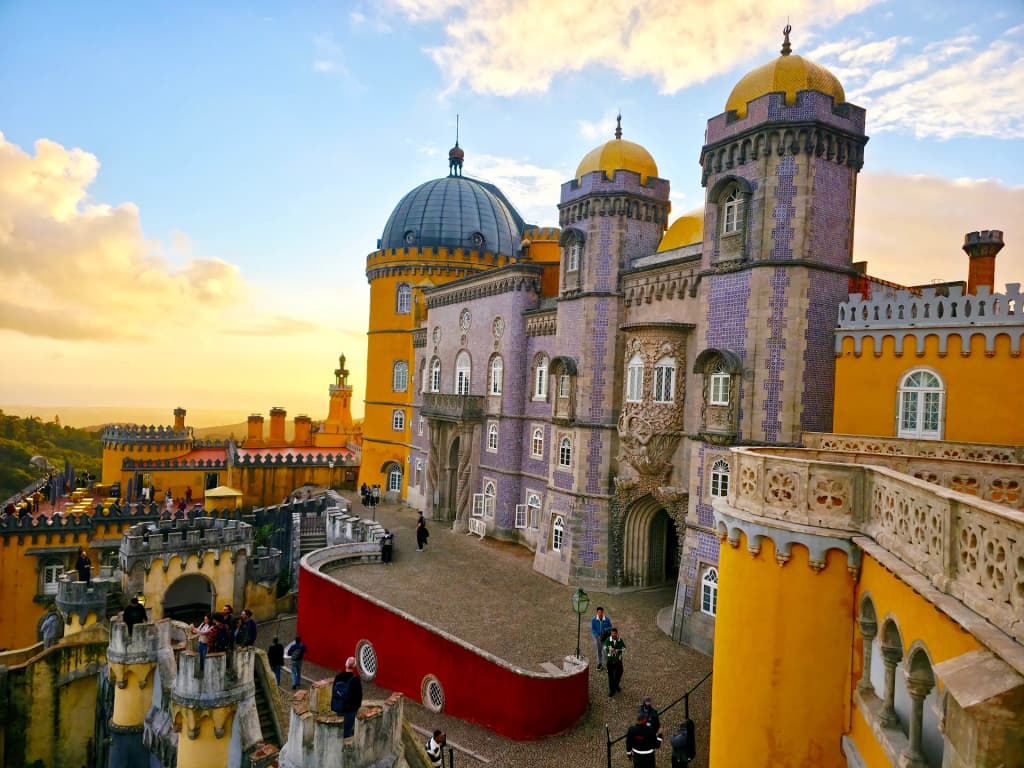
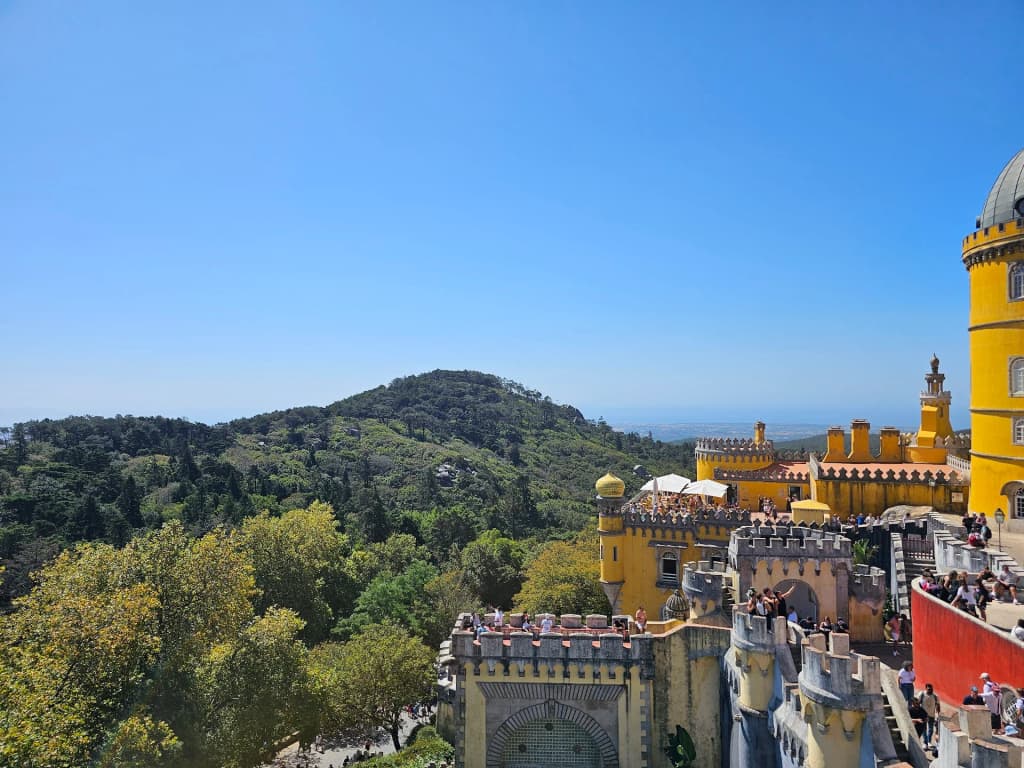
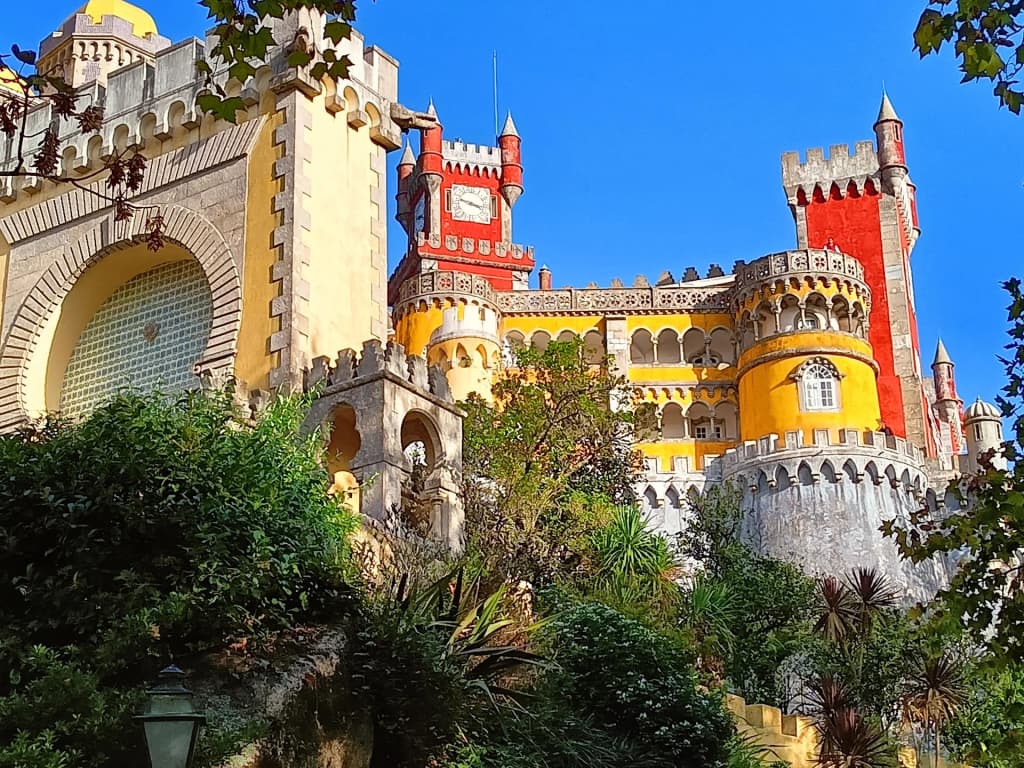
The light in Sintra is different. It’s not just the way the sun glances off the candy-colored turrets of Pena Palace, but the way mist clings to the forested hills, curling around stone walls and secret gardens. I’m standing at the edge of a path, the air thick with the scent of wet earth and pine, and somewhere below, a peacock calls—a sound both regal and wild. The palace itself rises like a fever dream: yellow domes, red towers, tiles the color of lapis and lemon. A woman in a green scarf leans on the balustrade beside me, her breath visible in the cool morning air.
“You came early,” she says, her accent soft but unmistakable. “Best time. Before the crowds.”
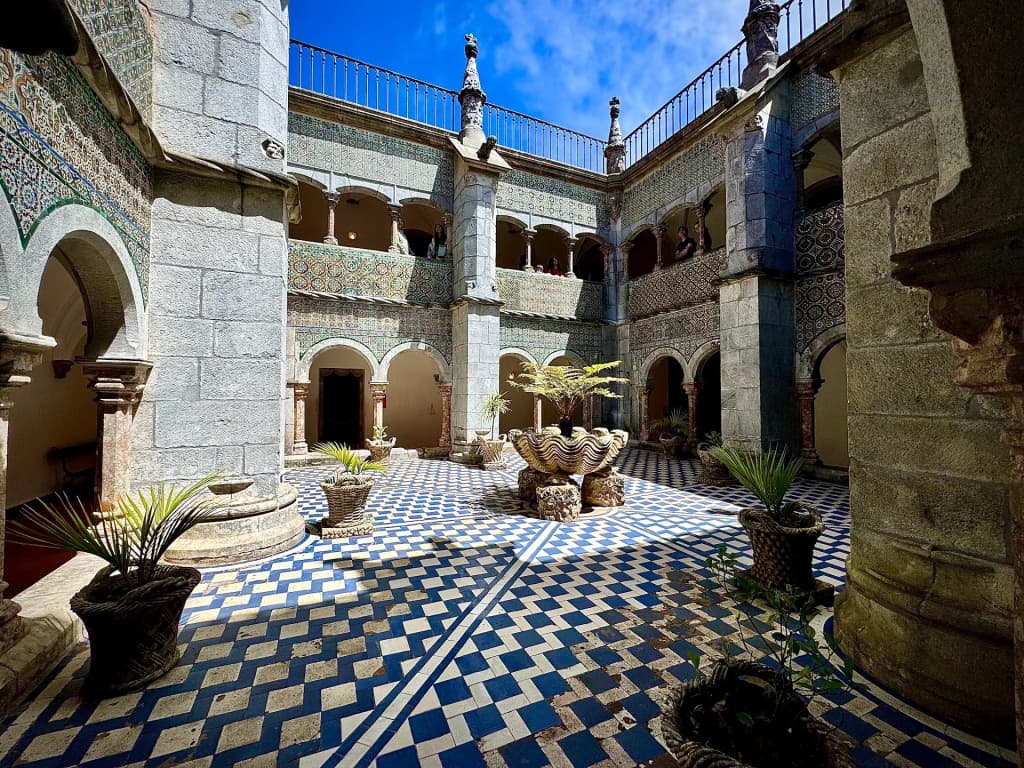
I nod, grateful for the hush. The gates had opened at nine, just as the first rays broke through the clouds. Inside, the rooms are a riot of velvet and gold, Moorish arches, and stained glass. Outside, the gardens tumble down the hillside, tangled and lush, every path promising a new secret. Sintra is a place that feels both ancient and alive, a fairytale with its roots deep in the earth.
The train from Lisbon to Porto hums with quiet anticipation. Out the window, the landscape shifts: olive groves, whitewashed villages, the flash of the Atlantic. In Porto, the air is saltier, the light sharper. I lose myself in the Ribeira district, where laundry flutters from iron balconies and the river glows gold at sunset. The streets are a mosaic of sound—snatches of fado from a doorway, the clatter of forks on ceramic, the laughter of children chasing pigeons.
At a tiny tasca, I order bacalhau à Gomes de Sá. The waiter, a wiry man with a smile as wide as the Douro, sets down the dish with a flourish. “You must try the vinho verde,” he insists, pouring a glass that fizzes with promise. The cod is tender, the potatoes buttery, the olives briny and sharp. Each bite is a lesson in memory and migration, the taste of centuries spent at sea.
Later, I cross the Dom Luís I Bridge, the city unfurling beneath me in a patchwork of terracotta and blue. The sun dips low, and the river reflects the sky’s last fire. Porto is a city that wears its history on its skin—azulejos telling stories in cobalt and white, cellars echoing with the scent of oak and wine.
The Algarve smells of salt and wild thyme. I walk barefoot along the cliffs near Benagil, the sand warm and fine between my toes. Below, the sea carves caves into honey-colored rock, and the wind carries the cries of gulls. Fishermen mend their nets in the shade, their hands quick and sure. A boy offers me a pastel de nata, still warm from his mother’s kitchen. The custard is sweet, the pastry shatters with a sigh.
“First time here?” he asks, eyes bright.
“Yes,” I say, licking sugar from my fingers. “But not the last.”
He grins, and the world feels simple—sun, sea, and the promise of another day.
In the Azores, the air is thick with the scent of hydrangeas and rain. São Miguel’s hills roll green and wild, steam rising from the hot springs at Furnas. I float in mineral-rich water, the world muffled and soft. Later, in Angra do Heroísmo, a woman in a blue apron pours me a cup of chá Gorreana—the only tea grown in Europe. The taste is grassy, almost sweet, and the cup warms my hands against the Atlantic chill.
“Whales come in spring,” she tells me, eyes on the horizon. “Sometimes, you see them from the cliffs.”
The islands feel like a secret, a place where the world is still being made.
Lisbon is a city of hills and longing. The trams rattle up steep streets, yellow and battered, their bells echoing through Alfama. I follow the sound of fado into a tiny bar, the singer’s voice raw with saudade. The room smells of grilled sardines and red wine, the walls stained with stories. Outside, the city glows—tiles catching the last light, the river wide and silver.
At Belém, I stand in the shadow of the Jerónimos Monastery, its stone lacework bright against the sky. The air is thick with the scent of custard and cinnamon from the nearby bakery. I join the line, the anticipation sweet as the pastry itself.
There are other places, each with their own rhythm: the medieval quiet of Óbidos, where cherry liqueur is sipped from chocolate cups; the academic hush of Coimbra, its library a cathedral of books; the wild surf of Nazaré, where waves rise like mountains and the air tastes of salt and adrenaline. In Braga, bells ring out over baroque stairways and gardens bright with flowers. In Guimarães, the stones remember the birth of a nation.
Everywhere, the language is music—Portuguese, spoken by millions, a bridge across continents. The people greet you with warmth, their smiles as open as the sky. The food is a celebration of land and sea: grilled fish, hearty stews, the sharp tang of vinho verde, the sweetness of figs and honey.
Portugal is a country of edges—where land meets ocean, where past meets present, where every journey is a conversation between longing and belonging. I leave with sand in my shoes, the taste of salt on my lips, and a heart full of saudade—a word for missing, for memory, for the beauty of what remains just out of reach.
More Photos
More Adventures
 $60 - $200/day 4-7 days
 Between the Andes and the Ocean: Unraveling Santiago
Experience the striking contrasts of Santiago, Chile. Discover historic dive bars, the soaring Andes in Cajón del Maipo, and the colorful hills of Valparaíso.
 $40 - $80/day 2-4 days
 Boa Vista: Exploring the Amazon's Fan-Shaped Frontier City
Experience the unexpected beauty of Boa Vista, Roraima. Discover Macuxi indigenous crafts, the unique Lavrado biome, and sunset boat tours on the Rio Branco.
 $150 - $300/day 1-2 days
 Conquer Epcot: The Ultimate High-Speed Global Gauntlet
Think Epcot is a slow stroll? Think again. It's a high-speed, globe-trotting gauntlet. Hack the rides, taste the world, and push your limits in Orlando.
 $40 - $150/day 20-30 days
 Conquer Thailand: The Ultimate 20-Day Blueprint
Skip the tourist traps. Grab your backpack. This is your high-energy, no-BS guide to dominating Thailand in 20 days. Get ready to sweat.