
Rio de Janeiro Arrival Guide: Transfers, Budgets & Sightseeing
Master your Rio de Janeiro arrival with our methodical guide. Learn exact transfer costs, Christ the Redeemer itineraries, and budget tips for a perfect trip.
Arriving in Rio de Janeiro does not have to be a chaotic free-for-all. By applying a methodical approach—from the exact minute your plane touches down to your 8:00 AM arrival at Christ the Redeemer—you can completely bypass the frantic tourist rush. In this guide, I will show you how to optimize your airport transfer, secure the best sightseeing time slots, and plan a perfectly paced itinerary for under $250 USD a day.
Quick Facts
Before we dive into the exact logistics of your arrival, let's establish the baseline parameters for your Rio de Janeiro trip so you know exactly what to expect:
- Best Time to Visit: May to October (Dry season, with comfortable temperatures between 70°F and 80°F)
- Budget Range: $80 - $250 USD per day (heavily dependent on your choice of accommodation style)
- Duration Needed: 4 to 7 days for a comprehensive, unhurried experience
- Currency: Brazilian Real (BRL). Roughly 1 USD = 5 BRL (always check current rates before departure)

The Zen of Arrival: Mastering the Plane Exit
Let's talk about the very first test of your travel patience: disembarking the airplane. Recently, while landing in Brazil, I was reminded of a crucial travel truth regarding the psychology of arrival. Our flight implemented a strict row-by-row disembarkation policy, which is the ultimate test for anxious travelers.
While some travelers prefer the chaotic "every man for himself" approach to getting off a plane, the structured row-by-row method is infinitely superior. My row was the absolute last to exit, yet I walked off feeling completely at peace.
Here is the logical breakdown of why you should embrace the slow exit:
- Baggage Claim Normalization: Even if you sprint off the plane and push past fifty people, you will still wait 20 to 30 minutes for your checked bags to appear on the carousel at Galeão International Airport (GIG).
- Immigration Lines: If you are seated at the back of the plane, rushing only saves you roughly 4 to 5 minutes in the immigration queue. Use the extra seated time to organize your entry documents.
- Mental Reset: Rio is a high-energy, fast-paced city. Starting your trip with a frantic dash elevates your cortisol levels before you even clear customs. Stay seated, gather your belongings methodically, and step into the airport with a clear, organized head.
Pro Tip: Keep a physical pen and your passport easily accessible in a small crossbody bag. You will need both immediately upon exiting the aircraft to fill out any required arrival forms.
Airport to City: The Transfer Breakdown
Rio has two main airports: Galeão (GIG) for international flights, and Santos Dumont (SDU) for domestic routes. GIG is located about 20km (12.5 miles) from the popular South Zone neighborhoods like Copacabana and Ipanema. SDU is much closer, sitting just 10km (6 miles) away.
Securing safe, cost-effective transport from the terminal to your hotel requires a strategic choice. Here is exactly how you should handle your transfer:
Option Cost (USD) Time to Copacabana Best For Uber/Ride App $15 - $22 45-60 mins Overall value and convenience Official Taxi $25 - $35 45-60 mins Late night arrivals, pre-paid peace of mind Premium Transfer $50 - $70 45-60 mins Families with lots of luggage Executive Bus $4 - $6 75-90 mins Strict budget travelers⚠️ Watch Out: Never accept rides from unofficial drivers soliciting inside the arrivals terminal. Only use the official, pre-paid taxi counters or request ride-hailing apps at the designated, clearly marked pickup zones outside.
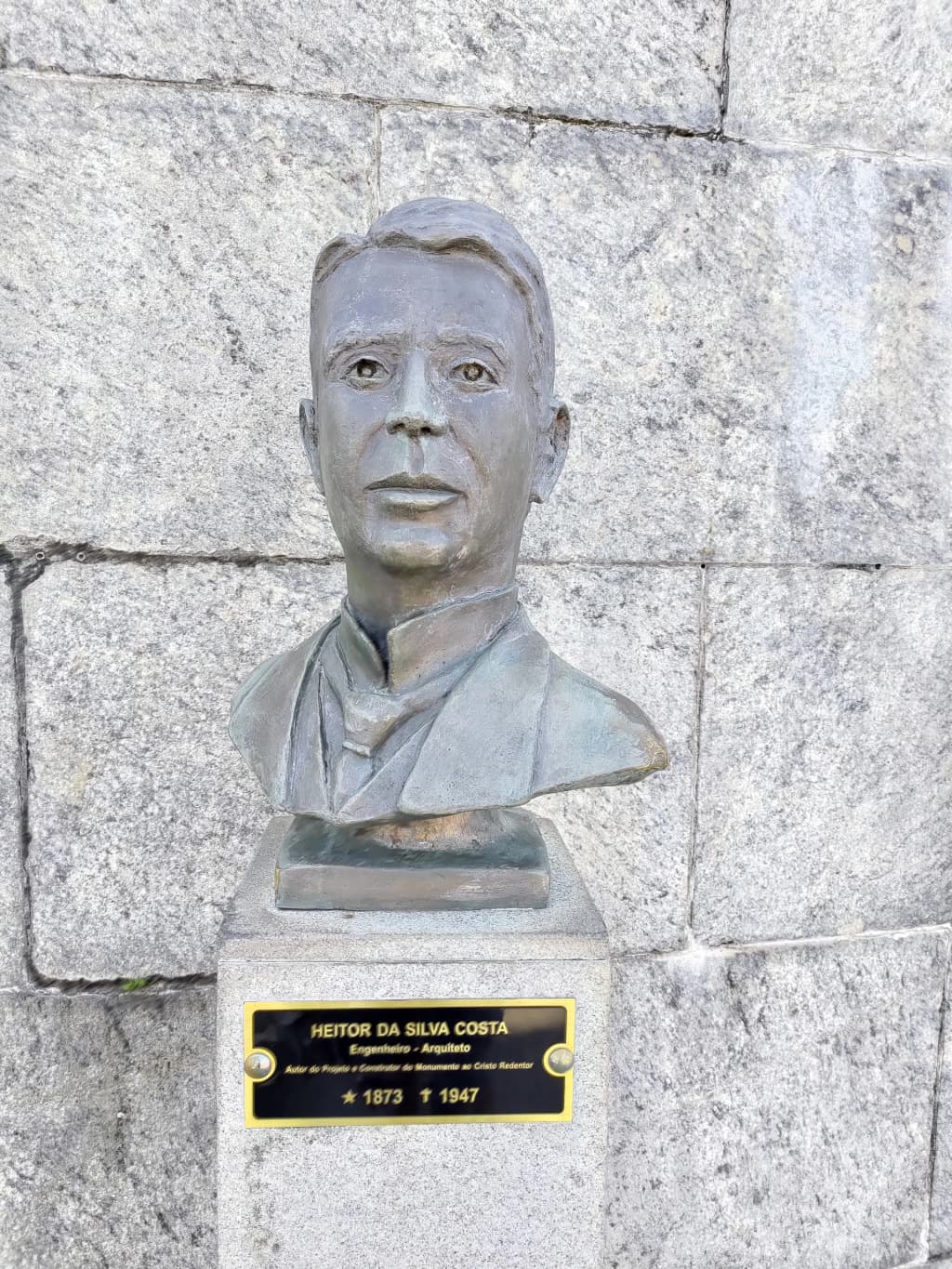
Stress-Free Sightseeing: Christ the Redeemer
Once you have settled into your hotel and unpacked, it is time to tackle Rio's most iconic landmark. Sitting exactly 710 meters atop Corcovado Mountain, Christ the Redeemer requires meticulous planning to avoid massive queues and the punishing midday heat.
Transport Options to the Top
There are three distinct ways to get up the mountain. Here is my practical, cost-benefit breakdown:
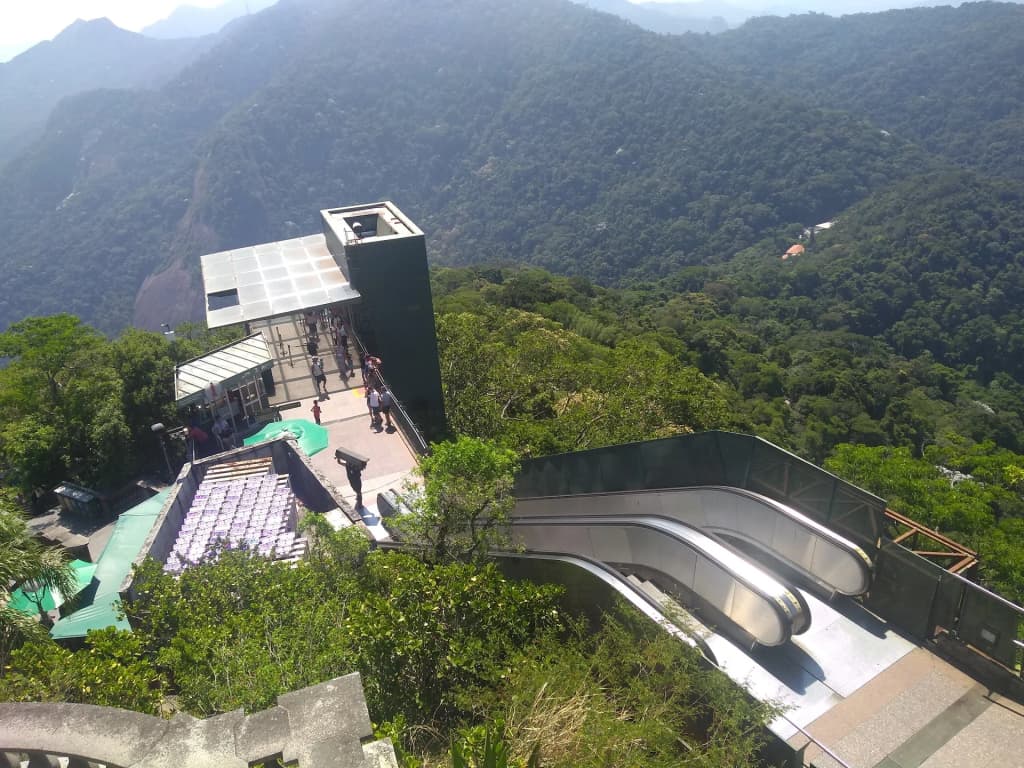
- Trem do Corcovado (Cog Train): The most scenic and reliable option. The 20-minute ride cuts directly through the Tijuca Forest. Tickets cost approximately $24 USD (which includes your monument admission) during the high season.
- Official Vans: These depart from Copacabana, Largo do Machado, and Paineiras. This is a highly efficient option if you want a direct route from the South Zone without navigating to the train station. Costs are roughly $20 USD.
- Hiking: Free, but takes 2 to 3 hours and requires a high level of physical fitness. This is only recommended for experienced hikers traveling in groups due to safety and navigation concerns.
The Methodical Itinerary
To optimize your visit and guarantee photos without hundreds of people in your background, follow this exact schedule:
- 7:30 AM: Arrive at the Trem do Corcovado station in the Cosme Velho neighborhood.
- 8:00 AM: Board the very first train of the day.
- 8:25 AM: Arrive at the base of the statue. You will have exactly 20 to 30 minutes of relatively crowd-free photo opportunities before the next wave of tourists arrives.
- 9:30 AM: Begin your descent. This is critical, as the massive, organized tour buses begin dropping off hundreds of passengers right at 10:00 AM.
Pro Tip: Book your Trem do Corcovado tickets online at least 3 to 5 days in advance. Same-day tickets for the early morning slots frequently sell out, leaving you stranded at the bottom of the mountain.
Common Mistakes to Avoid
Even the most meticulous planners can fall into easily avoidable traps when visiting a new city. Avoid these common pitfalls to keep your trip running smoothly and safely:
- Relying Solely on Credit Cards: While card acceptance is incredibly high in Brazil, you absolutely need small bills (specifically 2, 5, and 10 BRL notes) for beach vendors, purchasing coconuts, and tipping. Keep about $30 USD worth of Reais on hand daily.
- Visiting Landmarks on Cloudy Days: Christ the Redeemer is frequently obscured by thick clouds. Always check the live weather webcams online before committing to the journey up the mountain.
- Walking on the Beach at Night: While Copacabana and Ipanema are beautiful by day, the sand itself is not secure for late-night strolls. Stick strictly to the well-lit, populated mosaic sidewalks (known as calçadões) when walking after dark.
- Underestimating Traffic: Rio's rush hour (running from 4:30 PM to 7:30 PM) is brutal. A standard 20-minute drive can easily turn into an hour-long gridlock. Plan your sightseeing so you are not crossing the city during these exact windows.
Practical Next Steps
Ready to get your Rio de Janeiro logistics locked in? Here is your immediate, actionable checklist:
- Download Essential Apps: Install Uber (for secure transport) and WhatsApp (the absolute primary communication method for tour guides, drivers, and restaurants in Brazil) before you leave your home country.
- Book Strategic Flights: Look for arrivals landing between 10:00 AM and 2:00 PM. This perfectly positions you to avoid rush hour traffic during your airport transfer.
- Secure Your Tickets: Go directly to the official Trem do Corcovado website right now and book your 8:00 AM slot for your first full day in the city.
By taking a structured, peaceful approach to your travel logistics—starting right from your seat on the airplane—you set the tone for a spectacular, highly organized Brazilian adventure.
More Photos

More Adventures
 $40 - $80/day 2-4 days
 Boa Vista: Exploring the Amazon's Fan-Shaped Frontier City
Experience the unexpected beauty of Boa Vista, Roraima. Discover Macuxi indigenous crafts, the unique Lavrado biome, and sunset boat tours on the Rio Branco.
 $80 - $250/day 4-7 days
 Surviving Manaus: Gateway to the Raw Amazon Jungle
Skip the tourist traps. Dive deep into Manaus, witness the Meeting of the Waters, and journey straight into the raw heart of the Amazon rainforest.
 $300 - $400/day 2-4 days
 Inside the MasterChef Kitchen at Bendito Cacao Resort
Discover the sensory wonders of Brazil's Bendito Cacao Family Resort in Campos do Jordão, where luxury hospitality meets MasterChef culinary history.
 $150 - $350/day 3-4 days
 Trancoso Travel Guide: 3-Day Itinerary & Budget Breakdown
Plan a practical 3-day trip to Trancoso, Brazil. Discover the best beaches, UTV tours to Praia do Espelho, and exact costs to optimize your travel budget.