
Inside the MasterChef Kitchen at Bendito Cacao Resort
Discover the sensory wonders of Brazil's Bendito Cacao Family Resort in Campos do Jordão, where luxury hospitality meets MasterChef culinary history.
The smell hits you first. Roasted cacao, dark vanilla, and something earthy you can't quite name. It hangs heavy in the crisp, pine-laced mountain air of Campos do Jordão. The heavy glass doors slide open, and the aroma deepens into notes of toasted macadamia nuts and melted butter. I step into the sprawling lobby of the Bendito Cacao Family Resort, letting the chill of the Brazilian highlands melt off my shoulders. The space hums with the low, comfortable murmur of families and the distinct, sharp clinking of porcelain espresso cups against saucers. But I am not here for the lobby, nor the sweeping views of the Mantiqueira Mountains. I am looking for a very specific room.
I wander the dim, carpeted corridors of the resort. The theme of chocolate is everywhere, woven into the rich brown textiles and the amber lighting that casts long, soft shadows across the floorboards. I turn a corner, leaving the lively chatter of the main dining hall behind, and push open a set of heavy wooden double doors. The atmosphere shifts instantly. The scent of chocolate fades to the background, replaced by the faint, metallic tang of polished steel and the lingering ghost of browned butter.
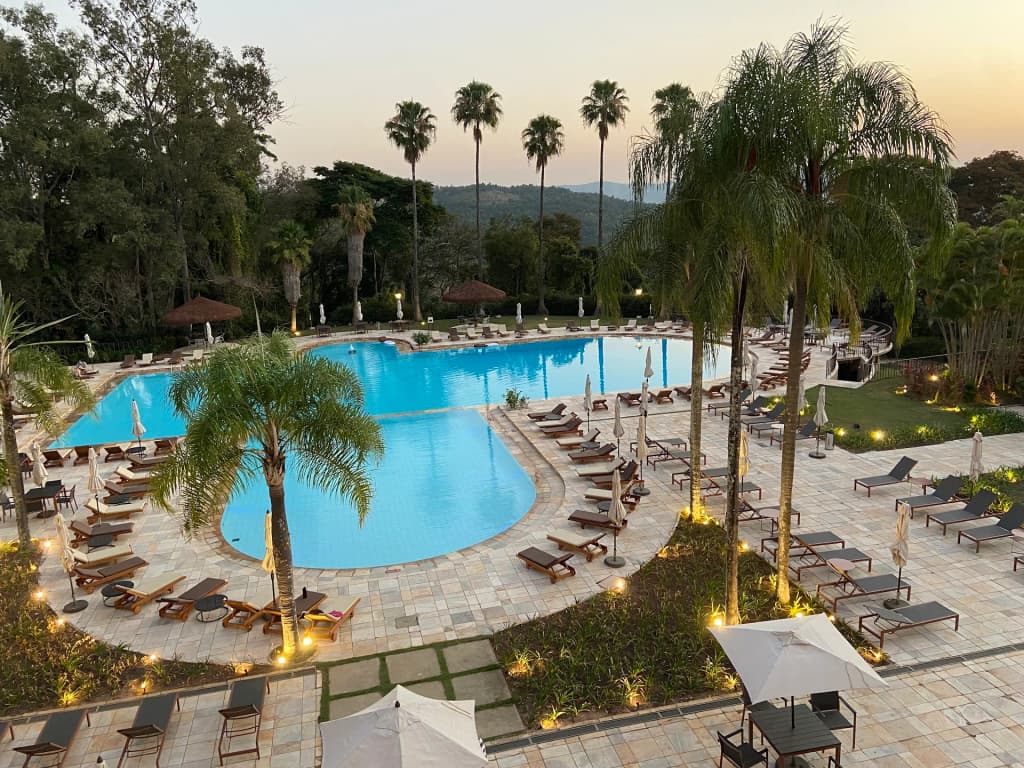
It is a kitchen, but not just any kitchen. The space is a gleaming temple to culinary artistry. The cool, smooth expanse of the massive marble countertops stretches out in front of me, spotless and waiting. Above, a large industrial clock ticks with a steady, rhythmic heartbeat that echoes slightly in the cavernous room. I walk slowly along the edge of the prep stations, my fingertips brushing the cold stone. And then, I see them. Scrawled across the pristine tile wall in bold, unapologetic black marker are the signatures. Erick Jacquin. Paola Carosella. The titans of Brazilian culinary television, the iconic judges of MasterChef Brasil. Seeing their names here, etched into the architecture of this mountain retreat, sends a sudden, unexpected thrill down my spine.
"You're looking at the signatures," a voice says, cutting through the quiet hum of the industrial refrigerators.
I turn to find a woman standing in the doorway, wiping her hands on a crisp white apron. Her name tag reads Juliana, and she possesses the calm, centered energy of someone who spends her life orchestrating chaos over open flames.
"It's hard to miss," I reply, stepping back to take in the full wall. "Jacquin. Paola. It feels like walking onto a television set."
Juliana laughs, a warm, resonant sound that bounces off the subway tile. "It is a piece of television history, yes. People walk in here and they freeze. They expect the cameras to start rolling, or for someone to yell at them about undercooked risotto." She walks over to the sprawling island, resting her hands on the marble. "But mostly, it's just a space that inspires people. When you cook in a room where the masters have stood, you stand a little taller. You chop a little faster."
She gestures toward the back of the room, where an arsenal of professional kitchen utensils hangs suspended from a heavy iron rack. I walk over, the soles of my boots squeaking softly against the non-slip floor. Copper pans catch the low afternoon light, glowing like newly minted coins. I reach out and wrap my hand around the heavy wooden handle of a massive wire whisk. It has the satisfying, weighted balance of a serious tool. The clinking of the heavy metal utensils as they brush against one another sounds like wind chimes in a storm. This isn't just a display; it is a working, breathing space.
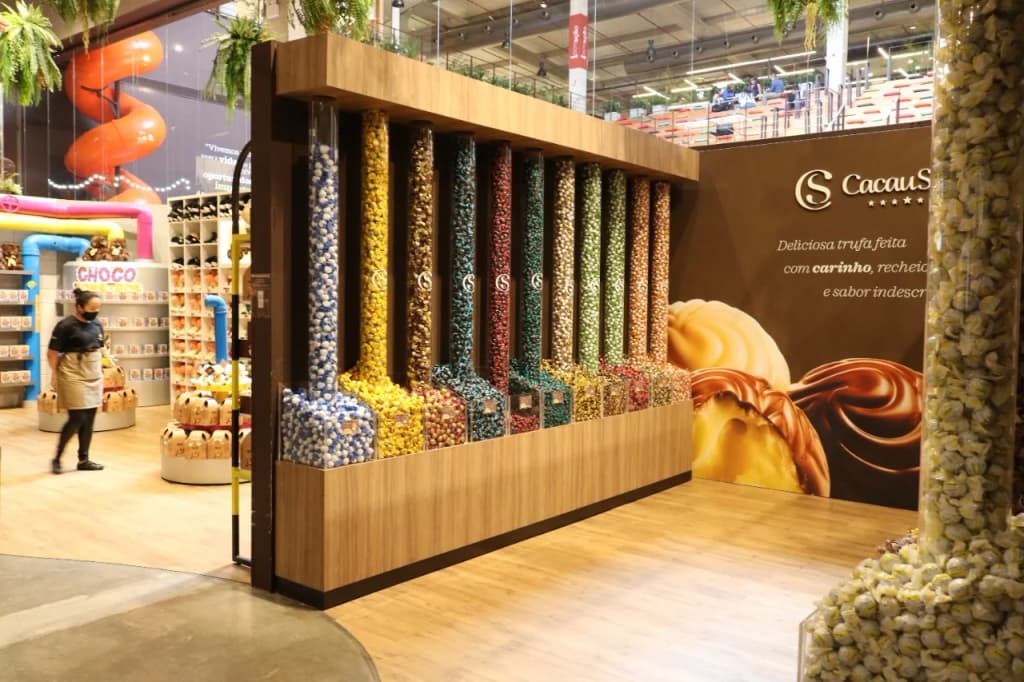
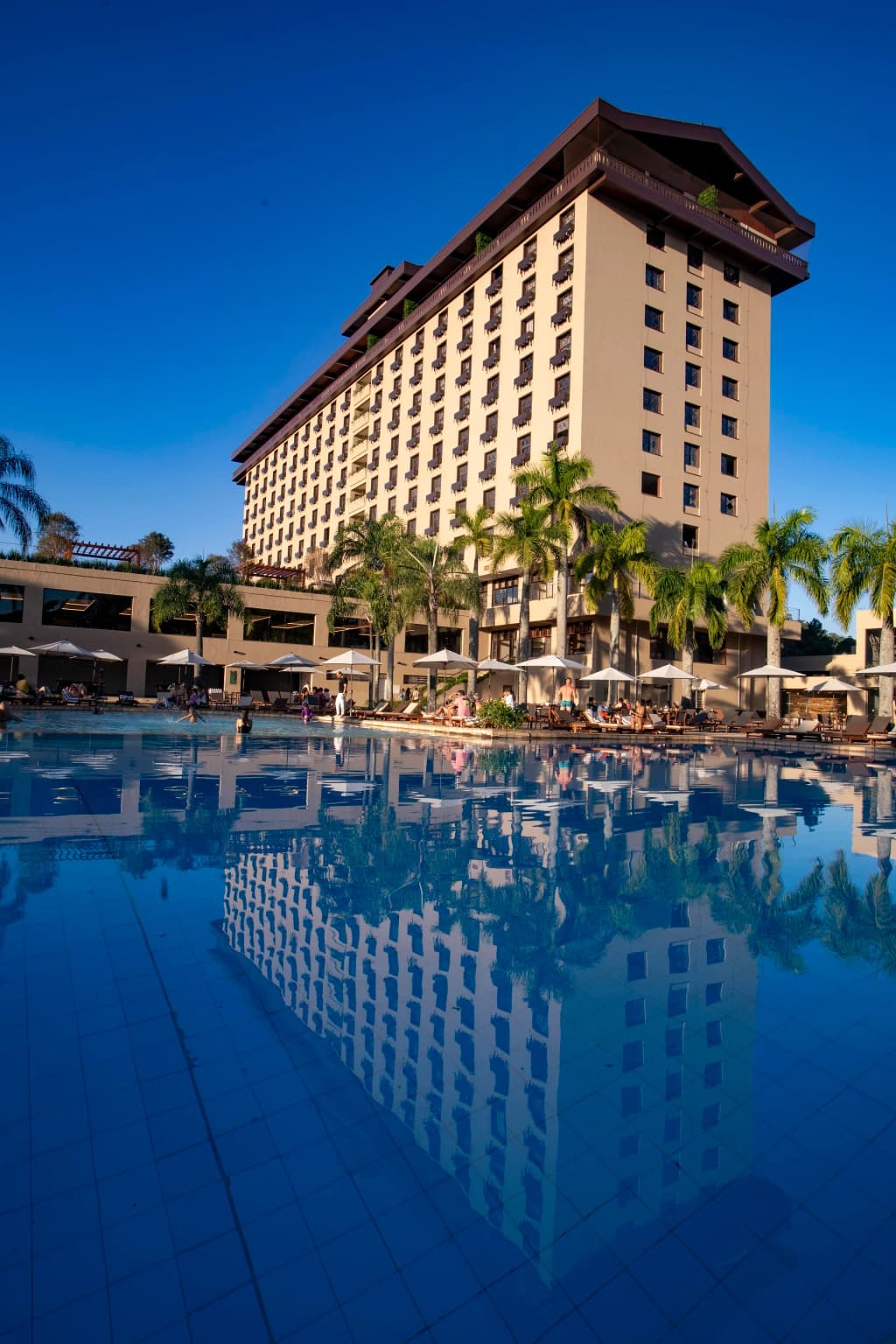
Getting to this exact spot requires a bit of commitment. I drove two hours up the winding Serra da Mantiqueira from São Paulo, navigating roads that snake precariously through dense, emerald-green Atlantic forest. Securing a weekend reservation at the Bendito Cacao takes months of foresight, especially if you plan to visit during the busy winter months of June and July when all of Brazil seemingly flocks to the mountains for fondue and fire pits. The nightly rate—which usually hovers around three to four hundred dollars depending on the season—feels entirely justified the moment you realize this isn't merely a place to sleep. It is an immersive culinary theater. The resort seamlessly blends the child-like wonder of a chocolate factory with the refined, exacting standards of high-end gastronomy.
Juliana reaches into a temperature-controlled glass case near the prep station and pulls out a small, perfectly tempered dark chocolate truffle. She hands it to me on a small porcelain plate.
"Try this," she says softly. "It's from the cacao we roast downstairs."
I place the chocolate on my tongue and press it against the roof of my mouth. The bitter snap of the seventy-percent dark chocolate gives way immediately, melting slowly into a pool of complex flavors—red berries, smoke, and a hint of sea salt. I close my eyes, letting the taste anchor me to the room. The rhythmic ticking of the wall clock. The cool air radiating from the marble. The lingering presence of culinary giants who once stood exactly where I am standing, arguing passionately over seasoning and technique.
Kitchens are, at their core, keepers of secrets and memories. They absorb the frantic energy of a dinner rush, the quiet intimacy of a midnight snack, and the bold signatures of those who have mastered their craft. Standing here in the quiet mountains of Brazil, surrounded by the tools of the trade and the lingering scent of roasted cacao, I realize that the best travel experiences don't just show you a new place. They let you taste the passion of the people who built it.
More Photos
More Adventures
 $50 - $120/day 2-3 days
 Earth, Fire, and Lavender: A Sensory Weekend in Cunha
Breathe in the lavender fields, taste alpine mountain beer, and feel the heat of traditional Japanese kilns in the mountain village of Cunha, São Paulo.
 $50 - $150/day 3-5 days
 Misty Peaks and Wood-Fired Feasts in Visconde de Mauá
Experience the misty mountains of Visconde de Mauá, Brazil. Discover steep trails, cozy rain-lashed cabins, and the rich culinary heritage of Minas Gerais.
 $50 - $120/day 3-5 days
 Chasing Echoes and Gold Dust in Tiradentes, Brazil
Experience Tiradentes, Brazil through a sensory journey of colonial architecture, deep-rooted history, and the rich culinary traditions of Minas Gerais.
 $150 - $400/day 3-5 days
 Finding Stillness Above the Clouds in Brumadinho
Discover what happens when constant travel pauses in a sprawling, glass-walled luxury retreat high in the misty, forested mountains of Brumadinho, Brazil.