
Skip the Bus: The Ultimate Rio Grande do Norte Road Trip
Discover the raw coast of Rio Grande do Norte. Rent a car, skip the tourist traps, and explore Natal, Pipa, and São Miguel do Gostoso on your own terms.
Think you've seen beaches? Think again. The Brazilian coastline is massive. But most people flock to the exact same tired spots.
Everyone goes to Rio. Everyone crowds into Bahia. They fight for towel space. They pay premium prices for watered-down drinks.
Forget the crowded tourist traps down south. Rio Grande do Norte is the raw, sun-drenched adventure you’ve been looking for. It is wild. It is loud. It refuses to be tamed.
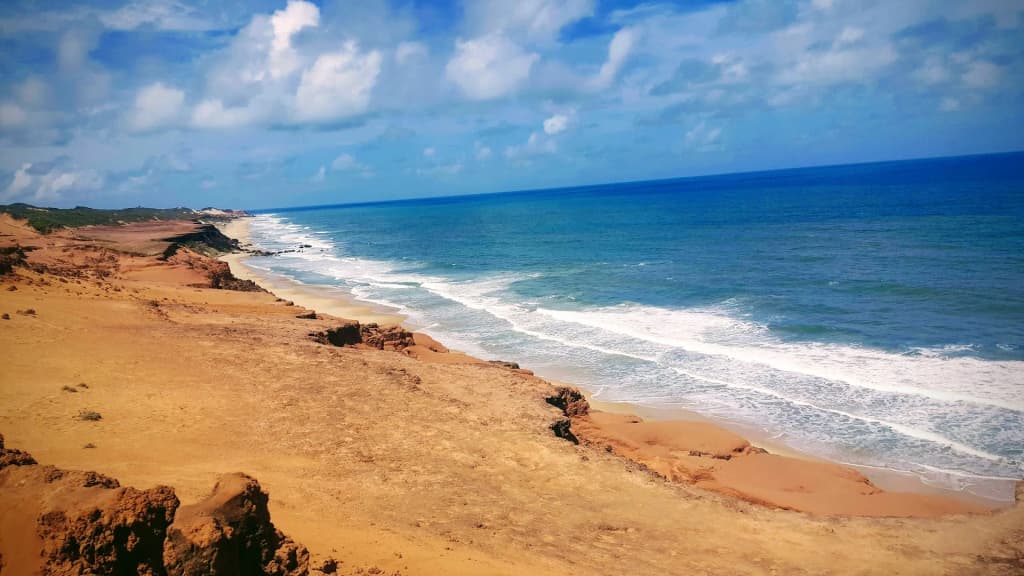
This is where the desert meets the ocean. Where towering dunes drop straight into warm, emerald waters. The wind constantly reshapes the landscape.
Ready to ditch the itinerary? Good. Let's dive in.
The Seven-Day Sweet Spot
How long do you need? Seven days. Don't argue. Just book the week.
People try to rush this coast in four days. Big mistake. You end up spending your whole trip in transit. You blink and it's over.
You spend half your time in airport cabs. You rush the sunsets. You miss the magic entirely.
Ten days? Even better. But seven is your absolute minimum to do it right. You need time to breathe. Time to get lost. Time to let the rhythm of the Brazilian northeast take over.
The first two days, you decompress. By day three, you forget what day it is. By day seven, you start looking at real estate.
This isn't a place you check off a list. It's a place you experience. Give it the time it deserves.
Basecamp: Ponta Negra
Start your journey in Natal. Specifically, Ponta Negra. It has the infrastructure you need to get your bearings.
You get the iconic view of Morro do Careca. That massive sand dune plunging into the sea. It is the perfect backdrop for your first caipirinha.
Grab a chair in the sand. Order a drink. Watch the light fade over the dune.
Skip the generic hotel food. Hit the local food parks. Two massive outdoor squares packed with food trucks.
Grab some street food. Taste the local tapioca stuffed with sun-dried meat and cheese. It is fresh, fast, and incredibly cheap.
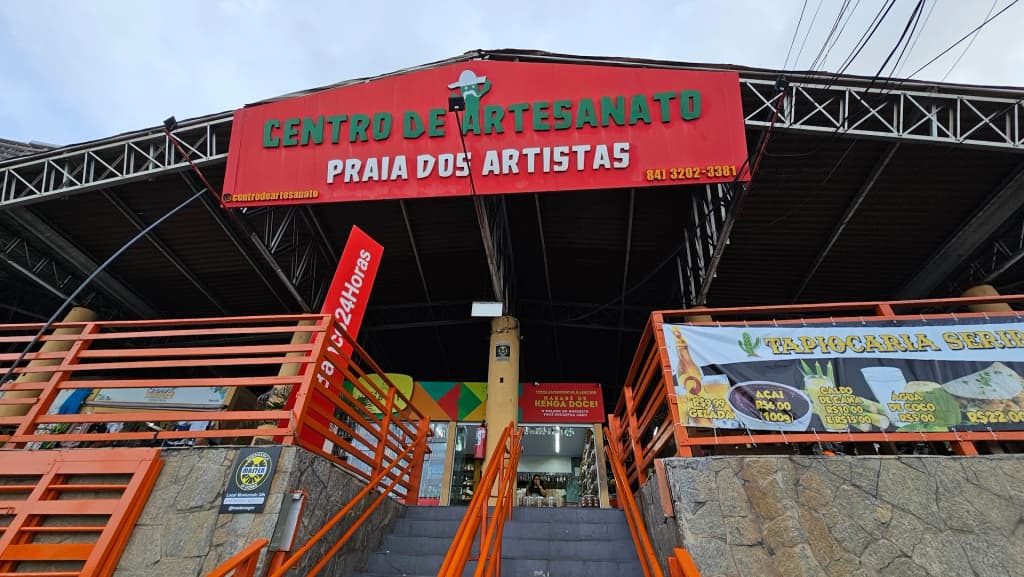
Get lost in the craft markets. The local artisans sell everything from hammocks to hand-carved wood.
Ponta Negra is safe, electric, and perfectly chaotic. It is the ideal launchpad for the rest of your trip.
Don't Miss
The sunset beers under Morro do Careca. The dizzying cliffs and dolphin spotting down in Pipa. That rustic, wind-swept charm of São Miguel do Gostoso locals whisper about.
Break the Rules: Split Your Stay
Most tourists stay in Natal the whole time. They book a resort and never leave. Don't be most tourists. Break out.
Pack your bags and split your time. Pipa is two and a half hours south. São Miguel do Gostoso is two hours north.
Tour companies will try to sell you day trips. Ignore them. Doing day trips means you spend half your life trapped in an air-conditioned van.
You arrive when the crowds peak. You eat at terrible buffet restaurants. You leave before the real fun starts.
Stay overnight. Experience Pipa when the sun goes down and the cobblestone streets come alive.
Wake up to the slow, breezy mornings in Gostoso. Have breakfast without looking at your watch. Absolutely worth it. Every single step.
The Vibe Shift: Pipa vs. Gostoso
Head south to Pipa, and the energy changes completely. It is electric. Bohemian. Packed with surfers, expats, and travelers from around the globe.
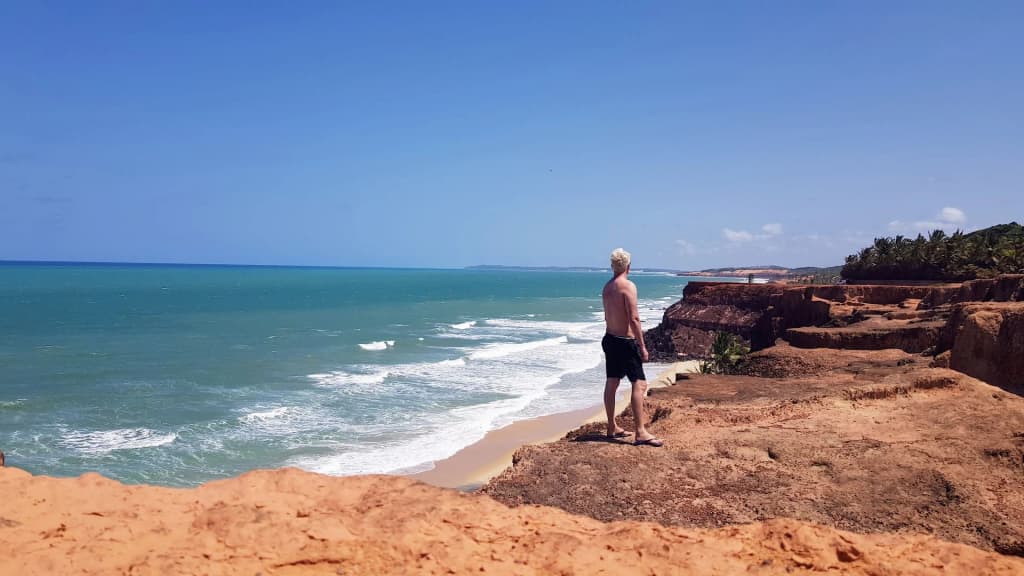
The cliffs are dramatic. Red dirt dropping into turquoise water. The water is warm all year round.
Dolphins literally swim right off the main beach. You can rent a board, catch some waves, and end your day eating fresh seafood right on the sand.
Then you have São Miguel do Gostoso. Head north for this one. It is the complete opposite of Pipa.
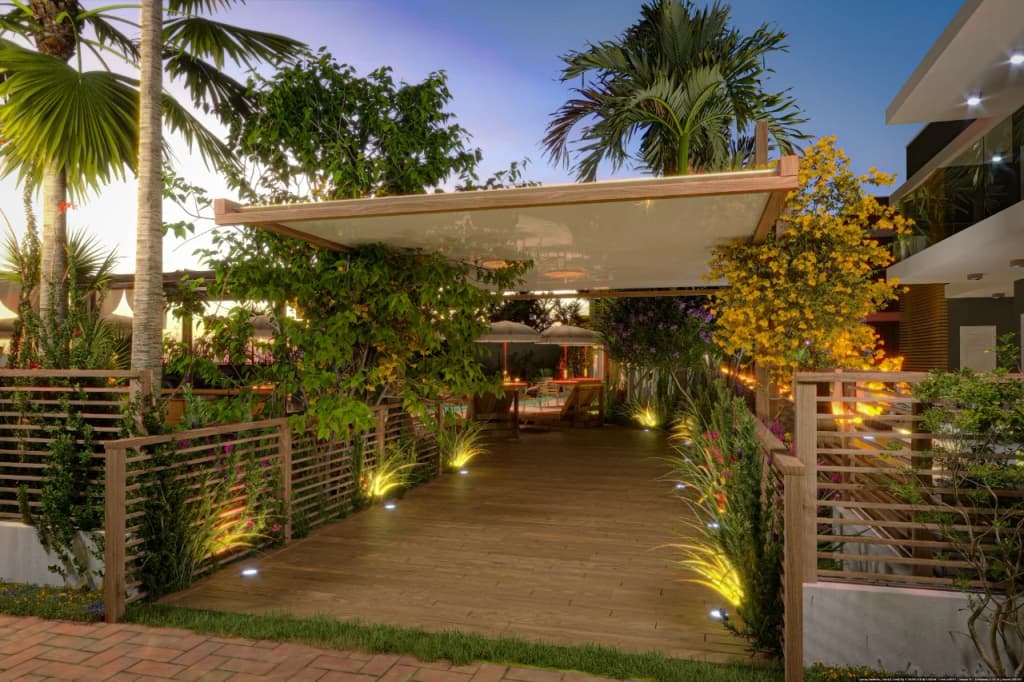
Gostoso is quiet. Rustic. Driven by the wind. It is a world-class destination for kitesurfing.
The streets are made of sand. The pace of life slows down to a crawl. You leave your shoes in the room.
You don't come to Gostoso to party. You come here to disconnect. To watch hundreds of colorful kites dance in the sky.
You eat at tiny, candlelit restaurants hidden down dirt paths. The seafood is caught that morning.
Both towns are essential. Both demand your time. Don't choose between them. Do both.
The Part Nobody Tells You About Driving
Skip the tourist bus. Rent a car. Get your own wheels.
You need the freedom to stop whenever the ocean catches your eye. You need to control your own schedule.
But listen closely. Do not trust your GPS blindly. We did. It was a disaster.
The app led us off the main highway. Down an unpaved sand road. Straight into a massive, flooded ditch.
It had rained heavily days before. The water was hiding deep, thick mud. We drove right in.
The engine died. Total loss. We spent seven hours stranded in the middle of nowhere.
Zero cell service. No passing cars. Just us and the sweltering equatorial heat. It was brutal.
Learn from our pain. Always ask locals for the best route. Ask your hotel front desk before you turn the key.
They know what the satellites don't. Keep to the paved roads unless you know exactly what you're doing.
Chasing 300 Days of Sun
They say this state gets 300 days of sun a year. Believe the hype. It’s a solar-powered paradise.
The sun here is intense. You are close to the equator. Bring serious sunscreen.
The so-called rainy season hits between April and September. Ignore the forecast. Book the ticket anyway.
Even when it rains, it’s brief. A sudden downpour. Ten minutes later, the clouds break.
The sun comes back out. The sand dries up. A little water won't ruin your trip.
We went in February. Supposedly the dry season. We still caught a massive storm that flooded the backroads.
The weather here plays by its own rules. You cannot control it.
Embrace the unpredictability. Pack a light jacket. Bring an extra swimsuit. Let the weather do what it wants.
So what are you waiting for? Grab your keys. Hit the coastal highway. Go get lost.
More Photos
More Adventures
 $60 - $150/day 5-7 days
 Conquering Florianópolis: A 6-Day Wild Island Escape
Skip the tourist traps in Florianópolis. Discover secret islands, massive sand dunes, and boat-access-only lagoons in this high-octane 6-day Brazil itinerary.
 $60 - $150/day 5-10 days
 Chasing Witches and Wild Coastlines in Florianópolis
Discover the wild soul of Florianópolis, Brazil. A sensory journey through the trails of Lagoinha do Leste, Azorean fishing villages, and Ilha do Campeche.
 $30 - $80/day 10-21 days
 Why Thailand Will Completely Ruin Your Future Travels
Think you know travel? Think again. From $6 massages to cinematic beaches and epic street food, Thailand sets the bar impossibly high. Go get ruined.
 $150 - $250/day 1-2 days
 From Ashes to the Sea: A Journey to Pompeii and Sorrento
Experience an emotional 12-hour journey from Rome to the frozen ruins of Pompeii and the sun-drenched cliffs of Sorrento in this immersive travel narrative.