
Natural Pools, Quiet Shores: São José da Coroa Grande
Slip into São José da Coroa Grande, where coral pools shimmer, boats drift, and the best pizza in the Northeast waits. A tranquil, cinematic escape.
The sand is still cool underfoot when I step out from the pousada, the hush of early morning broken only by the soft clatter of breakfast plates and the distant, rhythmic hush of the tide. A salty breeze carries the scent of wet earth and ripe bananas from the kitchen, where someone is frying cartola—banana, cheese, cinnamon, a sweet, melting perfume that lingers in the air. I watch a rabbit dart through the garden, white tail flashing, and for a moment, the world feels impossibly gentle.
Michelle is waiting by the gate, arms crossed, a smile already forming. “You came back,” she says, as if it was never in doubt. I nod, still half-dreaming from the night’s rain and the memory of our last visit, three years ago. “Had to. There’s nowhere else like this.”
The town wakes slowly. São José da Coroa Grande sits on the edge of Pernambuco, almost brushing the border with Alagoas, but it feels a world apart from its famous neighbor, Maragogi. Here, the Costa dos Corais stretches out in a mosaic of turquoise and jade, the coral reef sheltering a labyrinth of natural pools. Locals call it the land of piscinas naturais, and the name fits: at low tide, the sea recedes to reveal shallow, crystalline basins teeming with darting fish and the occasional starfish, their colors flickering in the morning light.
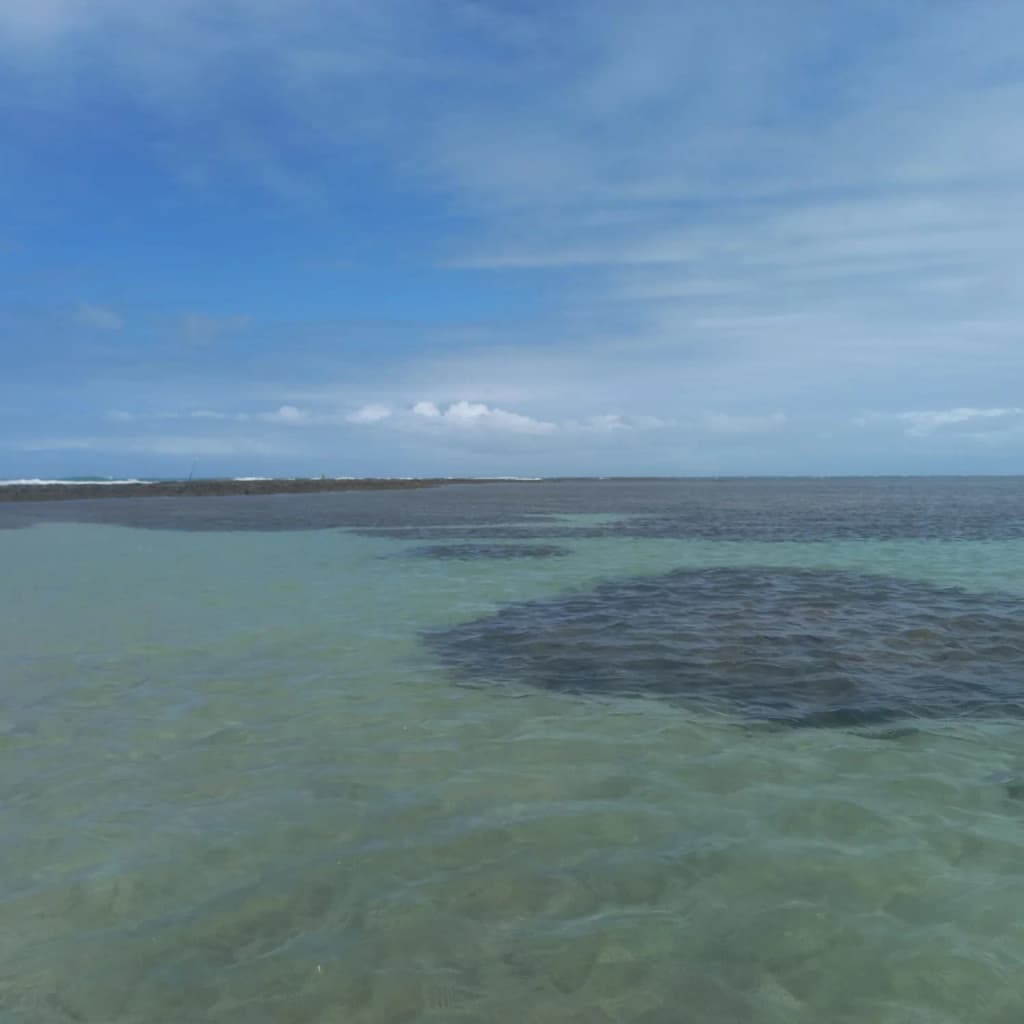
The first catamarã of the day, the Amazônia Azul, rocks gently at the pier. The hull is painted a faded blue, and Dona Vera, matriarch of the family that built it, stands at the gangway, waving us aboard. “My husband designed this boat,” she tells me, pride softening her voice. “We built it for days like this.”
The ride is slow, deliberate. The engine hums beneath our feet, and the wind tugs at my shirt. We pass over sandbanks that shimmer gold beneath the water, and soon the boat anchors in a shallow pool, the water so clear it seems to erase the line between sea and sky. Someone tosses a watermelon-shaped float into the water, and laughter echoes across the surface. The catamarã has two decks, plenty of space to sprawl and watch the world drift by. Caipirinhas appear, sweating in the sun, and the taste of lime and cachaça is sharp, bright, alive.
By midday, the tide has shifted. The pools empty out, and we wander back to shore, salt drying on our skin. Lunch is at Restaurante do Antônio, a simple place right on the sand, where the tables are scattered beneath a tangle of old trees. The air is thick with the smell of grilled fish and garlic, and the sound of forró drifts from a radio in the kitchen. Antônio himself brings out a platter of moqueca, the broth rich with coconut and dendê, and sits for a moment, wiping his brow. “You like it here?” he asks, eyes crinkling. “It’s quieter than Maragogi. More time to breathe.”
I nod, mouth full, and he laughs. “That’s the secret. Don’t tell too many people.”
Later, the buggy rattles down a sandy track, palm fronds slapping at the roof. Our driver, Bucaco, grins in the rearview mirror. “Hold on,” he shouts, and the engine roars as we crest a dune, the world opening up to a panorama of river and sea. We stop at the banks of the Rio Una, where a jangada—a flat wooden raft—waits to ferry us across. The water is cool, the current gentle, and on the far side, the Ilha da Fantasia shimmers in the late afternoon sun. “It moves,” Bucaco says, gesturing at the sandbar. “Every tide, a new island.”
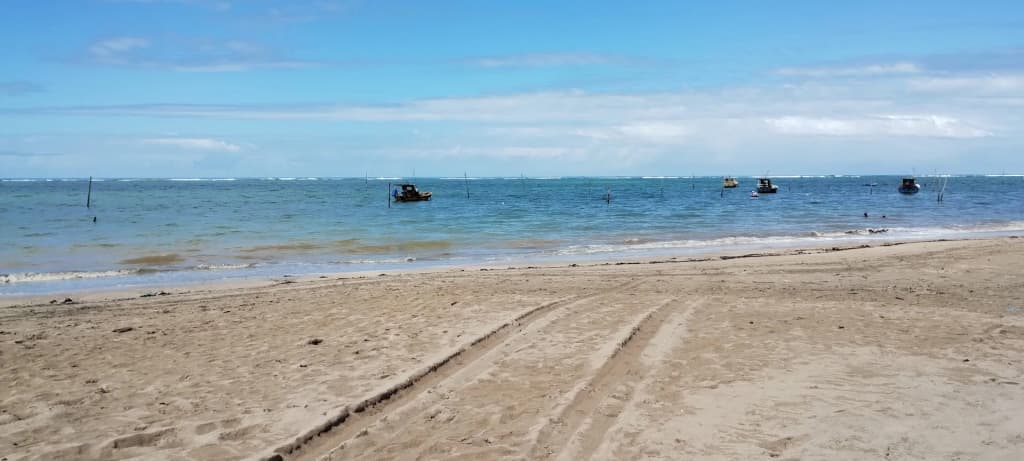
We linger as the sun drops, the sky bruising purple and gold. Someone uncorks a bottle of sparkling wine—part of a picnic basket arranged by Michelle, who seems to know exactly what every moment needs. The glasses clink, and for a while, there is only the sound of water and the distant call of a heron.
Evenings in São José da Coroa Grande are slow, unhurried. At Cia da Macaxeira, the pizza is legendary—cassava flour crust, toppings that taste of the Northeast: sun-dried beef, creamy requeijão, sweet onions. The room is strung with colored lights, and the walls are painted with scenes of cacti and forró dancers. “We changed a few things since you were last here,” the owner says, sliding a pie onto the table. “But the heart stays the same.”
On another night, we try Sush Garda, a Japanese spot with a Pernambucan twist. The sushi comes out on a wooden bridge, each piece a small, perfect jewel. The room hums with quiet conversation, the clink of chopsticks, the soft shuffle of sandals on tile.
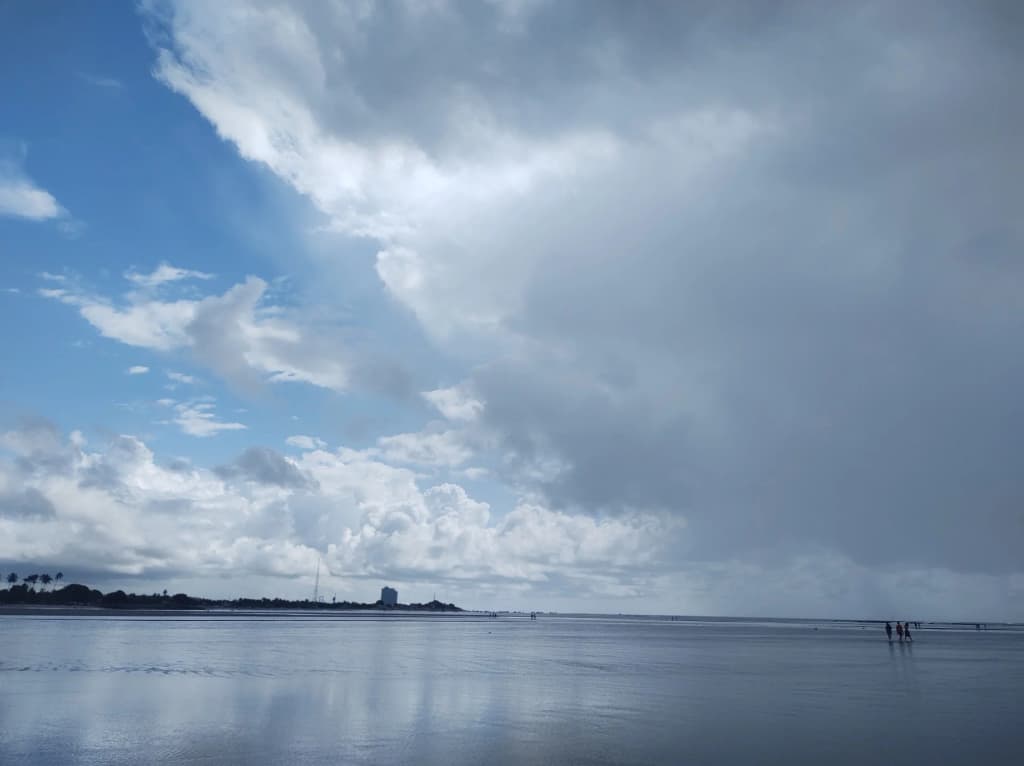
On our last morning, the sky is heavy with cloud, the sea restless. Still, we set out in a small lancha, skimming over the chop to reach the Piscinas dos Peixinhos, a pool only accessible by boat. The water here is alive with color—parrotfish, angelfish, flashes of silver and blue. I slip beneath the surface, the world narrowing to the sound of my own breath and the cool, enveloping silence of the reef.
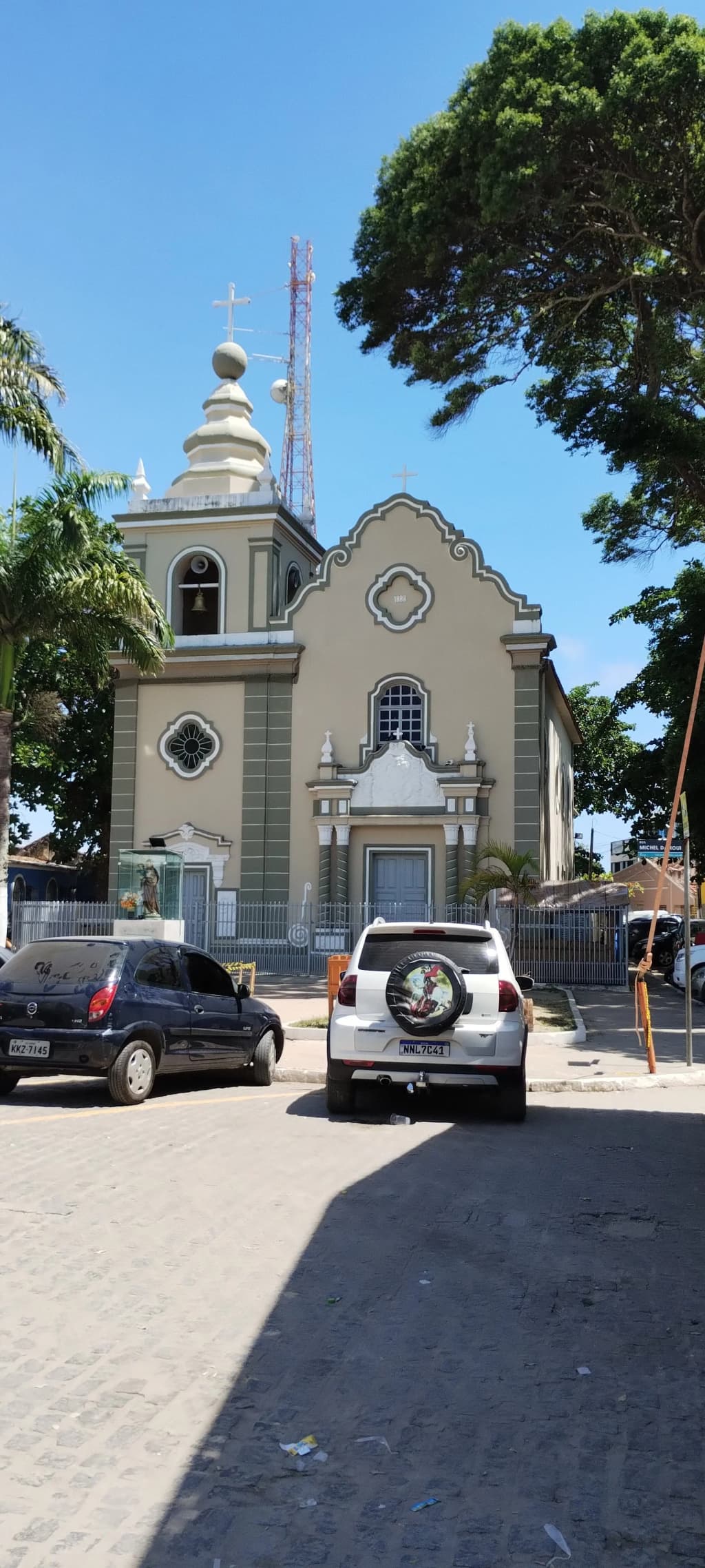
Back on deck, Michelle hands me a towel and a smile. “You’ll come back again,” she says, not a question but a promise. I look out at the horizon, the line where the sea meets the sky, and I know she’s right. There are places that linger, that call you back—not for what you did, but for how you felt. São José da Coroa Grande is one of them. The salt, the sun, the laughter, the hush of dawn. I carry it with me, even as the boat turns for shore.
More Photos
More Adventures
 $40 - $80/day 2-4 days
 Boa Vista: Exploring the Amazon's Fan-Shaped Frontier City
Experience the unexpected beauty of Boa Vista, Roraima. Discover Macuxi indigenous crafts, the unique Lavrado biome, and sunset boat tours on the Rio Branco.
 $50 - $150/day 5-10 days
 Conquer Ceará: The Ultimate Route of Emotions Road Trip
Ditch the resorts and hit the dunes. Discover the wild side of Ceará, Brazil, from hidden lagoons in Camocim to the electric nightlife of Jericoacoara.
 $150 - $400/day 5-7 days
 Punta Cana Budget & Resort Guide: A Data-Driven Itinerary
Plan your Punta Cana trip with exact costs, all-inclusive resort comparisons, high-ROI excursion prices, and a breakdown of local tipping etiquette.
 $50 - $150/day 3-5 days
 Edge of the World: Surviving Brazil's Wildest Border
Forget the crowded beaches. Head to Amapá. Discover untouched Amazon jungle, wild river rapids, and the mind-bending border where Brazil meets Europe.