
São Miguel das Missões: A Practical Guide to Brazil's Jesuit Ruins
Plan your trip to the UNESCO site of São Miguel das Missões. Includes a 2-day itinerary, budget breakdown, and honest review of the Sound and Light show.
If you are looking for a beach vacation or a party hub, stop reading now. But if you want to stand in the shadow of one of the most profound historical experiments in Latin America, São Miguel das Missões is non-negotiable.
Located in Rio Grande do Sul, this UNESCO World Heritage site preserves the memory of the Jesuit Reductions—settlements built in the 17th and 18th centuries to catechize and protect the indigenous Guarani people. It is heavy, it is impressive, and it requires a bit of planning to get right.
Here is exactly how to spend two days exploring the Missions efficiently.
Quick Facts
- Location: Rio Grande do Sul, Brazil (Northwest region)
- Best Time to Visit: March-May or September-November (avoids the stifling summer heat).
- Time Needed: 2 Days / 1 Night.
- Budget: $40 - $90 USD per person/day (includes car rental, food, entry).
- Connectivity: 4G is spotty outside the town center. Download offline maps.
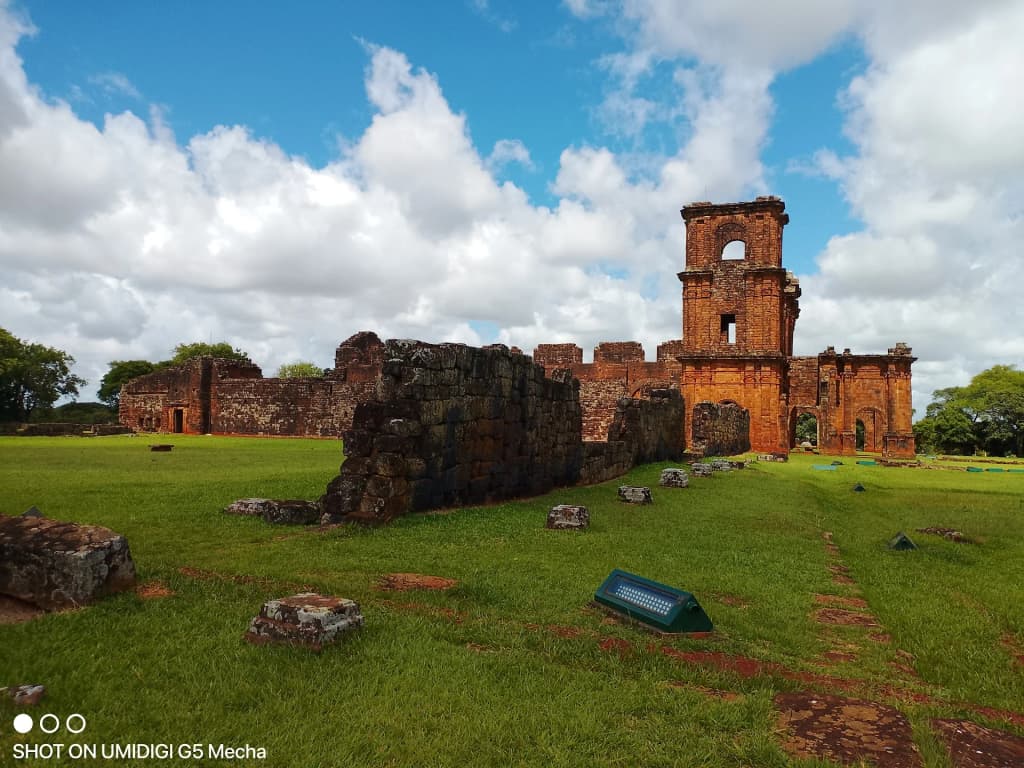
The Main Event: Sítio Arqueológico São Miguel Arcanjo
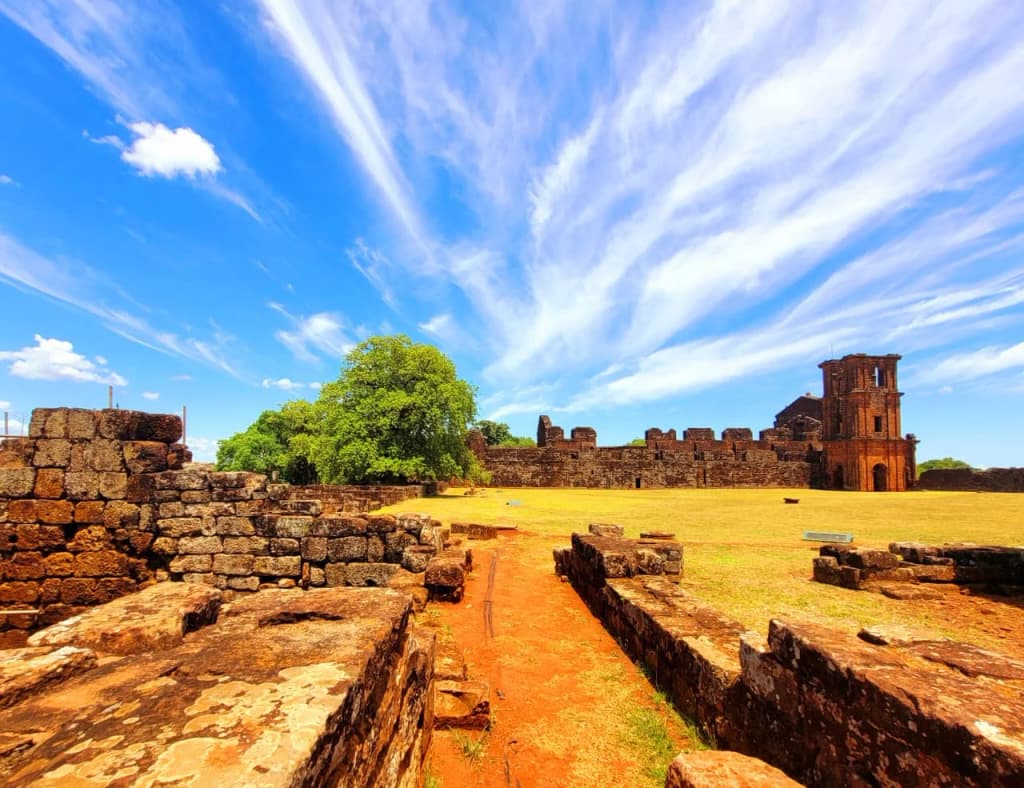
This is why you are here. The ruins are the best-preserved of the 30 Jesuit reductions that spanned Brazil, Argentina, and Paraguay. The scale is hard to grasp until you are standing right in front of it.
Key Highlights:
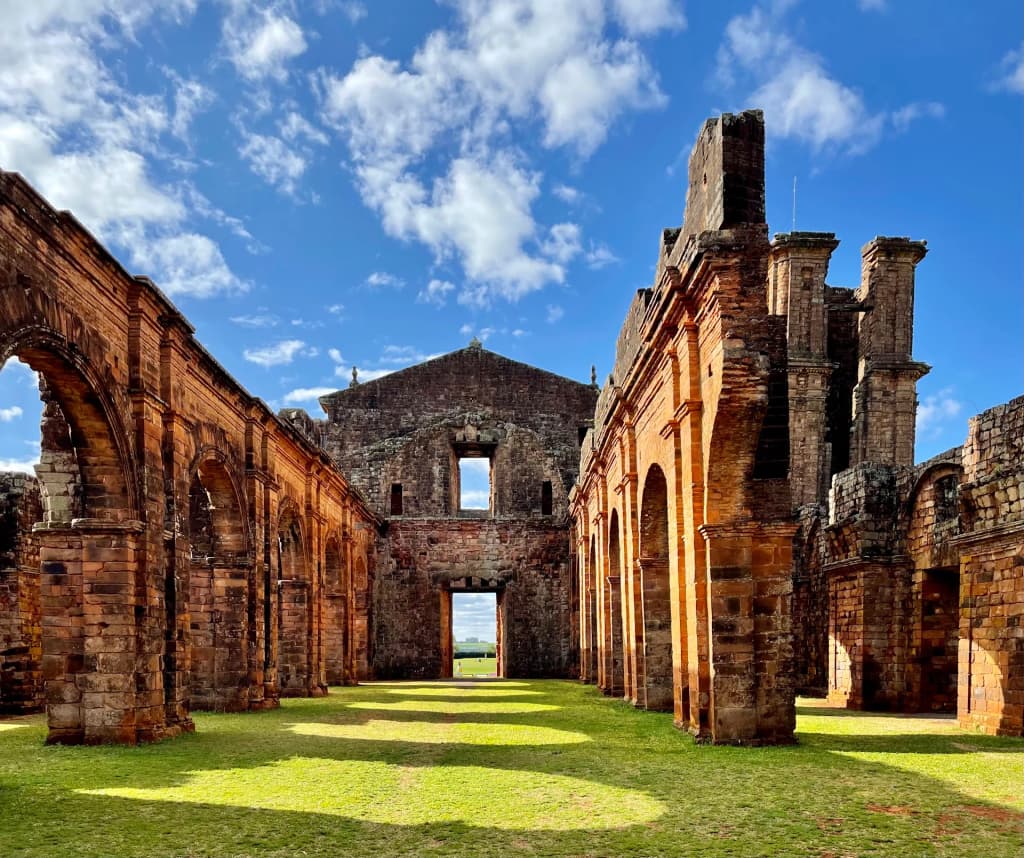
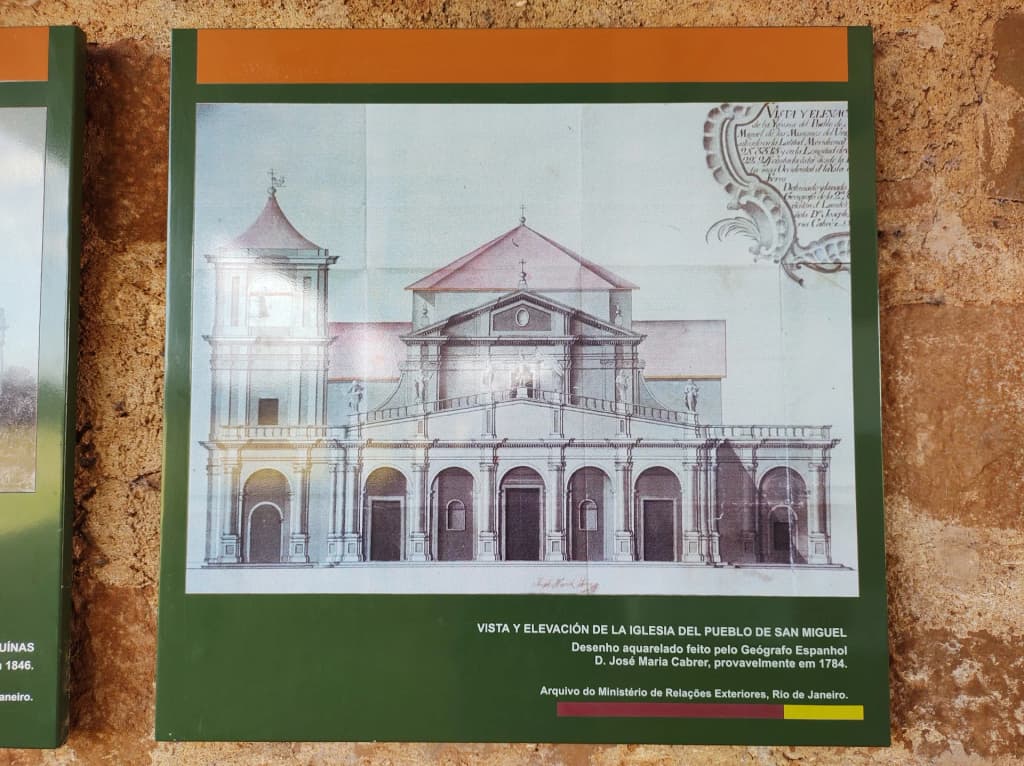
- The Cathedral: The facade stands about 30 meters (98 feet) high. It was designed by an Italian architect with Baroque inspiration and built entirely by indigenous labor between 1735 and 1745.
- The Grounds: Beyond the church, you can trace the outlines of the college, the priests' quarters, and the cemetery.
- The Museum: There is a Mission Museum on site housing sacred art and sculptures.
⚠️ Watch Out: The museum building has faced sporadic closures since the pandemic. You can often see sculptures through the glass, but check current status locally before promising the kids a full museum tour.
Entrance Fees & Logistics:
Ticket Type Cost (BRL) Cost (USD) Notes Standard Entry R$10 ~$2.00 Valid for day visit Student/Senior R$5 ~$1.00 ID required Mondays Free $0.00 Expect crowdsThe Sound and Light Show (Som e Luz)
Every night at 8:30 PM, the ruins light up for a show that narrates the history of the rise and fall of the missions, the Guarani people, and the Guaranitic War.
I need to manage your expectations here. This is not a high-tech projection mapping show.
It is a classic performance where spotlights illuminate different parts of the ruins while a narrator tells the story over the speakers. It is atmospheric, but it relies heavily on the audio.
Pro Tip: Study the history before you go. The narration moves fast and covers complex political treaties (like the Treaty of Madrid). If you don't know the context, you might get lost. Read up on the "Seven Peoples of the Missions" (Sete Povos das Missões) beforehand.
Show Logistics:
- Cost: ~R$25 ($5 USD)
- Start Time: 8:30 PM Daily
- Ticket Booth: Opens at 7:30 PM at the entrance.
Beyond the Ruins: Borralho and Nature
After soaking in the heavy history, you need a palate cleanser. We drove about 15 minutes from the town center (on a decent dirt road—no 4x4 needed) to Borralho Minhas Origens.
This is a rural tourism spot focusing on Italian immigrant history and farm life. It is fantastic if you are traveling with family.
Activities & Costs:
- Entrance/Visit: Includes access to farm animals (sheep, goats, horses) and the "fire pit" history talk.
- Nature Trail: ~R$10 ($2 USD) for a 40-minute guided walk.
- Horseback Riding: ~R$20 ($4 USD).
Day Trip: Santo Ângelo
About 50 minutes driving from São Miguel is the larger city of Santo Ângelo. It is absolutely worth the detour for three specific things located around Pinheiro Machado Square:
- Catedral Angelopolitana: Visually stunning and very photogenic. It’s built on the spot of the original reduction church.
- Tunnel of the 30 Peoples: A walkway with arches representing each of the 30 Jesuit reductions in South America.
- The Double Crosses: The square is protected by four "Missioneira Crosses" (double-armed crosses), one at each corner.
Strategic 2-Day Itinerary
Here is how I recommend structuring your time to avoid rushing.
Day 1: The Deep Dive
- 10:00 AM: Arrive in São Miguel das Missões.
- 11:00 AM: Visit the Missioneira Fountain (Fonte Missioneira) – it's the only one of the original 7 fountains discovered so far. Located just 500m from the ruins.
- 1:00 PM: Lunch in town (try the local churrasco).
- 2:30 PM: Explore the Archaeological Site (Ruins). The afternoon light is best for photography.
- 8:30 PM: Attend the Sound and Light Show.
Day 2: Culture & Surroundings
- 9:00 AM: Drive to Borralho Minhas Origens for farm activities and trails.
- 12:00 PM: Drive to Santo Ângelo (50 mins).
- 1:00 PM: Lunch near Pinheiro Machado Square.
- 2:30 PM: Visit the Cathedral and the Tunnel of 30 Peoples.
- 4:00 PM: Stop at the Pórtico de São Miguel on your way out to see the statue of Sepé Tiaraju and the famous quote "This land has owners" (Nessa terra tem dono).
Common Mistakes to Avoid
- Expecting a laser show: I repeat, the night show is audio-focused. Don't go expecting Disney World fireworks.
- Ignoring the language barrier: Much of the narration and signage is in Portuguese. Download offline translation apps like Google Translate before you lose signal.
- Missing the Manancial Missioneiro: There is a spot nearby that offers a "purification ritual" with yerba mate. We missed it because we didn't book ahead. If you want to do this, find their contact info and schedule it before you arrive.
- Rushing the drive: The roads in Rio Grande do Sul are generally okay, but speed bumps (lombadas) are frequent and often poorly marked. Drive alert.
São Miguel das Missões stays with you. It is a reminder of a complex past, but the beauty of the structures and the resilience of the local culture make it an essential stop in Southern Brazil.
More Photos
More Adventures
 $45 - $150/day 2-4 days
 Itamambuca Beach Ubatuba: The Ultimate Planning Guide
Plan your trip to Itamambuca Beach in Ubatuba with this practical guide. Compare village vs. condo stays, surf lesson costs, and family river spots.
 $50 - $120/day 3-5 days
 Chasing Echoes and Gold Dust in Tiradentes, Brazil
Experience Tiradentes, Brazil through a sensory journey of colonial architecture, deep-rooted history, and the rich culinary traditions of Minas Gerais.
 $50 - $120/day 2-3 days
 Earth, Fire, and Lavender: A Sensory Weekend in Cunha
Breathe in the lavender fields, taste alpine mountain beer, and feel the heat of traditional Japanese kilns in the mountain village of Cunha, São Paulo.
 $40 - $100/day 3-4 days
 Campos do Jordão Itinerary: Budget Guide & Hiking Logistics
Plan a practical trip to Campos do Jordão, Brazil's highest city. Get exact costs for state parks, hiking Pedra do Baú, and budget-friendly dining.