
São Paulo is a Rhythm, Not a Sight: A Sensory City Guide
Experience the pulse of São Paulo. From the Sunday crowds on Avenida Paulista to the silence of Ibirapuera and the sensory overload of the Municipal Market.
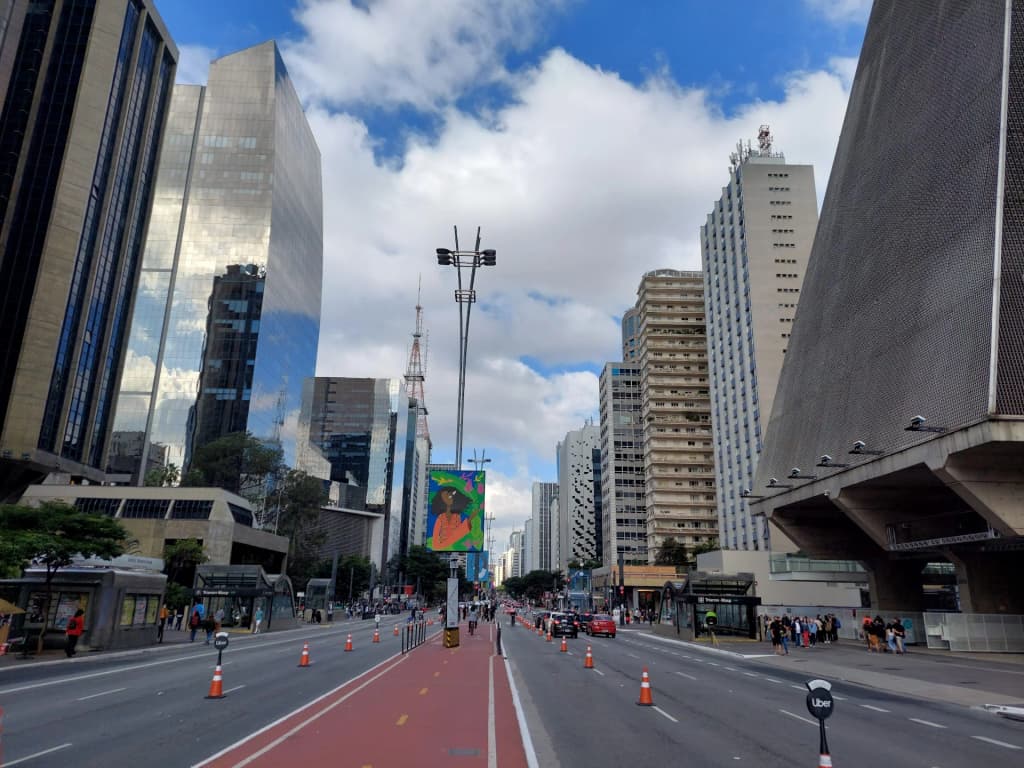
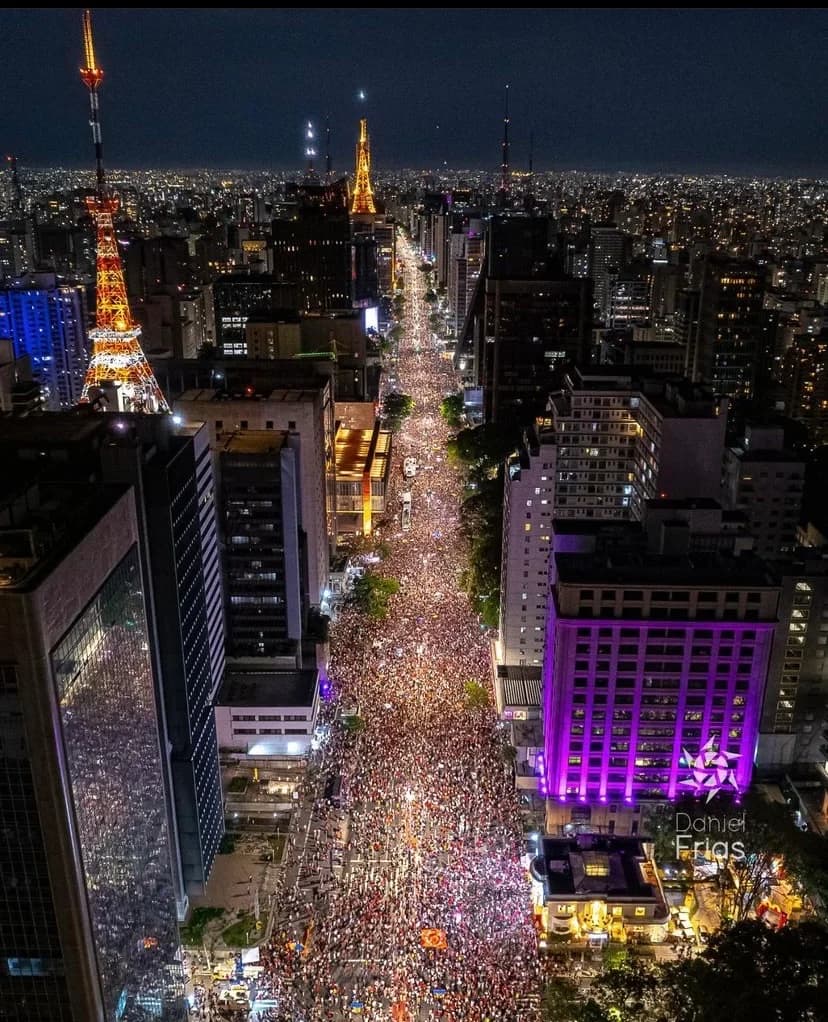
The drum beat vibrates in my chest before I even see the circle of musicians. It is Sunday on Avenida Paulista, and the city has surrendered its most important financial artery to the people. No cars, no horns—just a river of humanity flowing between the skyscrapers. The air smells of charcoal and sugar from the carts lining the curb. I weave through the crowd, dodging a pair of rollerbladers and a family walking a golden retriever that looks far too groomed for the hot asphalt.
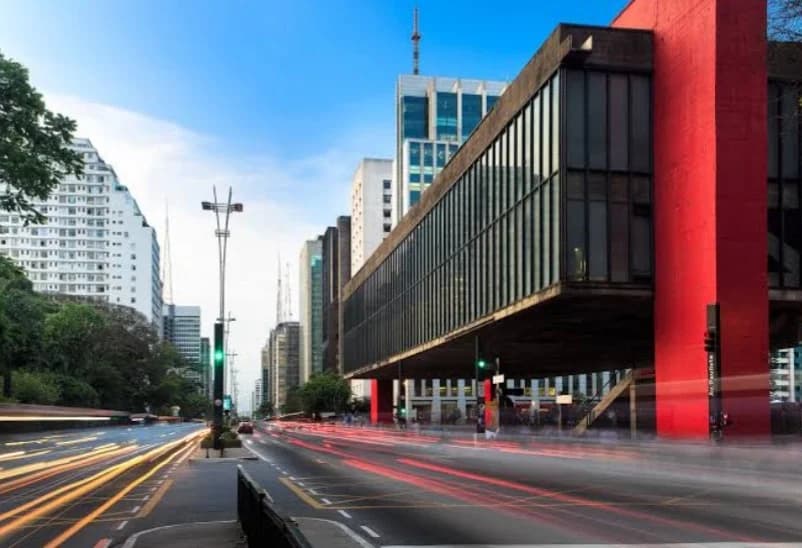
This is the first lesson São Paulo teaches you: it is not a grey monolith. It is a living, breathing organism. I stop at Japan House, a structure of interlocking wood that feels like a teleportation device to Tokyo. The exhibit inside is quiet, a stark contrast to the street, featuring interactive robotics that mimic human movement. I wave a hand, and the machine mimics me—a strange, intimate moment of connection in a metropolis of twelve million souls.
A few blocks down, the Sesc building dominates the corner. Most guidebooks tell you to book the rooftop mirante weeks in advance, but a local friend tipped me off to a hack. I bypass the long queue of frustrated tourists and head straight to the elevators for the Comedoria on the 16th floor. No ticket required. The view is nearly identical—an endless ocean of concrete rolling out to the horizon, the radio antennas of Paulista piercing the blue sky like needles. It is a staggering reminder of just how small we are in this stone jungle.
Beneath the floating concrete span of the MASP museum, the afternoon light catches dust motes dancing over old vinyl records and silver cutlery. The antique fair is in full swing. I buy a pastel from a street vendor—a crispy, deep-fried envelope of dough filled with cheese that burns my fingers and tastes of salt and comfort. It costs less than two dollars and beats any white-tablecloth appetizer I’ve had this month.
As the sun begins to dip, the energy shifts. I head west to Vila Madalena, the neighborhood where the city loosens its tie. In Beco do Batman, the grey walls vanish entirely, replaced by a kaleidoscope of graffiti. The alleyway smells of aerosol paint and damp earth. Every inch is covered, a gallery that evolves weekly.
I find a table at Pasquim Bar, a spot that honors the satirical newspapers of the dictatorship era. The chopp—draft beer—arrives with a collar of foam so creamy it looks like whipped cream.
"You look like you've walked from the Cathedral," the waiter says as he sets down a plate of appetizers. He is an older man, moving with the efficiency of someone who has navigated this chaotic dining room for decades. "Is it that obvious?" I ask, rubbing my calf. He laughs, a deep, raspy sound. "São Paulo eats the slow. But it feeds them well, too. Try the bolinho. It cures exhaustion."
The next morning demands silence. Ibirapuera Park offers the only real antidote to the city's roar. Stepping through the gates, the traffic noise fades into a dull, distant hum, replaced by the rhythmic crunch of joggers on gravel. I rent a bicycle near the entrance—essential for navigating the 158 hectares—and pedal past the flying-saucer curve of the Oca exhibition hall.
I park the bike near the Japanese Pavilion. Built in 1954 using wood shipped from Japan, it feels sacred. I slide my feet into the required protective covers and walk the wooden verandas. Below, in the murky water of the pond, koi fish the size of small dogs glide in slow circles, flashes of calico and gold in the shadows. It is a pocket of Zen that feels impossible in a city this aggressive.
Lunch is simple. I find a restaurant tucked under the trees where a saxophonist plays bossa nova standards. A plate of tilapia with creamed corn costs about 50 reais, and as I eat, watching the light filter through the leaves, I forget for a moment that I am in the largest city in the Southern Hemisphere.
But you cannot understand São Paulo without tasting its chaos. I take the metro to the historic center, emerging at Praça da Sé. The Neo-Gothic cathedral spikes upward, scratching the sky, while below, the square is a frenzy of commuters, preachers, and street sellers. Locals warned me to keep a tight grip on my phone here, and the advice feels sound; the energy is frantic, magnetic, and slightly on edge.
A short walk brings me to the Municipal Market. If the cathedral is for the spirit, this is the temple of the flesh. Stained glass windows filter sunlight onto towers of exotic fruits, hanging sausages, and wheels of cheese. The noise is deafening—a symphony of vendors shouting prices and plates clattering.
I am here for the mortadella sandwich at Bar do Mané. When it arrives, it is comical—a mountain of heated cured meat stacked inside a French roll, greasy and salty and absolutely perfect. It is a meal that demands a nap, but I have one last stop.
The Farol Santander, formerly the Banespa building, rises above the center like a lighthouse. I skip the museum exhibits and head straight for the observation deck. The sun is setting, casting a golden, hazy light over the infinite sprawl. From up here, the noise of the market and the traffic merges into a single, low frequency. You can see the traffic jams forming rivers of red taillights, the clusters of high-rises in the distance, the sheer, impossible scale of it all. It is not a pretty city in the traditional sense. But standing there, watching the lights flicker on one by one across the horizon, it is undeniably magnificent.
More Photos
More Adventures
 $50 - $120/day 3-5 days
 Chasing Echoes and Gold Dust in Tiradentes, Brazil
Experience Tiradentes, Brazil through a sensory journey of colonial architecture, deep-rooted history, and the rich culinary traditions of Minas Gerais.
 $40 - $120/day 3-5 days
 Shadows and Gold: Walking the Living History of Ouro Preto
Wander the steep cobblestone streets of Ouro Preto, where Baroque masterpieces, subterranean gold mines, and a dynamic culinary scene breathe life into history.
 $40 - $80/day 4-6 days
 Forget the Beaches: Why Curitiba is Brazil's Ultimate Adventure
Skip the crowded tourist traps. Discover Curitiba, Brazil's green capital, featuring gravity-defying architecture, epic train rides, and budget thrills.
 $120 - $350/day 2-3 days
 Disneyland Paris Strategy: Ride Hacks & Coaster Secrets
Think you know Disney? Think again. Discover the underground secrets, massive coasters, and insider hacks to conquer Disneyland Paris like a pro.