
Maresias, Ilhabela, or Ubatuba: Finding Your Frequency on Brazil's Green Coast
A sensory comparison of São Paulo's three coastal giants. Discover the social pulse of Maresias, the island charm of Ilhabela, and the wild jungle of Ubatuba.
The smell hits you first—burning rubber and ozone. It’s the scent of the Serra do Mar, the steep, green wall that separates the frantic plateau of São Paulo from the Atlantic. My ears pop as the car winds down the hairpin turns, descending through clouds that cling to the granite cliffs. The road here is a ribbon of asphalt squeezed between the jungle and the abyss, and you have to take it slow. Not just because the radar traps are unforgiving at 40 kilometers per hour, but because the descent itself feels like a rite of passage. You are leaving the concrete gray behind and entering a world that breathes.
Down here, the coastline fractures into three distinct personalities. It isn't just one destination; it's a choice of rhythm. To the south lies the kinetic energy of Maresias; across the channel waits the island sanctuary of Ilhabela; and further north, the wild, sprawling chaos of Ubatuba. Through the windshield, I catch a glimpse of turquoise, and I feel that familiar tightening in my chest—the urge to see it all, knowing I only have the weekend.
I pull into Maresias first. It operates like its own sovereign state of surf and social status. Even on a Tuesday, you can feel the ghost of the weekend's bass lines in the air. This is where the beautiful people of the capital come to see and be seen, where the surf is world-class and the nightlife is legendary.
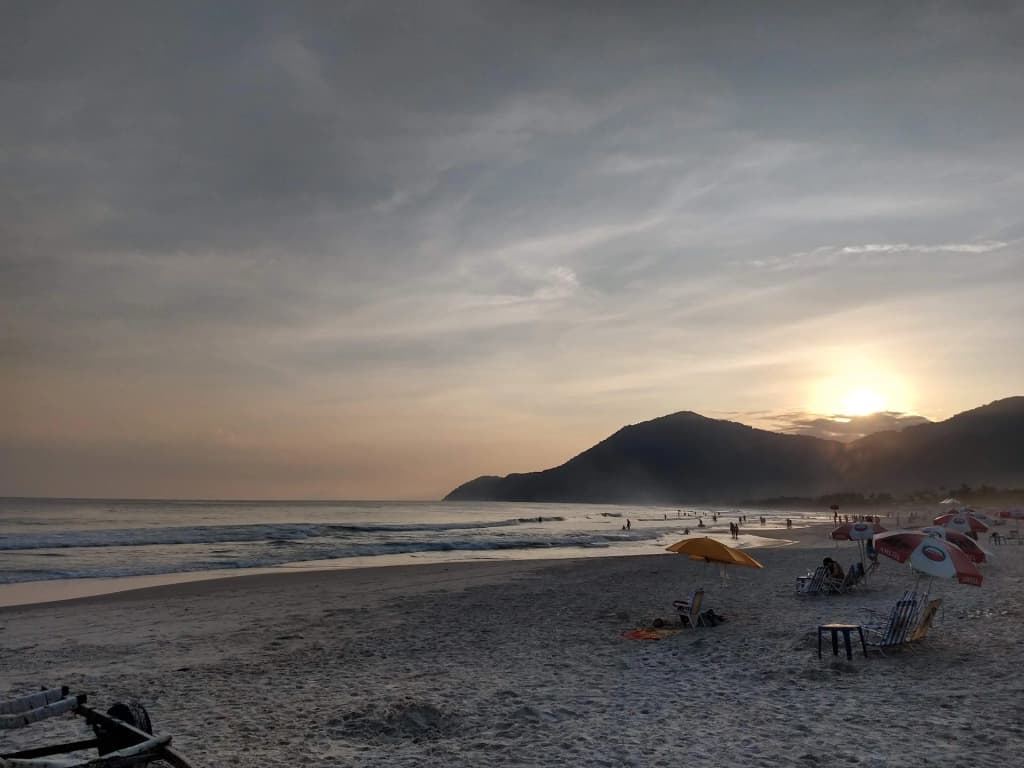
I walk the streets searching for a place to drop my bags. The architecture here is low-slung, hidden behind walls of hibiscus and bougainvillea. Unlike other coastal towns where hotels spill right onto the sand, Maresias holds its secrets back. The pé na areia experience—feet in the sand—is a rare luxury here. Most of us stay a few blocks back, in the charming pousadas that line the narrow, sandy lanes.
"You're lucky with the traffic," the owner of a small inn tells me as I check in. She's wiping down a surfboard in the lobby, her skin weathered by years of salt.
"The road was empty," I say.
She laughs, a dry sound. "Come back in December. You'll park on the highway and walk the rest of the way. Maresias isn't just a beach, you know? It's a mood. High energy. If you want silence, you keep driving."
She's right. I spend the afternoon at Camburi, a neighboring beach that feels slightly more bohemian. The food here is exceptional—fresh seafood served with the sophistication of the city but the soul of the coast. But as the sun dips, the urge to keep moving returns.
To reach Ilhabela, you have to commit. It requires a ferry crossing from São Sebastião, a physical separation from the mainland that changes your internal clock. The ferry ride is short, barely thirty minutes, but the queue can be a test of faith. On holiday weekends, cars line up for four hours, engines idling, drivers sweating. Today, the channel is calm, the water a deep, metallic blue.
Ilhabela—the Beautiful Island—lives up to its name, but it demands payment in patience and blood. The mosquitoes here, the infamous borrachudos, are tiny, silent, and voracious. I learn quickly that standard repellent is useless; you need the oily citronella cream sold at every local pharmacy. But the bite is the price of admission to a paradise that feels more curated, more exclusive. The island is vast, mostly protected jungle, with a single main road tracing the coast.
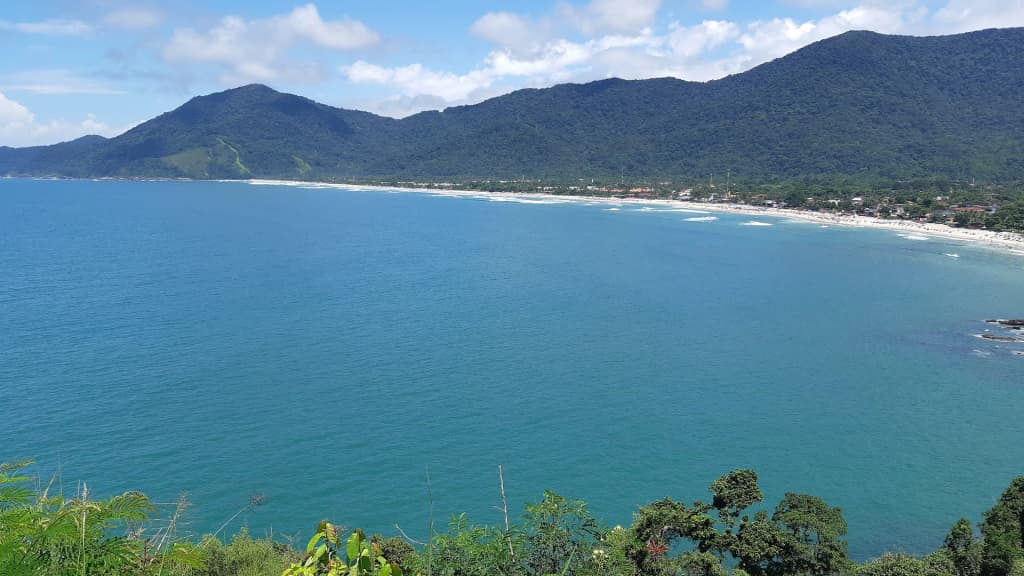
I find my way to Praia do Curral. The sand is golden, coarser than on the mainland, and the luxury here is understated. It’s quieter than Maresias, more romantic. I sit at a kiosk, watching sailboats tack against the wind. This is the sailing capital of Brazil, and the horizon is never empty of white canvas. The guesthouses here are tucked into the hillsides, offering views that make you forget the price tag, which is noticeably higher than on the mainland. You pay for the isolation. You pay for the feeling that you have escaped.
If Ilhabela is a boutique, Ubatuba is a sprawling, chaotic bazaar. I drive north, navigating the winding coast road that connects the beaches. Ubatuba doesn't have just one center; it has over a hundred beaches scattered across a jagged coastline. It is wilder, less polished, and infinitely more accessible for the traveler on a budget.
The locals call it "Ubachuva"—a play on the Portuguese word for rain. True to form, the clouds gather as I cross the border into the municipality. The rain here is sudden and violent, feeding the intense green of the mountains that crash directly into the sea. But when the sun breaks through, the water turns a color that doesn't seem real.
"You have to earn the view," a fisherman at Praia do Lázaro tells me. He's mending a yellow net, his hands moving with automatic precision. "People complain about the rain. But look at the forest. Look at the sea. Without the rain, Ubatuba is just dirt. With the rain, it's life."
He points me toward a trail that leads to Sununga and Domingas Dias. It’s a three-for-one deal, he explains. In Ubatuba, nature is generous like that. You can find a hostel for twenty dollars a night and spend your days on beaches that rival the Caribbean, like the remote Ilha das Couves or the boat-access-only Prumirim.
The secret, I realize as I watch the sunset from a rocky outcrop, is timing. The masses descend in summer, chasing the heat, willing to endure the gridlock and the tropical storms. But the coast reveals its true self now, in the autumn and winter months from May to August.
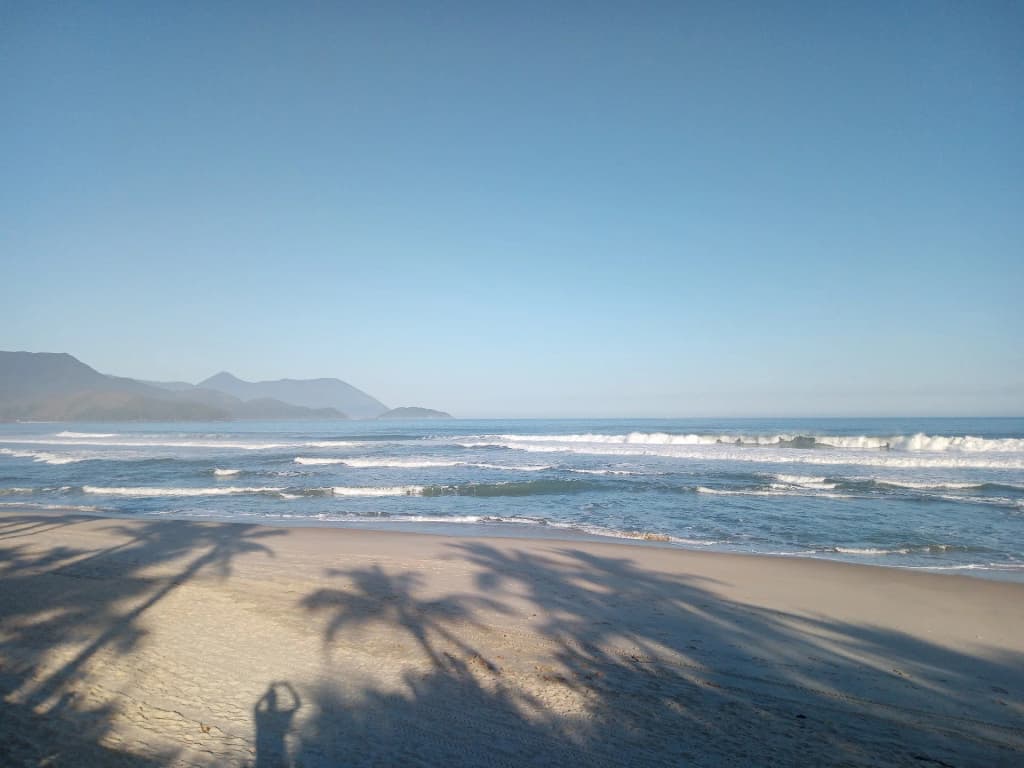
The air is crisp, the sky is a relentless, cloudless blue, and the roads are yours alone. The ocean is clearer, settled, free from the summer churn. You don't need the heat to feel the warmth of this place. You just need to stop moving long enough to let the rhythm sync with your own. Whether it’s the sophisticated beat of Maresias, the island time of Ilhabela, or the wild chorus of Ubatuba, the North Coast waits for those who know when to look.
More Photos
More Adventures
 $50 - $150/day 5-10 days
 Conquer Ceará: The Ultimate Route of Emotions Road Trip
Ditch the resorts and hit the dunes. Discover the wild side of Ceará, Brazil, from hidden lagoons in Camocim to the electric nightlife of Jericoacoara.
 $50 - $150/day 3-7 days
 Chasing the Ephemeral Lagoons of Lençóis Maranhenses
Experience the seasonal miracle of Lençóis Maranhenses National Park, where torrential rains transform a Brazilian desert into crystalline blue lagoons.
 $100 - $300/day 1-3 days
 Escape the Airport: Conquer Your Luanda Layover
Think a layover in Luanda means killing time at the airport? Think again. Discover the fortress, island sunsets, and the ultimate Angolan adventure.
 $150 - $350/day 3-4 days
 Trancoso Travel Guide: 3-Day Itinerary & Budget Breakdown
Plan a practical 3-day trip to Trancoso, Brazil. Discover the best beaches, UTV tours to Praia do Espelho, and exact costs to optimize your travel budget.