
Tasting the Clouds in Brazil's Serra da Mantiqueira
Explore the culinary revolution of Brazil's Serra da Mantiqueira. Taste high-altitude olive oils, century-old cheeses, and organic mountain coffee.
The bitterness is sharp, waking up the sides of my tongue before melting into a grassy, peppery warmth. I am standing in a grove of ten thousand olive trees, the wind carrying the distinct chill of high altitude.
"They say you have to taste it straight from the branch to believe the bitterness," my guide says, handing me another tiny, green fruit.
I pop it into my mouth and grimace, making him laugh. This is Oliq, a sustainable olive oil producer anchored in São Bento do Sapucaí, where the Serra da Mantiqueira mountains roll endlessly across the borders of São Paulo, Minas Gerais, and Rio de Janeiro. We are nearly three thousand meters above sea level in some parts of this massive range, and the air here smells of damp earth, crushed eucalyptus leaves, and impending rain. I always thought olive oil was something you kept in the pantry for months, but here, tasting a freshly pressed batch of avocado and olive oil, I realize I have been consuming it all wrong. The flavor of young oil is a revelation—electric, raw, and alive.
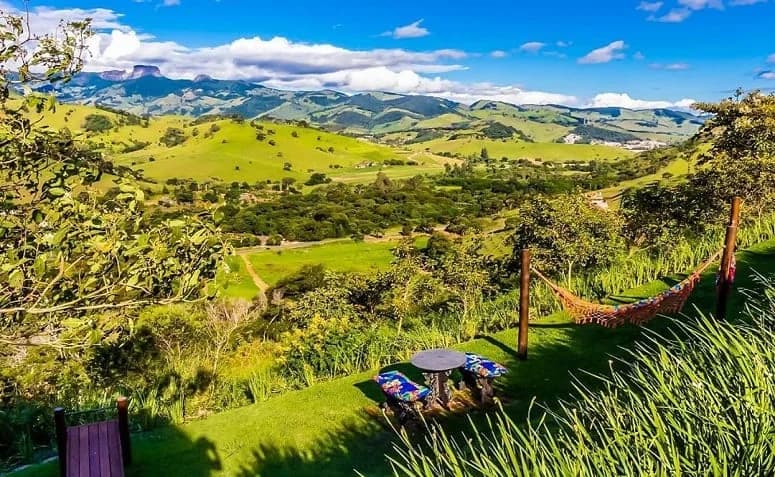
The road from São Paulo into Minas Gerais is a twisting ribbon of dirt and asphalt that renders the GPS completely useless. Cell service fades, replaced by the deep, resonant silence of the Atlantic Forest. By the time we cross into the municipality of Gonçalves, the temperature has dropped to a crisp, sweater-demanding chill. We seek refuge inside Armazém São Bento, a local shop brimming with handmade crafts. The rich, dark scent of freshly brewed coffee pulls me toward the wooden counter, where a woman hands me a slice of bem-casado cake. The sweet, creamy dulce de leche filling melts instantly on my tongue, a perfect, sugary counterpoint to the bitter espresso.
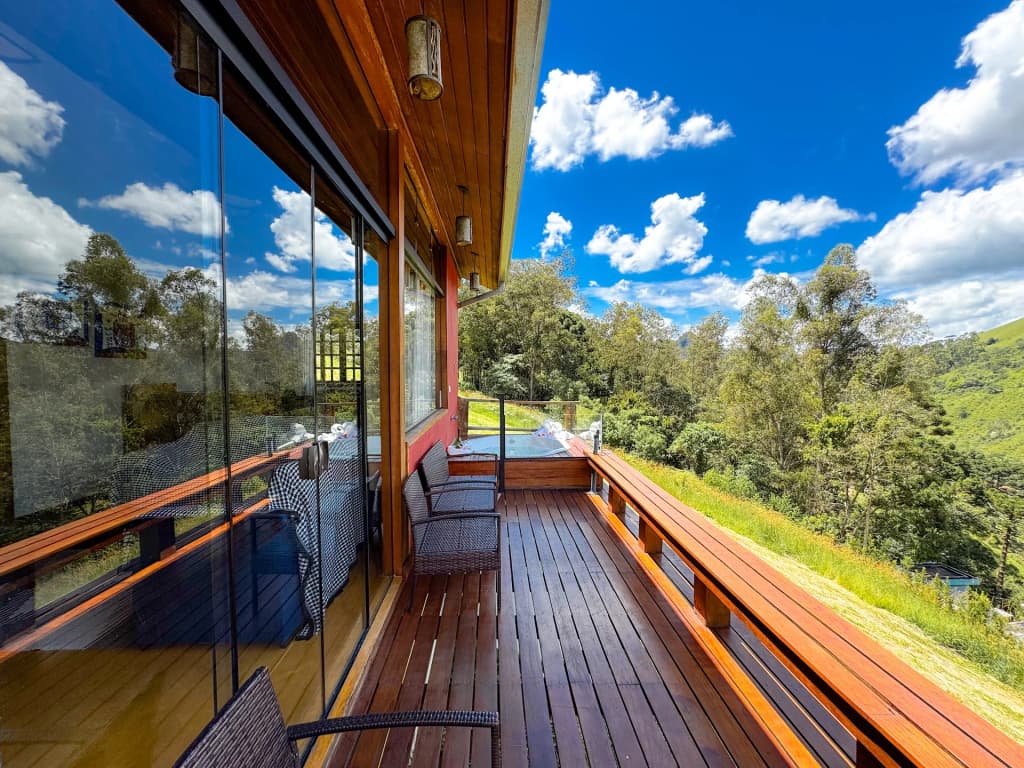
Our sanctuary for the night is Pousada Espelho d'Água, perched high above a sweeping valley. Each wooden chalet is named after a precious stone, and inside, a fireplace stands ready to combat the mountain evening. I run my hand along the rough-hewn stone of the hearth. Outside my window, a natural waterfall cascades into a series of pristine pools. The sound of rushing water is a constant, soothing hum that vibrates through the floorboards, making the nightly rate feel like an absolute bargain. Later, we venture into the center of Gonçalves to a cozy gastro-bar called Chalezinho. It is a brilliant reinvention of the classic Brazilian boteco. I bite into a crispy arancini made not with risotto, but with slow-cooked ribs and half-cured mountain cheese. The crunch gives way to a savory, melting center that tastes like absolute comfort.
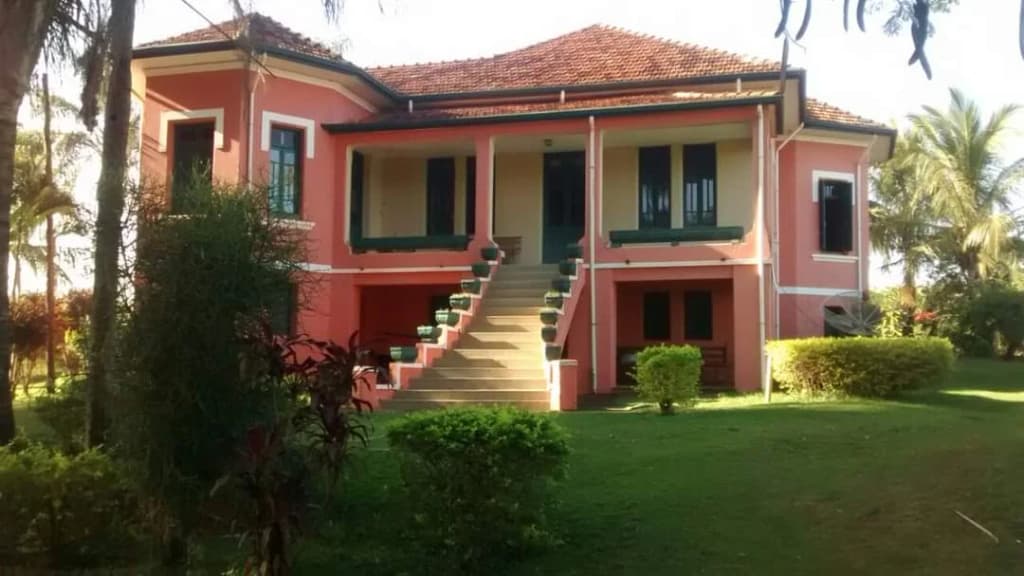
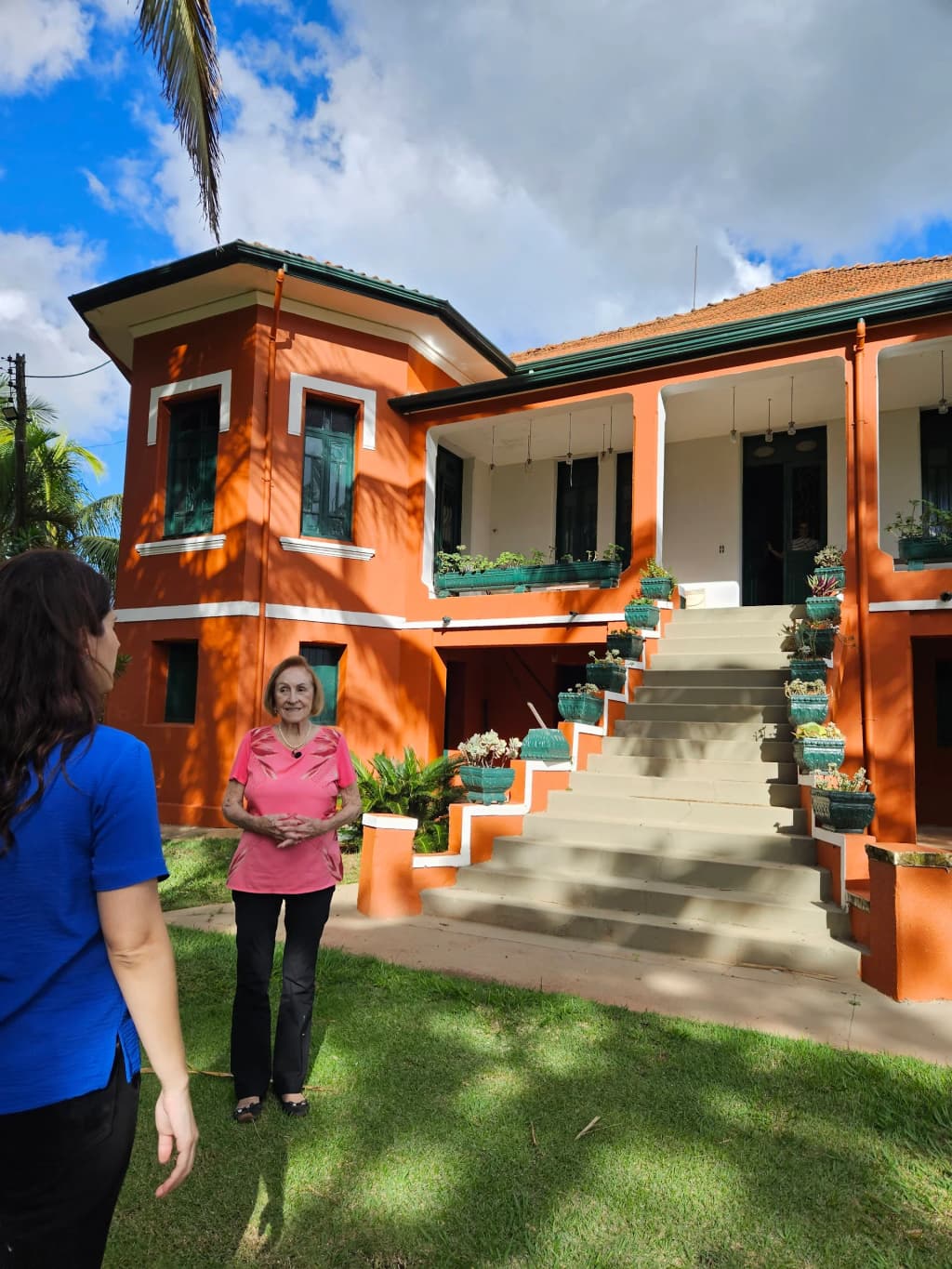
The morning sun burns off the valley mist as we arrive at Fazenda Santa Terezinha, a property that has been in the same family for over a century. This is the home of ZalaZ, an organic farm and brewery that represents the fourth generation of agricultural stewardship here.
"This bean doesn't stay in Brazil," Fabricio tells me, pouring a dark, aromatic stream of coffee into a small ceramic cup. "It all goes to Japan. But for those who make the drive up here, we share it."
"It feels like a privilege," I say, inhaling the rich, chocolate-laced steam.
He nods, pushing a plate of handmade biscuits toward me. "My mother baked these this morning. The coffee is export, but the hospitality is strictly Minas Gerais."
The tasting menu here is a masterclass in high-altitude terroir. I sip a cold, deeply aromatic craft IPA that cuts perfectly through the rich, smoky fat of a locally sourced pork and shiitake mushroom dish. To cleanse the palate, we are handed tall glasses of iced lemongrass tea, the citrusy zip lingering long after the glass is empty.
Deeper into the mountains, in the Vale do Baú, the scent of the air shifts from fresh pine to something dense, earthy, and fermented. We are at the Santo Antônio farm, where Rodrigo Ferraz guards a cheese recipe that has survived for a hundred years. As we step into the maturation room, the pungent, sharp aroma of curing dairy hits me. The Queijo do Baú is made with nothing but raw milk and time, relying entirely on the natural bacteria of the mountain air. I take a slice from his outstretched knife. It is robust, slightly crumbly, and packs a sharp, tangy punch that lingers in the back of the throat.
To digest, we trade the dining table for the rugged trails. Tainara, our guide from Mantiqueira Ecoturismo, expertly maneuvers a 4x4 vehicle up the steep, rocky inclines of the Serra da Balança. We are at 1,600 meters now. The wind whips through the open windows, tossing my hair and carrying the fine, red dust of the trail. We stop at a secluded waterfall, the spray cool and refreshing against my skin. The sheer scale of the Mantiqueira range stretches out before us in endless waves of deep green and hazy blue.
Our culinary education ends where the earth meets the plate. At Casa dos Cogumelos, a local named Felício walks us through rows of blooming fungi in a humid greenhouse. He hands me a raw salmon mushroom that looks like a delicate, pink flower. I take a tentative bite. The texture is surprisingly crisp, like a raw turnip, with a deep, earthy bitterness that speaks of the rich soil it grew in. We leave with a paper bag of dehydrated mushrooms, destined for a future risotto back in the city.
That evening, at Restaurant Sauá, Chef Vitor Pompeu pours a local craft beer to accompany a wooden board of regional cheeses. He speaks passionately about 'Mantiqueirias'—a project delivering the stories and flavors of these small producers to the bustling cities below. But as I sit here, listening to the clinking of glasses and the low murmur of Portuguese, I realize that some things cannot be boxed up and shipped away. The true flavor of the Serra da Mantiqueira is the cold air on your face, the smell of woodsmoke clinging to your sweater, and the quiet pride of the people who call these high peaks home. You have to climb the mountain to truly taste it.
More Photos
More Adventures
 $40 - $80/day 3-5 days
 Into the Wild: Surviving Roraima's Macuxi Territory
Skip the tourist traps. Plunge into the raw culture of the Macuxi tribe in Roraima, Brazil. Experience fire-hot stews, sacred rituals, and wild borders.
 $150 - $400/day 3-7 days
 Survive the Amazon: Eat the Grub and Disappear
Skip the tourist traps. Trek deep into the Amazon Rainforest, eat a live larva, and discover nature's raw power. Get lost and find yourself.
 $30 - $60/day 3-5 days
 Skip the Beach: The Mystical Quartz Mountain of São Thomé
Trade the beach for the mountains. Explore São Thomé das Letras, Brazil's off-grid quartz town. Dive into waterfalls, dark caves, and defy gravity.
 $50 - $150/day 1-2 days
 Conquer the Serra Verde Express: Brazil's Wildest Train
Ditch the tourist traps and ride the Serra Verde Express from Curitiba to Morretes. Discover ticket tips, seating secrets, and the best Barreado.