
Thailand Travel Budget: The Exact Math for a 4-Month Trip
A meticulous, numbers-driven breakdown of exactly how much a trip to Thailand costs, from $7 scooter rentals to the Wise card hack that saves you hundreds.
If you are mapping out a trip to Thailand, you need hard numbers, not vague estimates. I tracked every single expense during a 4-month trip across 8 Thai cities to show you exactly where your money goes. Here is the exact mathematical breakdown of how to travel Thailand comfortably while saving hundreds of dollars on unnecessary fees.
Quick Facts
- Recommended Duration: 14 to 30+ days (longer stays unlock massive discounts)
- Budget Range: $30 - $150+ USD per day, depending on your travel style
- Best Time to Visit: November to March (Dry season, though shoulder season offers cheaper flights)
- Currency: Thai Baht (THB) - roughly 35 THB to 1 USD
1. The Accommodation Strategy
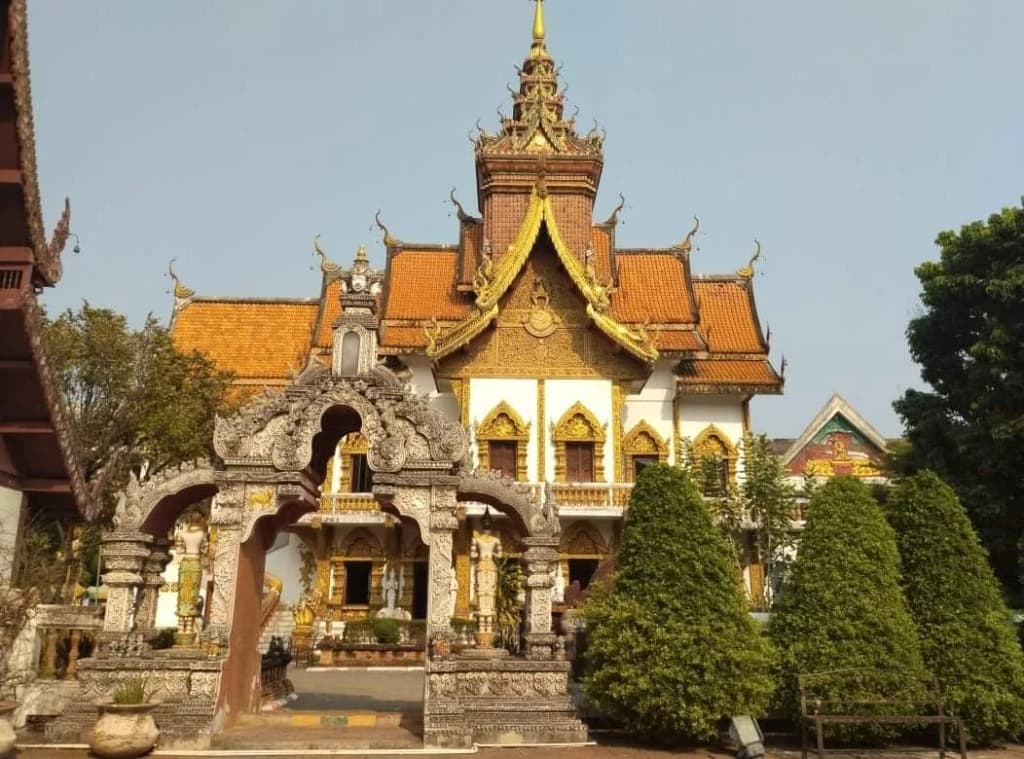
Accommodation will be your largest fixed expense, but Thailand offers incredible value if you know how to book systematically. During our 4-month trip, we averaged just $10.50 USD per person, per day for private double rooms with en-suite bathrooms and reliable Wi-Fi.
How did we get the daily average so low? The long-stay strategy. By booking a single room in Chiang Mai for 35 days, the platform's monthly discount dropped our rate to just $3.75 USD per person, per night. If you are a digital nomad or slow traveler, anchoring yourself in one location for 28+ days automatically triggers discounts of 30% to 50% on platforms like Airbnb and Agoda.
Here is what you can realistically expect to pay based on your travel style:
Accommodation Type Cost per Night (USD) Best For Hostel Dorm Bed $6 - $12 Solo backpackers & tight budgets Standard Private $20 - $45 Couples & mid-range travelers Beachfront Resort $160 - $400+ Luxury travelers & short vacationsPro Tip: Always check if breakfast is included before booking. Filtering your search for "breakfast included" often costs the exact same base rate, but saves you an additional $3-$5 per day and preserves valuable morning exploration time.
2. Food & Drink: Eating Like a Local
Your food budget will entirely depend on whether you are willing to embrace local cuisine or if you crave Western comforts. We averaged $7.00 USD per person, per day, which typically covered two solid meals out plus afternoon snacks, fresh fruit bowls, or smoothies.
Here is the exact breakdown of standard food and beverage costs:
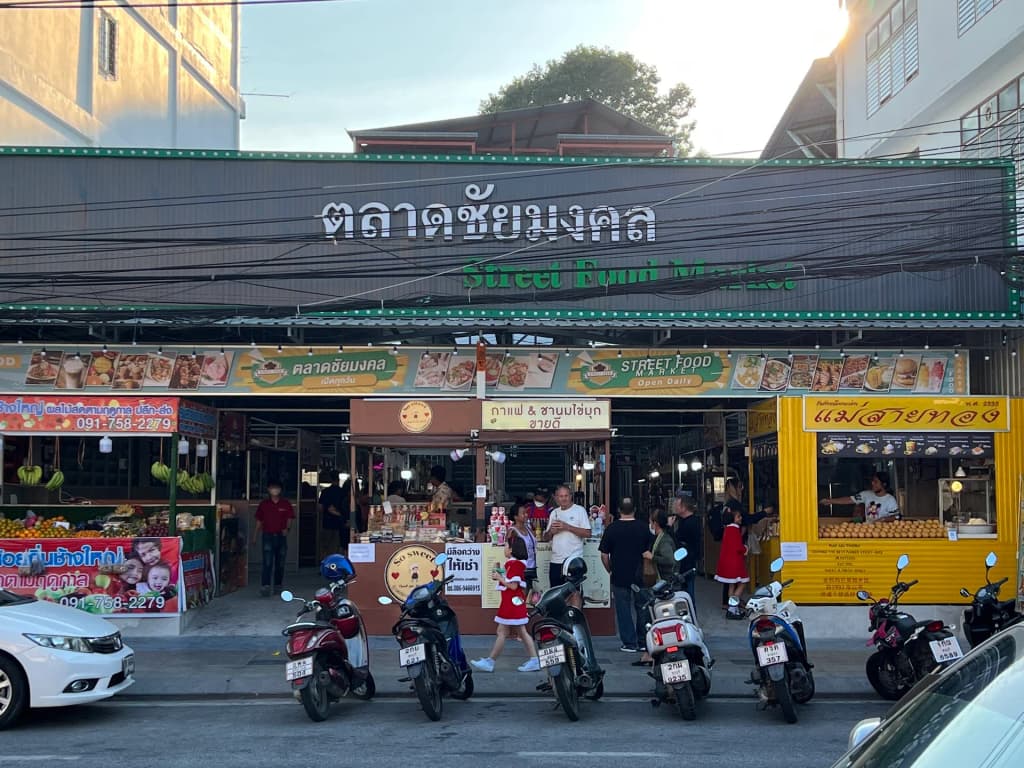
- Local Thai Street Food (e.g., Pad Thai, Khao Soi): 60 - 120 THB ($1.70 - $3.50 USD) per plate
- Western Food (Pizza, Burgers): 200 - 300 THB ($5.75 - $8.50 USD) per plate
- 1.5L Bottled Water (7-Eleven): ~15 THB ($0.45 USD)
- Large Local Beer (600ml): ~60 THB ($1.80 USD) in convenience stores, slightly more in restaurants
If you stick to the local night markets and street-side spots where Thai residents eat, your food budget will stretch incredibly far. Eating Western food will easily triple your daily food expenses.
3. Transportation & Intercity Travel
Getting around Thailand is a highly efficient mix of walking, scooters, and affordable public transit. We averaged just $1.20 USD per day on local transport by walking heavily in places like Chiang Mai's Old City and the smaller islands (like Koh Lipe and Koh Phi Phi) where motorized vehicles are rarely necessary.
When you do need wheels, here is what it costs:
- Scooter Rentals: 250 - 300 THB ($7.00 - $8.50 USD) per day.
- Grab (Asia's Uber): Highly affordable in Bangkok and Chiang Mai for longer cross-city trips. A 20-minute ride typically costs under $4.00 USD.
- Public Transit: Bangkok's BTS Skytrain and MRT are exceptionally clean, air-conditioned, and cost roughly $1.00 to $2.00 USD per ride.
For larger Intercity Travel (flights, long-distance ferries, and sleeper buses between our 8 cities), we averaged $43.00 USD per major move.
Pro Tip: If you rent a scooter for a week or a month, negotiate directly with the rental shop owner in person. The daily rate drops significantly the longer you commit. Always take a 360-degree video of the scooter before driving away to document existing scratches.
4. Activities & Connectivity
We budgeted roughly $46.00 USD per paid activity. This average includes a mix of very cheap daily excursions and premium, once-in-a-lifetime experiences. For example, standard temple entry fees rarely exceed $2 to $4 USD, but premium events—like tickets to the Yee Peng Lantern Festival—can cost upwards of $130 USD per person.
Do not forget to budget for Thai massages. You will find street-side massage parlors everywhere, and they are excellent for recovery after long travel days. A standard one-hour Thai massage costs about 300 THB ($8.50 USD).
For connectivity, do not use your home provider's international roaming plan. We paid just $1.60 USD per month for a local Thai data plan.
Pro Tip: Skip the SIM card kiosks at the airport baggage claim; they charge inflated tourist prices. Instead, take your passport to an official telecom store (like AIS or TrueMove) inside any major shopping mall in Bangkok to get local, non-tourist rates.
5. The Multi-Currency Card Hack
This is the single most important financial tip for your trip. By using a Wise multi-currency card, we saved the equivalent of $400 USD over four months.
Standard international credit cards often charge up to 3-5% in foreign transaction and currency conversion fees. Furthermore, when you use booking platforms like Agoda, they charge your card in the local currency (THB). A multi-currency card allows you to hold Thai Baht digitally and pay exactly the mid-market exchange rate, with conversion fees hovering around a mere 1.1%. Over the course of a multi-week trip, this math adds up to serious savings.
6. Common Mistakes to Avoid
Do not let poor planning inflate your baseline budget. Keep these strict warnings in mind:
⚠️ Watch Out: Do not rely entirely on credit cards. While Bangkok is quite modern, many businesses on the islands and virtually all street food vendors are strictly cash-only. You must carry physical Baht at all times.
- Ignoring ATM Fees: Thai ATMs charge a flat withdrawal fee of about 220 THB ($6.30 USD) per transaction, regardless of the card you use or the amount you withdraw. Always withdraw the maximum amount possible (usually 20,000 to 30,000 THB) to minimize how often you take this hit.
- Drinking Tap Water: Never drink the tap water in Thailand. Always buy bottled water from 7-Eleven or use the filtered water refill stations provided by your hotel or hostel.
- Booking Short Stays Unnecessarily: If you have a flexible schedule, booking 3-4 days at a time will cost you double. Anchor yourself in a city for 2-4 weeks to trigger massive platform discounts.
7. Next Steps for Your Thailand Trip
Ready to start planning the logistics? Here is your exact action plan:
- Calculate your baseline: Multiply your expected daily food ($7-$15) and accommodation costs ($10-$45) by your total trip duration.
- Add a transit buffer: Set aside $150 USD specifically for domestic intercity flights and island ferries.
- Order your financial tools: Apply for a multi-currency card (like Wise) at least 3 weeks before your departure so the physical card arrives in your mailbox in time.
- Book your landing pad: Secure your first 3 nights of accommodation in Bangkok or Chiang Mai so you can recover from jet lag before making long-term rental decisions.
Thailand is one of the most financially rewarding destinations on earth if you plan methodically. Lock in your flights, organize your currency strategy, and get ready for a highly optimized trip.
More Photos
More Adventures
 $33 - $50/day 14-60 days
 The Raw Truth About Budgeting for Bali
Think Bali is too expensive? Think again. Get the raw, unfiltered truth about backpacking Indonesia on a $33 daily budget. Pack your bags and ride.
 $40 - $150/day 20-30 days
 Conquer Thailand: The Ultimate 20-Day Blueprint
Skip the tourist traps. Grab your backpack. This is your high-energy, no-BS guide to dominating Thailand in 20 days. Get ready to sweat.
 $40 - $120/day 14-30 days
 The Taste of Chili and Time Travel: Everyday Magic in Thailand
Immerse yourself in the sensory details of Thailand's deeply rooted culture, from Buddhist calendars and saffron-robed monks to street food rules.
 $40 - $80/day 2-4 days
 Boa Vista: Exploring the Amazon's Fan-Shaped Frontier City
Experience the unexpected beauty of Boa Vista, Roraima. Discover Macuxi indigenous crafts, the unique Lavrado biome, and sunset boat tours on the Rio Branco.