
Wandering Porto’s Ribeira: Stories, Sips, and Sunlight
Lose yourself in Porto’s Ribeira: riverside strolls, port wine cellars, and the hum of history. A sensory journey through Portugal’s most enchanting quarter.
The river glimmers, restless and gold, as I step down the last stone stair from the Sé Cathedral. The air is thick with the scent of baking bread and the faint tang of the Douro, and somewhere below, a busker’s guitar drifts up through the maze of alleys. Nuno, who’s lived here all his life, pauses beside me, squinting at the patchwork of colored houses tumbling toward the water. “I’ve never walked this way,” he admits, almost sheepish. “Not like this. Not just to look.”
We descend together, the stones worn smooth by centuries of feet, past tiny restaurants with chalkboard menus and windowsills crowded with geraniums. The city feels like a living storybook—each corner a new page, each elevation a different perspective. The sun catches on the tiled facades, blue and yellow and green, and the air is alive with voices: Portuguese, English, laughter, the clink of glasses from a terrace above.
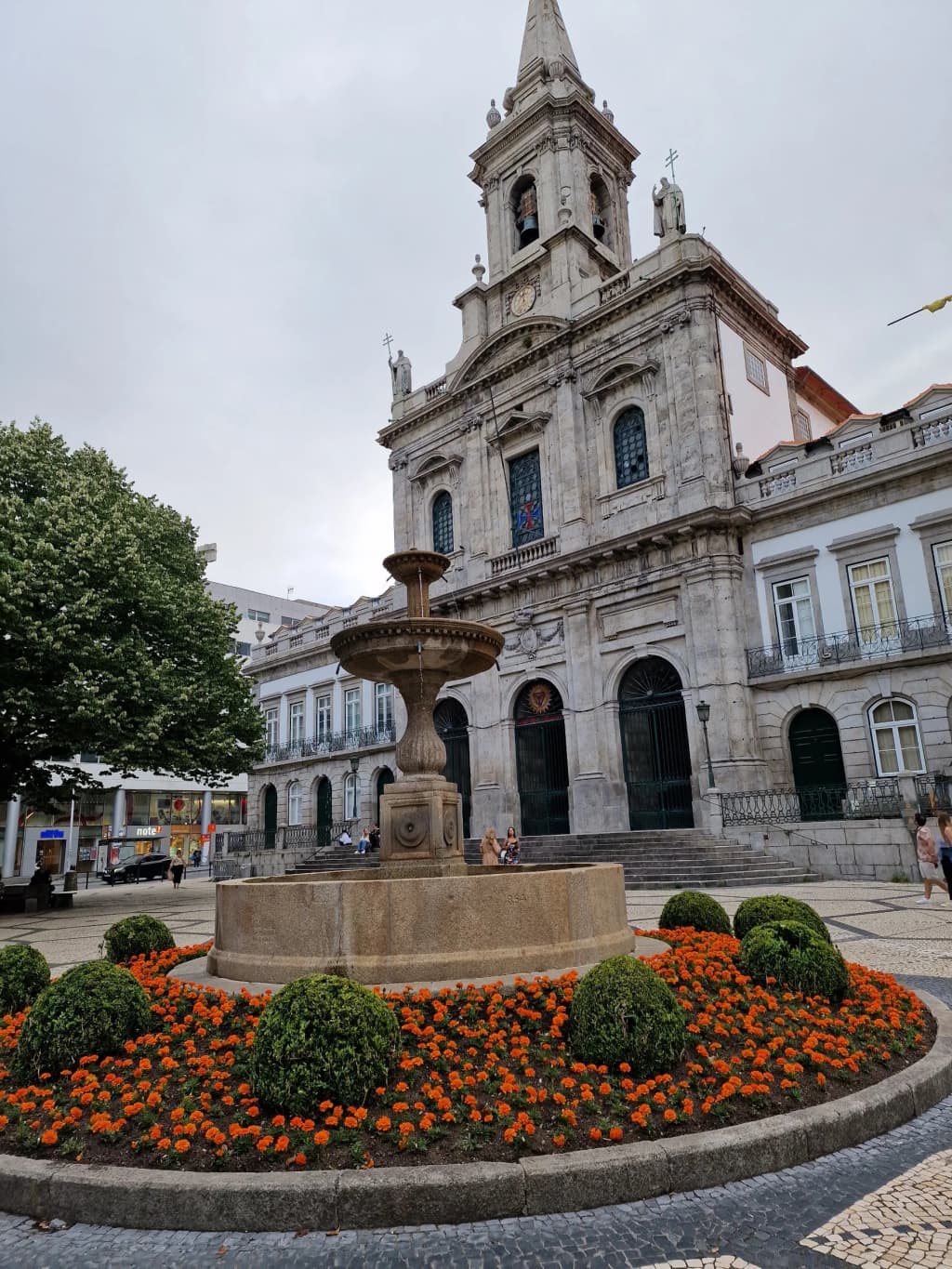
At the bottom, the Cais da Ribeira is a riot of life. Tourists and locals spill onto the promenade, drawn by the promise of river breezes and the spectacle of the Dom Luís I Bridge arching overhead. The bridge is a steel lacework, impossibly elegant, and the story goes that the king himself was late to its inauguration—so late, in fact, that they left his name off the plaque. Now it’s just Luís I, not Dom Luís, and the city seems to relish the imperfection.
A boat tour beckons—forty-five minutes of sunlight and spray, the city unfolding from the water. The ticket is a slip of paper, easy to buy from a kiosk or online, and the boat rocks gently as we set off. The guide’s voice is soft, almost lost in the wind, but the sights need no narration: the stacked houses of Ribeira, the wine cellars of Gaia across the river, the endless blue above. When we return, the quay is even busier, the air thick with the smell of grilled sardines and the sweet, resinous note of port wine.
We climb to a terrace bar—Vinum, perched above the Pestana hotel, its tables angled for the best view of the river and the bridge. The first sip of port is velvet and fire, the kind of drink that lingers on the tongue and in the memory. “You know,” the bartender says, polishing a glass, “the wine comes from the Douro, but it becomes itself here. In Gaia. The barrels, the air, the river—it all matters.”
He gestures across the water, where the old port lodges line the shore. “Seven million liters, just in Graham’s cellars. Enough for generations.”
I laugh, imagining the river running red with wine, and he grins. “It’s not just a drink. It’s a story. Every bottle, a year, a family, a piece of this place.”
The city’s history is layered, sometimes literally. At the Clérigos Tower, Scott—the guide, whose accent is more Porto than Scotland—tells us about the church built atop a pauper’s cemetery. “They say the tower is a cork,” he jokes, “to keep the souls from wandering.”
He makes the sign of the cross, half in jest, and the group laughs, but there’s a hush as we step inside. The air is cool, heavy with incense and old stone. From the top, the city is a mosaic: red roofs, winding alleys, the river threading it all together.
On Rua das Flores, the afternoon is a blur of color and sound. Musicians play beneath wrought-iron balconies, and the street is alive with the shuffle of feet and the clatter of cutlery from open-air cafés. I duck into Chocolataria Equador, drawn by the promise of port-infused chocolate and the rich, earthy smell of roasting coffee. The woman behind the counter offers a sample—dark, bittersweet, with a hint of something floral. “It’s like the city,” she says, “a little old, a little new, always surprising.”
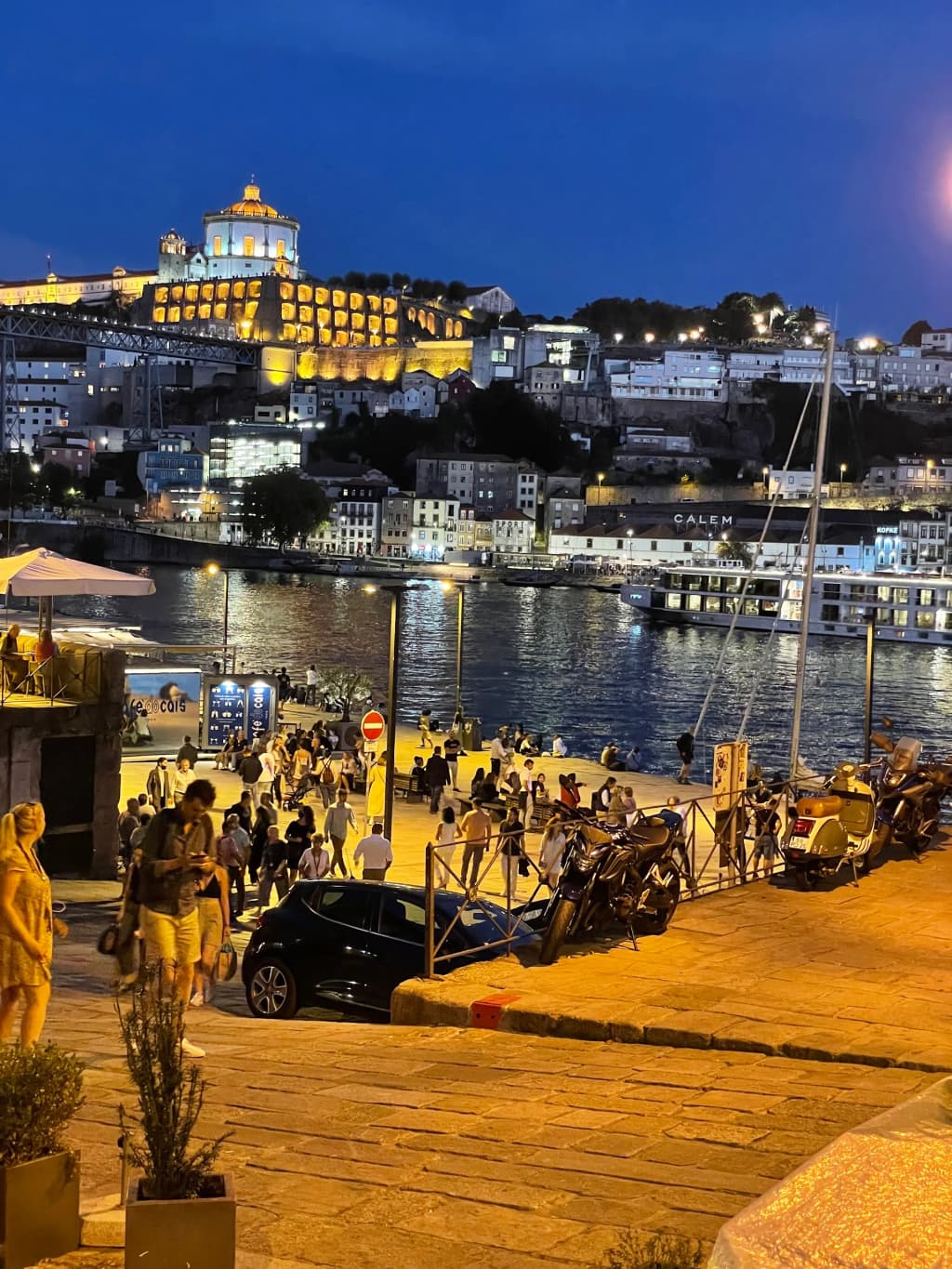
Further on, Rua Santa Catarina is a different world—bustling, commercial, the heart of modern Porto. The first Zara outside Spain opened here, and the street is lined with shops, souvenir stalls, and the grand old Majestic Café. I slip inside, the clamor fading behind heavy doors, and order a coffee. The room is all mirrors and marble, the air scented with pastry and nostalgia. Outside, a street artist snaps my photo and hands me a print, the city’s story told in sepia tones.
Evening falls and the city softens. The lights along the river flicker on, reflected in the slow-moving water. I cross to Gaia, the air cooler now, and join a tour at Graham’s Lodge. The cellars are cool and dim, the barrels stretching away into shadow. Our guide, João, pours a tawny port and raises his glass. “To Porto,” he says, “and to all who find themselves here.”
The wine is sweet and complex, the taste of sun and stone and time. I linger, reluctant to leave, the city’s stories echoing in my mind—the laughter on the quay, the hush of the cathedral, the warmth of a stranger’s smile.
Porto is a city for wandering, for getting lost and found again. It’s a place where history is not just remembered, but lived—where every street, every glass, every note of music is an invitation to stay a little longer.
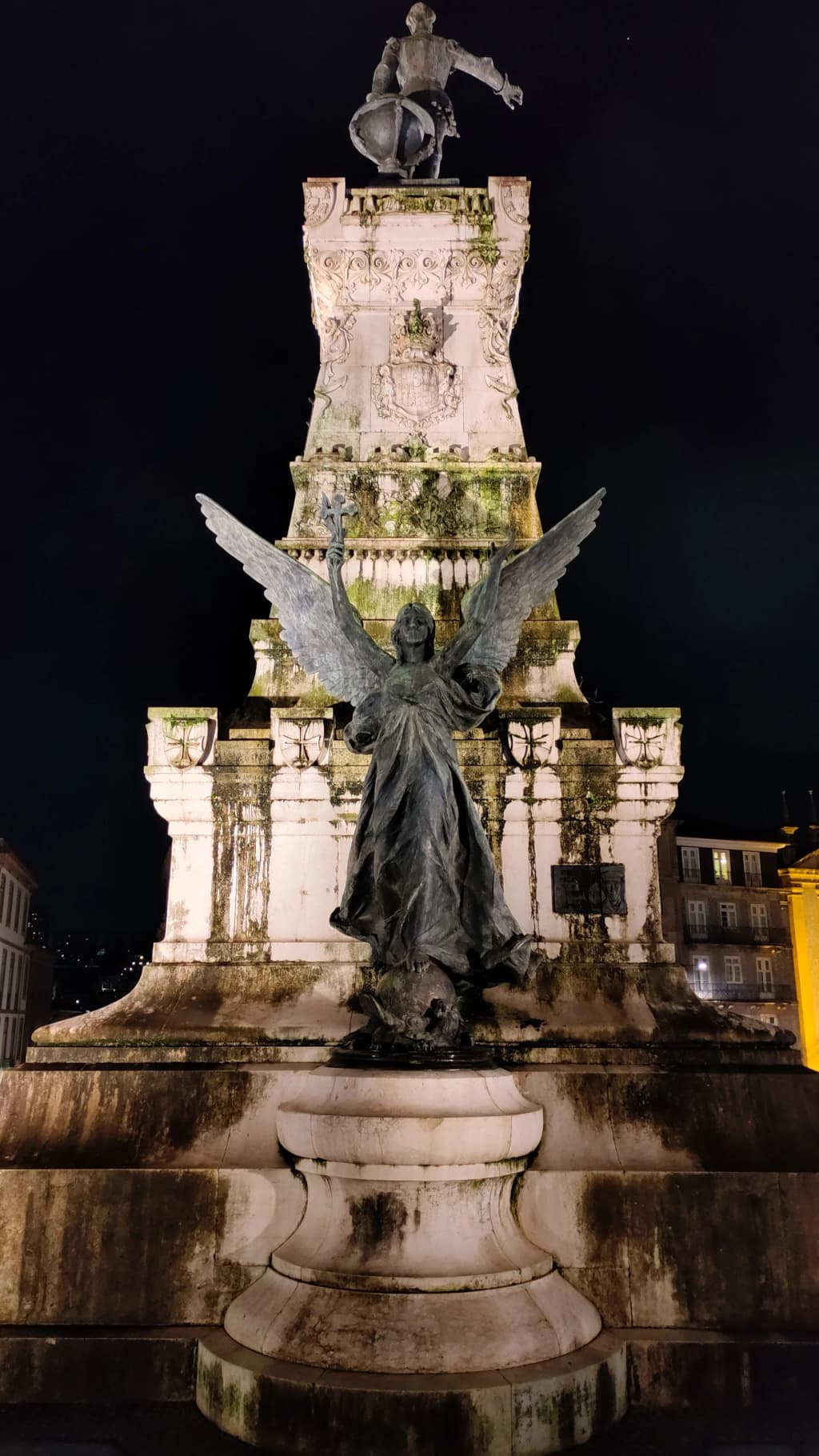
I walk back along the river, the city glowing behind me, and think of Nuno’s words: “Not just to look.” In Porto, you don’t just look. You taste, you listen, you breathe it in. And if you’re lucky, you carry a little of its light with you, long after the sun has set.
More Photos
More Adventures
 $100 - $250/day 3-7 days
 Beyond the Turnstiles: An Orlando Summer Sabbatical
Escape the Orlando theme park crowds and discover the sensory magic of Celebration, the Mall at Millenia, and the neon-soaked shores of Universal CityWalk.
 $150 - $300/day 1-2 days
 Conquer Epcot: The Ultimate High-Speed Global Gauntlet
Think Epcot is a slow stroll? Think again. It's a high-speed, globe-trotting gauntlet. Hack the rides, taste the world, and push your limits in Orlando.
 $50 - $120/day 2-3 days
 Earth, Fire, and Lavender: A Sensory Weekend in Cunha
Breathe in the lavender fields, taste alpine mountain beer, and feel the heat of traditional Japanese kilns in the mountain village of Cunha, São Paulo.
 $50 - $120/day 3-5 days
 Chasing Echoes and Gold Dust in Tiradentes, Brazil
Experience Tiradentes, Brazil through a sensory journey of colonial architecture, deep-rooted history, and the rich culinary traditions of Minas Gerais.