
Best Time to Visit Buenos Aires: A Seasonal Guide
Discover the best time to visit Buenos Aires. Learn why Spring and Autumn offer the perfect balance of walkable weather, rich culture, and better value.
The hiss of the espresso machine nearly drowns out the melancholic wheeze of a bandoneon playing three streets over. I wrap my hands around the thick porcelain cup, letting the warmth of the cortado seep into my palms. The autumn air in San Telmo carries a crisp edge, mixing with the scent of roasted coffee, old paper from the nearby antique stalls, and the faint, sweet aroma of caramelized sugar. The city is waking up slowly, stretching its limbs under a pale blue sky.
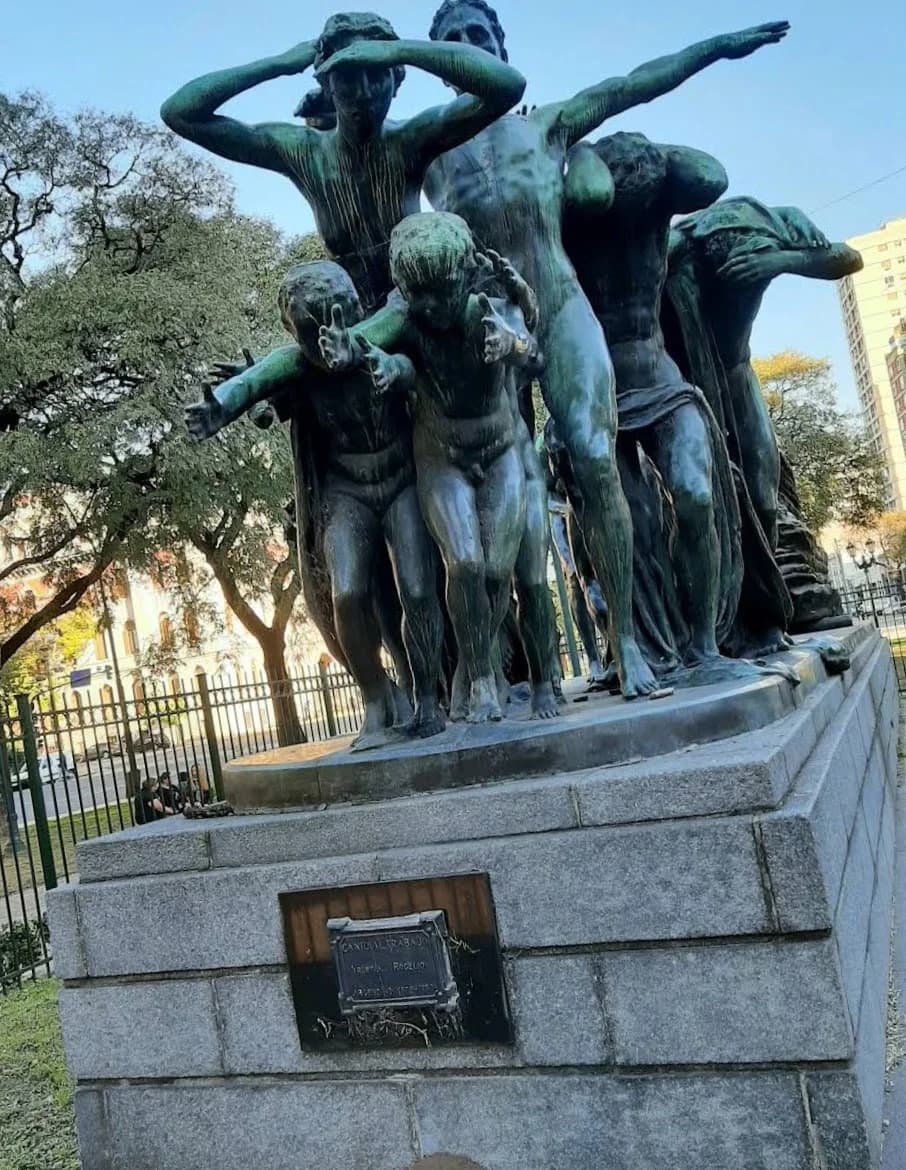
"You wouldn't want to be sitting out here in January," Mateo says, wiping down the zinc counter with a damp rag. He slides a plate of sticky, glazed medialunas toward me. "The asphalt melts. The air gets so heavy you have to chew it."
"I thought summer was high season," I say, tearing the crescent pastry in half. The sweet glaze sticks to my fingers, tasting faintly of vanilla and honey.
He laughs, a dry, raspy sound that gets lost in the clatter of saucers. "For the tourists who don't know any better, maybe. We porteños flee. The city empties out. Everyone goes to the coast, or across the water to Uruguay. December and January here are a beautiful, suffocating ghost town."
Mateo is right. Buenos Aires is not a city you visit to sit in an air-conditioned hotel room. It is a city of broad, European-style avenues, hidden courtyards, and sprawling parks. It demands to be walked. But when the Southern Hemisphere summer hits in late December, the heat radiating off the concrete is relentless. The humidity settles over the neighborhoods like a wet wool blanket. You find yourself darting from shadow to shadow, entirely missing the grand architecture of the French-style buildings because you're too busy staring at the pavement, willing yourself to the next shady tree. The kinetic street life—the very soul of the city—retreats indoors.
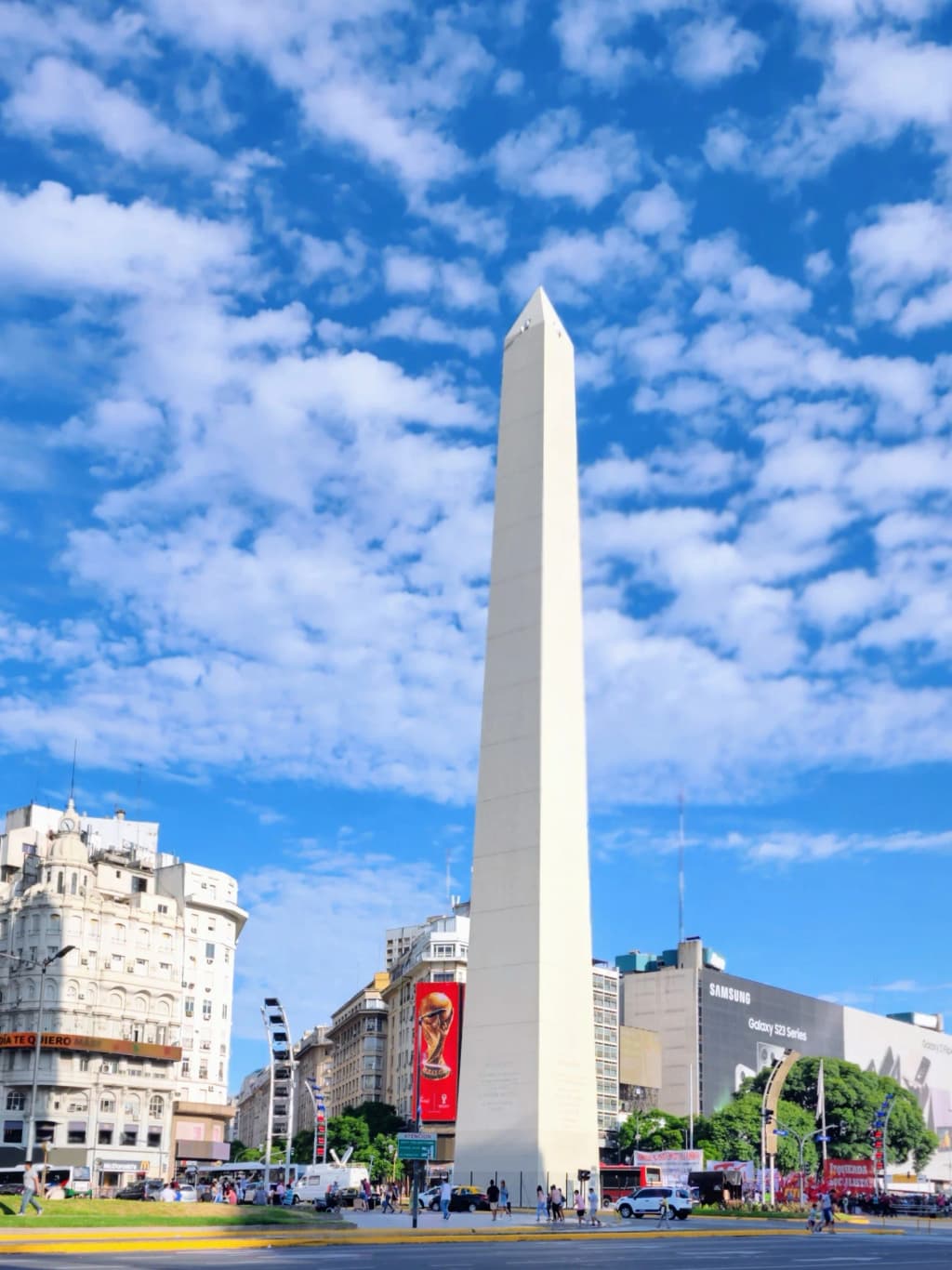
If summer is a sweltering mirage, winter is a bustling, freezing transit lounge. By July and August, the wind whipping off the Rio de la Plata cuts through wool coats with ruthless efficiency. The sky turns a bruised, heavy gray. Paradoxically, this is when the city becomes incredibly expensive. Travelers from all over the globe descend upon Argentina, their sights set on the snow-capped peaks of Bariloche or the glacial edges of Ushuaia. Buenos Aires becomes the mandatory stopover.
The hotels fill up, the rates double, and the streets lose that languid, inviting charm. Instead, you see huddled masses rushing from heated cafes to waiting taxis, their shoulders hunched against the biting cold. It is during these icy months that I always double-check my travel insurance policy before boarding the plane—a nasty chest cold or a slipped step on a slick, freezing cobblestone is the last thing you want when you are supposed to be sipping Malbec and eating steak. You can still find moments of beauty in the winter, of course, but you have to fight the elements to earn them.
The true magic of Buenos Aires happens in the spaces between. The shoulder seasons. March through May, and September through November. These are the golden months, the times when the city breathes easy and invites you to do the same.
In November, the city transforms. The jacaranda trees that line the grand avenues explode into a brilliant, almost violent shade of purple. They dust the sidewalks with blossoms, creating a surreal, colorful carpet that softens the harsh edges of the concrete. The temperatures hover in that perfect, light-jacket territory. You can walk for hours, from the colorful, tin-walled houses of La Boca all the way to the manicured parks of Palermo, without breaking a sweat or shivering in the wind.
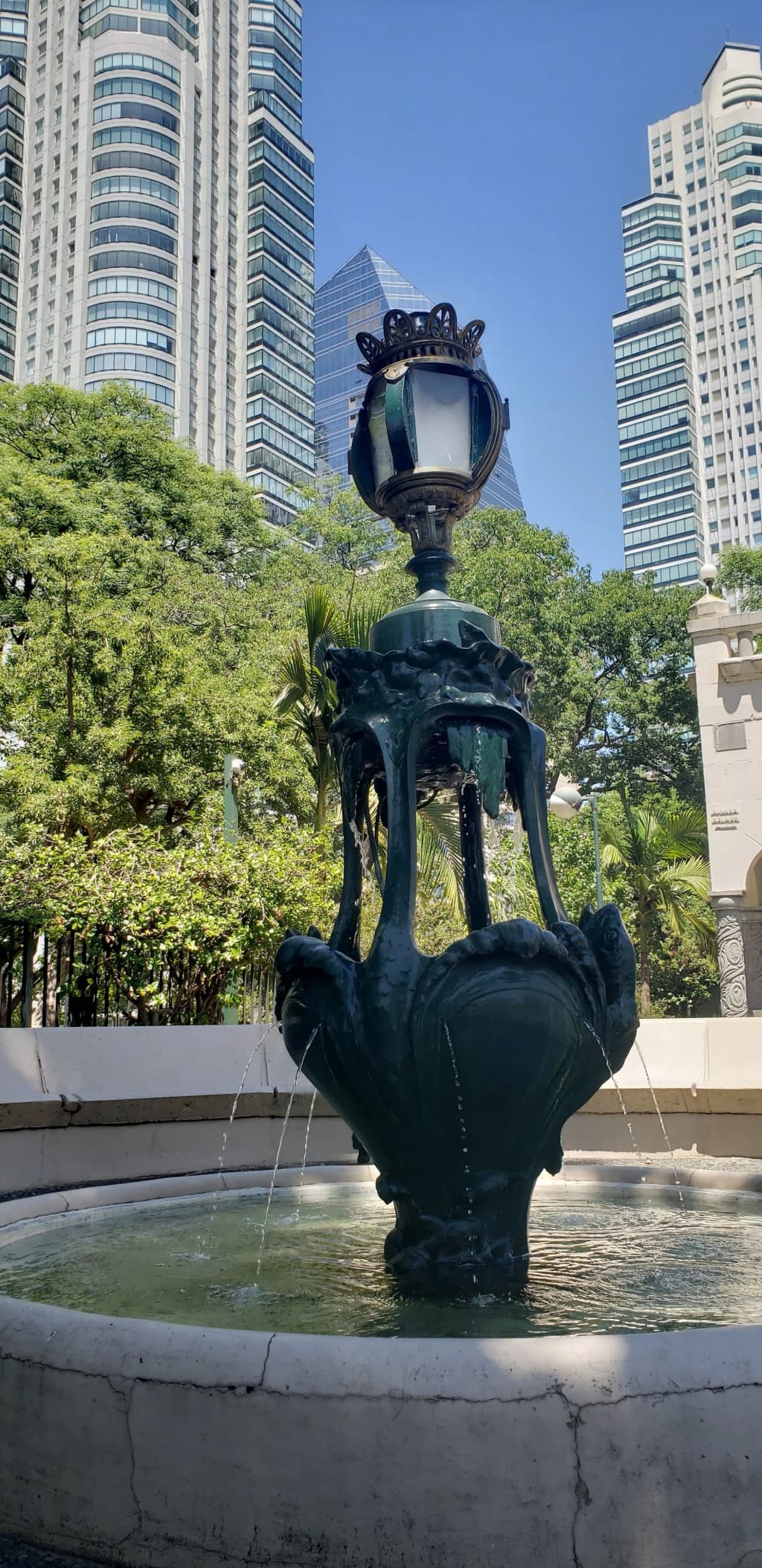
This is when you want to be here. This is when you can pull up a chair at a sidewalk cafe in Recoleta, order a glass of wine, and simply watch the world go by. The prices are more manageable, too, since you aren't competing with the winter ski crowds. I pay for my afternoon espresso using a global multi-currency card right from my phone—a trick that has changed the way I travel here. The days of carrying thick stacks of US dollars to exchange in shadowy back rooms are mostly behind us. Modern travel cards instantly lock in favorable exchange rates, saving you ten or fifteen percent on every transaction without the endless hassle of counting colorful peso notes on a street corner. It leaves you more time to actually experience the city.
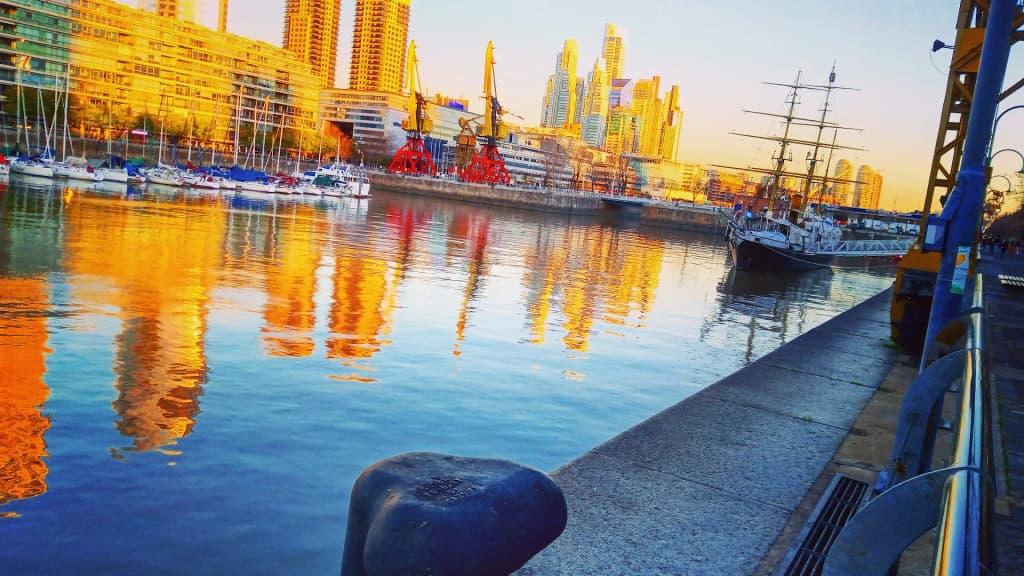
The afternoon shadows stretch long across the red brick walkways of Puerto Madero. The water in the old docks catches the fading light, turning from muddy brown to liquid copper. I hear the clinking of wine glasses from the waterfront terraces, a gentle, rhythmic murmur of Spanish blending with the evening breeze. The smell of chimichurri and wood-fired meat begins to drift from the high-end parrillas, a savory, garlicky promise of the dinner to come.
There is a distinct, unhurried rhythm to this city that you can only catch when the weather allows you to slow down. When you aren't hiding from the punishing summer sun or fleeing the bitter winter wind, Buenos Aires opens her arms. She pours you a glass of deep, inky Malbec, plays a slow tango in the distance, and invites you to stay just a little bit longer.
More Photos
More Adventures
 $30 - $80/day 3-5 days
 Finding the Soul of Paris: A Guide to the City's Best Free Experiences
Experience the magic of Paris without spending a euro. From concealed Roman ruins to rooftop sunsets, discover the city's most immersive free experiences.
 $45 - $120/day 5-7 days
 A Practical Guide to Buenos Aires: Budgets, Transit & Beef
Maximize your Buenos Aires budget with our practical guide. Get exact costs, transit strategies, steakhouse rankings, and a step-by-step itinerary.
 $85 - $250/day 4-7 days
 Paris Travel Guide: Budget Hacks, Routes & Photo Spots
Plan your Paris trip with this meticulous guide. Discover $7.50 authentic meals, optimized walking routes, and strategies to skip massive museum lines.
 $50 - $150/day 4-7 days
 Finding the Pulse: How to Actually Navigate Buenos Aires
Discover the reality of moving through Buenos Aires, from hunting down a SUBE card to mastering local ride-shares and surviving airport transfers.