
Navigating the Chaos: A Traveler's Guide to Air Passenger Rights in Brazil
Stuck in a Brazilian airport? Don't panic. From delay compensation to lost luggage rules, here is how to turn travel disasters into manageable situations.
The air in Guarulhos Terminal 3 is thick with it—a cocktail of stale espresso, jet fuel, and the sharp, metallic tang of anxiety. It is a sound you feel in your teeth, a low-frequency hum of rolling suitcases and announcements that nobody seems to understand. Around me, the terminal is a living organism of shifting lines. A family argues in hushed Portuguese near the window; a backpacker sleeps on his rucksack, mouth open, oblivious to the world collapsing around him.
I am sitting at a wobbly metal table with Natália Brandão, watching the human tide wash against the check-in counters. Natália isn't just another traveler waiting for a connection; she is a lawyer who specializes in the very thing that is currently causing the man at the neighboring gate to pull his hair out: air passenger rights.
"You see that?" she asks, nodding toward a confused couple staring at a screen that has just blinked from On Time to Delayed. "They think they are helpless. In Brazil, the law is actually very specific. But they don't know it."
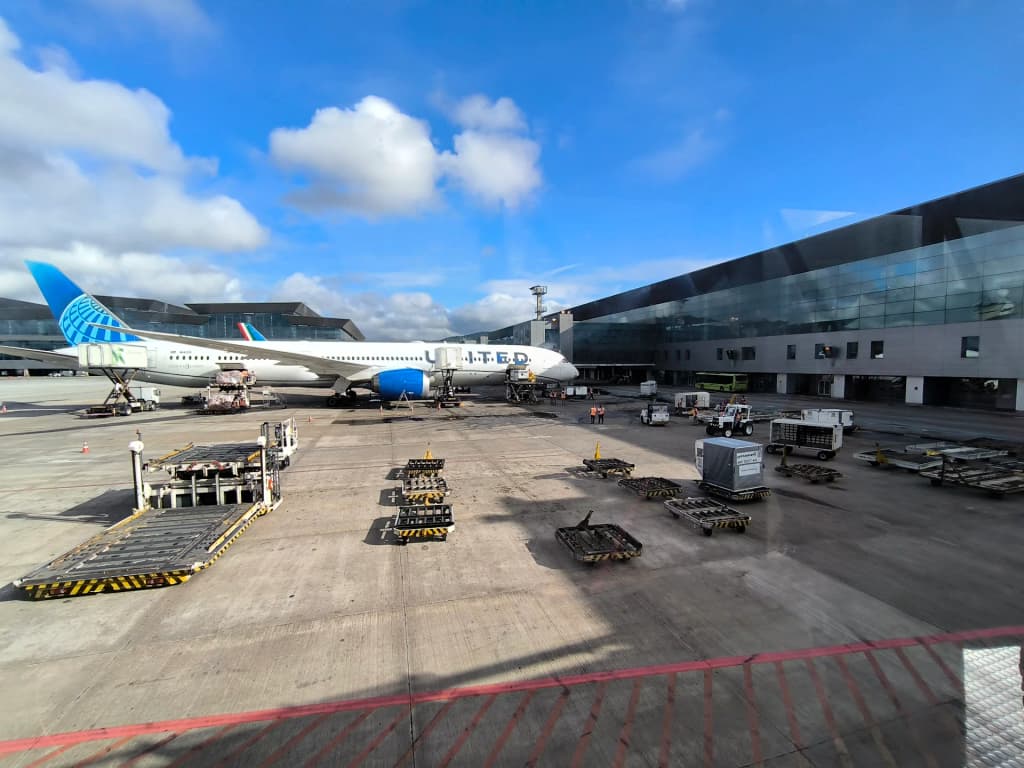
She takes a sip of her water and leans in, her voice cutting through the terminal's din. We are discussing the inevitable—the delays that eat into vacation days and patience. In Brazil, unlike many other places I’ve traveled, the clock starts ticking immediately.
Natália explains that the airline’s obligations are triggered by the minute hand, not just the cause of the delay. "It is a ladder of responsibility," she tells me. "If you are delayed one hour, they owe you communication. Internet, phone calls. They must ensure you can tell someone you are stuck."
I watch the board flip again. Another flight pushed back. The collective groan of the gate area is audible.
"And at two hours?" I ask.
"Food," she says simply. "Vouchers for a meal. They cannot leave you hungry."
But the real protection kicks in at the four-hour mark. That’s the threshold where a mere inconvenience becomes a disrupted life. At four hours, Natália explains, the airline must provide accommodation and transport to and from the hotel. If you are in your home city, they owe you the ride home and back. It feels civilized, this acknowledgement that time is a currency the airline has stolen from you.
"Cancellations work similarly," she adds, watching a flight attendant rush past, looking just as stressed as the passengers. "You have the choice. Full refund, rebooking on the next available flight—even on a competitor's plane—or alternative transport like a bus or taxi. The choice is yours, Marco, not theirs."
We shift topics to the phantom menace of modern travel: overbooking. It is a practice I have always found baffling—selling a seat that doesn't exist. Here, the penalty is swift.
"If you are bumped," Natália says, tapping the table for emphasis, "they must compensate you immediately. Right there at the desk."
I raise an eyebrow. "Cash?"
"Cash, bank transfer, or voucher, but it is immediate compensation. About 800 Reais for domestic flights, and nearly 3,700 Reais for international ones." She smiles, a small, knowing expression. "Plus, they still have to rebook you or refund you and provide all the assistance—food, hotel—while you wait. It accumulates."
It changes the way I look at the crowded gate across from us. Suddenly, being bumped doesn't sound like a disaster; it sounds like a funded extension to a trip.
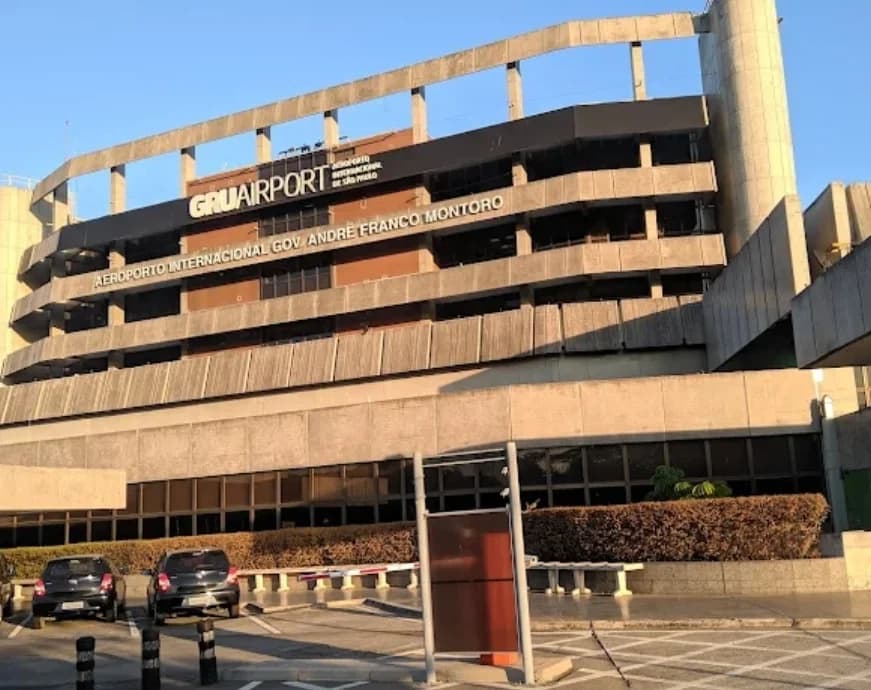
The conversation turns to the luggage carousel, that purgatory where we all stand and pray to the gods of aviation. I ask her about the bags that never appear.
"You must act immediately," she warns. Her tone shifts, becoming more urgent. "Do not leave the arrival hall. You go to the counter and file the RIB—the Property Irregularity Report. Get a copy. Without it, you have nothing."
She explains that for domestic flights, they have seven days to find your bag and deliver it to your address. For international flights, it's twenty-one days. And if you are away from home—say, I’ve just landed in Rio and my swim trunks are in a lost suitcase—they must reimburse my expenses for essentials. Toiletries, clothes.
"But be careful with international flights," she notes. "The Montreal Convention limits the liability. If they lose it forever, the compensation is capped at 1,000 Special Drawing Rights. That is roughly 7,000 Reais. It’s a hard limit."
As we finish our coffee, I notice an elderly woman being wheeled through the terminal by an assistant. It reminds me that travel is not always for the able-bodied, and airports can be hostile environments for those who need extra help.
"The law here is actually quite beautiful regarding accessibility," Natália says, following my gaze. She refers to Resolution 280. Passengers with special needs—mobility issues, the elderly, pregnant women—are entitled to priority at every step, from check-in to baggage claim.
"And the companion?" I ask.
"If assistance is needed, the companion travels for heavily discounted rates—sometimes just twenty percent of the fare. But," she raises a finger, "you must notify them seventy-two hours in advance. The airline needs time to prepare."
It is a system designed to ensure dignity, something often lost in the cattle-herding experience of modern aviation.
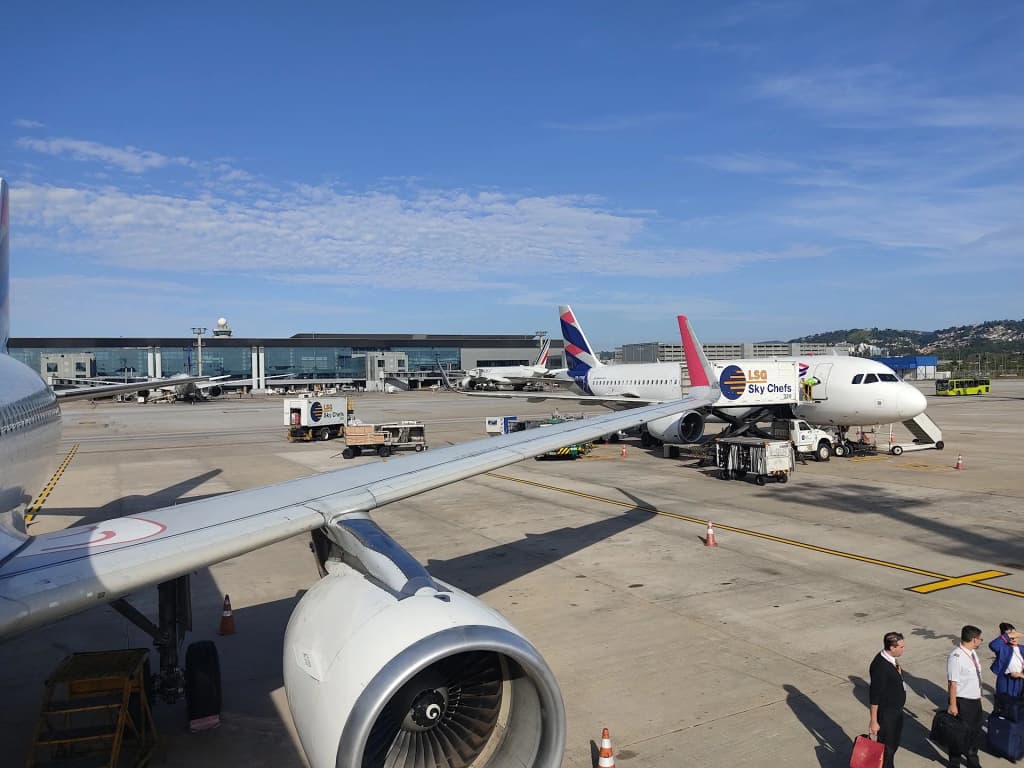
Before we part ways—her to her office, me to my gate—I ask for the most critical piece of advice she can offer a traveler like me.
"Proof," she says instantly. "Documentation is your shield."
She lists them off: keep your boarding passes, photograph the delay board, take videos of the long lines, keep receipts for every coffee and sandwich you buy during a delay. Ask for a 'Declaration of Contingency' from the airline stating why the flight was delayed.
"If they fail you," she says, standing up and smoothing her blazer, "you have platforms like Consumidor.gov or Procon. You can even sue for moral damages if the stress was significant. But without proof, you are just a voice in the noise."
I watch her walk away, merging into the stream of passengers. I look back at the departure board. My flight is still delayed, but the anxiety has dulled. I pull out my phone, snap a photo of the screen, and settle in. I know exactly what I’m owed, and in the chaotic ballet of Brazil, that knowledge feels like the most valuable thing in my carry-on.
More Photos
More Adventures
 $50 - $150/day 7-14 days
 Traveling Brazil with the Wise Card: A Frictionless Journey
Experience the freedom of traveling through Brazil with the Wise card. Learn how to navigate exchange rates, avoid hidden fees, and pay like a local.
 $40 - $100/day 3-4 days
 Campos do Jordão Itinerary: Budget Guide & Hiking Logistics
Plan a practical trip to Campos do Jordão, Brazil's highest city. Get exact costs for state parks, hiking Pedra do Baú, and budget-friendly dining.
 $50 - $120/day 3-5 days
 Chasing Echoes and Gold Dust in Tiradentes, Brazil
Experience Tiradentes, Brazil through a sensory journey of colonial architecture, deep-rooted history, and the rich culinary traditions of Minas Gerais.
 $40 - $120/day 3-5 days
 Shadows and Gold: Walking the Living History of Ouro Preto
Wander the steep cobblestone streets of Ouro Preto, where Baroque masterpieces, subterranean gold mines, and a dynamic culinary scene breathe life into history.