
The Long Route to Blue: A Journey from the South to Curaçao
A sensory narrative of the flight to Curaçao, navigating the Amazon detour, airport lounges, and the essential entry requirements for the Caribbean.
The plastic zip tie makes a sharp zip sound as I pull it tight against the luggage zipper. It is a small, almost ceremonial act of finality. Here in Curitiba, the morning air is thin and cold, the kind that seeps through the sliding glass doors of the terminal and makes you regret not wearing a thicker coat. The airport hums with that specific frequency of departure—a mix of rolling wheels, announcements that drift into the rafters, and the low murmur of people leaving home.
I always arrive early. There is a peace in being conservative with time, especially when the destination is an international border. The check-in counter is a theater of anxiety for many, but today the queue moves with a rhythmic efficiency. I hoist the bag onto the scale. 22 kilograms. Safe. The attendant tags it, the heavy sticker slapping against the handle, binding my belongings to a destination that currently feels like a universe away.
"You're going the long way around," the agent notes, glancing at the itinerary on her screen as she hands back my passport.
"The scenic route," I reply. "Better than not going at all."
She offers a tired smile. "Just make sure you have your yellow fever card handy. They won't even let you look at the ocean without it."
We touch down in Belo Horizonte for the connection, and the specific hunger of travel sets in. Airports are strange ecosystems where value is distorted; a simple pão de queijo—cheese bread—can cost a small fortune here. I walk past a kiosk selling a bottle of water for eight reais and a soda for nearly ten. The prices feel like a tax on our captivity, a reminder that once you pass security, you are a consumer with no other options.
We seek refuge in the lounge, flashing our bank cards to gain entry. The promise is always luxury—silence, soft chairs, champagne—but the reality is often a bit more frayed. The room is crowded, a sea of travelers charging devices and checking watches. The buffet is picked over, the last of the pasta drying under the heat lamps, but I manage to scrape together a plate of rice and chicken. I eat with a spoon because the forks have run out. It is chaotic, a little uncoordinated, but it beats the hard plastic chairs at the gate.
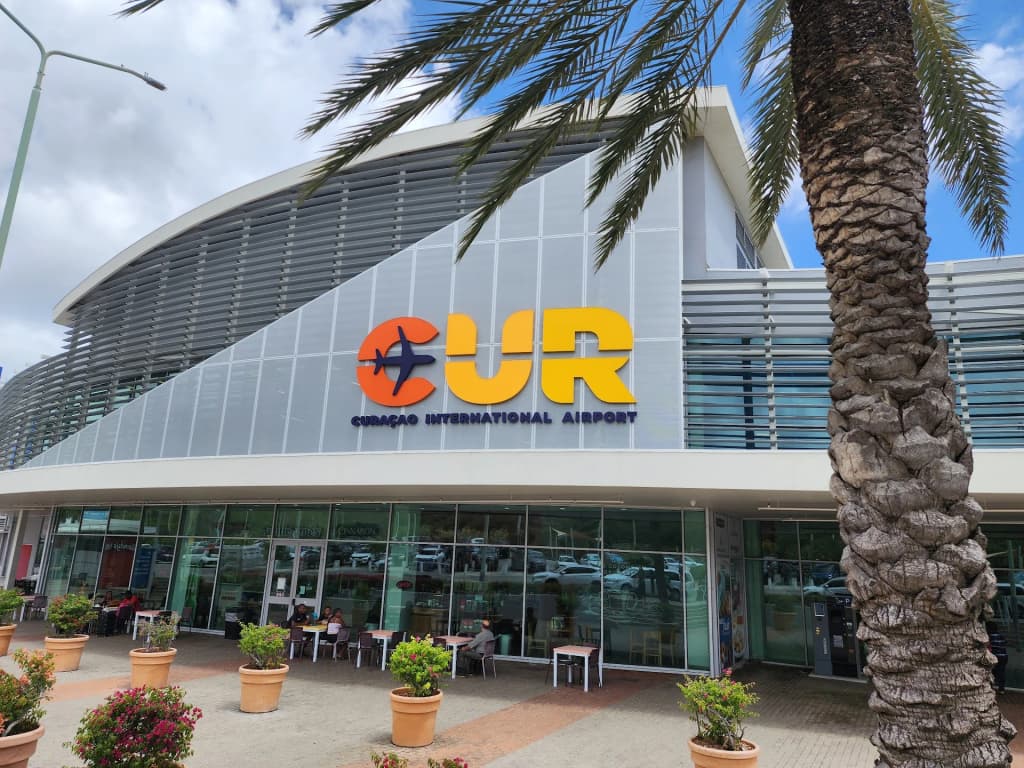
The transition to the international terminal brings a shift in atmosphere. The security is tighter here, the stakes higher. I watch a man in front of me frantically chugging a bottle of water because he forgot the 100ml liquid restriction. It is a universal dance we all know: belts off, laptops out, shoes in the bin. I slide my tray forward, feeling that momentary lightness of having empty pockets, waiting to be cleared for the long haul north.
The flight path to the Caribbean used to be a straight shot, but geopolitics have bent the lines on the map. The airspace over Venezuela remains closed to us, forcing our metal bird to take a wide detour. We fly northwest, deep into the heart of the continent, aiming for Manaus. It is a technical stop, a pause to refuel and swap crews, but it changes the texture of the journey entirely.
When we land in the Amazon, we don't disembark. The doors open, and even from inside the pressurized cabin, you can sense the change in the world outside. The air that drifts in is heavy, laden with moisture and the scent of wet earth. Through the small oval window, I see the vastness of the Amazonian rivers, swollen and reflecting the sky like dark mirrors.
"We're just topping up," the flight attendant tells me as she passes with a fresh cart.
"It feels like we're pausing in a different world," I say, gesturing to the humidity fogging up the outer pane.
She wipes her forehead with the back of her hand. "It's the heat. It finds its way in everywhere. But don't worry, the Caribbean breeze is waiting."
We sit on the tarmac for an hour, suspended between the cool south of Brazil and the tropical north. When the engines whine back to life and we lift off again, the service begins in earnest. A hot towel—a surprising touch of grace—followed by a sandwich and a chocolate mousse that tastes unexpectedly rich. We eat suspended over the jungle, watching the map on the screen inch slowly toward the sea.
Night has fallen by the time the wheels hit the tarmac in Curaçao. The flight has been long, stretching four hours from Manaus alone, but the fatigue vanishes the moment the cabin pressure equalizes with the island air.
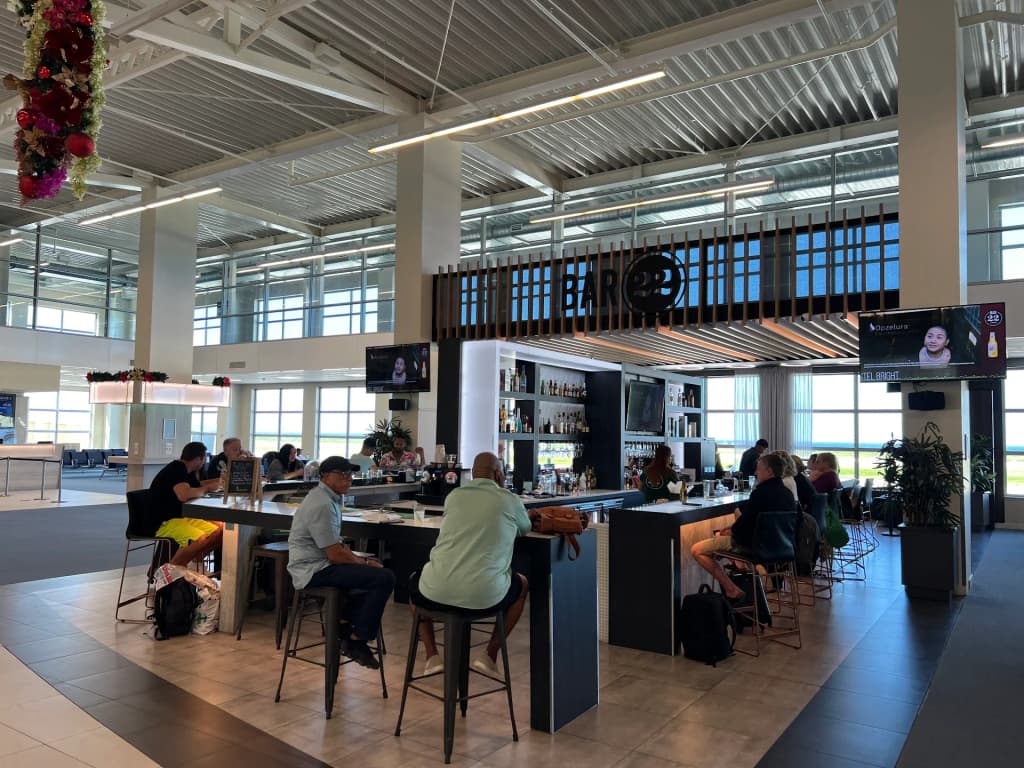
Immigration is the final hurdle, and it is here that preparation pays off. I have my documents ready—the passport, the digital immigration card I filled out online 24 hours ago, and the yellow fever vaccination certificate. This last document is not a suggestion; it is a gatekeeper. I watch a couple ahead of me fumbling through their bags, panic rising in their voices as the officer waits.
My turn comes. The officer takes the yellow booklet, scans the digital code, and the stamp thuds down. Just like that, we are legal.
The baggage claim is a swirl of tired faces and heavy limbs. I watch the carousel spin, hypnotic, until my bag with the white zip tie appears. It has made the journey intact.
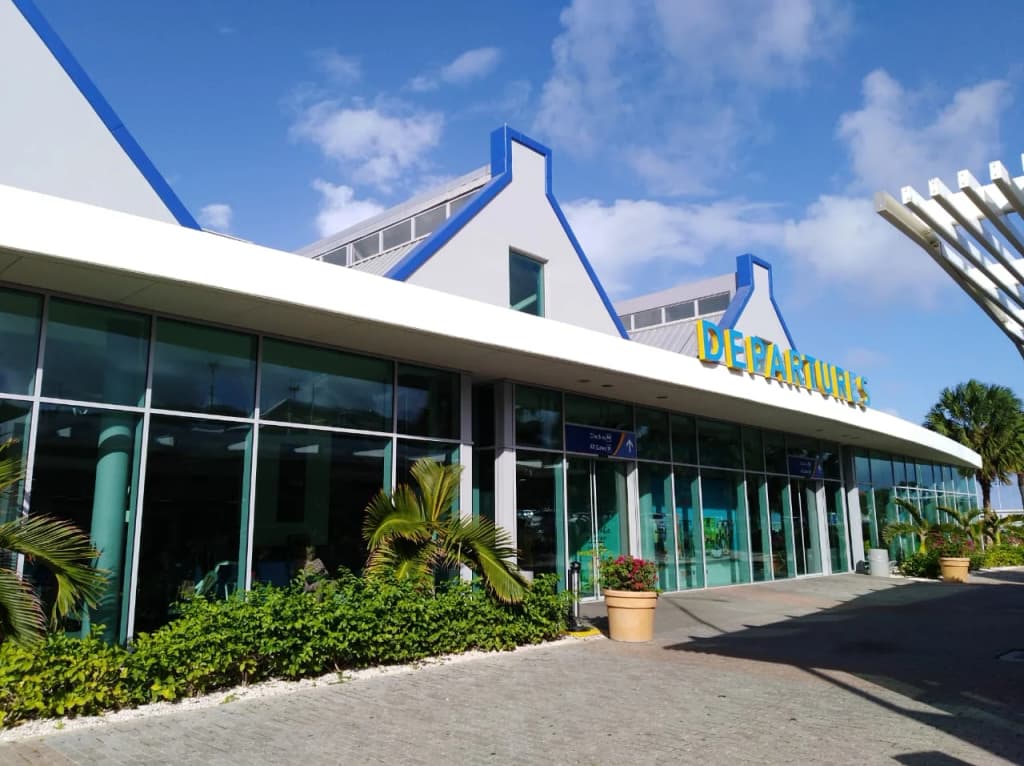
Walking out of the sliding doors, the Caribbean hits you physically. It is a wall of warmth, smelling of salt and damp flowers. We find our transfer, the driver waving a sign with my name, and as we pull away from the terminal, the airport lights fade into the rearview. The travel day is a blur of logistics—of weight limits, security trays, and detours around closed airspace. But as the first palm trees flash by in the darkness, I realize that the long, winding road is what makes the arrival sweet. You have to earn the island.
More Photos
More Adventures
 $50 - $120/day 3-5 days
 Chasing Echoes and Gold Dust in Tiradentes, Brazil
Experience Tiradentes, Brazil through a sensory journey of colonial architecture, deep-rooted history, and the rich culinary traditions of Minas Gerais.
 $40 - $120/day 3-5 days
 Shadows and Gold: Walking the Living History of Ouro Preto
Wander the steep cobblestone streets of Ouro Preto, where Baroque masterpieces, subterranean gold mines, and a dynamic culinary scene breathe life into history.
 $40 - $80/day 4-6 days
 Forget the Beaches: Why Curitiba is Brazil's Ultimate Adventure
Skip the crowded tourist traps. Discover Curitiba, Brazil's green capital, featuring gravity-defying architecture, epic train rides, and budget thrills.
 $40 - $80/day 2-4 days
 Boa Vista: Exploring the Amazon's Fan-Shaped Frontier City
Experience the unexpected beauty of Boa Vista, Roraima. Discover Macuxi indigenous crafts, the unique Lavrado biome, and sunset boat tours on the Rio Branco.