
Lavender Fields, Dutch Cheese & Sweet Surprises in Carambeí
Step into Carambeí’s Dutch past: open-air museums, lavender fields, and the scent of fresh-baked pies. A family-friendly escape in Paraná’s countryside.
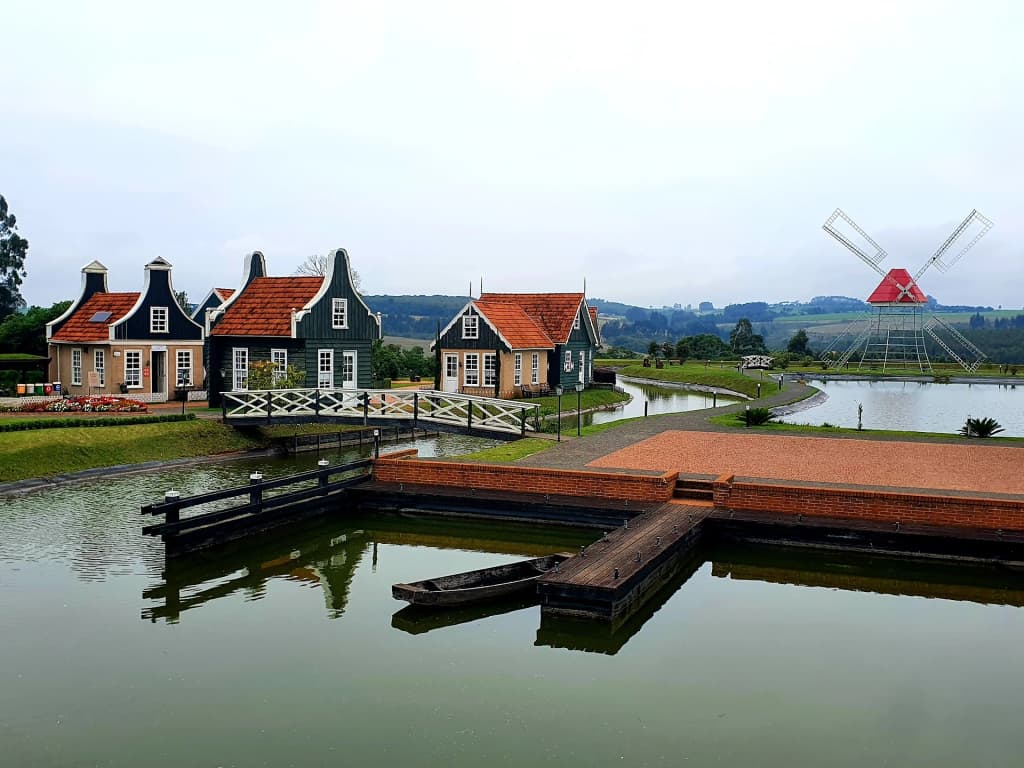
The bridge creaks underfoot, painted a blue that’s almost too bright for the soft, overcast morning. A woman in a green apron leans on the railing, watching the water ripple below. “It came from Holland,” she says, nodding at the wooden span. “For the centenary. They lowered it by hand, just like in the old country.”
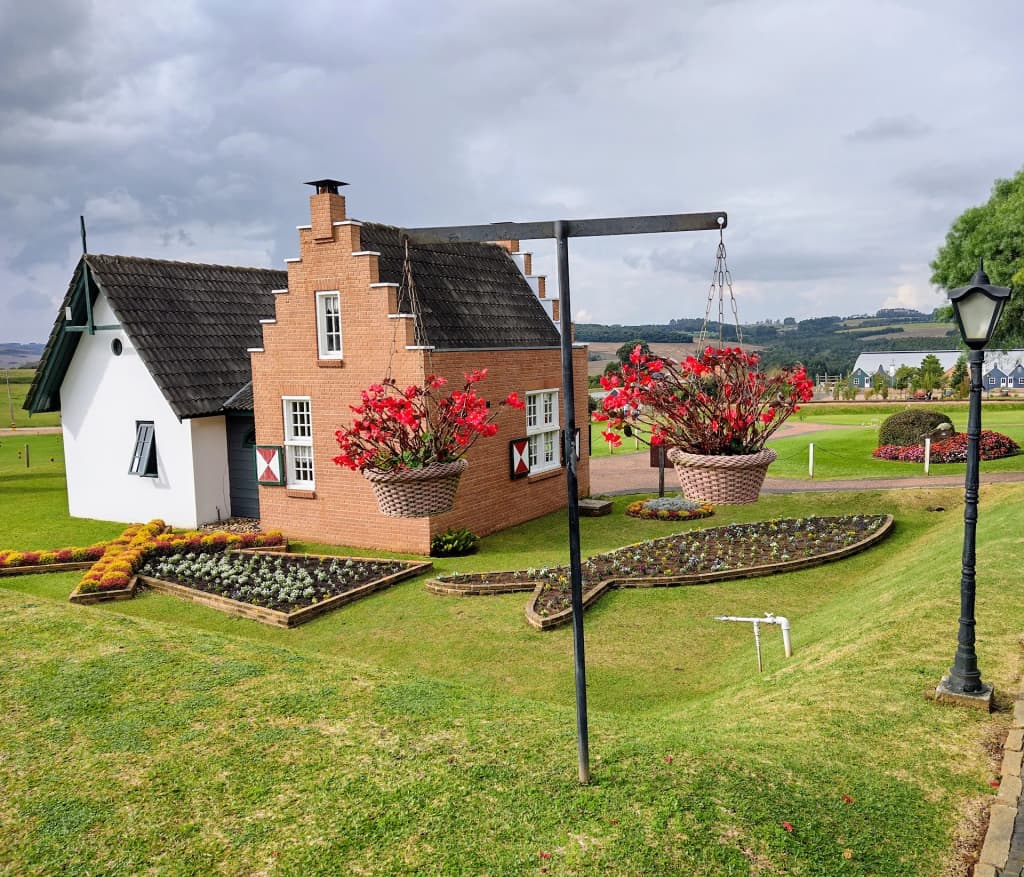
The air is thick with the scent of wet grass and something faintly sweet—lavender, maybe, or the promise of pastries. Parque Histórico de Carambeí opens up beyond the bridge, a patchwork of red-roofed houses and whitewashed barns scattered across the rolling Campos Gerais. The museum is the largest open-air historical park in Brazil, but it feels more like a village paused in time. I trail behind a family, their daughter skipping ahead to read the plaques, her voice echoing off the clapboard walls: “Why is the carpet on the table?”
A staff member smiles, explaining in careful Portuguese that Persian rugs were precious, so the Dutch settlers kept them on the table, away from muddy boots. The house smells of old wood and beeswax, the kind of scent that lingers in your clothes. Outside, chickens scratch in the dirt, and a rooster crows, sharp and insistent. The replica train station hums with the sound of a distant locomotive, a recording that makes you glance over your shoulder for a train that never comes.
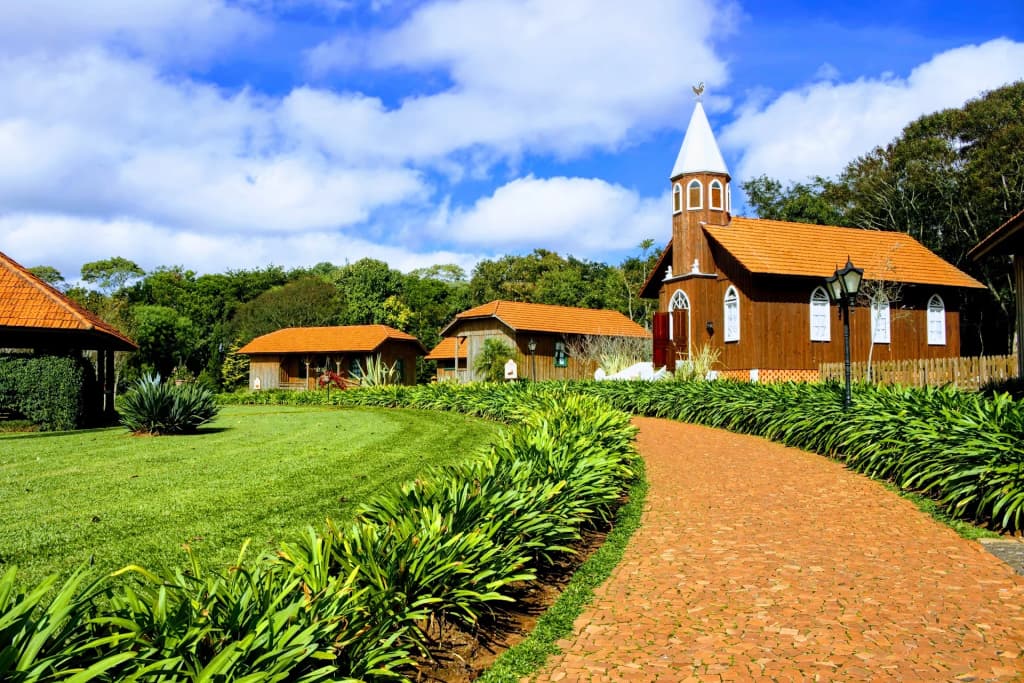
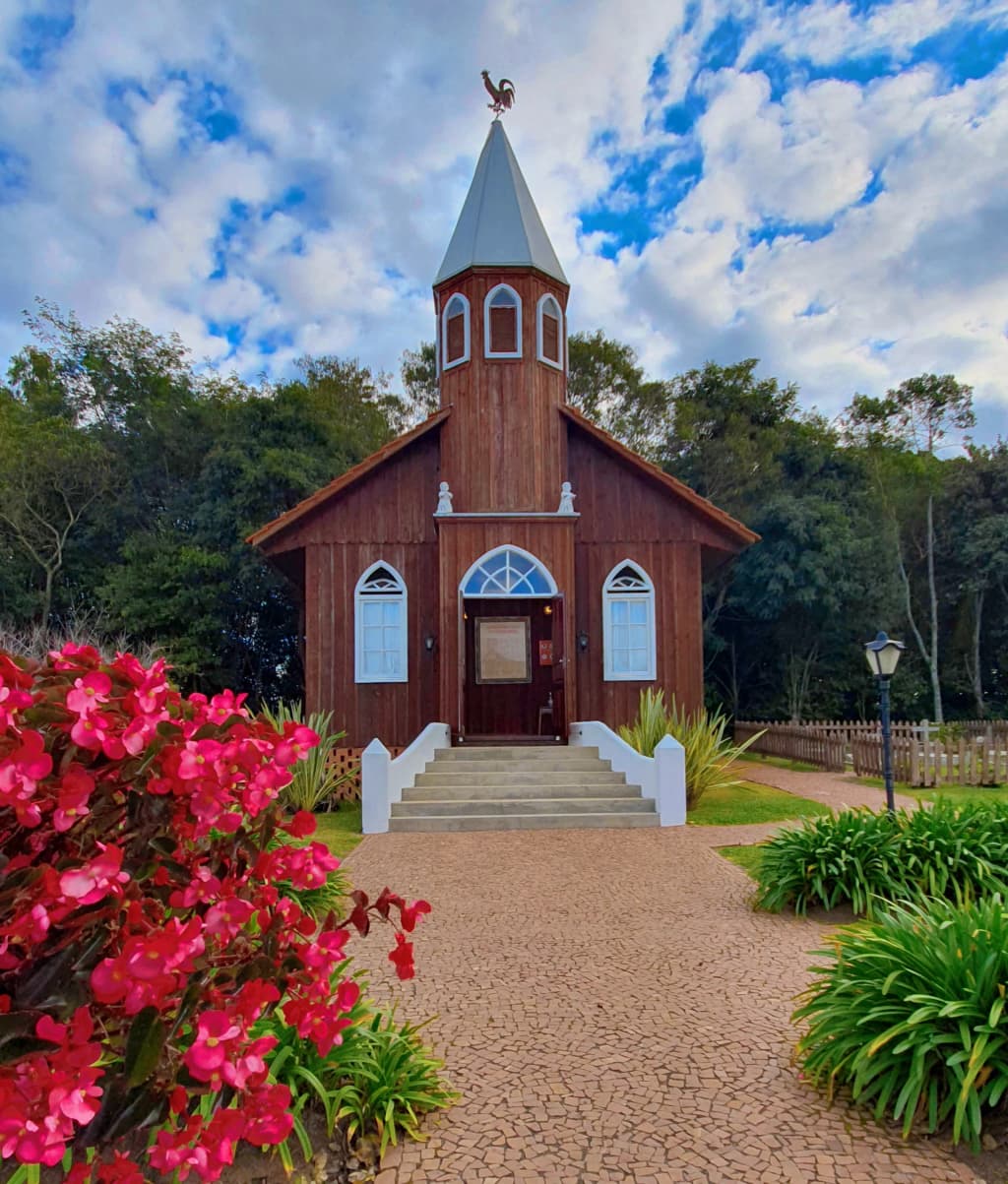
The park is sprawling—100,000 square meters of reconstructed history, from the first Protestant church (1900, whitewashed and simple) to the cemetery, its wooden crosses leaning in the wind. The self-guided tour is a slow unraveling of stories: a cheese room with wheels of Gouda aging on wooden shelves, a schoolhouse with tiny desks, a barn where the air is thick with the smell of hay and livestock. “You can read to me, Mama?” the little girl asks, tugging at her mother’s sleeve. Every building has a plaque, every plaque a fragment of a life once lived.
The cheese is sharp, creamy, and a little nutty—aged anywhere from thirty days to two years. I taste a sliver, the salt lingering on my tongue, and watch as a group of children press their noses to the glass, eyes wide at the wheels stacked like golden suns. The park’s restaurant is a swirl of languages and aromas: Dutch stamppot, Indonesian peanut sauce, Brazilian feijoada. I fill my plate with buttery potatoes, tamarind-braised beef, and a sweet-and-sour cabbage that tastes like a memory from someone else’s childhood. The buffet is priced by weight, but the flavors are heavy with history.
The road out of town is lined with fields, the sky opening up in a pale blue arc. Hat Dorp, the Dutch village, sits in the rural outskirts—a cluster of peaked roofs and tidy gardens, lavender spilling over the paths. The air here is different: lighter, tinged with the sharp, herbal scent of thousands of lavender plants. A breeze stirs the purple blossoms, and bees hover, drunk on the perfume.
A woman at the lavender museum holds out a tray of tiny bottles. “Spanish, Egyptian, Portuguese, English,” she says, letting me sniff each one. The Spanish lavender is the favorite—brighter, almost citrusy, a scent that lingers in the back of your throat. “You have a good nose,” she laughs, and her daughter grins, clutching a sachet to her chest. The shop is a riot of lavender: soaps, creams, candles, all made here except the essential oil, which is imported to keep up with demand.
There’s cheese here, too—Gouda with lavender, with herbs, with a tang that deepens the longer you let it melt on your tongue. I try a scoop of lavender ice cream, the color of spring violets, and it’s both floral and oddly sweet, like eating a memory of a garden. “It’s strange, isn’t it?” the girl says, wrinkling her nose. “Like eating a flower.”
The grounds are made for wandering: a wishing well, a time tower, a hammock strung between two trees where the wind rocks you gently. The redário, they call it—a place to rest, to let the afternoon drift by. The only urgency is the hum of bees and the distant laughter of children. If you want a picnic among the lavender, you can order a board of local cheeses and cold cuts, but you’ll need to book ahead. The park is open in the afternoons, and the entrance fee is modest—less than the price of a coffee in the city.
Back in the center of Carambeí, the scent of baking hangs heavy in the air. This is the capital of tortas, and the bakery windows are crowded with pies: strawberry and chocolate, banana and cream, golden crusts glistening with sugar. I order a slice of empadão de fraldinha, smoky and rich, and a cold cappuccino that tastes of summer. The place is crowded, the clatter of plates and laughter rising above the hum of the refrigerator. “Try the banana,” the waitress urges, sliding a plate across the table. “It’s not too sweet. Just right.”
The first bite is all texture—flaky pastry, cool cream, a hint of green banana. The chocolate torte is dense and bittersweet, the kind of dessert that lingers on your tongue long after the last forkful. Children dart between tables, faces sticky with jam, and outside, the afternoon sun glints off the red-tiled roofs.
There’s a faint smell of livestock in the air, a reminder that this is still a rural town, rooted in the land. The parking lot is full of dusty cars, and somewhere nearby, a cow lows, the sound drifting on the breeze. “It’s not always pleasant,” a local woman laughs, wrinkling her nose. “But it’s real.”
By late afternoon, the light softens, turning the fields gold. Children swing in the playground, parents linger over coffee, and the lavender glows in the slanting sun. Carambeí is a place for slow days and small discoveries—a bridge from one world to another, where Dutch history and Brazilian warmth meet in the scent of cheese, flowers, and fresh-baked pie. I lean back in the hammock, the wind cool on my face, and let the quiet settle in. For a moment, it feels like time itself has paused, just long enough to savor.
More Photos
More Adventures
 $50 - $120/day 2-3 days
 Earth, Fire, and Lavender: A Sensory Weekend in Cunha
Breathe in the lavender fields, taste alpine mountain beer, and feel the heat of traditional Japanese kilns in the mountain village of Cunha, São Paulo.
 $50 - $120/day 3-5 days
 Chasing Echoes and Gold Dust in Tiradentes, Brazil
Experience Tiradentes, Brazil through a sensory journey of colonial architecture, deep-rooted history, and the rich culinary traditions of Minas Gerais.
 $50 - $150/day 1-2 days
 Finding Holland in the Tropics: Two Days in Holambra
Discover Holambra, Brazil's unexpected Dutch enclave. Wander through luminous flower fields, towering windmills, and rich European history in São Paulo state.
 $50 - $150/day 1-2 days
 Conquer the Serra Verde Express: Brazil's Wildest Train
Ditch the tourist traps and ride the Serra Verde Express from Curitiba to Morretes. Discover ticket tips, seating secrets, and the best Barreado.