
Fading Leaves and City Lights: The Price of Autumn in Eastern Canada
A reflective 15-day journey through Toronto, Montreal, and Quebec City, breaking down the real costs of a road trip during the golden shoulder season.
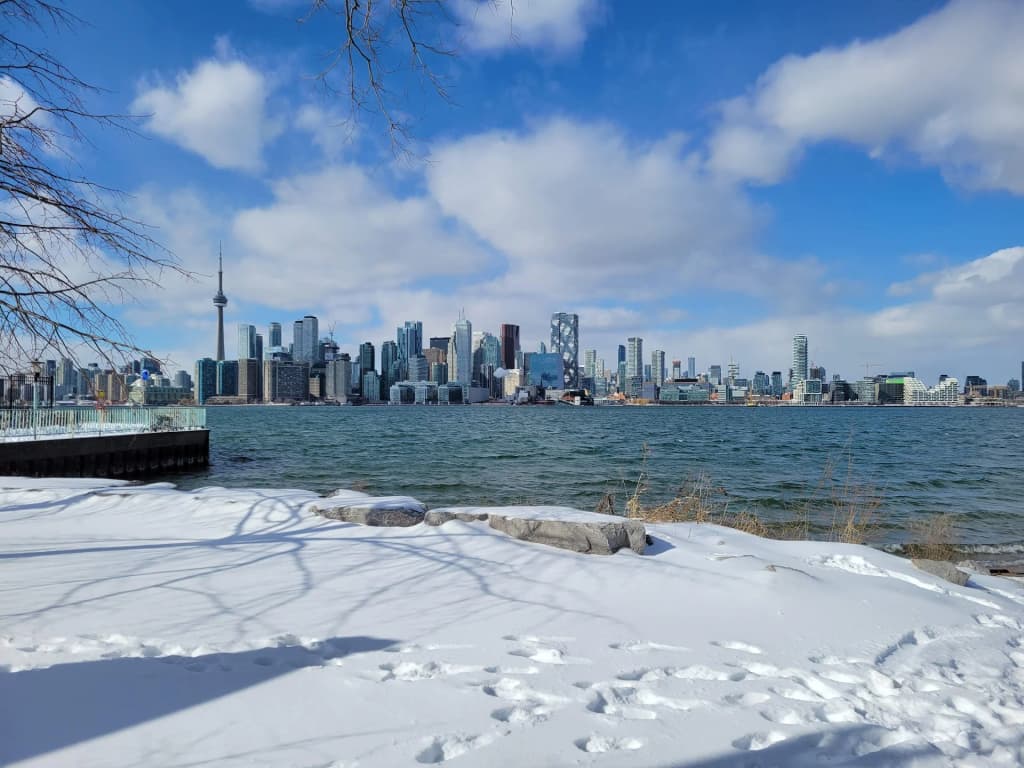
The wind off Lake Ontario carries a bite that wasn't there yesterday. It smells of cold deep water and the faint, sweet scent of roasting nuts from a vendor on the corner of Yonge Street. I pull my coat tighter. This is October in Toronto—the golden hour of the Canadian calendar. The summer crowds have dissipated, leaving behind a city that feels more lived-in, more authentic, and mercifully, slightly more affordable.
I am standing at the beginning of a fifteen-day arc that will stretch across the Eastern Corridor, from the glass canyons of Toronto to the historic stone walls of Quebec City. It is the classic route, the one that makes the most sense if you want to understand the heartbeat of this massive country without spending half your life on an airplane. But comfort here comes with a price tag, and I am here to find out exactly what that is.
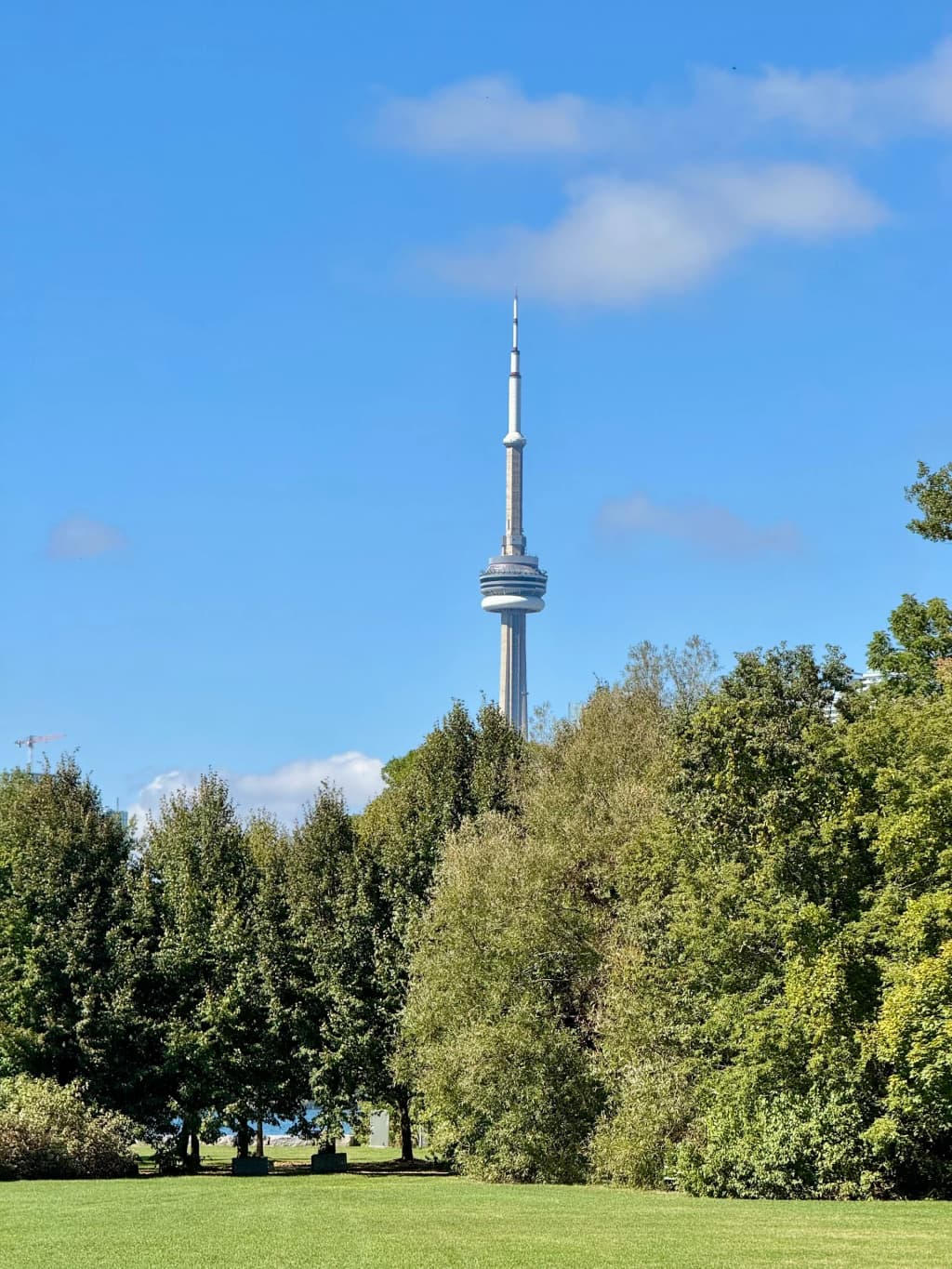
Planning a route like this—Toronto, Ottawa, Montreal, Quebec City—requires a certain surrender to logistics. The distances are deceptive. On a map, they look like neighbors; in reality, they are hours apart. Fifteen days feels right. It allows the rhythm of the trip to slow down, preventing that frantic, breathless pace that ruins so many vacations.
The financial reality hits as soon as you look for a place to sleep. In the city centers, where you want to be so you can walk to the markets and the museums, a decent room is a rare commodity. I find that staying in a three-star establishment—clean, safe, but hardly opulent—still commands a respectably high price. To secure something for under a hundred and fifty Canadian dollars a night per person often requires diligence, or perhaps settling for a place where the charm is found in the staff rather than the furnishings. But then again, I am here to see the city, not the wallpaper.
There is a romance to the Canadian highway that I hadn't anticipated. While the trains here run with efficient grace, offering a stress-free way to glide between metropolises, I find myself drawn to the freedom of a car. Renting an SUV for the journey changes the texture of the trip entirely. It transforms the transit from a chore into an experience.
Driving allows for the unexpected stop—a roadside stand selling apple cider, a lookout point over a valley of firing red maples. The cost, surprisingly, balances out if you are traveling as a pair. Between gas and the rental, it rivals the price of train tickets, but the currency here is autonomy. The roads are wide and well-maintained, and the landscape in autumn is a painting in motion.
"You're late for the real warmth," the barista tells me in Montreal. He is wiping down the counter with a rhythmic circular motion, the steam from the espresso machine clouding the space between us.
"I like the cold," I lie, warming my hands on the ceramic mug.
He laughs, a short, sharp sound. "Good. Because the prices drop with the temperature. You stay for dinner?"
"Depends on the price," I say.
"Eat where we eat," he advises, pointing toward a smaller street away from the tourist hub. "The wine is cheaper there, too. And the stories are better."
Food is the great variable. You can survive here on fifty Canadian dollars a day if you are disciplined—supermarket sandwiches, coffee from a chain, perhaps a slice of pizza standing up on a windy corner. But to deny yourself the food culture of Montreal or Toronto feels like a sin. I prefer to budget closer to a hundred dollars a day. This buys the sit-down dinner, the glass of wine, the extra pastry. It allows for dignity at the table. It allows you to taste the city, not just survive it.
No journey through this corridor is complete without bowing to nature. Niagara Falls is touristy, yes, but it is also elemental. Standing near the edge, feeling the spray on your face, the sheer violence of the water renders the cost of the ticket irrelevant. It is one of the few paid excursions that feels mandatory.
For everything else, the cities themselves are the museums. I spend my days on free walking tours, letting locals guide me through the history of Parliament Hill in Ottawa or the cobblestones of Old Quebec. It’s a budget hack, certainly, but it also connects you to the pavement in a way a bus tour never could.
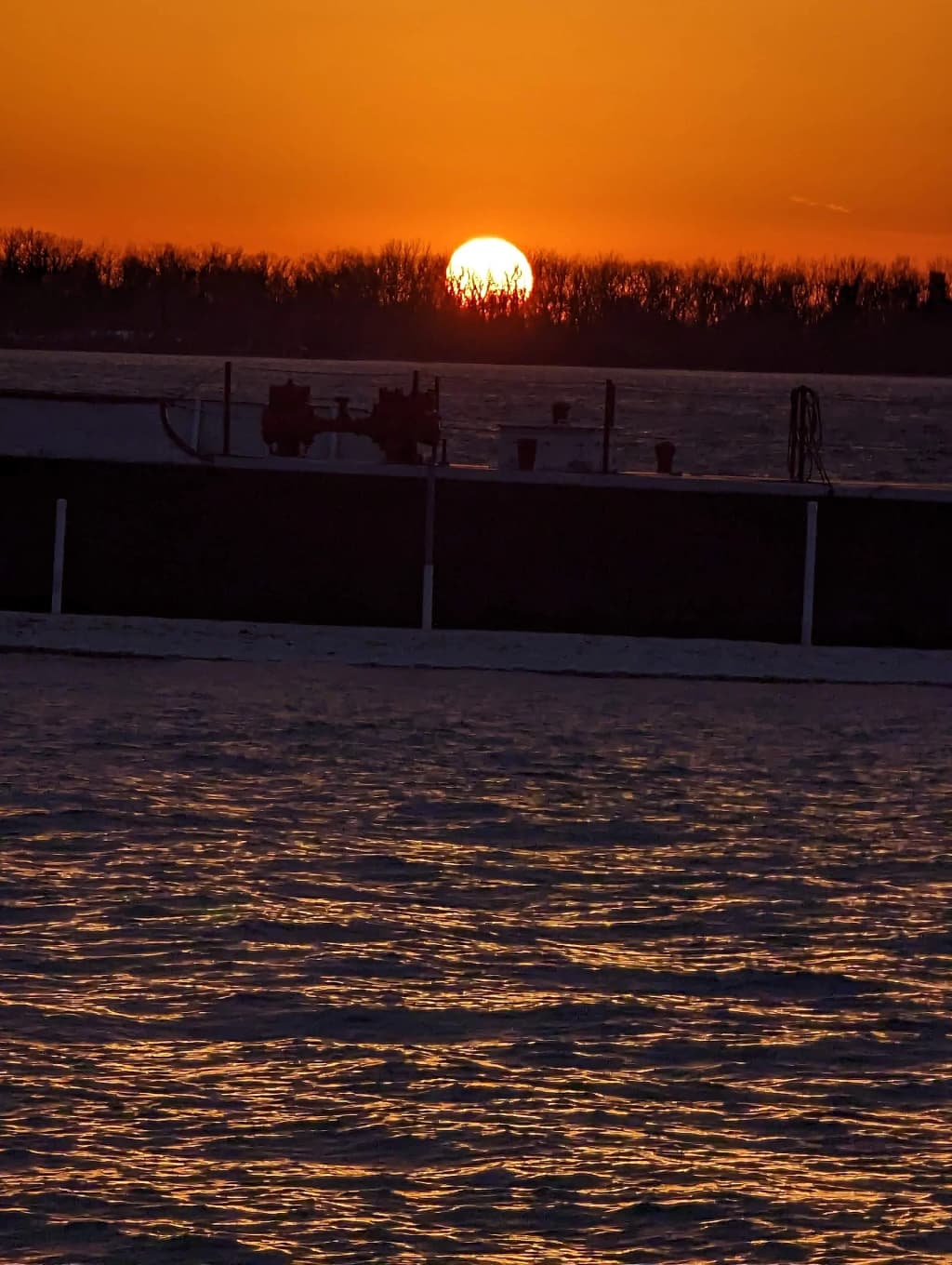
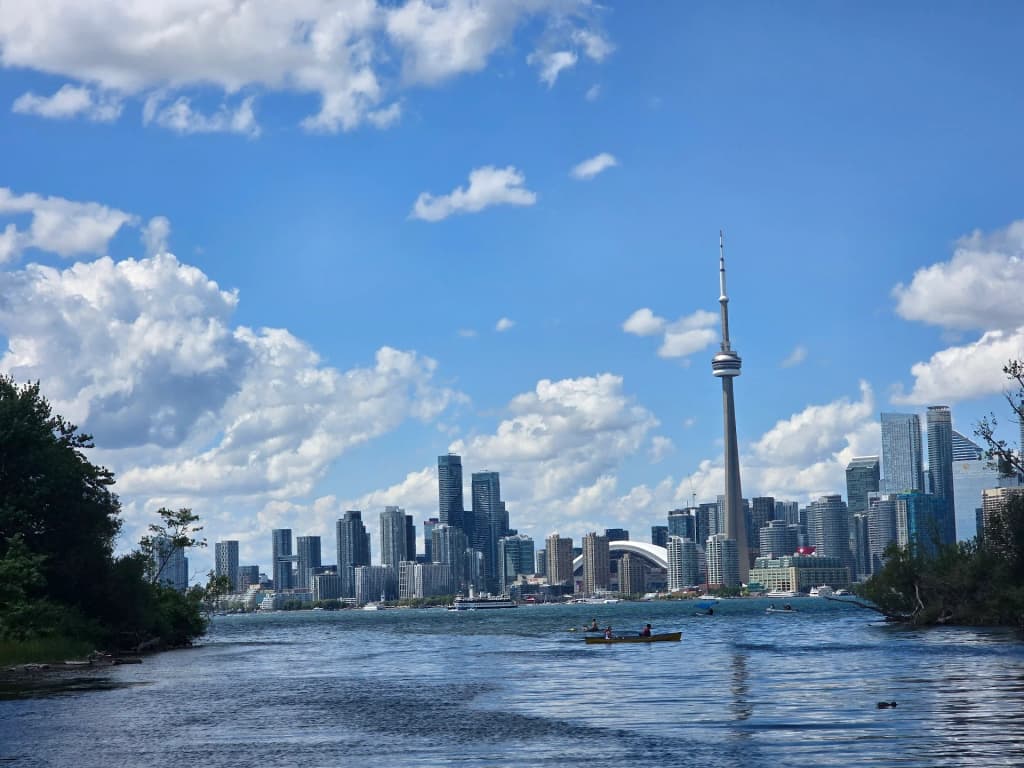
When I tally the ledger at the end of the fortnight, the numbers are significant. A comfortable trip, one with good food, a reliable car, and safe hotels, runs high—perhaps three thousand Canadian dollars or more per person when you account for every coffee and toll road. It is not a budget destination in the traditional sense. But as I watch the lights of the Toronto skyline flicker on one last time, reflecting in the dark water of the lake, the cost feels like an exchange of value rather than a loss. You pay for the safety, the beauty, and the crisp, clean air of the North.
More Photos
More Adventures
 $50 - $120/day 3-5 days
 Chasing Echoes and Gold Dust in Tiradentes, Brazil
Experience Tiradentes, Brazil through a sensory journey of colonial architecture, deep-rooted history, and the rich culinary traditions of Minas Gerais.
 $40 - $120/day 3-5 days
 Shadows and Gold: Walking the Living History of Ouro Preto
Wander the steep cobblestone streets of Ouro Preto, where Baroque masterpieces, subterranean gold mines, and a dynamic culinary scene breathe life into history.
 $40 - $80/day 4-6 days
 Forget the Beaches: Why Curitiba is Brazil's Ultimate Adventure
Skip the crowded tourist traps. Discover Curitiba, Brazil's green capital, featuring gravity-defying architecture, epic train rides, and budget thrills.
 $80 - $250/day 4-7 days
 The Quiet Art of Experiencing Paris on a Budget
Discover how to experience the romance of Paris without breaking the bank, from secret bakery rituals to navigating the city's economic rhythms.