
The Price of Paradise: Finding the Soul of Noronha
Fernando de Noronha demands a high price for entry, but beneath the environmental taxes and luxury menus lies an island of humble meals and priceless sunsets.
The wind off the Atlantic carries the sharp tang of salt spray and sun-baked red earth. I grip the metal roll bar of the rented buggy as we rattle down a deeply rutted dirt track, the engine whining against the incline. It costs around four hundred reais a day for this open-air privilege, a steep price for a vehicle that feels like it might shake apart at any moment. But as we crest the hill and the horizon fractures into jagged emerald peaks plunging into impossible turquoise, the cost dissolves into the rushing wind. You don't come to Fernando de Noronha expecting a bargain; you come expecting a revelation.
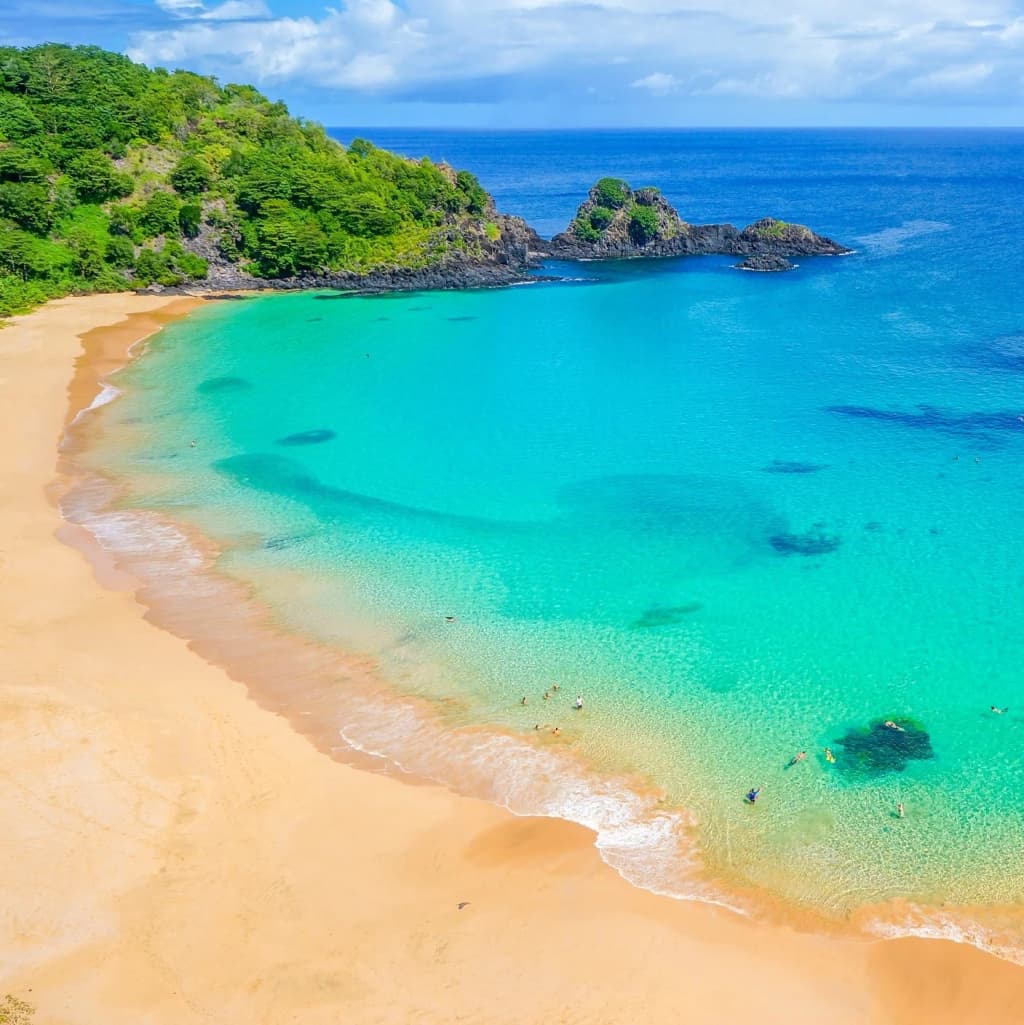
Paradise, it turns out, has a meticulously calculated price tag. Before you even feel the powdery sand beneath your feet, the island demands its toll. There is the environmental preservation tax—roughly a hundred and one reais for every night you sleep here—collected to ensure the delicate ecosystem isn't loved to death by mass tourism. Then comes the National Park pass, another hundred and eighty-six reais, a one-time fee that unlocks ten days of access to the most staggering stretches of coastline on earth, like the legendary Baía do Sancho. When you swipe your card, it stings slightly. But then you wade into waters so clear you can count the ridges on the shells twenty feet below, and you realize you aren't paying an entrance fee; you are paying a ransom to keep this place wild.
The midday sun beats down, heavy and thick, pushing everyone toward the shade of the almond trees. Down by the cove, the oceanfront restaurants are bustling, serving elaborate seafood dishes that easily command up to two hundred reais a plate. But I follow the scent of garlic, slow-simmered black beans, and roasting meat up a quiet side street.
"You're paying for the view down there," Maria says, wiping her hands on an apron dusted with flour. She gestures vaguely toward the high-end establishments below. "But up here, you eat what we eat."
"It smells incredible," I tell her, watching as she scoops a generous mound of rice into a styrofoam box, topping it with a golden, crispy piece of chicken.
She laughs, a rich, warm sound that competes with the sizzle of her small grill. "Thirty-five reais. And I promise it will keep you full until tomorrow."
I hand her the cash and take the heavy marmita, finding a spot on a low stone wall to eat. The food is humble, deeply comforting, and tastes infinitely better than the price suggests. I wash it down with a cold twenty-real beer, the condensation dripping onto my dusty sandals. For those willing to step away from the polished tourist trails, the island reveals a softer, more accessible rhythm. The local bus rumbles past, a modest five-real ride across the island, while fixed-rate taxis ferry visitors between coves for twenty-five to forty reais. And there is always the island's unofficial currency of transport: an outstretched thumb. Hitchhiking here isn't just free; it is an invitation to share a few minutes of conversation with a stranger.
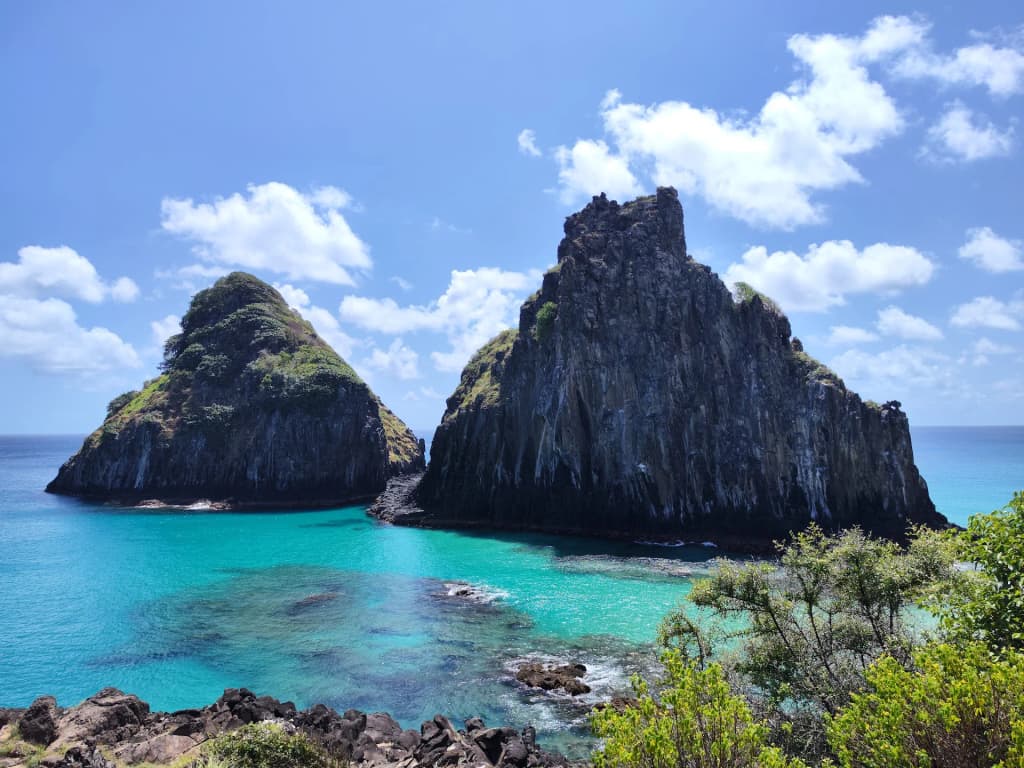
By late afternoon, the heat breaks. Out on the water, traditional Hawaiian canoes slice through the swell, their crews having paid two hundred and twenty reais for the chance to paddle alongside spinner dolphins. Further out, larger boats chase the fading light, offering collective sunset tours for slightly more. But I make my way toward the Fort of Our Lady of Remedies.
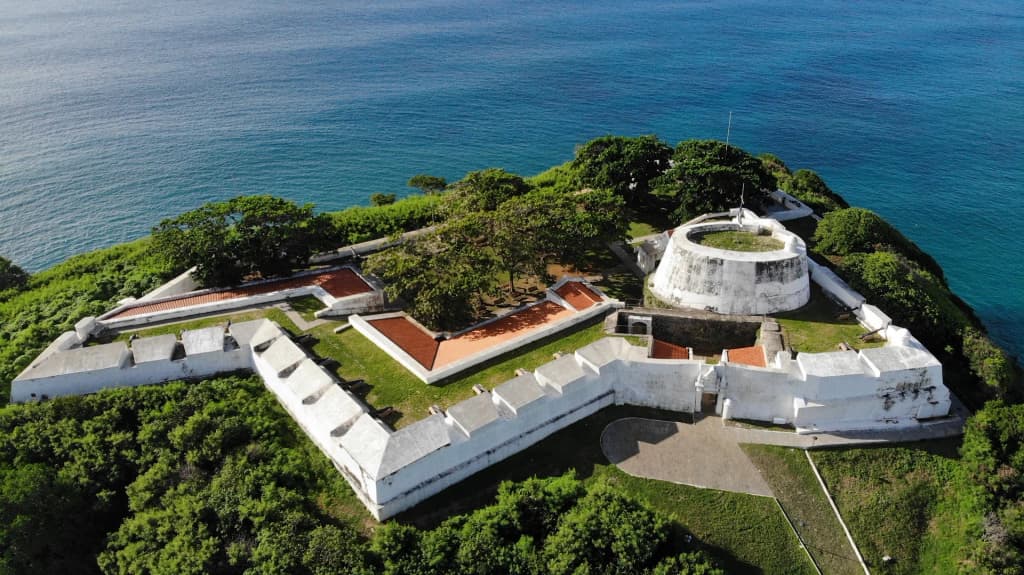
The heavy stone walls of the 18th-century fortress glow a fiery amber in the descending sun. Entry is a hundred reais, a detail that makes some travelers balk. Why pay to watch the sun go down when the sky is free? But as I step into the courtyard, the answer becomes clear. It is Sunday, and the air is pulsing with the unmistakable, syncopated rhythm of live samba.
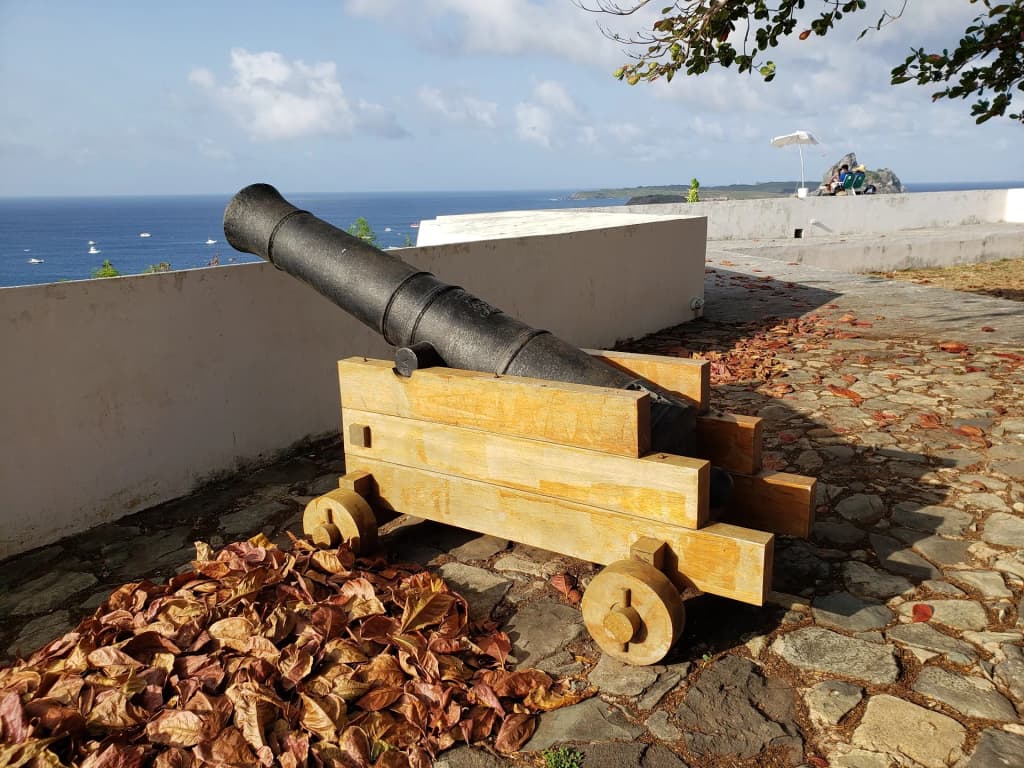
The music wraps around the ancient cannons and spills out over the cliff edge. Locals and visitors blur together in a swaying mass of tanned shoulders and spilled drinks. The sky shifts from pale blue to violent streaks of magenta and burnt orange. I lean against the rough, sun-warmed stone, listening to the collective cheer that erupts as the sun finally dips below the ocean's horizon. Fernando de Noronha asks a lot of your wallet, it's true. But as the drums echo into the warm tropical night, you realize it gives you back exactly what you came looking for: a profound, overwhelming reminder of what it feels like to be alive.
More Photos
More Adventures
 $40 - $80/day 2-4 days
 Boa Vista: Exploring the Amazon's Fan-Shaped Frontier City
Experience the unexpected beauty of Boa Vista, Roraima. Discover Macuxi indigenous crafts, the unique Lavrado biome, and sunset boat tours on the Rio Branco.
 $40 - $150/day 20-30 days
 Conquer Thailand: The Ultimate 20-Day Blueprint
Skip the tourist traps. Grab your backpack. This is your high-energy, no-BS guide to dominating Thailand in 20 days. Get ready to sweat.
 $33 - $50/day 14-60 days
 The Raw Truth About Budgeting for Bali
Think Bali is too expensive? Think again. Get the raw, unfiltered truth about backpacking Indonesia on a $33 daily budget. Pack your bags and ride.
 $50 - $120/day 3-5 days
 Chasing Echoes and Gold Dust in Tiradentes, Brazil
Experience Tiradentes, Brazil through a sensory journey of colonial architecture, deep-rooted history, and the rich culinary traditions of Minas Gerais.