
Stone Streets and Sweet Legends: A Weekend in Goiás
Wander Goiás’ stone alleys, taste empadão and sweets, and meet the city’s poetic soul. A weekend of history, flavors, and family warmth in Brazil’s heart.
The stones underfoot are uneven, warm from the afternoon sun, and every step echoes with the hush of centuries. I pause at a corner where the scent of guariroba and roasting pork drifts from a kitchen window, mingling with the sharper tang of dust and old wood. A woman in a blue apron leans out, her voice carrying over the clatter of a distant church bell. “You’re not from here,” she says, not unkindly. I shake my head, smiling. “But I wish I was.”
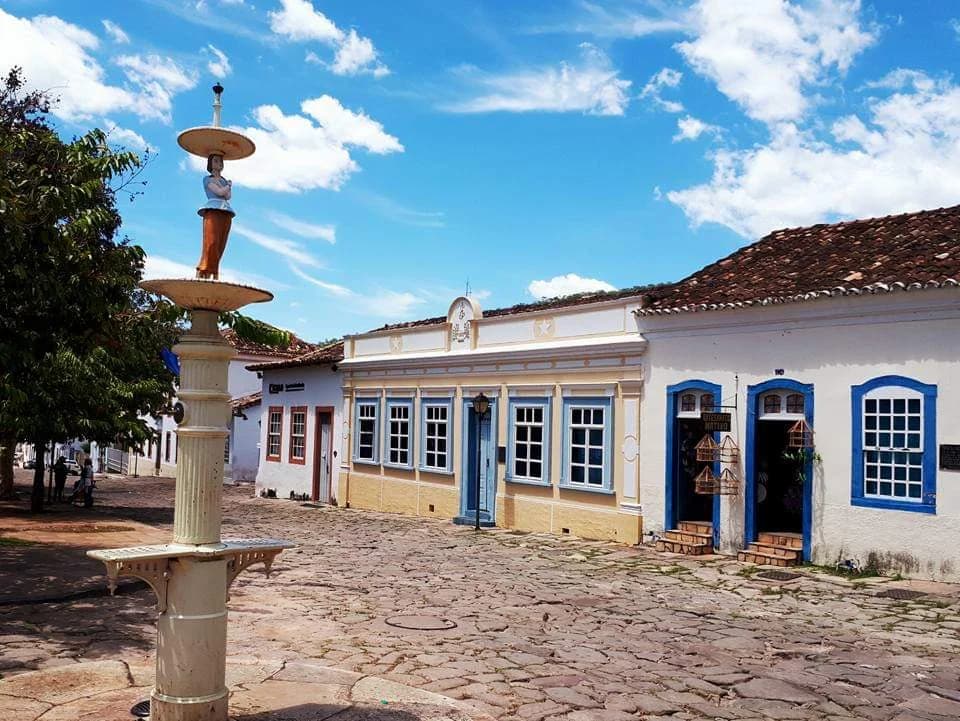
The city of Goiás—once the state’s capital, now a living museum—unfolds in slow, deliberate scenes. Mornings begin with the hush of mist over the serrado, the mountains rising like old guardians around the town. The historic center is a patchwork of pastel houses, their facades inscribed with poetry. Cora Coralina’s words, painted in looping script, catch the light on Rua Dom Cândido. Her house, now a museum, sits quietly by the river, its doors opening at nine sharp, fifteen reais in hand, cash only. Inside, the air is thick with the scent of old paper and sugar, the legacy of a poet who baked as fiercely as she wrote.
I wander without hurry, letting the city reveal itself. The stones of the alleys are slick from last night’s rain, and the air is cool, tinged with the promise of afternoon heat. On a whim, I duck into Cabôcla Milena Curado’s shop, drawn by the riot of color in the window. Embroidered cloths hang like banners, each stitch a story. Milena herself is there, her hands busy, her eyes bright. “This is more than craft,” she tells me, showing a piece made by a woman learning to stitch hope inside prison walls. “It’s citizenship.”
Outside, the city hums with quiet industry. Church bells mark the hours. In the Praça do Coreto, children chase pigeons while old men sip coffee under the shade of jacarandas. The Sorveteria do Coreto has been here for over a century, its walls cool and thick, the air inside sweet with fruit and nostalgia. Nem, the owner, grins as he hands me a scoop of baru nut ice cream. “All family here,” he says, pride in every syllable. “Try the mangaba next. It tastes like the fruit, doesn’t it?”
I close my eyes and let the cold, tart sweetness melt on my tongue. The flavors are wild, unfamiliar—cupuaçu, araçá, cajazinho—each a memory of the serrado, each a story told in sugar and sun.
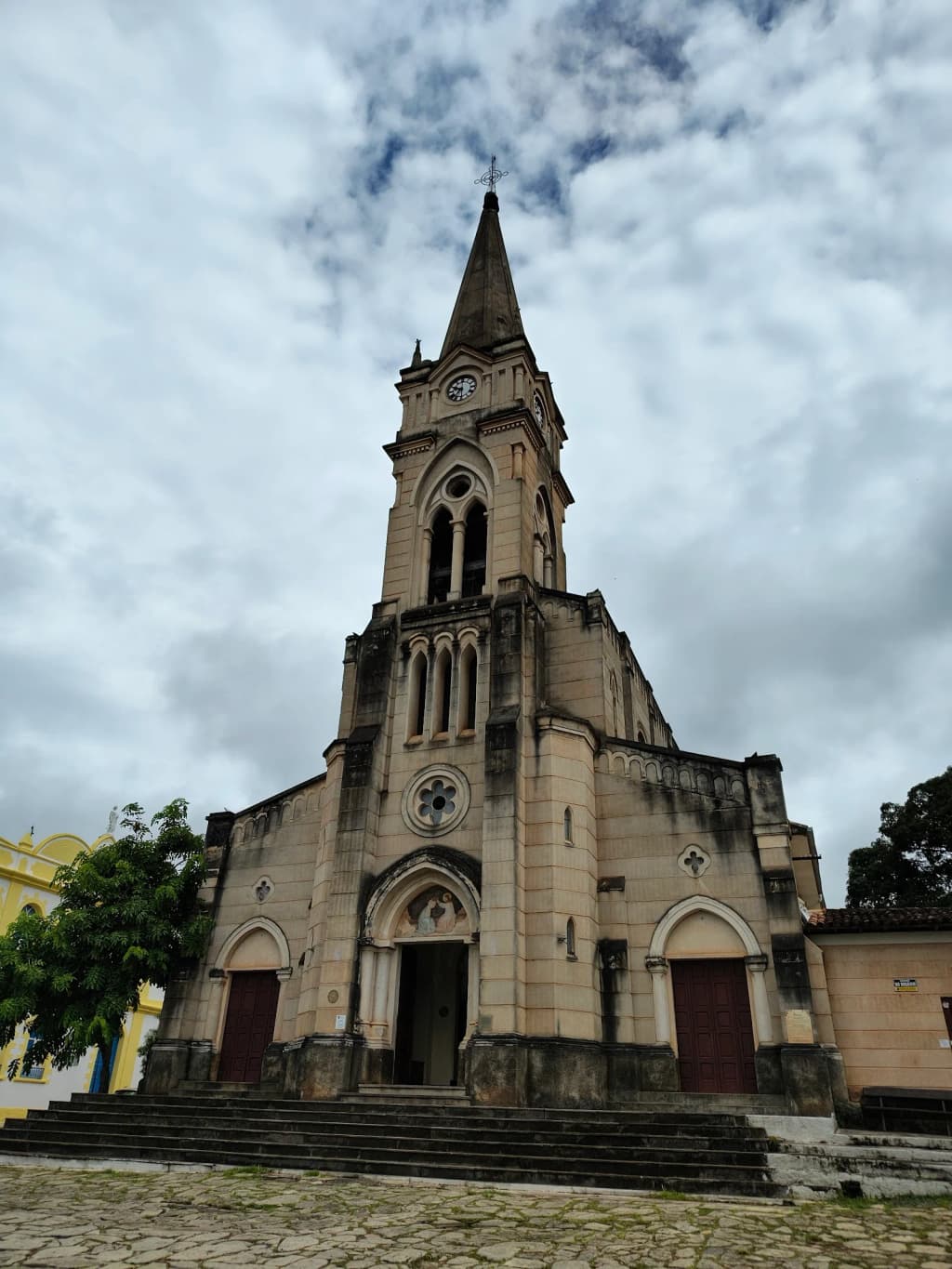
The afternoon is for wandering. I pass the Palácio Conde dos Arcos, its white walls gleaming, the air inside heavy with the scent of polished wood and old paper. My guide, Rafael, gestures to a faded painting. “This was the first governor,” he says, voice low in the echoing hall. “And here, the decree that moved the capital to Goiânia. It broke many hearts, but it saved the city’s soul.”
He leads me through rooms where the past lingers in every detail—the carved imperial crest, the heavy doors, the hush of reverence. “Once a year,” Rafael says, “the governor returns. For a day, Goiás is capital again.”
We step back into the sunlight, the city’s colors brighter after the dimness inside. The streets are alive with the sound of footsteps, the laughter of schoolchildren, the distant strains of a guitar. At the Museu das Bandeiras, I run my fingers along the cool stone of a former jail cell, the air thick with stories of justice and rebellion.
Evening falls with a hush. The city glows gold under the warm, subterranean lights—an echo of the days when kerosene lamps flickered at every corner. I climb to the Mirante Saia Dourada, the lookout, where the wind smells of grass and distant rain. Below, the rooftops huddle together, the river winding through them like a silver thread. The Serra Dourada looms on the horizon, its slopes catching the last light.
At Pousada Vila Boa, I sink into a wide bed, the air cool from the old stone walls. Breakfast will be strong coffee and sweet cheese bread, the pool glinting in the morning sun. Everything is within walking distance—the museums, the churches, the little shops where artisans sell dreams stitched in thread and clay. The pousada’s 4.8 rating on Google feels earned, not bought.
The next day, I join Rafael for a guided walk. He tells the city’s story as if it’s his own—how the name Goiás once ended with a Y and a Z, how the city slept for decades after the capital moved, how that sleep preserved its beauty. “We are vilaboenses,” he says, “named for Vila Boa, the good town.”
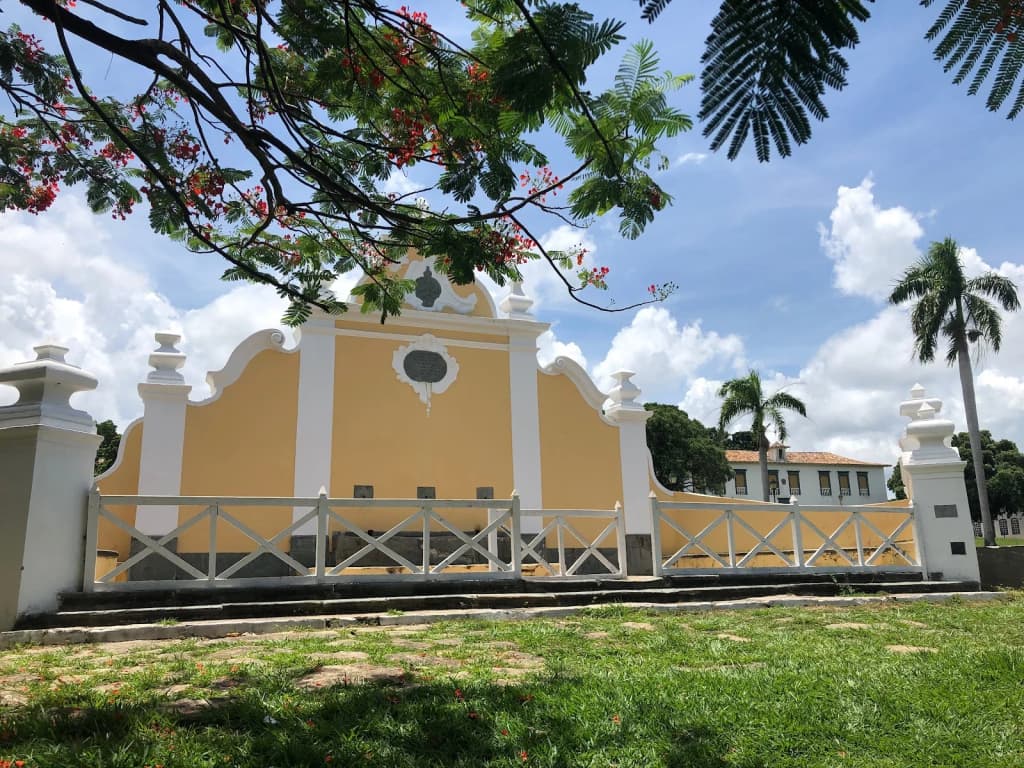
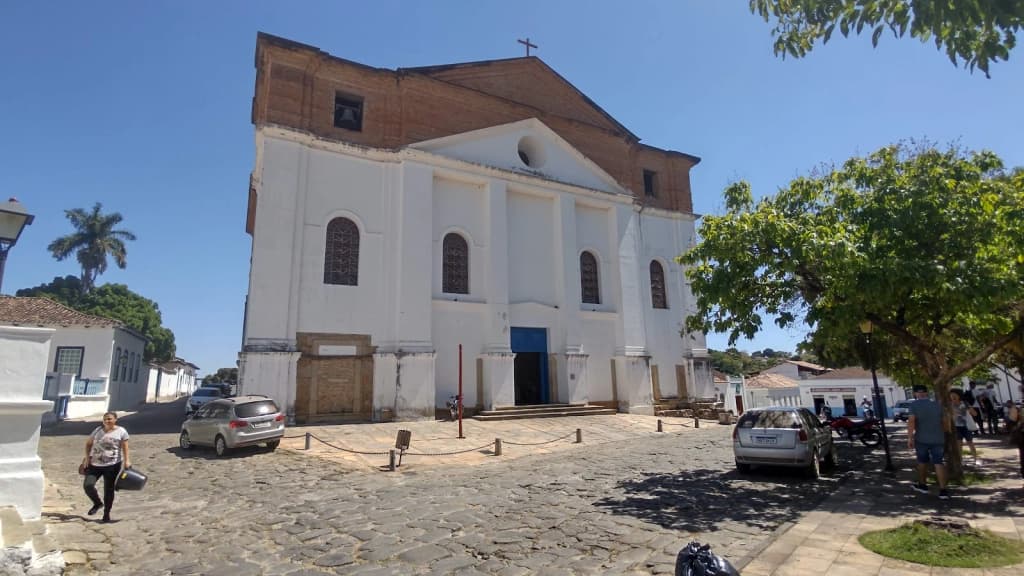
We visit the Cathedral of Santana, its white spires rising against the blue, and the Church of São Francisco de Paula, where the ceiling is a riot of painted miracles. At the Praça do Chafariz, I cup my hands under the old fountain, the water cold and clear, imagining travelers of centuries past washing away the dust of the road.
No visit is complete without tasting the city’s soul. At a small shop, Tatiane offers me a plate of sweets: limão recheado with doce de leite, pastelinho dusted with cinnamon. “Cora Coralina taught my mother-in-law,” she says, pride and gratitude mingling in her voice. “These recipes paid for my daughter’s education.”
The limão is sharp, the filling rich and creamy, the pastelinho crisp and sweet. I close my eyes and taste the past—sugar, citrus, the warmth of a kitchen where poetry and pastry are one and the same.
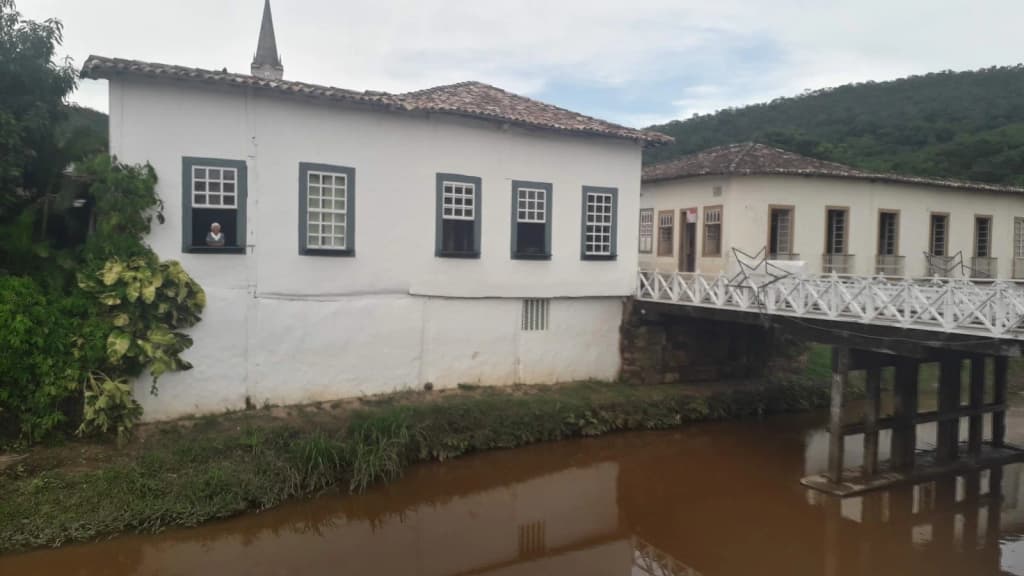
Night falls again, and the city is transformed. The warm lights cast long shadows, the air is soft, and the streets are almost empty. I sit beside the statue of Cora Coralina, her bronze gaze fixed on the river, and listen to the hush of the city settling into sleep. The past is not gone here—it lingers in every stone, every recipe, every poem scrawled on a sunlit wall.
I think of the words I read that morning, painted in blue on a crumbling facade: “I am made of retalhos, of scraps, of memories.” In Goiás, you are invited to gather those scraps, to taste, to listen, to remember. And as the night deepens, I find myself wishing, just a little, that I could stay longer, and belong.
More Adventures
 $50 - $150/day 1-2 days
 Conquer the Serra Verde Express: Brazil's Wildest Train
Ditch the tourist traps and ride the Serra Verde Express from Curitiba to Morretes. Discover ticket tips, seating secrets, and the best Barreado.
 $50 - $120/day 2-3 days
 Earth, Fire, and Lavender: A Sensory Weekend in Cunha
Breathe in the lavender fields, taste alpine mountain beer, and feel the heat of traditional Japanese kilns in the mountain village of Cunha, São Paulo.
 $50 - $120/day 3-5 days
 Chasing Echoes and Gold Dust in Tiradentes, Brazil
Experience Tiradentes, Brazil through a sensory journey of colonial architecture, deep-rooted history, and the rich culinary traditions of Minas Gerais.
 $40 - $120/day 3-5 days
 Shadows and Gold: Walking the Living History of Ouro Preto
Wander the steep cobblestone streets of Ouro Preto, where Baroque masterpieces, subterranean gold mines, and a dynamic culinary scene breathe life into history.