
Chasing Tides and Ancient Stones on Brazil's Coral Coast
Discover the sensory magic of Brazil's Costa dos Corais in the off-season. Explore Maragogi's natural pools, ancient ruins, and Japaratinga Resort.
The wooden planks of the jangada groan against the gentle pull of the tide. Salt spray dots my sunglasses, carrying the heavy scent of the deep Atlantic mixed with the metallic tang of impending rain. We are floating toward Crôas de São Bento, a secluded sandbank just five minutes from where we are staying, riding the ocean on a traditional sailing raft. The water beneath us is a shifting canvas of turquoise and slate, disturbed only by the August breeze. Looking back, the coastline of Alagoas is a blur of deep green palm trees leaning over white sand, a wild frontier meeting the sea.
"You are visiting in the rainy season," the boatman says, his calloused hands expertly adjusting the triangular sail. The canvas snaps sharply as it catches a gust of wind. "The water is usually like glass this time of year, but August brings the clouds."
"I don't mind it," I tell him, wiping a drop of sea spray from my cheek. "It makes the ocean feel more alive."
He smiles, pointing toward a shallow stretch he calls the corridor of beauty. "Just wait until the tide hits zero-point-three. You'll see the magic."
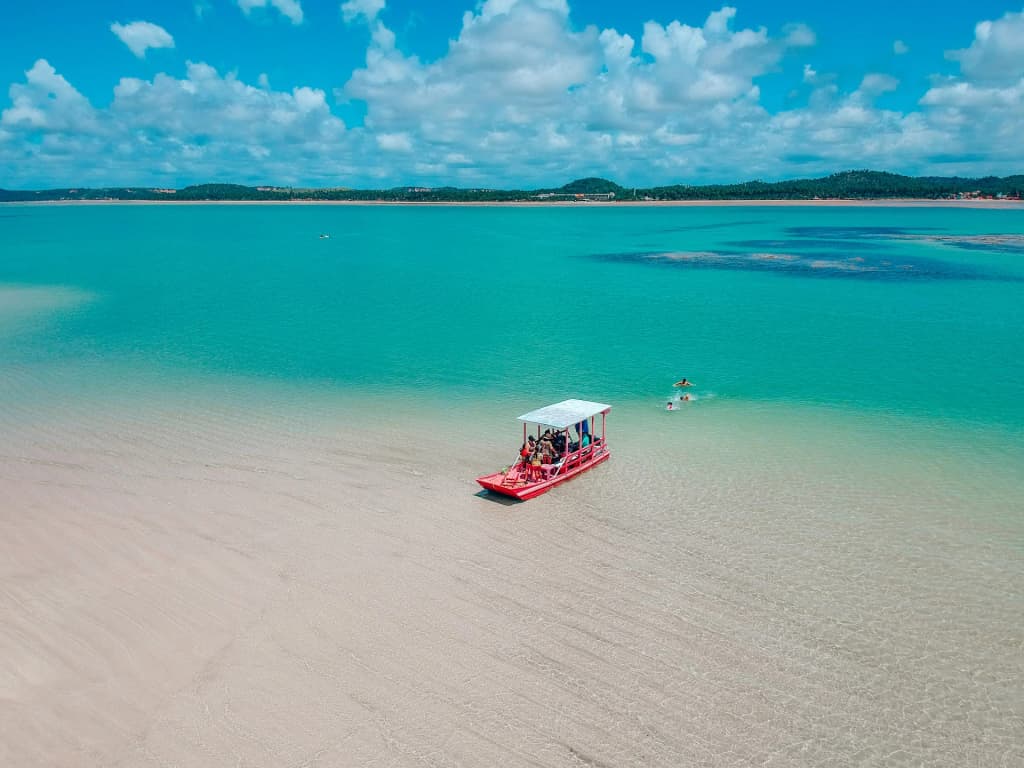
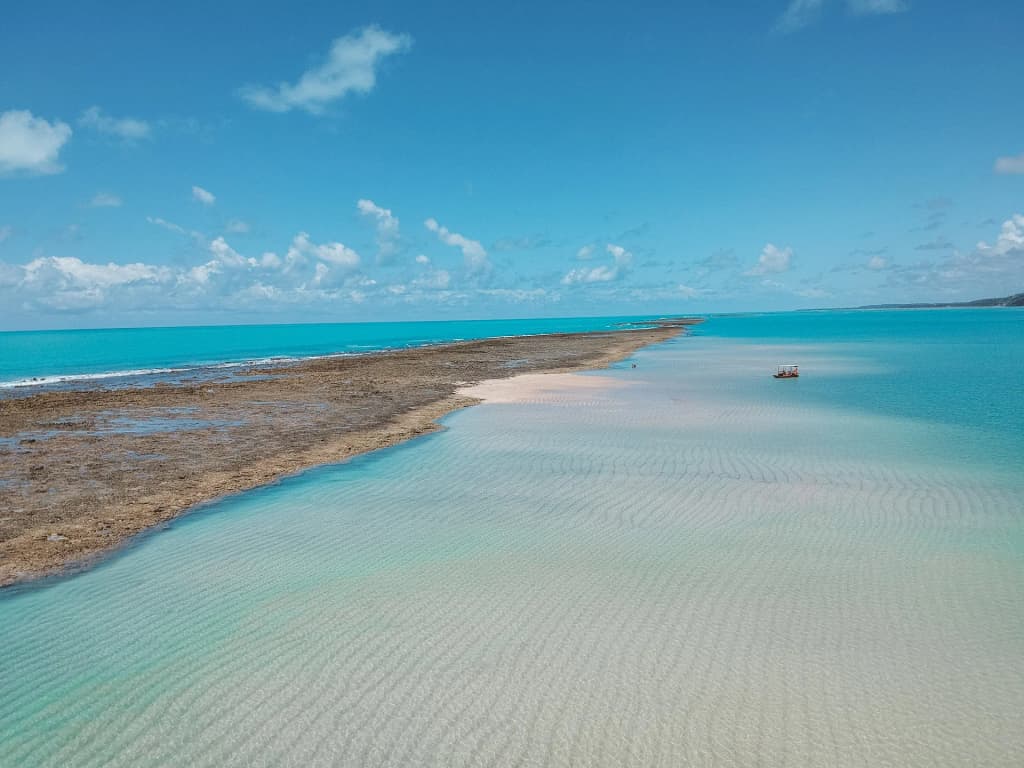
As the water recedes, the ocean floor reveals itself, creating a temporary island where you can walk ankle-deep in the middle of the sea. There is a profound silence out here, broken only by the lapping of small waves and the distant hum of marine life moving through the coral. The sand is ribbed and soft underfoot, teeming with tiny, translucent crabs that scatter at our approach. It feels like standing on a secret continent that only exists for a few hours a day, entirely dictated by the moon and the tide.
Back on the mainland, the heavy tropical air gives way to the scent of roasting coffee beans and sweet, buttery pastries. It is nearly eleven at night inside the Japaratinga Lounge Resort, and Café Moendo is still humming with quiet conversations. The amber lights cast a warm glow over the heavy wooden tables, offering a cozy refuge from the cool coastal night. I order an espresso, the dark liquid sharp and complex, melting away the chill of the evening breeze. This is the beauty of an all-inclusive sanctuary that doesn't feel like a factory; the food and premium drinks flow endlessly, twenty-four hours a day, inviting you to graze and sip whenever the mood strikes.
They have thought of everything here, smoothing out the physical edges of travel. Ramps weave elegantly through the eighty-seven thousand square meters of lush grounds, making the entire property entirely accessible for wheelchair users. You never feel rushed, never feel crowded. Even the bustling highway that separates the resort from the shoreline is rendered invisible by a brightly lit underground tunnel. You simply walk beneath the earth, the sound of traffic fading into nothing, emerging safely on the other side directly onto the private sands of their Beach Club. The transition from manicured luxury to raw nature is seamless, allowing the mind to rest completely.
The morning sun fights through the coastal overcast as we leave the car beneath the shade of a sprawling tree in Barra Grande. It is a quiet, practical alternative to navigating the crowds and paying the steep parking fees at the main entrance of Praia de Antunes. From here, it is just a five-hundred-meter stroll down the shoreline. The sand is cool and compact beneath our bare feet, the rhythmic crash of the waves drowning out the distant chatter of beachgoers. To our left, thick tropical foliage spills almost to the water's edge.
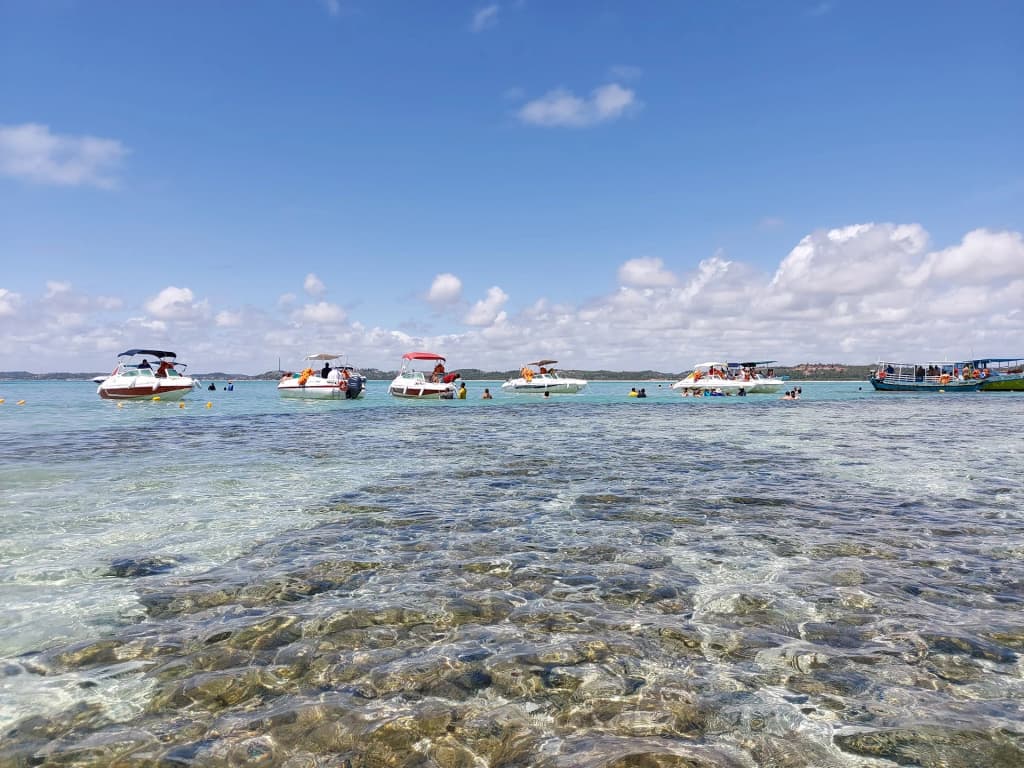
Antunes reveals itself in stages—first the iconic leaning palm trees framing the horizon, then the startling blue of the water, and finally the small boats waiting to ferry travelers out to the natural pools of Maragogi. We join Cris, our guide at the Pontal Maragogi support point, who navigates us toward the Taocas pool. The boat engine purrs as we cut through the chop.
Even with the milky tint brought on by the recent rains, the underwater world is mesmerizing. Slipping over the side of the boat, the water is warmer than the air. Schools of silver fish dart through the intricate coral formations, flashing like coins dropped in a fountain. Cris mentions that to see the water at its absolute clearest, you have to return between November and February, but standing here now, waist-deep in the warm Atlantic, it is hard to imagine the scene being any more beautiful.
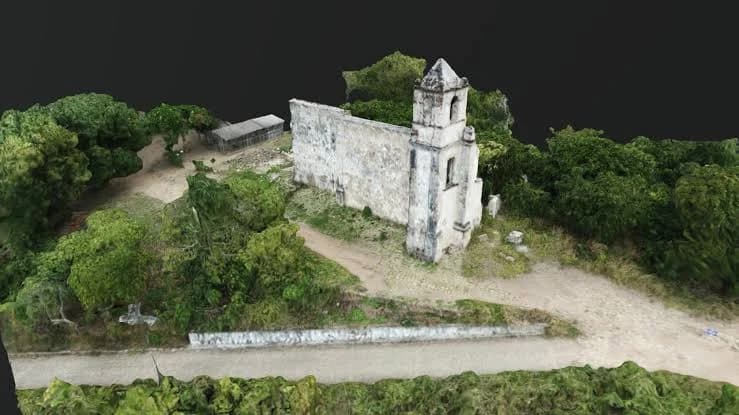
The stone is rough and warm beneath my fingertips, holding onto the last light of the afternoon. We have come to the Ruins of São Bento Church, a skeletal remnant of colonial history standing quietly against the encroaching jungle. Only a few towering walls remain, framing the sky like a cinematic backdrop. The smell of damp earth and decaying leaves hangs heavy in the air, a sharp contrast to the salty breeze of the morning.
There is a specific kind of peace that comes with off-season travel. The imperfect weather strips away the pressure to have a flawless, sun-drenched vacation, forcing you instead to slow down. You notice the texture of the ancient mortar, the taste of late-night coffee, the effortless glide of a raft over a submerged sandbank. As the sun finally dips below the horizon, casting long shadows across the ruins, I realize I don't need the water to be perfectly clear to see the magic of this coast. I just need to be here, standing in the tide, waiting for the ocean to reveal its secrets.
More Photos
More Adventures
 $50 - $120/day 3-5 days
 Chasing Echoes and Gold Dust in Tiradentes, Brazil
Experience Tiradentes, Brazil through a sensory journey of colonial architecture, deep-rooted history, and the rich culinary traditions of Minas Gerais.
 $50 - $120/day 2-3 days
 Earth, Fire, and Lavender: A Sensory Weekend in Cunha
Breathe in the lavender fields, taste alpine mountain beer, and feel the heat of traditional Japanese kilns in the mountain village of Cunha, São Paulo.
 $50 - $150/day 5-10 days
 Finding the Rhythm of Bahia: From Porto Seguro to Trancoso
Experience the sensory magic of Brazil's Costa do Descobrimento, from the chaotic nightlife of Porto Seguro to the barefoot luxury of Trancoso's beaches.
 $150 - $350/day 3-4 days
 Trancoso Travel Guide: 3-Day Itinerary & Budget Breakdown
Plan a practical 3-day trip to Trancoso, Brazil. Discover the best beaches, UTV tours to Praia do Espelho, and exact costs to optimize your travel budget.