
Milan in Motion: Style, Stories, and Sunset Aperitivi
Step into Milan’s living tapestry: from Duomo’s marble glow to Navigli’s golden hour, taste, shop, and wander through Italy’s most stylish city.
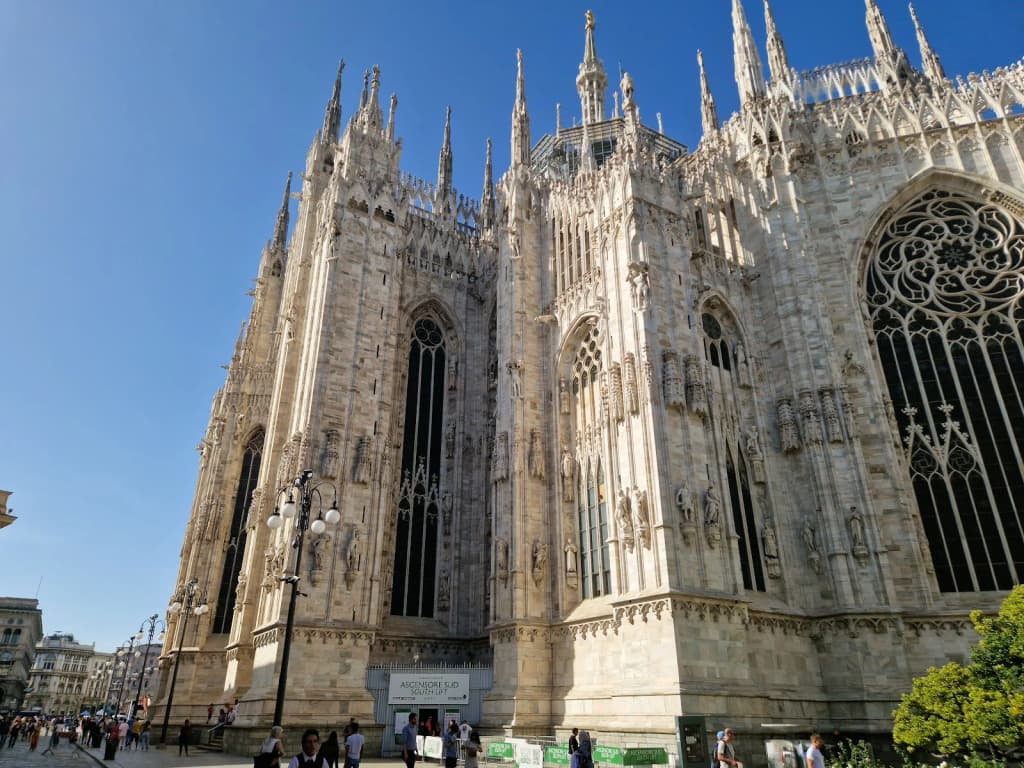
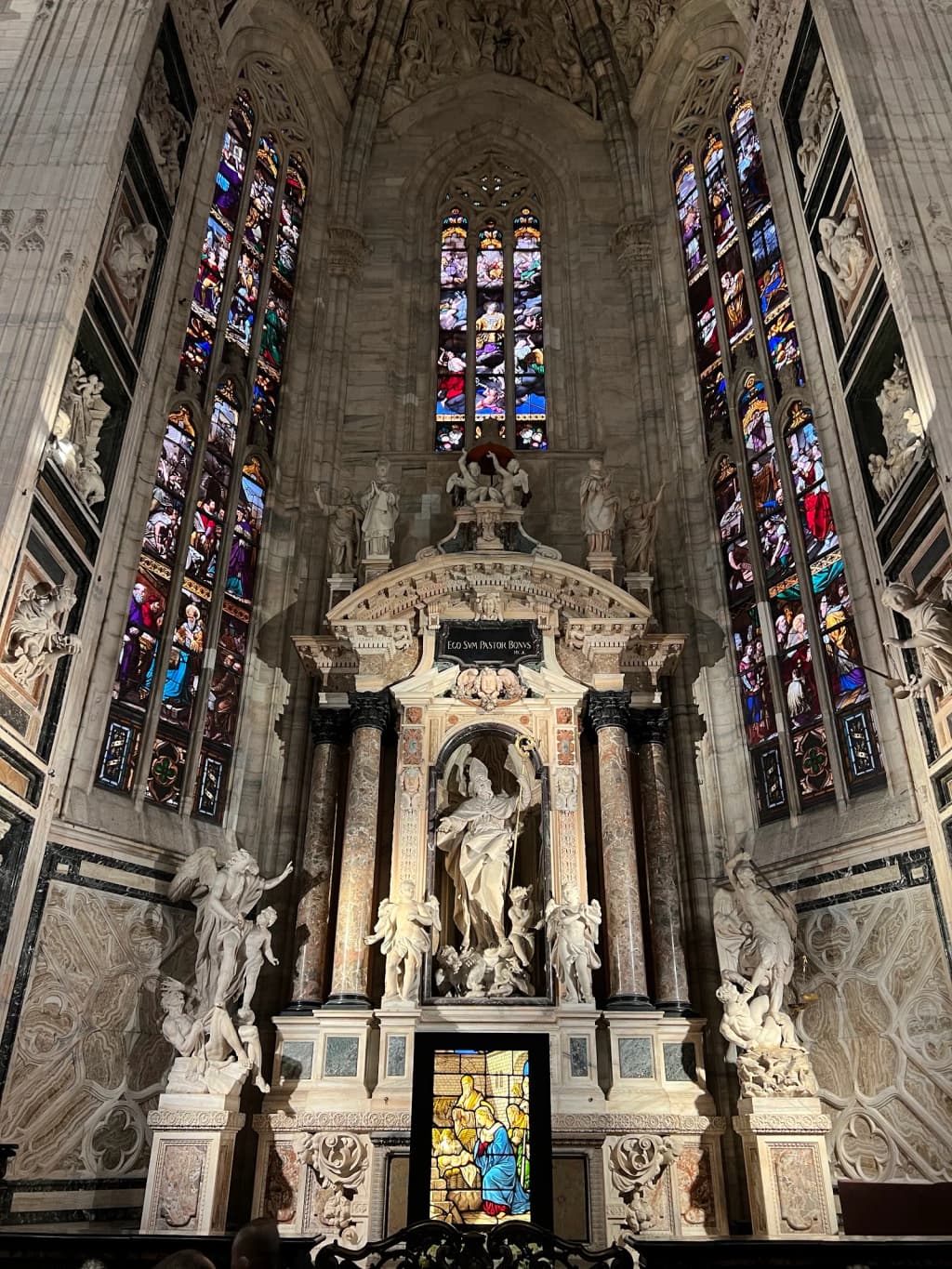
The marble glows pale gold in the morning haze. I surface from the metro, the hum of the city rising with me, and there it is—the Duomo di Milano, all spires and lacework stone, impossibly intricate against a sky that can’t decide if it’s blue or silver. The square is alive: pigeons wheel and scatter, children shriek with delight (and a little disgust) as birds land on outstretched hands, and the air is thick with the scent of roasted chestnuts and espresso drifting from a nearby cart. I lean against a cool column under the arcade, camera in hand, watching the crowd swirl and shrink as I step back, letting the cathedral fill my frame.
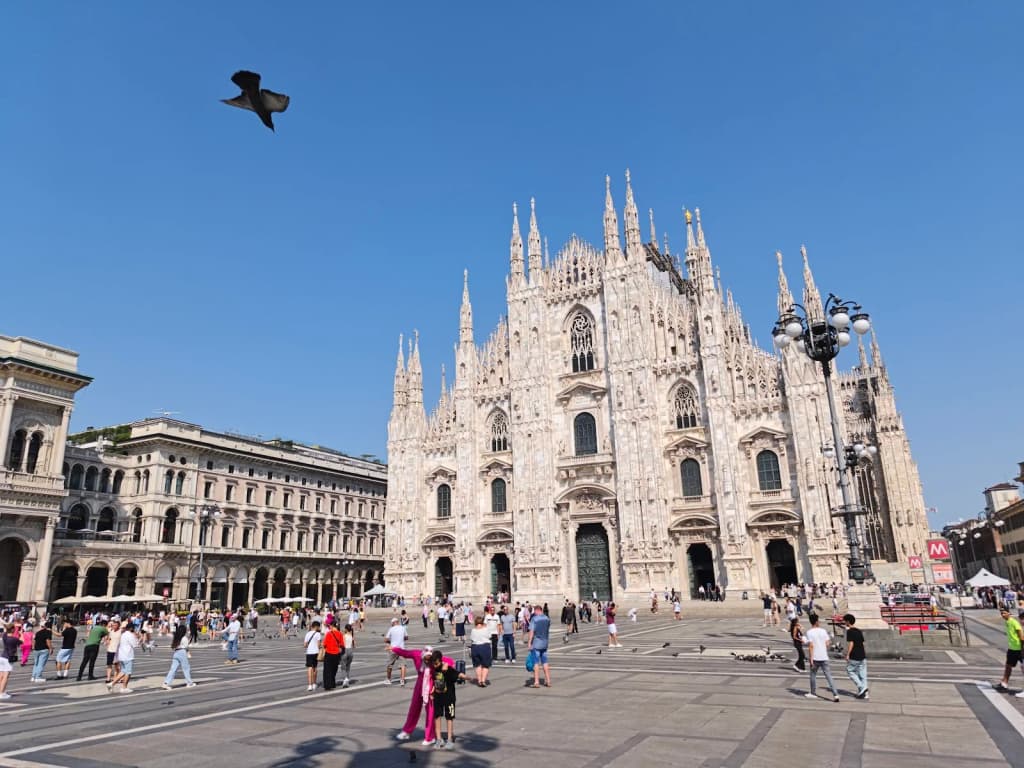
A woman in a red coat sidles up beside me, her accent unmistakably local. “You want the best photo? Stand here, let the arches frame you. Everyone takes the same picture in the middle. This is better.”
I thank her, shifting my stance, and she grins. “You’re not from here.”
“No,” I admit, “but I wish I was.”
She laughs, tossing a handful of crumbs to the pigeons. “Then stay longer.”
Inside the Galleria Vittorio Emanuele II, the world changes. Light pours through the glass dome, gilding mosaic floors and the polished windows of Prada, Louis Vuitton, Armani. The air smells of leather and perfume, and the echo of footsteps is punctuated by the clink of coffee cups and the low hum of conversation in a dozen languages. I watch a line of tourists spin on their heels atop the mosaic bull, laughter rising as they chase the promise of good luck and a return to Milan.
Lunch is at Biffi, a restaurant older than the unification of Italy itself. The waiter brings a basket of crusty bread, and I order risotto alla Milanese—saffron-yellow, creamy, with a hint of sharp cheese—and an Aperol Spritz that glows orange in the midday light. Twenty euros for the risotto, fifteen for the drink, but the taste is pure Milan: rich, elegant, a little decadent. My companion, Carol, sighs over her gnocchi with gorgonzola, the tang of blue cheese mingling with the yeasty warmth of fresh bread.
We wander Corso Vittorio Emanuele II, the city’s shopping artery, where high fashion and high street collide. Victoria’s Secret glows pink and gold, offering lotions and sprays—24.99 each, or three for 50. Kiko Milano, the city’s own, tempts with mascaras and liners, the total ringing up to fifty euros after a flurry of discounts. Zara is a cathedral of glass and steel, and Primark is a riot of color and softness—Disney pajamas, plush robes, the kind of things you buy for comfort and end up treasuring for years. The prices are gentle, the temptation strong.
The afternoon brings us to La Scala, its neoclassical façade hiding centuries of music and drama. Even without a ticket, the lobby whispers of velvet and applause, of Verdi and Callas and nights when the city held its breath. We don’t linger—there’s too much to see, too many stories to chase.
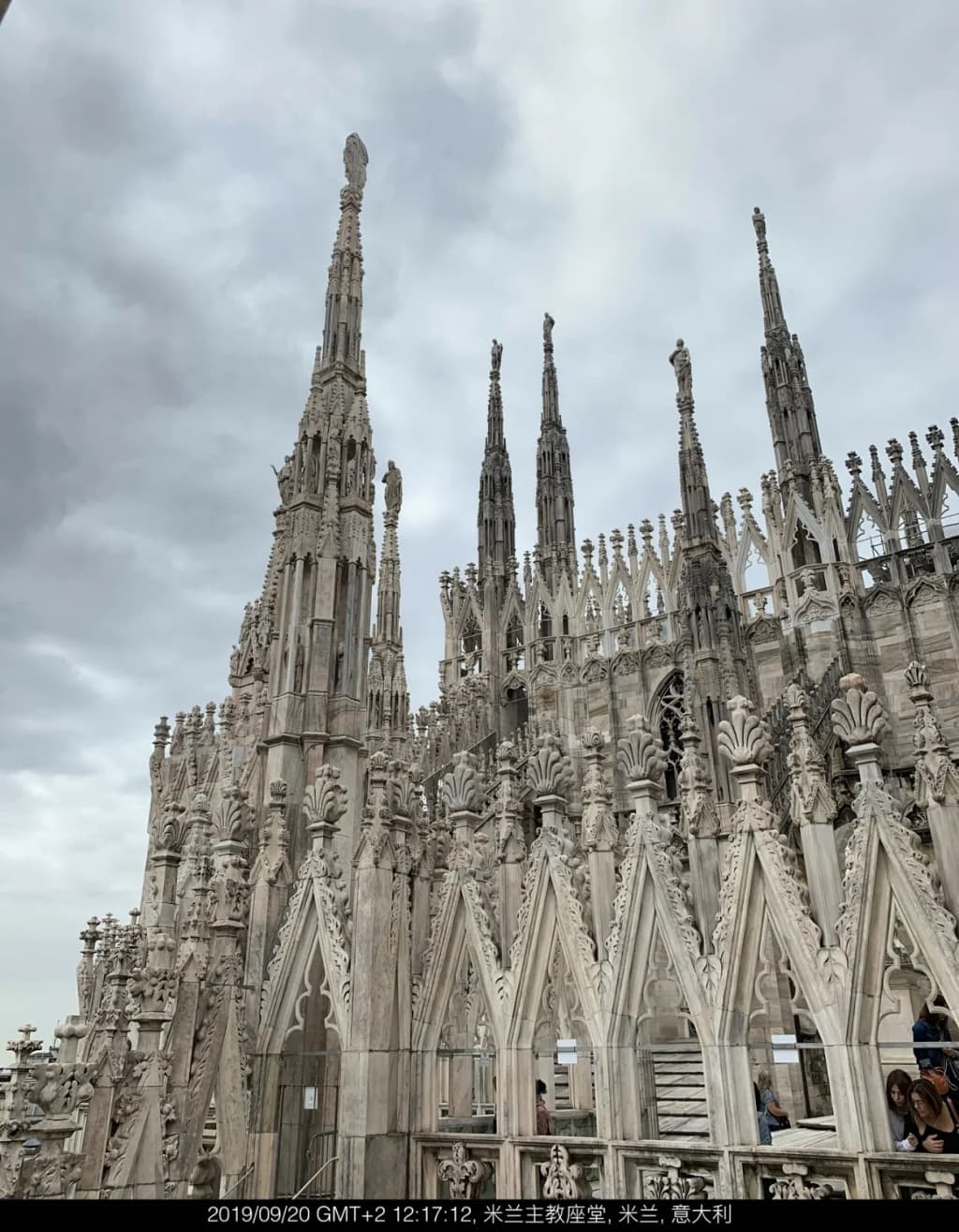
Evening falls and the Piazza del Duomo transforms. The rooftop bar at Duomo 21 beckons, the terrace alive with laughter and the clink of glasses. Twenty-five euros at the door, a drink included, and the view—spires lit gold, the city unfurling in every direction—is worth every cent. A DJ spins as the sky deepens, and for a moment, Milan feels infinite, suspended between day and night.
Morning in Brera is quieter, the city’s pulse slowed to the rhythm of clinking cups and the soft scrape of chairs on cobblestone. Cafés spill onto the street, artists set up easels, and the air smells of strong coffee and fresh pastry. The Pinacoteca di Brera waits behind heavy doors, its halls lined with Caravaggio and Raphael, but even the courtyard—free to wander, dotted with statues and sunlight—is a gallery in itself. We skip the museum this time, drawn instead to Via Fiori Oscuri, where trattorias line up like pearls, each promising something a little different. Lunch is gnocchi alla bolognese at Osteria della Fortunata—seventeen euros, a queue at the door, but the sauce is rich and the pasta pillowy, worth every minute of waiting.
The city’s history is written in stone at Castello Sforzesco, its red-brick towers rising above a moat now filled with laughter and the click of camera shutters. Entry to the grounds is free, and we wander through archways and courtyards, the air cool and faintly mossy. Beyond, Parco Sempione stretches green and wide, leading to the Arco della Pace—a triumphal arch that frames the sky, perfect for photos and a moment’s rest. Along the way, I refill my water bottle at a public fountain, the water cold and clean, a small luxury in a city that prizes style but never forgets substance.
Near the Duomo, a building that looks like a Renaissance bank turns out to be the Starbucks Reserve Roastery—the first in Europe, and easily the most beautiful. Inside, the air is thick with the scent of roasting beans, the hiss of steam, the low murmur of baristas at work. I order a Strawberry Silver Negroni Spritzer—white tea, strawberry, sparkling water, no alcohol—and a slice of cheesecake, the flavors bright and cool against the warmth of the room. Over a hundred drinks on the menu, three bars, and the kind of design that makes you linger, tracing the lines of marble and brass with your eyes.
We end in Navigli, where the canals catch the last light of day and the city’s energy shifts from work to pleasure. Bars and boutiques line the water, their windows glowing gold. I buy a magnet—two euros, or three for five—from a vendor who sings softly as he wraps my purchase. “You like happy hour?” he asks, gesturing to a row of tables. “Here, you order a drink, they bring you snacks. It’s the Milanese way.”
Aperitivo arrives: an eight-euro spritz, a plate of chips, olives, and mysterious biscuits. The sun sets, the water glimmers, and the city feels both ancient and new. Later, we share a pizza margherita at Fico, the crust blistered, the cheese bubbling, the night alive with laughter and music. Navigli is at its best now—buzzy, bright, a little wild, but always welcoming.
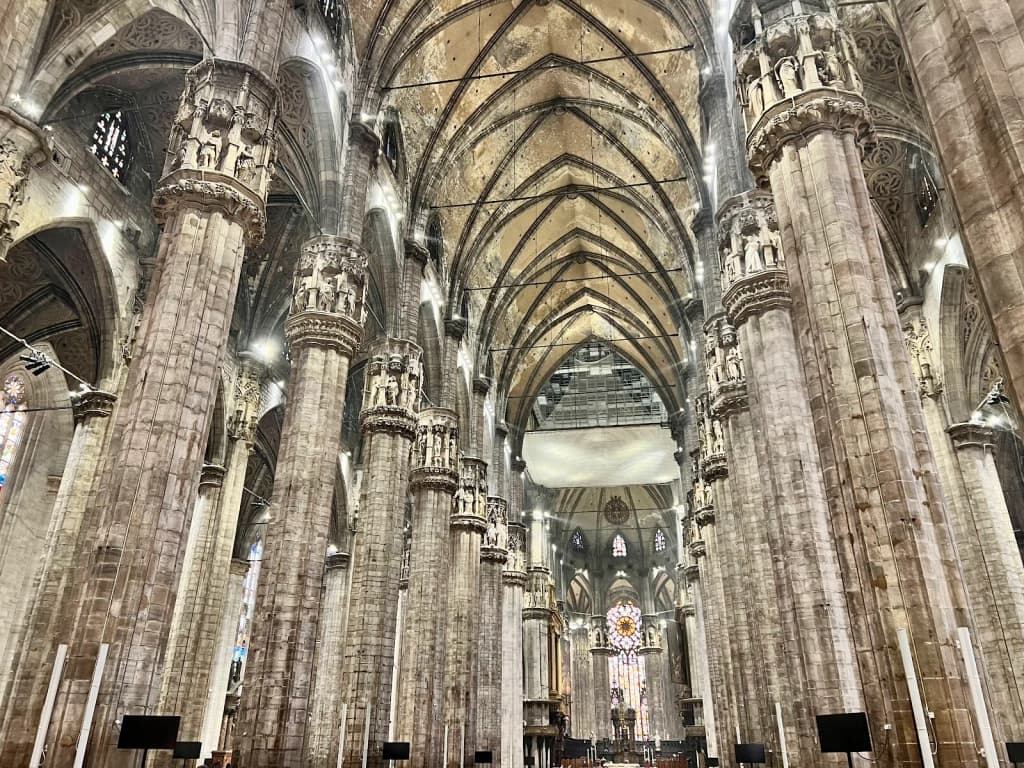
At Malpensa airport, receipts in hand, I claim my tax refund at the automated kiosk—eight euros and fifty cents back, a small victory, a reminder that even in a city of style, practicality has its place. The city lingers on my skin: the scent of saffron, the echo of laughter, the glow of marble at dusk. Milan is a city that invites you to look closer, to linger longer, to find beauty in the details and stories in every stone. I board my flight already plotting a return, the city’s rhythm still thrumming in my chest.
More Photos
More Adventures
 $80 - $250/day 4-7 days
 The Quiet Art of Experiencing Paris on a Budget
Discover how to experience the romance of Paris without breaking the bank, from secret bakery rituals to navigating the city's economic rhythms.
 $120 - $350/day 2-3 days
 Disneyland Paris Strategy: Ride Hacks & Coaster Secrets
Think you know Disney? Think again. Discover the underground secrets, massive coasters, and insider hacks to conquer Disneyland Paris like a pro.
 $50 - $120/day 3-5 days
 Chasing Echoes and Gold Dust in Tiradentes, Brazil
Experience Tiradentes, Brazil through a sensory journey of colonial architecture, deep-rooted history, and the rich culinary traditions of Minas Gerais.
 $40 - $120/day 3-5 days
 Shadows and Gold: Walking the Living History of Ouro Preto
Wander the steep cobblestone streets of Ouro Preto, where Baroque masterpieces, subterranean gold mines, and a dynamic culinary scene breathe life into history.